 Skip to content



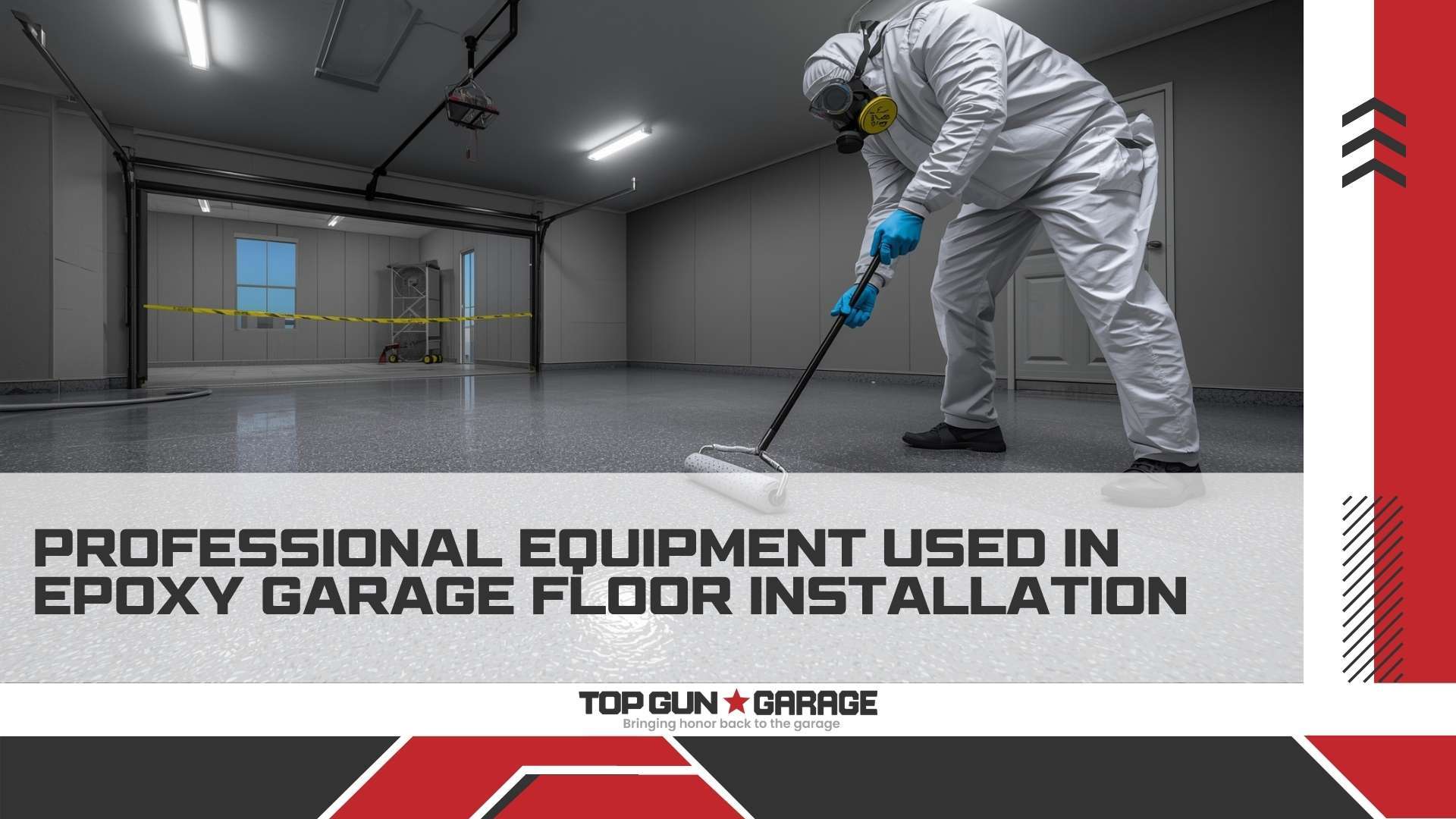
Applying a resinous coating to your garage floor transforms a dull, stained concrete slab into a high-performance surface that resists oil, impacts, and moisture. However, the chemical processes involved in an epoxy garage floor installation introduce serious risks that demand rigorous safety protocols. The two-part systems rely on amines, isocyanates, and volatile organic compounds that can cause respiratory distress, dermal burns, and fire hazards if mishandled. This16 comprehensive guide details the specific dangers and provides actionable, field-tested safety measures to ensure your project is completed without injury or property damage.
Key Takeaways
- Epoxy resin and hardener components release toxic VOCs and require supplied-air or organic vapor respirators, not simple dust masks.
- Chemical burns from hardeners are often painless at first but cause deep tissue damage; full-body Tyvek suits and nitrile gloves are mandatory.
- Grinding concrete generates respirable crystalline silica dust, a known carcinogen; always use HEPA-filtered dust extraction and wet methods.
- Flammable solvent-based primers demand explosion-proof ventilation and the elimination of all ignition sources, including pilot lights.
- Moisture vapor transmission through the slab can cause catastrophic delamination; a calcium chloride test per ASTM F1869 is non-negotiable.
- Slip resistance must be engineered into the topcoat using aluminum oxide or polymer grit additives to prevent falls when the floor is wet.
- Proper cure time is a safety factor; foot traffic before full crosslinking can embed contaminants and compromise the chemical-resistant barrier.
Understanding the Chemical Hazards in Two-Component Epoxy Systems
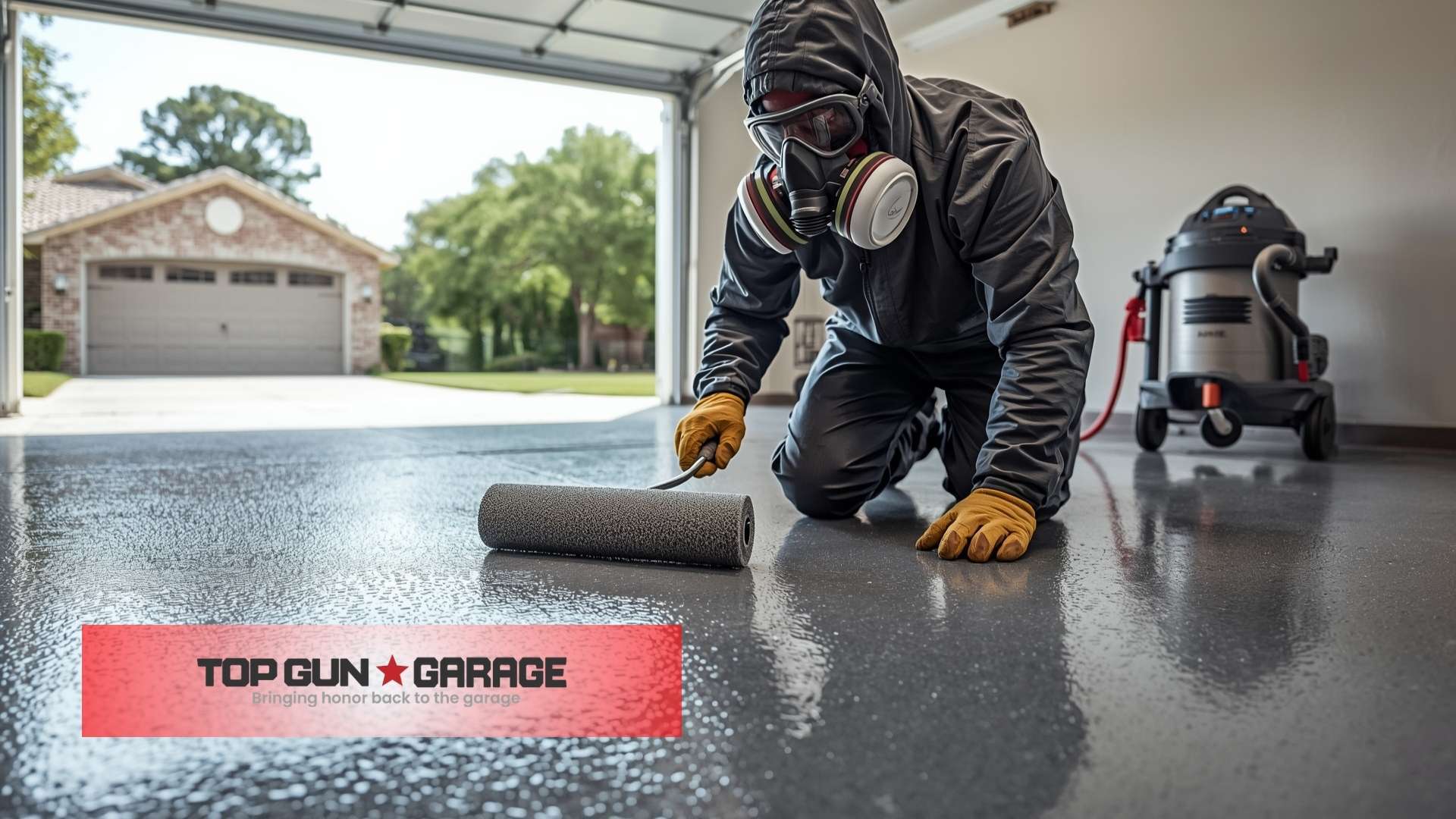
Modern epoxy garage floor installation relies on a reaction between epoxide resin and a polyamine or polyamide hardener. This exothermic polymerization creates a durable thermoset plastic, but the raw materials are hazardous before they crosslink. According to the Occupational Safety and Health Administration (OSHA), common amine hardeners are corrosive sensitizers that can trigger occupational asthma after repeated exposure. The resin component often contains bisphenol-A diglycidyl ether, a skin irritant and potential endocrine disruptor. Understanding these chemical properties is the first step in risk mitigation.
Volatile organic compound (VOC) content varies dramatically between formulations. Traditional solvent-based epoxies can contain up to 650 grams per liter of VOCs, while newer 100% solids systems have near-zero emissions. However, even low-VOC products generate heat during the curing phase, which can accelerate off-gassing in poorly ventilated spaces. The National Institute for Occupational Safety and Health (NIOSH) recommends continuous air monitoring when working with these materials in enclosed areas. A critical mistake many DIY installers make is assuming that a low-odor product is low-hazard; many toxic amines have minimal scent but severe health impacts.
Respiratory Protection: Beyond the Dust Mask
Standard N95 particulate masks offer zero protection against organic vapors. For solvent-based primers and high-VOC topcoats, an organic vapor cartridge respirator with a pre-filter is the minimum acceptable equipment. As Dr. Elena Torres, a Certified Industrial Hygienist with the American Board of Industrial Hygiene, explains: “Amine hardeners have a low vapor pressure but can still aerosolize during mixing and rolling. A full-face respirator with combination cartridges protects both the lungs and the eyes from splashes and vapor irritation.” For large-scale applications or confined garages with limited airflow, a supplied-air respirator system is the definitive solution, providing positive pressure to prevent any inward leakage of contaminants.
Carbon monoxide poisoning is an overlooked risk when using gasoline-powered floor grinders or generators indoors. These machines must never be operated inside a closed garage. Electric grinders with HEPA dust extraction are the safer 2026 standard for surface preparation. The silica dust generated during concrete grinding is classified as a Group 1 carcinogen by the International Agency for Research on Cancer (IARC). A dust shroud connected to a HEPA-filtered vacuum captures 99.97% of particles at 0.3 microns, preventing airborne silica from settling throughout the home.
Dermal Protection: Preventing Chemical Burns and Sensitization
Epoxy hardeners are alkaline and can cause severe chemical burns that develop slowly over hours. The initial contact may feel only slightly warm or itchy, but deep tissue necrosis can occur without prompt decontamination. Nitrile gloves with a minimum thickness of 8 mils are essential, but they must be changed frequently because amines can permeate the glove material over time. Latex gloves are ineffective and degrade rapidly upon contact with solvents. A common field error is wearing short sleeves; any exposed skin is a potential contact point. Full-length Tyvek or poly-coated coveralls with elastic cuffs provide a disposable barrier that prevents resin from soaking through to street clothes.
Eye protection must be chemical-rated goggles, not standard safety glasses. A splash of hardener can cause corneal ulceration and permanent vision loss. An eyewash station with at least 15 minutes of continuous tepid water flow must be accessible. In residential garages, a portable pressurized eyewash bottle is a minimum requirement. According to the Centers for Disease Control and Prevention (CDC), immediate irrigation is the most critical factor in reducing the severity of ocular chemical injuries. Delaying treatment to find a hospital can result in irreversible damage.
Fire and Explosion Hazards During Application
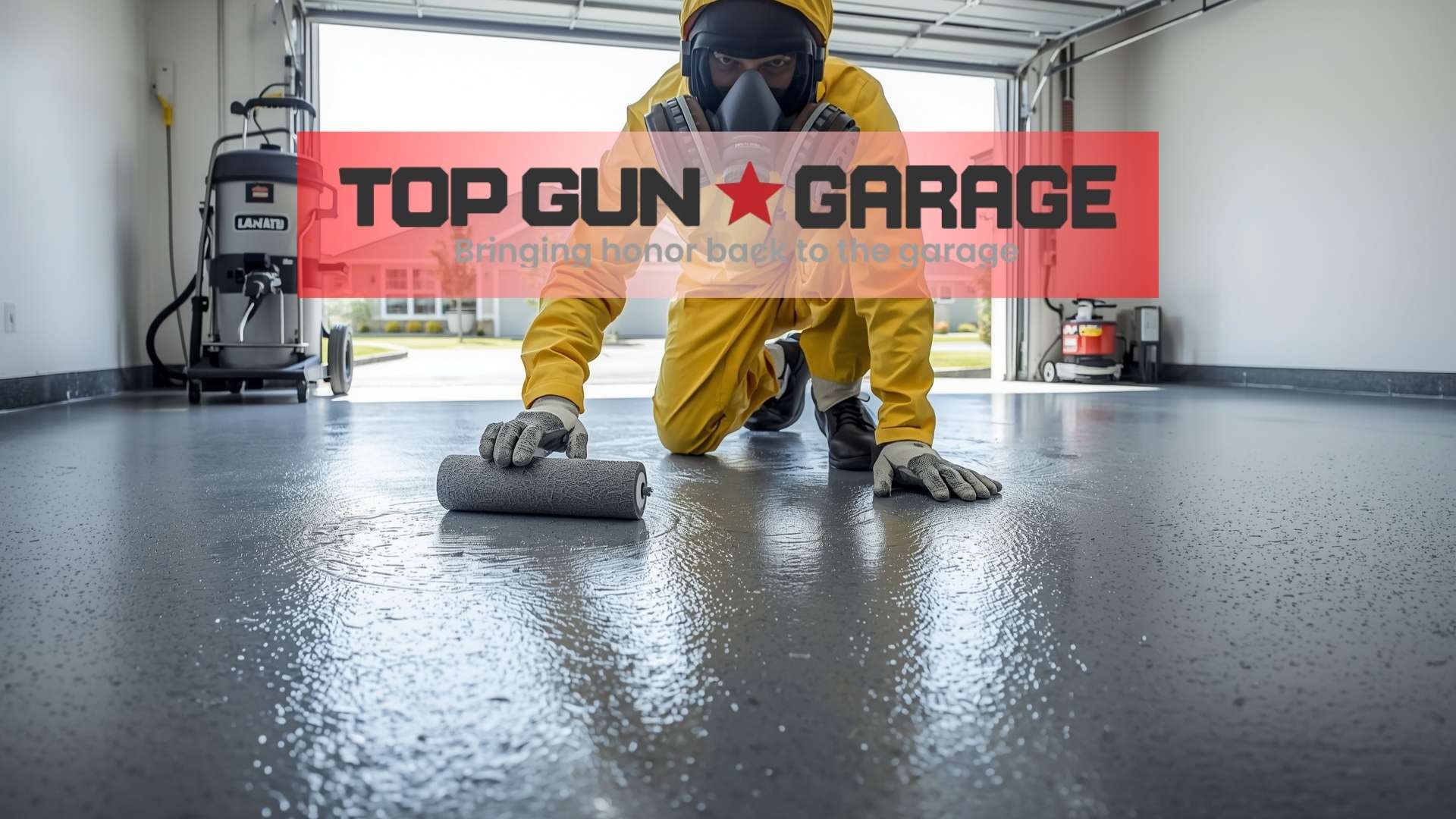
Solvent-based epoxy primers and thinners are highly flammable. Their vapors are heavier than air and can travel along the floor to distant ignition sources such as water heater pilot lights, electrical outlets, or furnace igniters. The National Fire Protection Association (NFPA) classifies many epoxy solvents as Class I flammable liquids. Before opening any containers, all ignition sources within a 50-foot radius must be extinguished or sealed. Explosion-proof ventilation fans rated for hazardous locations are required to maintain vapor concentrations below the lower explosive limit (LEL).
Exothermic runaway is a thermal hazard unique to epoxy systems. When large masses of mixed resin and hardener are left in a container, the heat generated by the curing reaction cannot dissipate. The temperature can spike above 500°F within minutes, producing acrid smoke and potentially igniting the plastic bucket. Mixing only the amount that can be immediately spread across the floor is the primary prevention strategy. Spreading the mixed material into a shallow roller pan increases surface area and dissipates heat safely. A Class B fire extinguisher rated for flammable liquids must be on site, not stored in a distant shed.
Ventilation Engineering Controls
Natural ventilation through open garage doors is often insufficient. A negative air pressure setup, using a fan to exhaust contaminated air outdoors while drawing fresh air from an opposite opening, creates a directional airflow that keeps vapors away from the applicator. For attached garages, the door to the living space must be sealed with plastic sheeting and painter’s tape to prevent fume migration into the home. Children, pregnant women, and individuals with respiratory conditions must vacate the premises for the duration of the application and the initial cure phase, typically 24 to 72 hours depending on the product’s technical data sheet.
Substrate Preparation: The Hidden Dangers of Concrete Dust
Mechanical surface preparation via diamond grinding or shot blasting is essential for a bond-worthy profile, but it creates a hazardous airborne dust cloud. Crystalline silica particles smaller than 10 microns are respirable and lodge deep in the alveoli, causing silicosis, lung cancer, and chronic obstructive pulmonary disease. OSHA’s permissible exposure limit for respirable crystalline silica is 50 micrograms per cubic meter of air over an 8-hour time-weighted average. Achieving this requires wet grinding methods or a dust collection system with a filter cleaning mechanism that maintains suction as the filter loads.
Moisture testing is a safety-critical step often skipped by inexperienced installers. A concrete slab that appears dry can emit high levels of water vapor due to hydrostatic pressure from the ground. When a non-breathable epoxy film traps this moisture, alkaline salts dissolve and create an osmotic blister that delaminates the coating. This creates a tripping hazard and a sharp, curled edge that can cut tires or bare feet. The ASTM F2170 standard for in-situ relative humidity testing using probes inserted into the slab provides the most accurate data. Readings above 75% relative humidity require a moisture-mitigating primer before proceeding with the epoxy garage floor installation.
Slip Resistance: Engineering Safety into the Topcoat
A glossy, high-build epoxy floor becomes treacherously slippery when wet with water, oil, or antifreeze. The static coefficient of friction (SCOF) must exceed 0.60 for safe pedestrian traffic, as recommended by the American National Standards Institute (ANSI). Broadcast aluminum oxide grit into the wet topcoat creates a microscopic abrasive texture that maintains grip without compromising cleanability. For garages in rainy climates, a heavier grit loading is necessary. The grit must be broadcast evenly using a hand spreader to avoid bald spots that become slip zones.
Testing the slip resistance after curing is a final quality control step. A portable tribometer or a simple pendulum test device provides objective data. Visual inspection is not reliable; a floor that looks textured can still be slick if the aggregate is too fine or insufficiently applied. This is particularly important for garage floors that serve as high-traffic transition zones, where occupants may carry groceries or walk in wet shoes. The long-term effectiveness of slip-resistant additives depends on their bond strength within the polymer matrix; inferior products can fracture and release under vehicle tire abrasion.
Environmental and Disposal Hazards
Uncured epoxy waste is classified as hazardous waste in most jurisdictions. Liquid resin and hardener must never be poured down drains, into soil, or placed in regular trash. The Environmental Protection Agency (EPA) mandates that waste be fully cured—either by mixing the components together and allowing them to harden—or disposed of through a licensed hazardous waste handler. Empty containers retain enough residue to pose a fire and health risk; they should be air-dried in a well-ventilated area before recycling or disposal. Spill containment is a proactive measure: placing mixing stations within a secondary containment berm prevents a small spill from becoming an environmental remediation project.
Temperature and humidity control during application is a safety issue because it directly affects cure kinetics. Applying epoxy in conditions below the dew point causes amine blush, a waxy surface layer that must be mechanically removed before recoating. This blush is a skin irritant and interferes with intercoat adhesion, leading to premature peeling. The resulting loose flakes are a choking hazard for small children and pets. Monitoring ambient conditions with a digital psychrometer and following the manufacturer’s specified application window prevents this defect.
Step-by-Step Safety Protocol for Epoxy Garage Floor Installation
- Pre-Project Hazard Assessment: Identify all ignition sources, test for moisture vapor emission using ASTM F2170 probes, and confirm adequate ventilation capacity. Review the Safety Data Sheets (SDS) for each product.
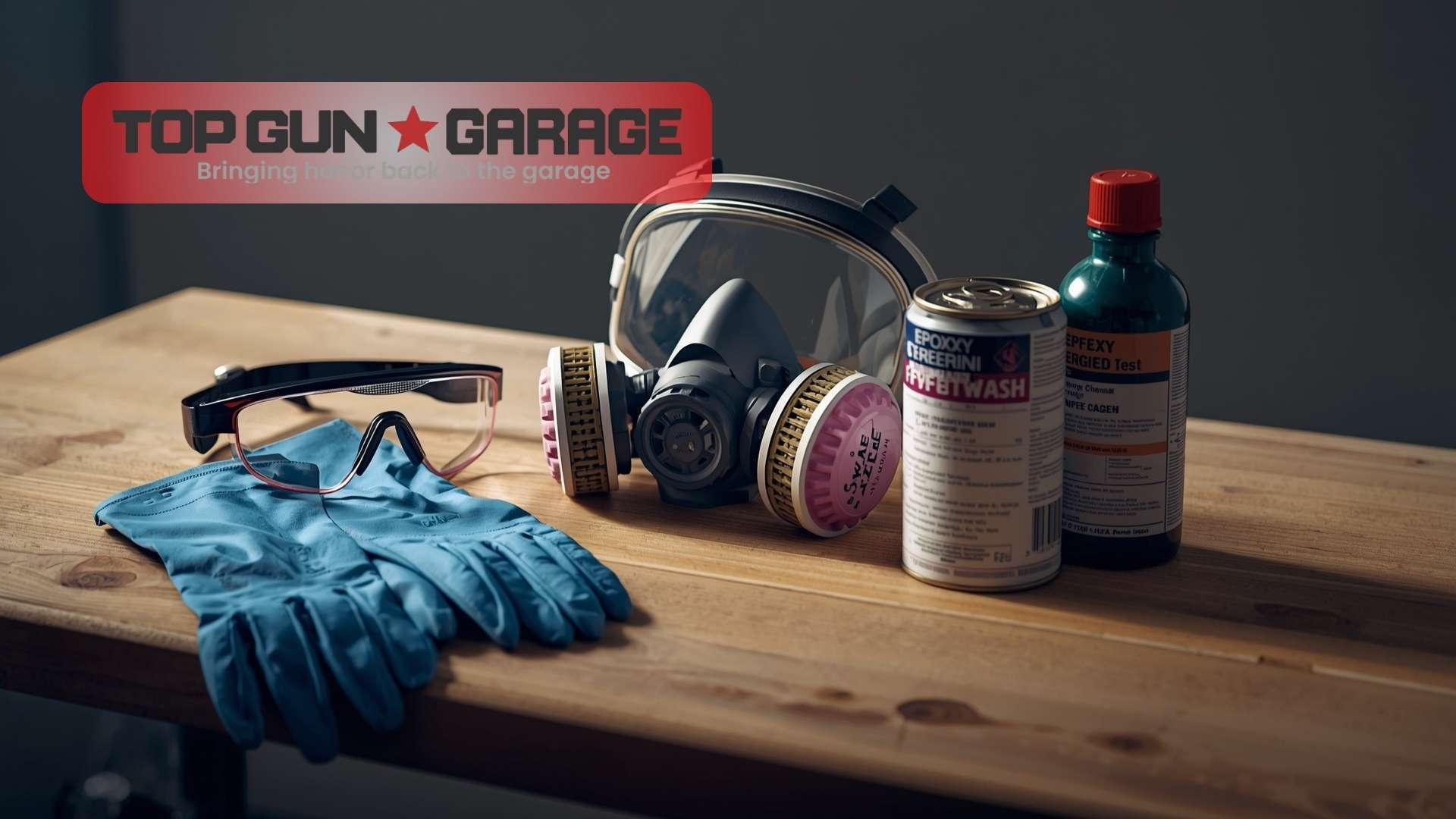
- PPE Donning: Full-face organic vapor respirator, chemical splash goggles, 8-mil nitrile gloves with extended cuffs, Tyvek coveralls with hood and booties, and knee pads for prolonged kneeling.
- Site Isolation: Seal HVAC returns and doorways to living spaces with 6-mil polyethylene sheeting. Post warning signs to prevent entry by unprotected persons.
- Surface Preparation: Operate a diamond grinder with a HEPA dust extractor. Use wet grinding methods where feasible. Collect all dust in sealed bags for disposal as construction waste.
- Primer Application: Mix only the quantity that can be applied within the pot life. Use explosion-proof ventilation if the primer contains solvents. Maintain continuous air monitoring.
- Body Coat and Flake Broadcast: Apply the epoxy base coat with a shed-resistant roller. Broadcast decorative flakes or anti-slip aggregate immediately while the film is wet.
- Topcoat Application: Apply a UV-stable polyurethane or polyaspartic topcoat with integrated slip-resistant additive. Ensure uniform coverage to encapsulate all flakes.
- Controlled Cure: Maintain temperature above 60°F and relative humidity below 75% for the full cure cycle. Restrict all access for 24 hours, and vehicle traffic for 72 hours minimum.
- Post-Cure Inspection: Test slip resistance with a tribometer. Visually inspect for pinholes, blisters, or amine blush. Perform a tape adhesion test per ASTM D3359 to verify bond strength.
- Waste Disposal: Fully cure all mixed waste before disposal. Recycle clean cardboard and plastic packaging. Document disposal methods for environmental compliance.
Common Mistakes That Lead to Safety Incidents
| Mistake | Consequence | Prevention |
|---|---|---|
| Skipping moisture testing | Osmotic blistering, delamination, tripping hazard | Perform ASTM F2170 relative humidity probe test |
| Using a dust mask instead of a respirator | Amine sensitization, occupational asthma | Use organic vapor cartridges with P100 pre-filters |
| Mixing large batches in a single container | Exothermic runaway, fire, toxic smoke | Mix only what can be spread in 15 minutes; use shallow pans |
| Ignoring dew point | Amine blush, intercoat adhesion failure, peeling flakes | Monitor with psychrometer; apply only when surface temp is 5°F above dew point |
| Wearing latex gloves | Rapid chemical permeation, skin burns | Use 8-mil nitrile gloves; change every 30 minutes |
| No eyewash station on site | Delayed irrigation, corneal damage | Set up portable pressurized eyewash before opening containers |
Case Study: A Preventable Incident in a Residential Garage
In a documented 2026 incident, a homeowner in a humid coastal region attempted a DIY epoxy garage floor installation using a high-solids solvent-based system. He wore a paper dust mask and shorts, assuming the open garage door provided sufficient ventilation. Within two hours, he developed a severe headache and nausea from VOC exposure. While attempting to mix a second batch, the exothermic reaction in the mixing bucket caused the plastic to soften and collapse, spilling uncured resin onto his bare legs. The resulting chemical burns required a week of outpatient treatment at a burn clinic. Investigation revealed that the concrete slab had a relative humidity of 89%, and the coating delaminated within three months. This incident underscores the compounding nature of safety failures: inadequate PPE, poor ventilation, ignored thermal hazards, and skipped moisture testing combined to create a dangerous and costly outcome.
Frequently Asked Questions
Can I stay in my house during an epoxy garage floor installation?
For solvent-based systems, the living space must be isolated with plastic sheeting and tape, and occupants should vacate for at least 24 hours. Even with 100% solids systems, the odor can be irritating; those with asthma or chemical sensitivities should arrange alternative accommodations until the floor is fully cured and the space has been ventilated for several hours.
What type of respirator do I need for epoxy fumes?
A half-face or full-face respirator equipped with organic vapor cartridges and P100 particulate pre-filters is the minimum. For large-scale applications or confined spaces, a supplied-air respirator provides the highest level of protection by delivering clean breathing air from an external source, eliminating any chance of cartridge breakthrough.
How do I know if my concrete is too wet for epoxy?
The definitive test is ASTM F2170, which uses probes inserted into the slab to measure internal relative humidity. Readings above 75% indicate excessive moisture. A simpler calcium chloride test per ASTM F1869 can also be used, but it measures surface emission rate over 72 hours and is less accurate for slabs with varying moisture profiles.
Is epoxy flooring slippery when wet?
A standard high-gloss epoxy without additives is very slippery when wet. Safety requires broadcasting aluminum oxide or polymer grit into the wet topcoat to create a textured, slip-resistant surface. The static coefficient of friction should be tested after curing to ensure it meets the ANSI standard of 0.60 or higher.
How long after installation is it safe to walk on the floor?
Light foot traffic is typically safe after 24 hours, but full chemical crosslinking continues for up to 7 days. Vehicle traffic should be avoided for at least 72 hours to prevent tire marks and permanent indentation. Always consult the product’s technical data sheet for specific recoat and cure windows.
What should I do if I get epoxy hardener on my skin?
Immediately remove contaminated clothing and flush the area with copious amounts of tepid water for at least 15 minutes. Do not use solvents to clean the skin, as they can enhance absorption. Seek medical attention if a burning sensation persists or if the affected area is larger than a few inches, as deep tissue damage may be occurring without immediate pain.
Can I use a regular shop vacuum for concrete dust?
No. Standard shop vacuums exhaust fine silica dust back into the air. A HEPA-filtered dust extractor with an automatic filter cleaning mechanism is required to capture respirable crystalline silica. The vacuum must be rated for the specific dust class and paired with a grinder shroud that provides effective capture at the source.
Are water-based epoxies safer than solvent-based ones?
Water-based epoxies have significantly lower VOC content and reduced flammability, making them safer from a fire and inhalation perspective. However, they still contain amine hardeners that are skin sensitizers and corrosives. Full PPE, including gloves and eye protection, remains mandatory regardless of the carrier solvent.
Conclusion
An epoxy garage floor installation delivers1920 exceptional durability and aesthetic appeal, but the path to that flawless finish is lined with chemical, respiratory, and physical hazards that demand respect. The difference between a successful project and a medical emergency lies in meticulous preparation: engineering controls for ventilation, rigorous moisture testing, proper PPE from respirators to nitrile gloves, and strict adherence to the manufacturer’s technical data sheet. No aesthetic outcome is worth a chemical burn, a silicosis diagnosis, or a house fire. By implementing the protocols outlined in this guide, you protect not only the integrity of the floor but the health and safety of everyone involved. For complex projects or if you are unsure about any of the16 critical safety steps, contact our team of certified installers who are trained in hazardous materials handling and advanced surface preparation techniques.
References
- Occupational Safety and Health Administration (OSHA) – Respiratory Protection Standard
- National Institute for Occupational Safety and Health (NIOSH) – Chemical Hazards
- International Agency for Research on Cancer (IARC) – Silica Dust Monograph
- National Fire Protection Association (NFPA) – Flammable Liquids Code
- Environmental Protection Agency (EPA) – Hazardous Waste Disposal
- ASTM International – F2170 and F1869 Moisture Testing Standards
- American National Standards Institute (ANSI) – Slip Resistance Standards
- Centers for Disease Control and Prevention (CDC) – Chemical Burn First Aid