 Skip to content



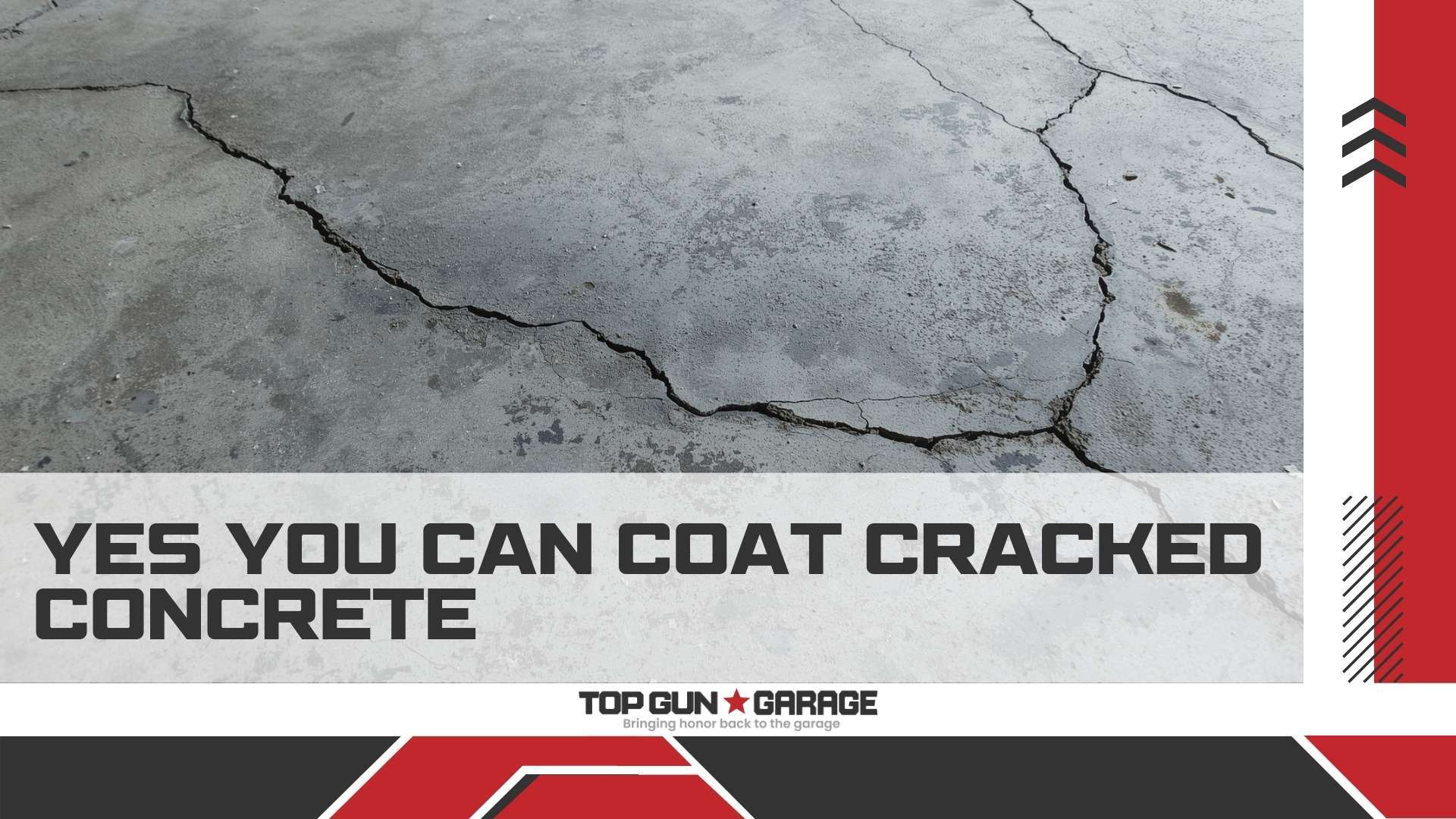
Applying epoxy over cracked concrete is possible, but success depends entirely on proper crack assessment, repair methodology, and surface preparation before coating application. Many homeowners hesitate to invest in garage floor coatings when they discover cracks in their concrete slabs, fearing the coating will fail or that cracks will continue spreading beneath the surface. The truth is that professional installers successfully coat cracked concrete daily, transforming damaged garage floors into beautiful, durable surfaces that last 10-15 years—but only when they follow specific protocols that address crack causes, stabilize substrates, and create proper bonding conditions.
Overview
This comprehensive guide explains everything you need to know about coating cracked concrete, from identifying crack types and assessing structural integrity to understanding repair methods and preparation techniques that ensure lasting results. You’ll learn which cracks require simple filling versus extensive repair, how moisture and movement affect coating performance, what materials professionals use for different crack scenarios, and the step-by-step process that transforms damaged concrete into a stable base for epoxy or polyurea coatings. We’ll also cover cost considerations, timeline expectations, and when cracks indicate problems too severe for cosmetic coating solutions.
Key Takeaways
-
Hairline cracks under 1/8 inch wide can be successfully coated with proper surface preparation and crack filling
-
Structural cracks, active movement, or slab settlement require professional evaluation and repair before coating
-
Crack repair methods include epoxy injection, polyurea filling, routing and sealing, and full-depth patching
-
Moisture testing is essential since cracks often indicate or accelerate vapor transmission issues
-
Surface profiling after crack repair ensures coating adhesion across repaired and original concrete
-
Professional contractors assess crack patterns to identify underlying causes preventing future coating failure
-
Coating over unrepaired cracks leads to telegraphing, delamination, and premature system failure
Understanding Different Types of Concrete Cracks
Not all concrete cracks pose equal challenges for coating applications, and identifying crack types helps determine appropriate repair strategies. Hairline cracks measuring less than 1/16 inch wide typically result from concrete shrinkage during curing and rarely indicate structural problems. These superficial cracks respond well to simple filling techniques and don’t compromise coating performance when properly addressed. Medium cracks ranging from 1/8 to 1/4 inch wide may result from settling, thermal stress, or inadequate control joints, requiring more substantial repair but still suitable for coating after proper preparation.
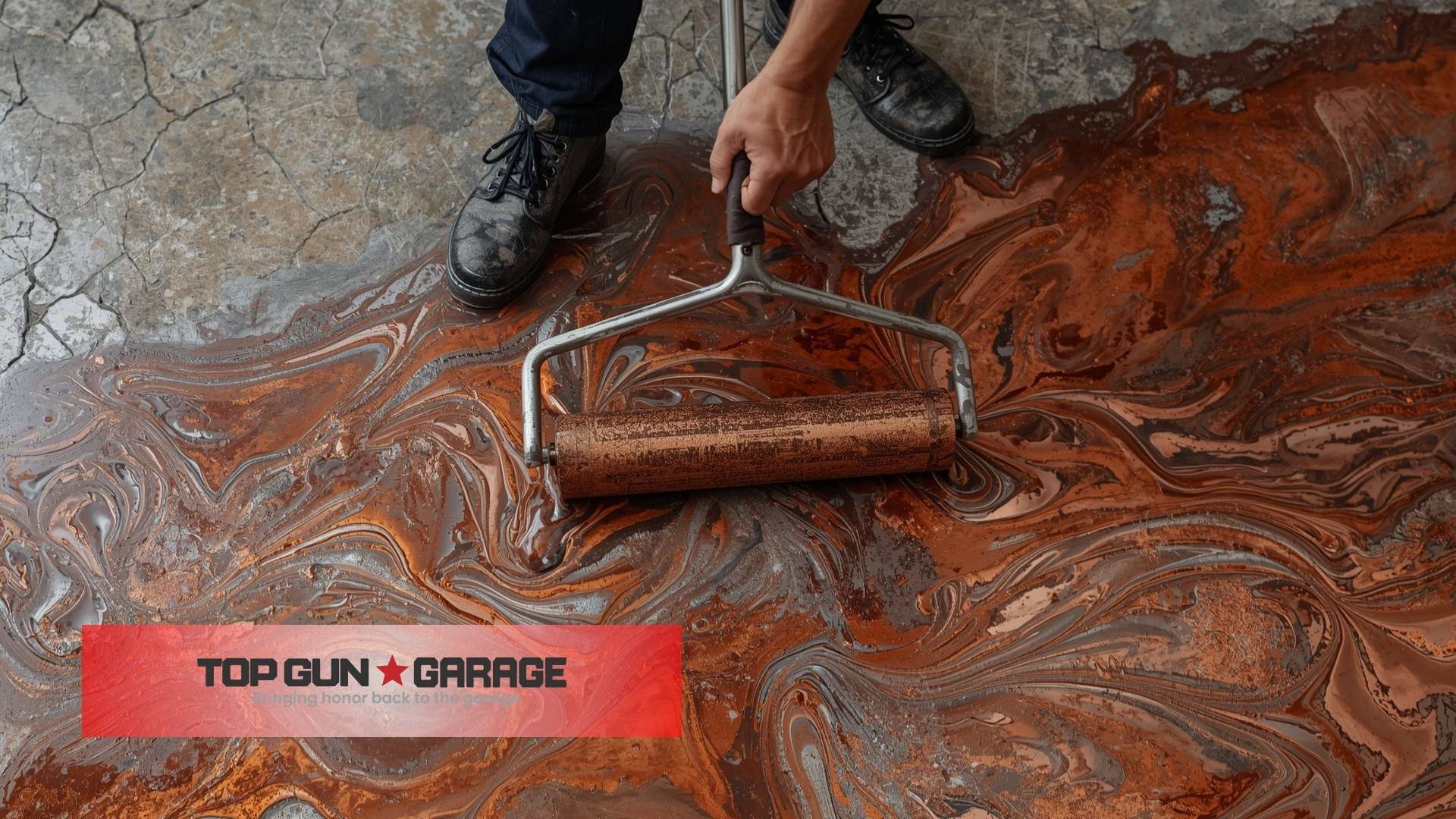
Wide cracks exceeding 1/4 inch, stepped cracks showing vertical displacement, or cracks exhibiting active movement indicate serious structural issues demanding professional evaluation before any coating work begins. Structural concrete damage from foundation settlement, soil erosion, or inadequate reinforcement often manifests as progressive cracking that no coating system can stabilize. Pattern cracking appearing in interconnected networks suggests widespread concrete deterioration, often from freeze-thaw cycles in cold climates or alkali-silica reactions, requiring extensive remediation beyond simple crack repair.
Assessing Crack Severity and Structural Stability
Professional contractors begin every cracked concrete evaluation by determining whether cracks represent cosmetic damage or structural compromise. Active cracks that continue widening over time, show seasonal movement patterns, or exhibit displacement between crack edges indicate ongoing substrate instability that will destroy coating systems. Installers mark crack edges with reference points, measuring gap widths over several weeks to detect movement—any change exceeding 1/32 inch suggests active settling requiring structural repair before coating consideration.
Moisture testing protocols become particularly critical around crack locations since fissures create direct pathways for water infiltration and vapor transmission. Cracks often indicate or accelerate moisture problems, with water migrating through damaged concrete at rates 300-400% higher than through intact slabs. Professional installers use calcium chloride tests, relative humidity probes, and moisture meters to map vapor emission rates, identifying whether cracks stem from hydrostatic pressure pushing moisture upward through the slab.
Why Crack Repair Must Happen Before Coating
Applying epoxy or polyurea coatings directly over unrepaired cracks guarantees premature failure through telegraphing, where crack patterns transfer through the coating as the substrate moves or settles. Coating systems, regardless of quality, cannot bridge active cracks or prevent crack propagation through flexing concrete slabs. The rigid nature of most epoxy formulations means they fracture along underlying crack lines, while even flexible polyurea systems eventually develop visible depressions or separations over unrepaired fissures.
Proper concrete preparation requires addressing cracks as part of comprehensive surface profiling that creates uniform substrate conditions for coating adhesion. Unrepaired cracks create weak points where coatings delaminate, trap air causing bubbling, or allow moisture intrusion that undermines adhesion across larger floor areas. Professional repair creates a monolithic surface where the coating bonds uniformly, eliminating the stress concentrations that cause coating failure at crack locations.
Crack Repair Methods for Different Situations
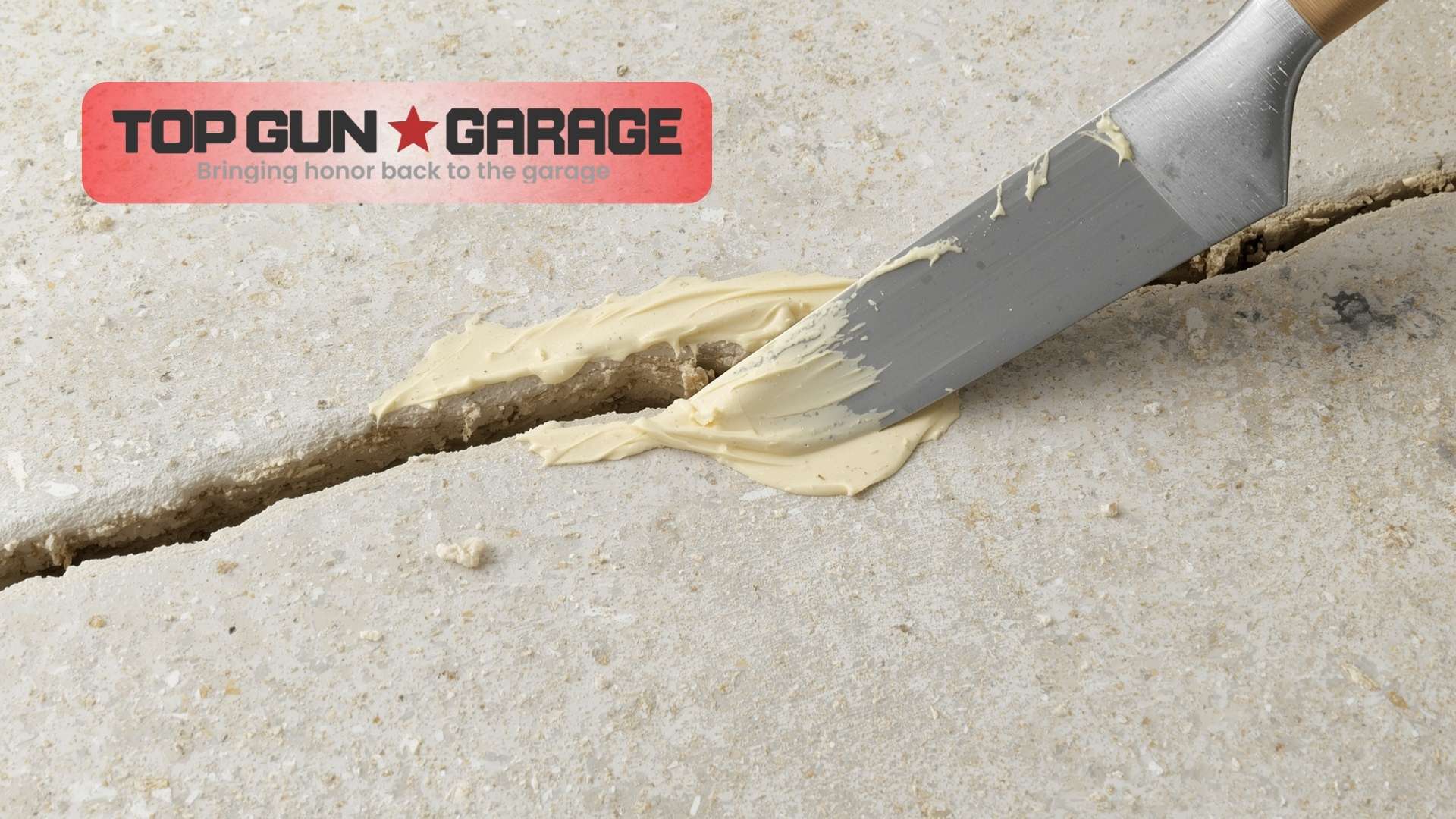
Epoxy injection represents the gold standard for repairing structural cracks in concrete slabs, filling fissures completely from bottom to top with high-strength adhesive that bonds crack faces together. Professional installers drill entry ports along crack lengths, inject low-viscosity epoxy under pressure, and allow 24-48 hours curing time that results in repairs often stronger than surrounding concrete. This method works best for cracks wider than 1/8 inch extending through slab thickness, particularly when structural integrity restoration matters more than just cosmetic appearance.
Polyurea crack filling provides flexible repair suitable for cracks experiencing minor seasonal movement, as the elastomeric properties accommodate slight substrate shifts without fracturing. Installers rout cracks to create uniform 1/4-inch wide channels, remove debris, prime crack faces, and fill channels with polyurea that remains bonded despite thermal expansion and contraction. Flexible polyurea systems particularly benefit garage floors in climates with significant temperature fluctuations causing concrete to expand and contract daily.
Surface Preparation After Crack Repair
Diamond grinding represents the most effective method for achieving proper surface profile across repaired and original concrete, creating the texture necessary for mechanical coating adhesion. Professional installers use industrial grinders to expose concrete aggregate, remove surface contaminants, and create uniform CSP-2 to CSP-3 profiles that maximize coating bond strength. The science behind surface profiling demonstrates that properly prepared concrete provides 300-400% better coating adhesion than unground or inadequately prepared surfaces.
Grinding also reveals any crack repairs requiring additional attention, highlighting areas where filler sits proud of the surface or hasn’t bonded properly to crack edges. This step removes laitance, curing compounds, and existing coatings while leveling minor surface irregularities that could telegraph through the final coating system. After grinding, thorough vacuuming removes all dust and debris, with some installers following up with deep cleaning protocols to ensure pristine surface conditions before coating application.
Moisture Management Around Repaired Cracks
Cracks often create or indicate elevated moisture vapor transmission requiring specialized mitigation strategies before coating installation. Florida’s unique humidity conditions make moisture management particularly critical, as repaired cracks can channel water vapor from soil beneath the slab directly to the coating interface. Professional installers apply moisture vapor barriers over the entire floor surface when testing reveals transmission rates exceeding coating tolerances, with particular attention to crack-repaired zones showing highest vapor emission.
Some situations demand crack repair combined with moisture barrier systems that seal concrete from below, preventing water intrusion that could compromise both the crack repair and coating adhesion. In extreme cases where cracks stem from hydrostatic pressure or poor subgrade drainage, installers recommend addressing moisture sources—installing perimeter drainage, improving gutters and grading, or waterproofing foundation exteriors—before attempting any coating work. Coating over moisture-compromised concrete, even with cracks properly repaired, leads to bubbling, delamination, and complete coating failure within 12-24 months.
When Cracks Are Too Severe for Coating
Certain crack patterns and structural conditions make coating impractical or impossible without extensive concrete replacement or structural reinforcement. Severely spalled concrete with chunks missing around crack edges, widespread surface scaling, or concrete showing aggregate exposure across large areas requires full-depth repair or replacement rather than simple crack filling. Concrete spalling issues particularly common in coastal areas suggest reinforcement corrosion or chemical deterioration that will continue progressing regardless of surface coating.
Settlement cracks exhibiting vertical displacement greater than 1/4 inch between slab sections indicate foundation problems requiring structural engineering evaluation before any cosmetic work proceeds. Similarly, cracks accompanied by standing water, musty odors, or efflorescence suggest active moisture infiltration severe enough to destroy any coating system. In these situations, professional contractors recommend addressing root causes—stabilizing foundations, repairing drainage, replacing damaged concrete—before considering coating as a finishing option.
Coating Selection for Repaired Concrete
Different coating systems perform better over repaired concrete depending on crack severity, repair methods used, and expected floor usage. Rigid epoxy systems provide excellent performance over properly repaired hairline and small cracks, offering superior chemical resistance and abrasion tolerance for high-traffic garage environments. However, epoxy’s inflexibility makes it unsuitable for slabs with potential movement or cracks repaired with flexible polyurea fillers, as the coating-filler interface becomes a stress concentration point.
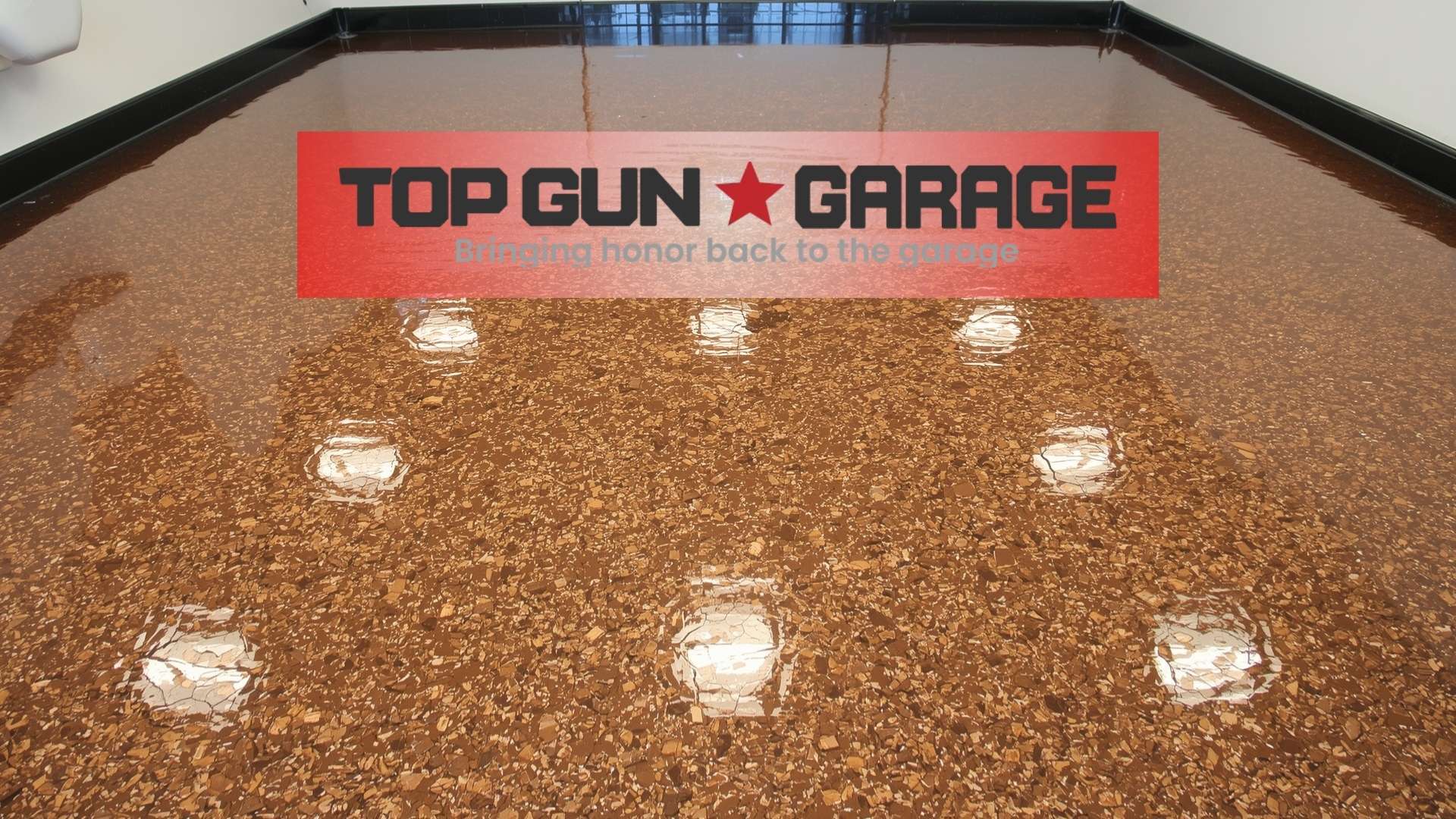
Polyurea and polyaspartic coating systems offer superior flexibility that accommodates minor substrate movement without cracking, making them ideal for garage floors with repaired cracks in climates experiencing significant thermal cycling. The elastomeric properties of these systems bridge small imperfections and tolerate slight crack movement that would fracture rigid epoxy coatings. Full-flake epoxy systems with polyurea topcoats combine the best attributes—strong epoxy base coat for adhesion and durability with flexible polyurea surface layer resisting crack telegraphing.
Cost Implications of Crack Repair
Crack repair significantly impacts overall garage floor coating costs, with repair expenses ranging from $200-$500 for simple hairline crack filling to $1,500-$3,000 for extensive structural repairs involving epoxy injection and slab stabilization. Professional contractors provide itemized estimates breaking down crack repair costs separately from coating installation, allowing homeowners to understand the full investment required for successful outcomes. Budget-conscious approaches sometimes focus on repairing only the most severe cracks while accepting that minor hairline fissures may show slight telegraphing through thinner coating systems.
The cost-benefit analysis of repair versus replacement becomes relevant when crack damage exceeds 20-30% of floor area or when structural issues demand foundation work approaching the cost of new concrete installation. In some cases, complete slab replacement provides better long-term value than extensive patching and repair, particularly when underlying problems will continue creating new cracks regardless of repair quality. Professional contractors help homeowners evaluate these tradeoffs, comparing repair costs, expected coating lifespan over repaired concrete, and new slab installation expenses to determine the most economical solution.
Timeline Expectations for Crack Repair and Coating
Crack repair adds 1-3 days to standard coating installation timelines depending on repair method complexity and required curing times. Epoxy injection repairs typically need 24-48 hours full cure before surface preparation can proceed, while polyurea crack fillers may cure within hours allowing same-day grinding and coating. Understanding cure times helps homeowners plan garage access during projects, as rushed timelines compromising repair curing lead to coating failures within months.
Professional installers schedule crack assessment and repair as distinct phases from coating application, ensuring adequate time for moisture testing, repair material curing, and surface preparation between steps. Some projects require the installation sequence to proceed over several weeks when extensive crack repairs need complete curing, moisture levels require reduction time, or weather conditions affect outdoor-influenced garage temperatures and humidity. Homeowners benefit from understanding that proper crack repair cannot be rushed—shortcuts in curing time, surface preparation, or moisture management guarantee coating failure requiring complete removal and reinstallation.
Professional Assessment Benefits
Hiring experienced contractors for crack evaluation provides expertise identifying underlying causes that DIY assessments often miss. Professional installers recognize crack patterns indicating foundation settlement, poor construction practices, or ongoing structural movement that will destroy coating systems regardless of repair quality. Their experience prevents wasted investment in coating projects doomed to fail, recommending structural repairs or concrete replacement when crack conditions exceed coating viability.
Professional contractors also maintain relationships with structural engineers, foundation specialists, and concrete testing laboratories, facilitating comprehensive evaluations when crack patterns suggest serious problems. Hiring qualified contractors ensures access to proper equipment for crack repair—epoxy injection systems, diamond grinders, moisture testing tools—and expertise using these tools effectively. The peace of mind from professional assessment and repair, backed by comprehensive warranties covering both crack repairs and coating installation, far exceeds the risks of DIY attempts that may fail within months.
Maintenance Considerations for Coated Repaired Concrete
Garage floors with repaired cracks require slightly more attentive maintenance monitoring to ensure repairs remain stable and coating adhesion stays intact. During the first 6-12 months after coating installation, homeowners should inspect repaired crack locations monthly, watching for any signs of telegraphing, coating separation, or crack reopening. Proper maintenance protocols during the initial curing period protect the coating investment and allow early detection of any repair failures requiring warranty claims.
Long-term maintenance focuses on preventing conditions that stress repaired cracks—avoiding impacts from dropped tools or equipment in crack zones, maintaining stable garage temperatures and humidity when possible, and addressing any moisture infiltration immediately. Coatings over repaired concrete typically perform identically to coatings over pristine slabs when repairs are executed properly, but the repair zones represent slightly higher risk areas deserving extra attention during routine floor inspections.
Frequently Asked Questions
Can you apply epoxy directly over cracked concrete? No, cracks must be properly repaired and surface prepared before epoxy application. Coating over unrepaired cracks causes telegraphing, delamination, and premature failure. Professional crack filling, epoxy injection, or routing and sealing creates stable substrate conditions necessary for successful coating adhesion.
What size cracks are too large for epoxy coating? Cracks exceeding 1/4 inch width or showing vertical displacement require professional structural assessment before coating consideration. Active cracks continuing to widen, settlement cracks, or pattern cracking indicating widespread concrete deterioration may need replacement rather than cosmetic coating.
How do professionals repair concrete cracks before coating? Methods include epoxy injection for structural cracks, polyurea filling for flexible repairs, routing and sealing for surface cracks, and full-depth patching for severe damage. Repair selection depends on crack width, depth, movement potential, and structural significance.
Will repaired cracks show through epoxy coating? Properly repaired and ground cracks should not show through quality coating systems. However, inadequate repair, insufficient surface profiling, or using rigid coatings over flexible crack fillers can cause telegraphing where crack patterns become visible through the finished coating.
How long does crack repair take before coating? Epoxy injection repairs require 24-48 hours curing before surface preparation begins. Polyurea fillers may cure within hours. Complete crack repair and coating projects typically extend installation timelines by 1-3 days compared to coating pristine concrete.
Do crack repairs affect coating warranty coverage? Professional contractors typically warranty both crack repairs and coating installation when performed by their company. Warranties should specify coverage for crack repair failures, coating delamination at repair sites, and crack reappearance. DIY crack repairs often void professional coating warranties.
Can moisture cause concrete cracks to affect coating? Yes, moisture migrates through cracks at rates 300-400% higher than intact concrete, causing coating delamination. Moisture testing around crack locations is essential. Elevated vapor transmission requires moisture barriers even when cracks are properly repaired.
Should I repair all cracks before coating? All cracks wider than 1/16 inch should be repaired. Even hairline cracks benefit from filling to prevent moisture infiltration and coating delamination. Professional assessment identifies which cracks require simple filling versus extensive structural repair.
What happens if cracks reappear after coating? Crack reappearance indicates inadequate initial repair, ongoing structural movement, or foundation problems. Quality warranties cover crack repair failures. Active settlement or structural issues may require coating removal, proper foundation repair, and complete floor system reinstallation.
How much does crack repair add to coating costs? Simple hairline crack filling adds $200-$500 to project costs. Extensive structural repairs involving epoxy injection and stabilization can add $1,500-$3,000. Repair costs depend on crack quantity, severity, and required methods. Professional estimates itemize crack repair separately from coating installation.
Conclusion
Successfully coating cracked concrete requires comprehensive crack assessment, appropriate repair methodology, thorough surface preparation, and moisture management but when executed properly, delivers beautiful, durable garage floors lasting 10-15 years. The key lies in understanding that crack repair isn’t optional or cosmetic but rather a foundational requirement preventing coating failure. Professional contractors bring expertise identifying crack causes, selecting repair methods matching crack severity, and preparing surfaces that allow coating systems to perform as designed. While crack repair increases project costs and timelines, the investment protects against premature coating failure and ensures the finished floor meets expectations for appearance, durability, and longevity.
Top Gun Garage specializes in comprehensive crack assessment and repair, preparing damaged concrete for coating systems that perform beautifully for years. Contact us for a detailed evaluation and discover how our proven repair protocols transform cracked garage floors into stunning, durable surfaces backed by comprehensive warranties covering both repairs and coating installation.