 Skip to content



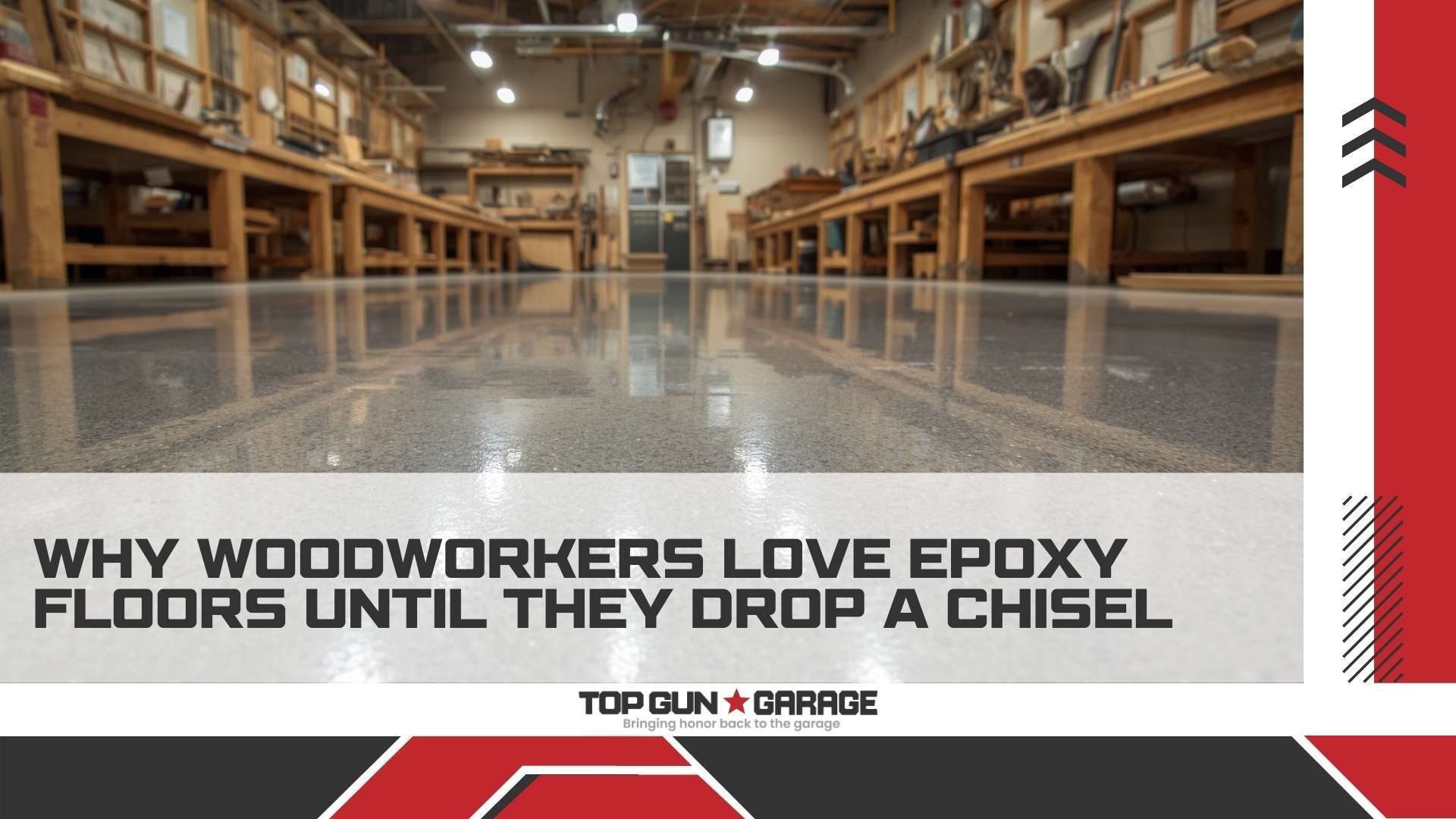
Professional and hobbyist woodworkers initially embrace woodworking shop floor coating solutions like epoxy for their smooth surfaces, easy cleanup, and attractive appearance that transforms dusty workshops into professional-grade spaces. Epoxy floors deliver exceptional dust control by sealing porous concrete, preventing fine sawdust from becoming airborne during sweeping, and creating surfaces that vacuum systems clean efficiently. However, the honeymoon period ends abruptly when heavy tools, sharp chisels, or cast iron equipment impact the floor—revealing epoxy’s vulnerability to chipping, cracking, and permanent damage that undermines its initial appeal.
Overview
This comprehensive guide examines the complex relationship between woodworkers and epoxy floor coatings, exploring both the genuine advantages that make epoxy popular in workshops and the critical limitations that cause frustration over time. You’ll discover how epoxy performs under daily woodworking activities, why impact damage occurs so frequently, how staining from wood finishes affects appearance, what alternatives offer better durability, and which coating characteristics truly matter for workshop environments. We’ll also cover maintenance requirements, cost considerations, installation factors, and practical solutions that help woodworkers make informed flooring decisions aligned with their actual shop conditions and usage patterns.
Key Takeaways
-
Epoxy floors excel at dust control and easy cleanup but chip easily when tools or equipment drop onto the surface
-
Standard epoxy coatings stain permanently from wood stains, oils, and finishing products despite claims of chemical resistance
-
Polyurea and polyaspartic systems offer superior impact resistance and faster cure times better suited for workshop environments
-
Proper surface preparation and coating thickness significantly affect long-term performance and damage resistance
-
Budget DIY epoxy kits fail faster than professional-grade systems, especially under heavy workshop use
-
Crack repair and concrete condition assessment prove critical before any coating application
-
Realistic expectations about coating limitations prevent disappointment and costly repairs
Why Woodworkers Initially Choose Epoxy Floors
Workshop owners researching flooring options encounter overwhelming marketing emphasizing epoxy’s benefits—glossy finishes, chemical resistance, and professional appearance that rivals commercial facilities. The visual transformation from stained, dusty concrete to gleaming showroom-quality floors creates immediate appeal, especially for woodworkers establishing dedicated shop spaces or upgrading existing workshops. Epoxy’s reputation for easy maintenance resonates with craftspeople who prefer spending time building rather than cleaning, as sealed surfaces promise quick sweeping and mopping instead of concrete’s perpetual dust generation.
Cost considerations also drive initial epoxy adoption, with DIY kits available at home improvement stores for $200-$500 for standard garage-sized workshops. These entry-level options seem budget-friendly compared to professional installations costing $3-$8 per square foot, tempting woodworkers to tackle installation themselves. The promise of chemical resistance appeals to those working with wood stains, polyurethane finishes, and solvents, while promotional materials showcase beautiful decorative flake finishes that elevate workshop aesthetics beyond utilitarian concrete.
The Epoxy Honeymoon Period
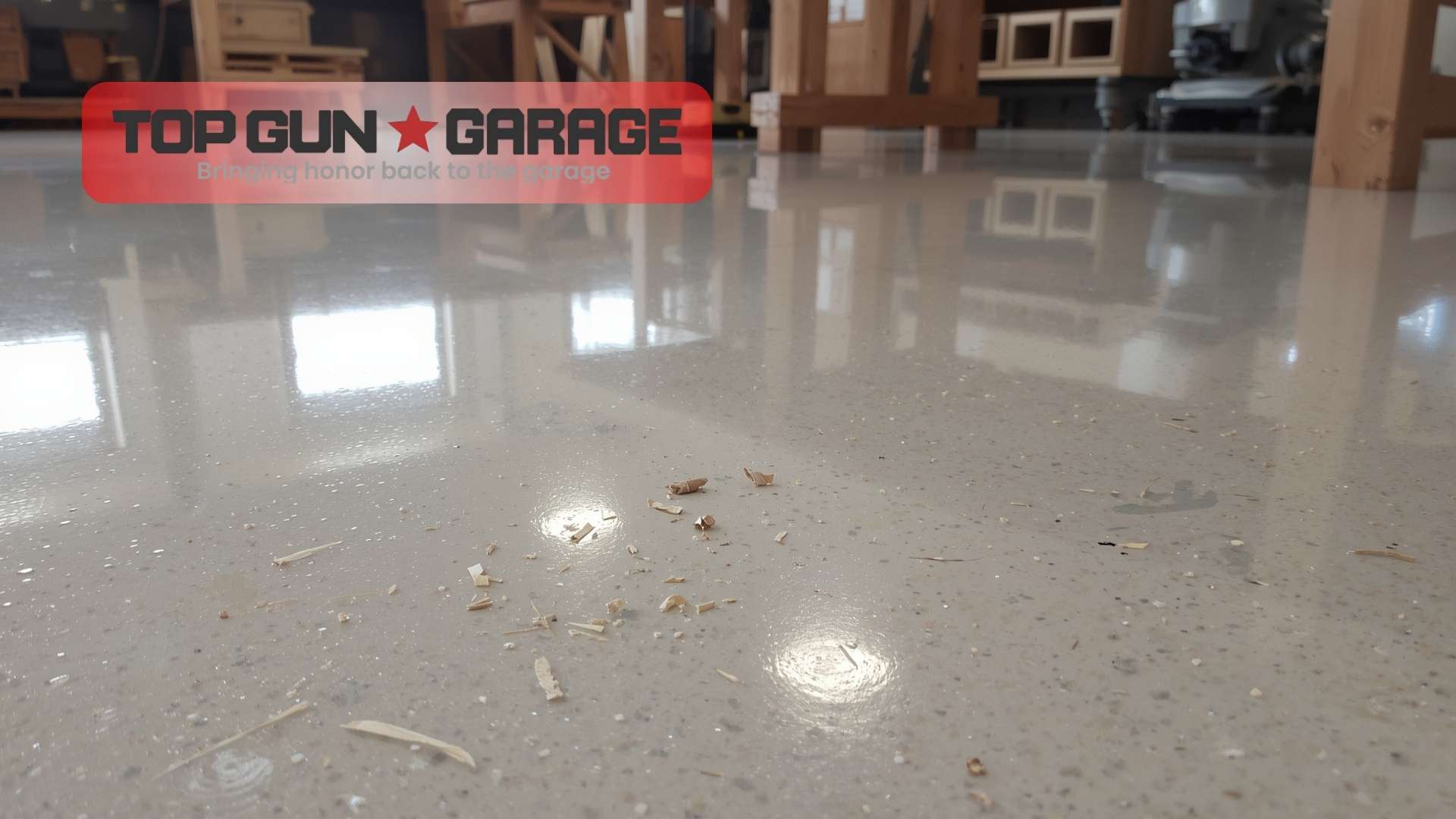
During the first weeks after installation, epoxy floors deliver on many promises—sawdust sweeps effortlessly, spilled glue wipes up cleanly, and the smooth surface makes rolling heavy equipment noticeably easier than rough concrete. Woodworkers appreciate how dust collection systems work more effectively because sealed epoxy prevents fine particles from embedding in porous concrete and releasing during air movement. The glossy finish reflects overhead lighting, improving workspace visibility and reducing eye strain during detailed work.
Shop tours and social media posts showcase pristine epoxy floors, reinforcing the decision and generating compliments from fellow woodworkers. The coating’s seamless appearance creates clean backgrounds for project photography, while visitors frequently comment on the professional presentation. For several months, the floor performs admirably during normal activities like lumber storage, assembly work, and hand tool use, building confidence that the investment was worthwhile.
When Reality Hits the Floor
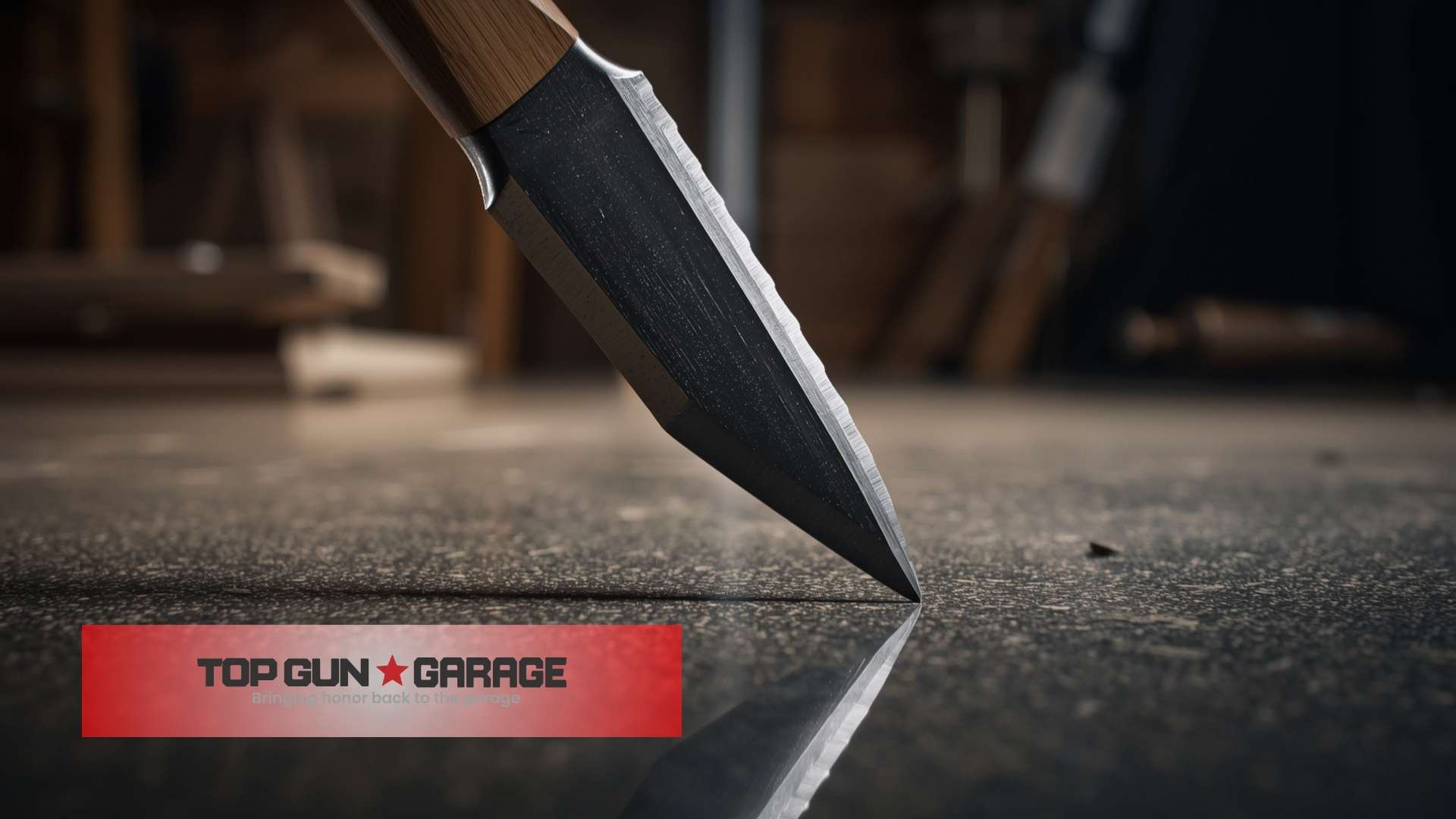
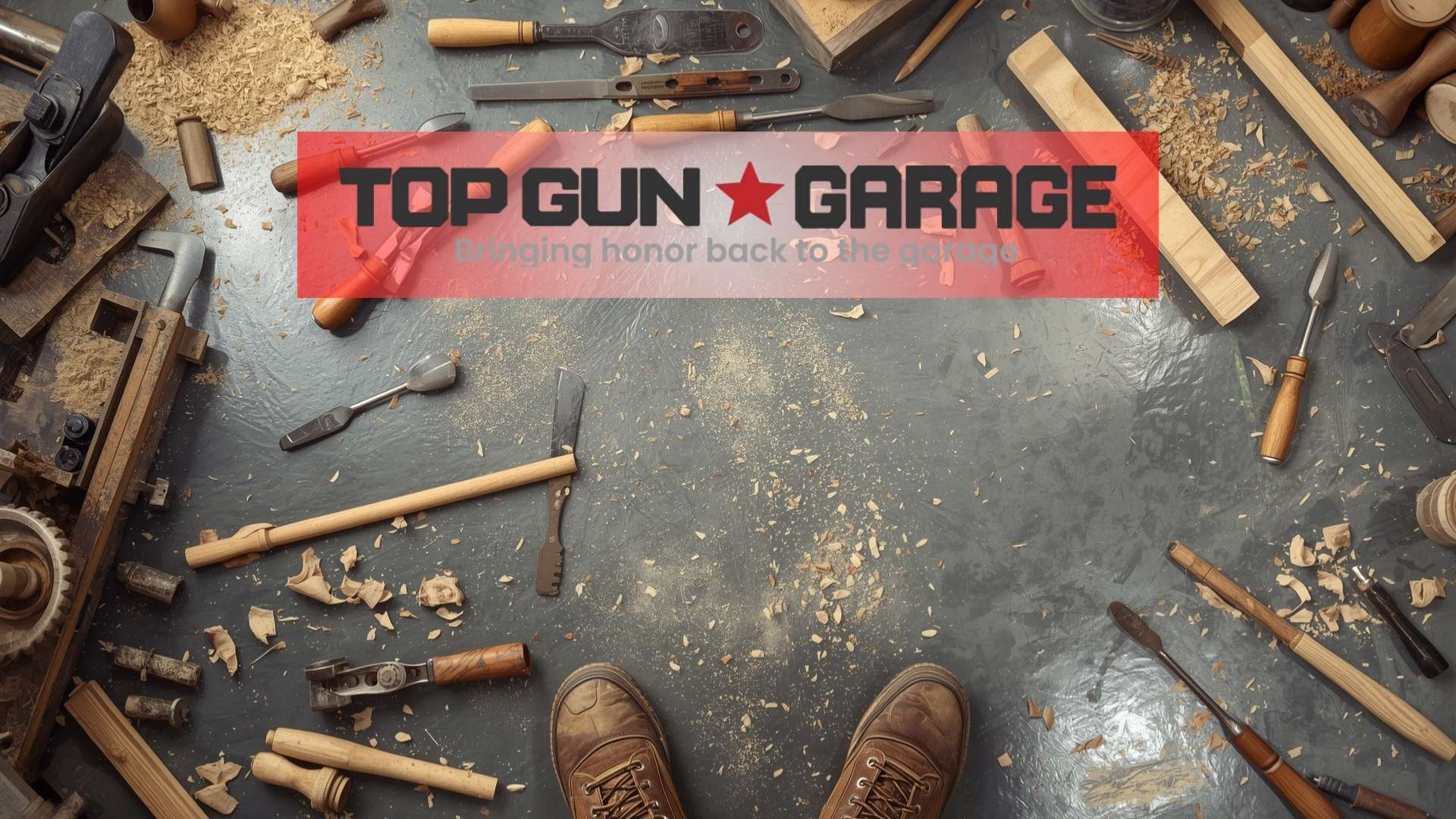
The relationship between woodworkers and epoxy floors changes dramatically the first time a heavy object impacts the surface. Dropped chisels, fallen clamps, or accidentally knocked-over tool stands create chips that penetrate completely through the coating, exposing bare concrete beneath. Unlike minor scratches that blend into decorative flakes, these chips become permanent visual reminders that epoxy lacks the impact resistance marketing materials implied.
Cast iron table saw extensions sliding off workbenches, dropped drill presses during shop reorganization, or tipped router tables during movement cause coating damage far exceeding what homeowners experience in residential garages. The rigid, glass-like nature of cured epoxy means it shatters rather than flexes when subjected to concentrated force, creating crater-like damage that collects sawdust and becomes increasingly noticeable. Attempting repairs reveals another frustration—patched areas rarely match the original finish color or gloss level, creating permanent blemishes that contradict epoxy’s “easy maintenance” reputation.
Impact Damage: The Achilles Heel
Woodworking environments subject floors to impact scenarios rarely encountered in typical garage applications. Hand planes accidentally knocked from benches, dropped mortising chisels, or rolling tool carts hitting obstacles create point-load impacts that exceed epoxy’s tensile strength. The coating’s hardness—often promoted as a benefit—becomes a liability because rigid materials lack energy-absorbing flexibility that would distribute impact forces.
Professional woodworkers report that high-traffic workshop areas near primary workbenches develop multiple chips within the first year, undermining the floor’s appearance and creating trip hazards where coating edges lift. The problem intensifies with cheaper DIY epoxy kits that cure thinner and more brittle than professional-grade systems, failing under impacts that industrial coatings might withstand. Coating thickness plays a critical role—budget installations applying 5-10 mil coatings chip far more readily than professional applications achieving 20-40 mil thickness through multiple layers and proper build.
Staining Issues Woodworkers Face
Despite marketing claims about chemical resistance, standard epoxy floors stain permanently when exposed to common woodworking products. Walnut sawdust contains natural tannins that penetrate epoxy’s surface, creating brown discoloration that resists all cleaning attempts. Oil-based wood stains, if left on epoxy for 15-20 minutes, etch into the coating’s top layer, leaving permanent shadows that accumulate over time into unsightly patterns.
Polyurethane spills during finishing work create sticky residues that attract sawdust, forming textured patches that disrupt the smooth surface. Mineral spirits and lacquer thinners used for cleanup actually soften some epoxy formulations, allowing contaminants to penetrate deeper than surface contact would suggest. The cumulative effect of multiple staining incidents transforms initially pristine floors into mottled surfaces showing every finishing mistake, wood stain experiment, and cleanup oversight from months or years of workshop activity.
Chemical Resistance Reality Check
Epoxy manufacturers advertise broad chemical resistance, but this often refers to brief contact with diluted substances rather than concentrated woodworking products. Gel stains containing heavy pigment loads etch into epoxy within 30 minutes, while concentrated ammonia-based cleaners can dull the finish or cause clouding. Paint strippers and powerful solvents used for tool cleaning attack epoxy’s polymer structure, creating soft spots that attract dirt and appear as dark patches.
The distinction between industrial-grade epoxy and consumer products becomes apparent through chemical exposure—professional coatings formulated for manufacturing facilities withstand harsher substances than home-improvement-store kits designed primarily for aesthetic garage floors. Woodworkers discover this difference too late, after staining incidents reveal their coating’s limitations. Even premium epoxy systems struggle with prolonged exposure to the complex chemical mixtures found in modern wood finishes, especially water-based polyurethanes and catalyzed lacquers containing aggressive solvents.
Dust and Sawdust Management Benefits
Epoxy floors genuinely excel at dust control, one area where performance matches marketing promises. Sealed concrete surfaces prevent fine sawdust from embedding in concrete pores and releasing continuously during foot traffic or air movement. This benefit proves especially valuable for woodworkers with dust allergies or those maintaining clean environments for finishing work requiring dust-free conditions.
The smooth epoxy surface allows dust collection equipment to capture particles more efficiently since sawdust rests on top of the coating rather than settling into concrete’s rough texture. Daily cleanup becomes faster—five minutes of sweeping accomplishes what previously required 15-20 minutes on bare concrete. This time savings and improved air quality represent epoxy’s most significant ongoing advantages, partially offsetting frustrations with impact damage and staining.
Maintenance Requirements Nobody Mentions
Epoxy floor marketing emphasizes “easy maintenance,” but workshops require more intensive care than promotional materials acknowledge. Monthly deep cleaning with pH-neutral cleaners maintains gloss and prevents buildup, while immediate cleanup of any staining substances becomes mandatory to avoid permanent discoloration. The glossy finish that initially impressed shows every footprint, sawdust trail, and dirt particle, requiring more frequent cleaning than expected to maintain showroom appearance.
Damaged areas need prompt repair to prevent moisture intrusion beneath the coating, which causes delamination spreading beyond the original chip. Finding matching repair materials proves challenging since epoxy colors and flake patterns vary between batches and manufacturers. Many woodworkers resort to full recoating every 3-5 years to address accumulated damage and staining, transforming the “one-time investment” into a recurring expense that wasn’t budgeted initially.
Temperature Sensitivity in Workshop Environments
Unheated workshops experience temperature fluctuations that affect epoxy performance in ways residential garages avoid. Winter temperatures below 50°F cause some epoxy formulations to become more brittle, increasing susceptibility to impact damage during cold-weather projects. Summer heat exceeding 85°F can slightly soften epoxy surfaces, allowing heavy equipment to create indentations or drag marks that become permanent once temperatures drop.
The concrete substrate’s thermal expansion and contraction cycles stress rigid epoxy coatings, sometimes causing hairline cracks that propagate into larger failures. This problem intensifies in regions with significant seasonal temperature swings, where workshops might see 70-80°F variations between winter and summer. Professional installers recommend climate-controlled environments for optimal epoxy longevity, advice that contradicts most workshop realities where heating and cooling are minimal or absent.
Better Alternatives for Workshop Flooring
Polyurea and polyaspartic floor coatings offer superior impact resistance through flexible polymer chemistry that absorbs force rather than shattering like rigid epoxy. These advanced systems cost 30-50% more than epoxy but deliver significantly longer service life in demanding workshop environments. The flexibility allows polyurea to withstand dropped tools and rolling equipment that would chip standard epoxy, while faster cure times minimize workshop downtime during installation.
Some woodworkers choose industrial-grade epoxy systems with polyurea or polyaspartic topcoats, combining epoxy’s cost-effectiveness for base layers with advanced materials’ superior surface durability. Quartz broadcast systems provide excellent impact resistance and slip resistance, though the textured surface complicates cleanup compared to smooth epoxy. Polished concrete represents another option—while lacking epoxy’s chemical resistance, it withstands impacts far better and develops character through wear rather than appearing damaged.
Installation Factors That Determine Success
Surface preparation determines 70% of coating success, yet DIY woodworkers frequently underestimate its importance and skip critical steps. Professional installation requires diamond grinding concrete to create proper surface profile for mechanical bonding, repairing all cracks and spalls, and testing for moisture vapor transmission that causes delamination. Cutting these corners to save money creates weak adhesion that fails within months, especially in Florida’s high-humidity conditions.
Application thickness dramatically affects durability—professional installations build 20-40 mil coating systems through multiple layers, while DIY kits often achieve only 5-10 mils that chip far more easily. Proper curing requires specific temperature and humidity conditions; deviations cause incomplete hardening that reduces chemical resistance and impact strength. Understanding why installation sequences cannot be rushed prevents the common mistake of attempting shortcuts that compromise long-term performance.
Cost-Benefit Analysis for Workshop Use
Budget DIY epoxy kits costing $300-$500 seem economical until factoring in recoating needs every 3-5 years plus ongoing repair expenses for impact damage. Professional epoxy installations at $3-$6 per square foot deliver better durability but still face the same fundamental impact and staining limitations. Premium polyurea systems at $5-$10 per square foot cost more upfront but typically last 10-15 years in workshops with minimal maintenance, potentially offering better lifetime value.
The calculation shifts when considering downtime costs—workshop recoating requires clearing the entire space, moving heavy equipment, and losing 3-7 days of productivity during installation and curing. For professional woodworkers, this lost time costs more than flooring materials, making long-lasting solutions more economical despite higher initial investment. Hobbyists might accept cheaper epoxy’s limitations, planning to live with cosmetic damage that professionals cannot tolerate in client-facing workshops.
Making Epoxy Work in Workshops
Woodworkers committed to epoxy can improve performance through strategic approaches that acknowledge coating limitations. Installing industrial-grade systems rather than consumer products provides better chemical resistance and impact tolerance, though at significantly higher cost. Applying protective mats under stationary equipment and high-traffic areas prevents most impact damage, while strict protocols for immediate cleanup of staining substances minimize discoloration.
Accepting that epoxy shows wear and treating the floor as a working surface rather than showpiece reduces frustration when damage occurs. Some woodworkers embrace the patina that develops, viewing chips and stains as evidence of productive work rather than cosmetic flaws. Regular maintenance using appropriate cleaning methods and scheduled recoating every 5-7 years maintains functionality even as appearance deteriorates, transforming epoxy from a permanent solution into a renewable workshop surface.
Frequently Asked Questions
Why does epoxy chip so easily when tools drop? Epoxy’s rigid, glass-like structure cannot absorb impact energy, causing it to shatter under concentrated force from dropped tools. Thin DIY applications chip more readily than professional 20-40 mil systems, but even thick epoxy cannot match flexible polyurea’s impact resistance in demanding workshop environments.
Can epoxy floors handle wood stain spills? Standard epoxy offers limited stain resistance—oil-based stains penetrate if left 15-20 minutes, while walnut tannins create permanent brown discoloration. Industrial epoxy formulations resist staining better than consumer products, but immediate cleanup remains essential for all epoxy types to prevent permanent marks.
How long do epoxy floors last in woodworking shops? Professional epoxy installations typically last 5-8 years in active workshops before accumulated damage necessitates recoating, while DIY kits often fail within 2-4 years. Impact damage, chemical exposure, and temperature fluctuations accelerate wear compared to residential garage applications where epoxy might last 10-15 years.
Is polyurea better than epoxy for workshop floors? Yes, polyurea offers superior impact resistance, flexibility, and faster curing better suited for demanding workshop use. The 30-50% cost premium over epoxy pays dividends through longer service life, reduced damage susceptibility, and better chemical resistance to wood finishing products.
What floor coating resists impacts best? Polyurea and polyaspartic systems provide the best impact resistance through flexible polymer chemistry, while quartz broadcast systems offer excellent durability with textured surfaces. Polished concrete withstands impacts well but lacks chemical resistance, making hybrid systems combining epoxy base with polyurea topcoat optimal for workshops.
How thick should workshop epoxy be? Professional workshop installations should achieve 20-40 mils total thickness through multiple layers including primer, base coat, and topcoat. Thicker coatings resist impacts and wear better than thin 5-10 mil DIY applications, though no epoxy thickness matches polyurea’s inherent flexibility and damage resistance.
Can I repair chipped epoxy myself? Small chips can be patched with repair kits, but color matching proves difficult and patches rarely blend seamlessly. Multiple repairs create increasingly obvious patchwork appearance, often prompting full recoating sooner than planned. Professional repair services achieve better results but add maintenance costs not anticipated initially.
Does epoxy prevent concrete dust in workshops? Yes, epoxy seals concrete pores preventing fine dust release, one of its most valuable benefits. Sealed surfaces allow dust collection systems to work more efficiently and reduce airborne particles significantly compared to bare concrete, benefiting air quality and cleanup efficiency.
What preparation does concrete need before epoxy? Proper preparation requires diamond grinding for surface profile, repairing all cracks and spalls, cleaning thoroughly, and testing moisture vapor transmission. Skipping these steps causes adhesion failure, with coatings delaminating within months especially in high-humidity environments like Florida workshops.
Are DIY epoxy kits suitable for workshops? DIY kits work for light-duty hobby shops with minimal heavy equipment, but active woodworking environments exceed their durability limits. Professional systems provide better chemical resistance, impact tolerance, and longevity justifying higher costs for serious woodworkers who rely on workshop functionality.
Conclusion
Woodworking shop floor coating decisions involve balancing initial costs against long-term performance, with epoxy offering attractive pricing and appearance that hide significant limitations for demanding workshop use. The material excels at dust control and provides easy cleanup during its prime years, but impact vulnerability and staining susceptibility create frustrations that undermine these benefits over time. Understanding epoxy’s realistic capabilities—and limitations—helps woodworkers make informed decisions, whether accepting epoxy’s tradeoffs, investing in superior polyurea systems, or implementing protective strategies that extend coating life despite inherent weaknesses.
Top Gun Garage specializes in durable coating systems designed for Southwest Florida workshops, combining proper surface preparation, industrial-grade materials, and realistic performance expectations. Contact us today to discuss polyurea, epoxy, or hybrid solutions tailored to your specific workshop needs and usage patterns.