 Skip to content



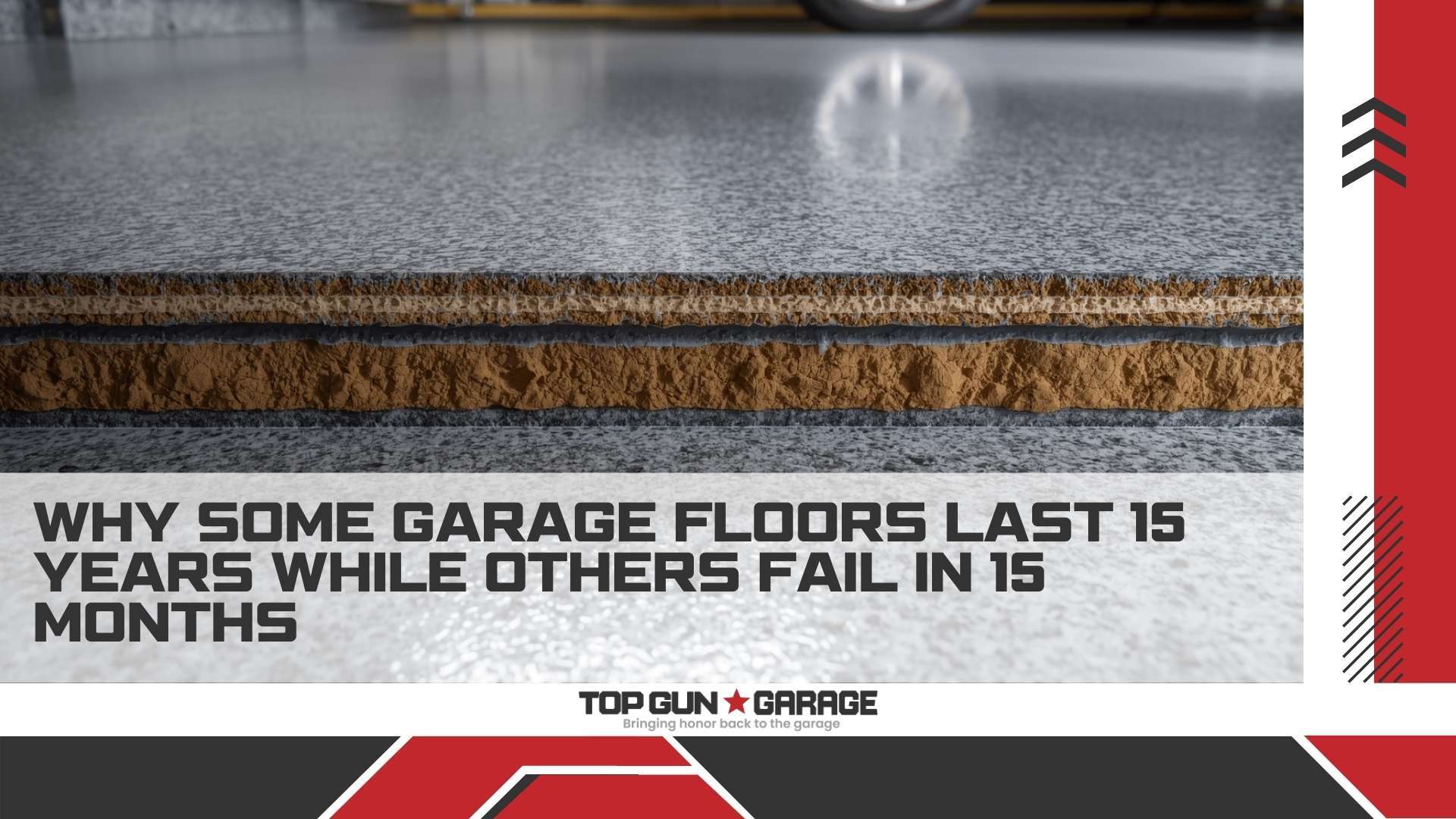
The difference between a garage floor coating that lasts 15 years and one that fails within 15 months comes down to three critical factors: installation quality, material selection, and environmental preparation. Professional installations using 100% solids epoxy systems with proper surface preparation and moisture barriers typically deliver 15-25 years of service life, while DIY kits or budget contractor applications often begin deteriorating within 2-5 years. Understanding how long professional epoxy lasts requires examining the molecular bonding process, substrate preparation standards, coating thickness requirements, and climate-specific challenges that separate premium installations from premature failures. This comprehensive guide reveals why professional epoxy garage floors outperform amateur applications by 300-500%, what specific factors determine longevity, and how homeowners can identify quality installations that protect their investment for decades rather than months.
Overview
This article explores the dramatic lifespan differences between professionally installed garage floor coatings and substandard applications. You’ll discover the science behind epoxy adhesion, learn why surface preparation determines 70-80% of coating success, understand material quality differences between DIY kits and professional systems, examine environmental factors that accelerate or prevent failure, and gain actionable knowledge to ensure your garage floor investment delivers maximum longevity and performance.
Key Takeaways
-
Professional 100% solids epoxy systems last 15-25 years while DIY kits typically fail within 2-5 years
-
Surface preparation quality determines 70-80% of coating longevity and adhesion success
-
Coating thickness of 20-30 mils versus 4 mils separates professional installations from DIY applications
-
Moisture testing and vapor barriers prevent the most common cause of premature delamination
-
Climate-appropriate coating selection and UV-stable topcoats extend lifespan in harsh environments
-
Regular maintenance and proper cleaning protocols can add 5-10 years to coating life
-
Professional installation costs more upfront but delivers 3-5x longer service life than budget options
Understanding Professional Epoxy Lifespan
Professional garage floor coatings using 100% solids epoxy formulations typically last 15-25 years in residential settings with proper installation and maintenance. These systems achieve exceptional longevity through multi-layer application processes that include industrial-grade primers, thick base coats, decorative broadcasts, and protective polyaspartic or urethane topcoats designed to resist UV degradation, chemical damage, and abrasion. The molecular bonding between properly prepared concrete and professional epoxy creates a permanent chemical adhesion that transforms the coating into part of the floor structure rather than a temporary surface treatment.
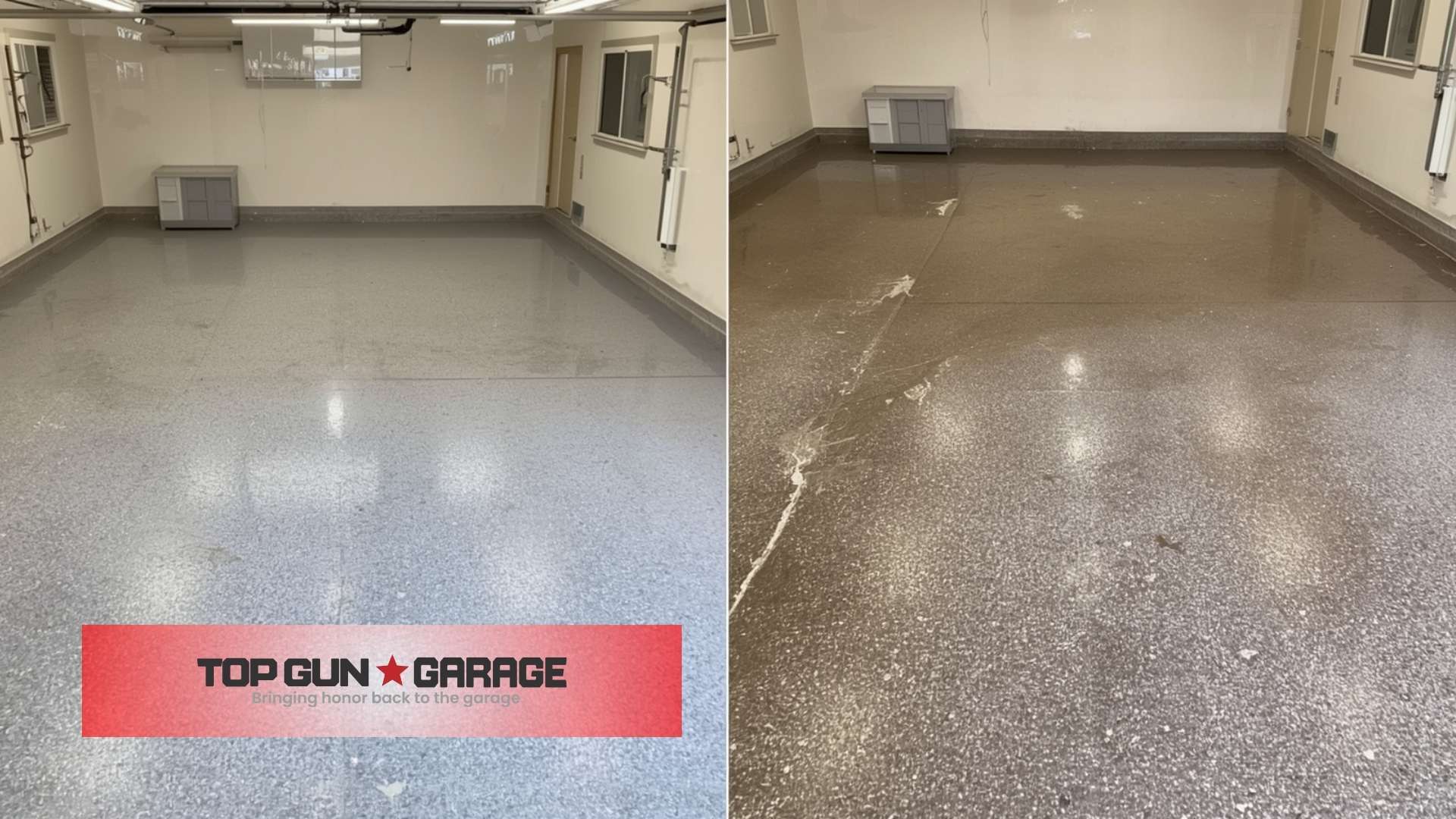
Commercial and industrial environments with heavy equipment traffic, forklift operations, and constant vehicle movement see shorter lifespans of 5-10 years, though this still represents exceptional durability compared to alternative flooring options. The key differentiator lies in coating thickness—professional systems apply 20-30 mils or more of epoxy compared to the 4 mil coverage typical of DIY kits. This substantial thickness provides a wear layer that maintains protective properties even after years of daily use, while thin coatings quickly wear through to bare concrete.
High-performance systems incorporating polyurea basecoats and UV-stable topcoats can extend lifespans to 20-30+ years even in challenging environments with extreme temperatures, humidity, and direct sunlight exposure. These advanced formulations resist the hot tire pickup, yellowing, and delamination issues that plague basic epoxy systems, justifying their higher initial investment through dramatically extended service life.
Why DIY Epoxy Fails Quickly
Water-based DIY epoxy kits purchased from hardware stores typically fail within 2-5 years due to fundamental limitations in coating thickness, adhesion strength, and material quality. These consumer-grade products apply at thickness levels of 2-4 mils—barely thicker than paint—providing minimal wear resistance and inadequate protection against moisture intrusion, chemical exposure, and thermal stress. The thin coating quickly develops microscopic cracks and wear patterns that compromise the entire system’s integrity.
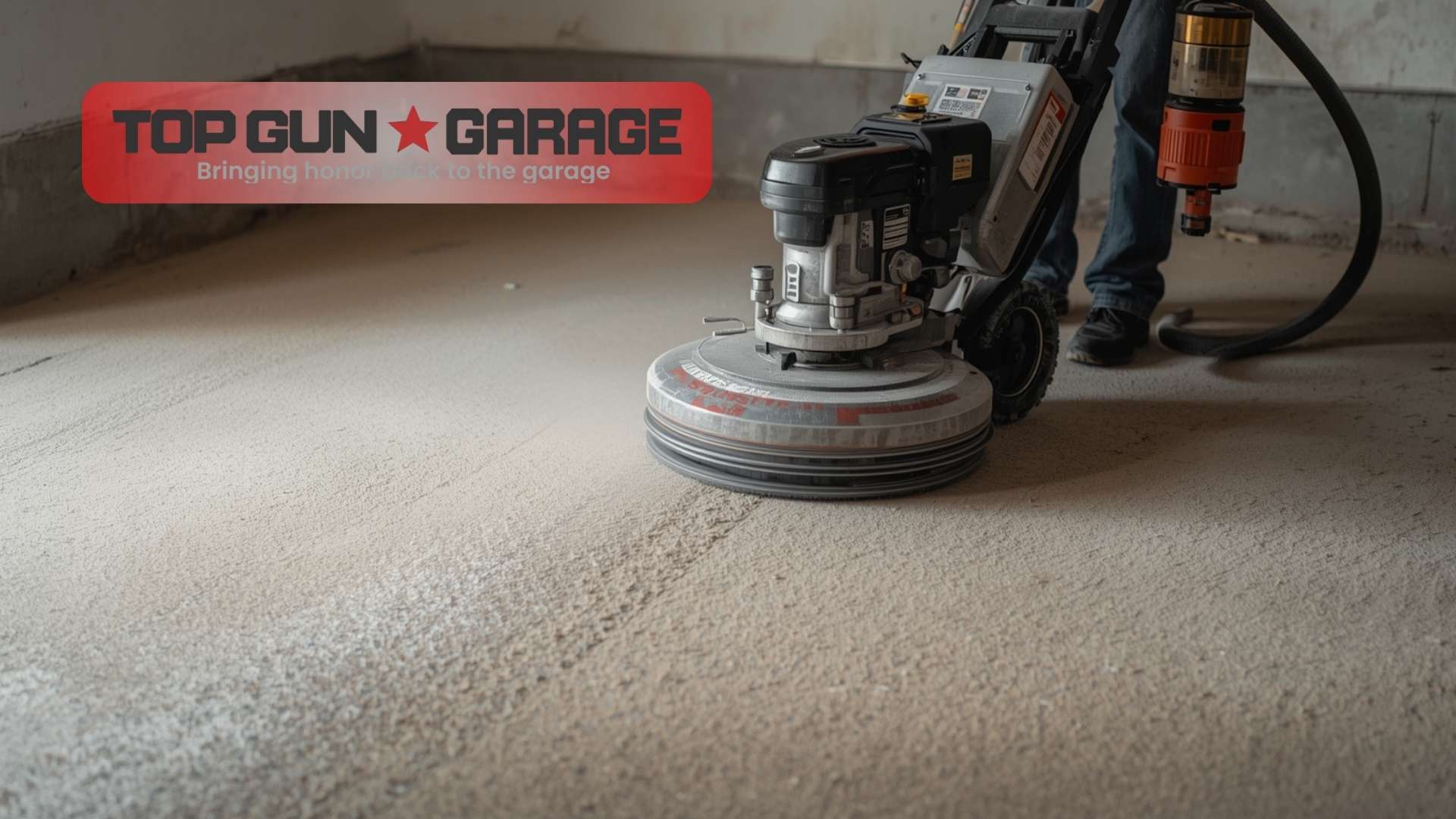
Surface preparation represents the most common failure point for DIY installations, as homeowners typically lack the specialized equipment needed to properly profile concrete surfaces. Without diamond grinding or shot blasting to open concrete pores and create adequate surface profile, epoxy cannot achieve the mechanical and chemical bonding required for permanent adhesion. Simple acid etching or degreasing—the preparation methods DIY kits recommend—proves insufficient for creating bonds that withstand thermal cycling, moisture vapor transmission, and daily vehicle traffic.
DIY kits also omit critical moisture testing and vapor barrier applications that prevent the most common cause of coating failure in humid climates. Concrete slabs continuously emit moisture vapor that builds pressure beneath coatings, eventually causing bubbling, peeling, and widespread delamination within 12-24 months of installation. Professional installers use moisture testing protocols to identify problematic slabs and apply specialized primer systems that block vapor transmission before decorative coats are applied.
Surface Preparation Determines Longevity
Proper concrete surface preparation accounts for 70-80% of coating longevity and represents the single most critical factor separating successful installations from premature failures. Professional contractors use diamond grinding equipment to create Concrete Surface Profile (CSP) levels of 2-3, removing laitance, sealers, contaminants, and opening concrete pores to depths of 1/16 inch or more for optimal mechanical bonding. This aggressive preparation ensures epoxy penetrates into the concrete matrix rather than simply sitting on the surface where it can easily delaminate.
Thorough cleaning following mechanical preparation removes concrete dust, oils, previous coatings, and chemical residues that would prevent proper adhesion. Professional installers vacuum surfaces multiple times, follow with solvent wipes, and perform water break tests to confirm complete contamination removal before applying any coating materials. This meticulous attention to cleanliness eliminates the most common cause of “fisheye” defects and random adhesion failures that appear months after installation.
Crack repair and concrete patching must occur before coating application to prevent cracks from propagating through epoxy systems and creating failure points. Professional contractors address concrete spalling, settlement cracks, and structural deficiencies using appropriate repair materials that bond seamlessly with surrounding concrete. Ignoring these substrate issues ensures coating failure regardless of material quality or application technique.
Moisture and Climate Impact
High humidity environments and concrete slabs with elevated moisture vapor emission rates cause more premature coating failures than any other factor. Moisture vapor continuously moves through concrete due to hydrostatic pressure, attempting to escape through the surface where floor coatings block its path. When vapor pressure exceeds coating adhesion strength, bubbling and delamination occur rapidly—often within 6-12 months in humid coastal regions. Professional installers perform moisture testing using calcium chloride tests or relative humidity probes to identify problematic slabs before coating application.
Coastal environments and Florida’s unique climate conditions accelerate coating degradation through combined effects of high humidity, salt exposure, intense UV radiation, and extreme temperature fluctuations. Standard epoxy formulations designed for moderate climates fail rapidly when exposed to these harsh conditions without proper protective topcoats and moisture management systems. Climate-appropriate coating selection using UV-stable formulations and moisture-blocking primers extends lifespan from 3-5 years to 15-20 years in these challenging environments.
Temperature extremes create thermal stress as concrete and coatings expand and contract at different rates. Rigid epoxy systems develop microcracks from repeated thermal cycling, while flexible polyurea formulations accommodate substrate movement without compromising coating integrity. Garages in regions with harsh winters and hot summers require coating systems engineered to handle temperature swings of 100°F or more without degradation.
Material Quality and Coating Systems
The chemical composition and solids content of epoxy formulations dramatically affect longevity and performance characteristics. Water-based epoxy products contain only 30-50% solids, with the remainder consisting of water that evaporates during curing, leaving a thin, weak coating with limited durability. Professional 100% solids epoxy systems contain no fillers or solvents, applying at full thickness and curing into dense, hard coatings that resist wear, chemicals, and moisture penetration.
Multi-layer coating systems incorporating specialized primers, thick epoxy base coats, decorative broadcasts, and protective topcoats deliver exponentially longer lifespans than single-coat applications. The primer layer ensures adhesion to prepared concrete, the epoxy basecoat provides thickness and chemical resistance, decorative flakes add visual appeal and non-slip properties, while polyaspartic or urethane topcoats protect against UV yellowing, hot tire pickup, and surface abrasion. Each layer serves a specific function in creating a comprehensive floor protection system.
Topcoat quality represents the final critical factor in coating longevity, as this surface layer directly contacts vehicle tires, chemicals, and abrasion. Low-quality or absent topcoats allow UV radiation to yellow epoxy, permit hot tires to bond with softened surfaces, and enable chemicals to penetrate and damage base layers. Premium aliphatic polyurethane or polyaspartic topcoats provide UV stability, chemical resistance, and abrasion protection that can double or triple overall system lifespan.
Traffic Levels and Usage Patterns
Residential garages housing 2-3 vehicles with typical daily use patterns create minimal wear compared to commercial facilities with constant vehicle traffic. Professional epoxy systems easily achieve 15-25 year lifespans in residential settings, while the same coating might last only 5-10 years in high-traffic commercial environments or industrial facilities with forklift operations. Understanding expected usage allows contractors to specify appropriate coating thickness and wear resistance for each application.
Hot tire pickup represents a common premature failure mode in garages where vehicles park immediately after highway driving. Tires heated to 150-180°F by pavement friction can soften epoxy surfaces lacking adequate heat resistance, causing rubber compounds to bond permanently with the coating and create unsightly dark marks. Professional systems using polyurea basecoats or high-temperature-resistant formulations prevent this issue even in extreme summer conditions.
Workshop environments with welding operations, fabrication work, or heavy equipment storage require specialized coating formulations designed to resist sparks, grinding debris, dropped tools, and concentrated chemical exposure. Standard residential epoxy systems fail rapidly under these demanding conditions without proper material selection and increased coating thickness.
Maintenance Practices That Extend Life
Regular cleaning using pH-neutral cleaners and soft-bristle brooms removes abrasive dirt particles that gradually wear coating surfaces. Professional deep cleaning protocols performed every 3-6 months maintain coating appearance and prevent contaminant buildup that can damage protective topcoats. Avoiding harsh chemicals, acidic cleaners, and abrasive scrubbing tools prevents premature topcoat degradation.
Immediate spill cleanup prevents chemicals from penetrating coating layers and damaging underlying epoxy or concrete. Automotive fluids, battery acid, and road salt should be removed within hours of contact rather than allowed to sit for days where they can etch or discolor coating surfaces. Placing absorbent mats in high-spill areas provides additional protection and simplifies cleanup.
Periodic topcoat reapplication every 5-7 years can effectively double total system lifespan by refreshing UV protection and restoring surface hardness before base layers become exposed. This preventive maintenance costs a fraction of complete floor replacement while extending functional life from 15 years to 25-30+ years. Professional contractors offer maintenance services including inspection, cleaning, and topcoat renewal to maximize coating investment.
Installation Quality and Contractor Expertise
Contractor expertise and adherence to proper installation procedures determines whether coatings achieve their design lifespan or fail prematurely. Professional installers follow manufacturer specifications precisely, mixing ratios correctly, maintaining proper environmental conditions during application and cure, and applying coatings at specified thickness levels. DIY installations and budget contractors frequently cut corners on these critical factors, resulting in coatings that never achieve proper cure, adhesion, or protective properties.
Environmental conditions during installation and curing significantly impact final coating properties and longevity. Temperature and humidity must remain within manufacturer-specified ranges throughout the multi-day installation process, or epoxy may cure improperly with reduced strength, adhesion, and chemical resistance. Professional contractors monitor conditions continuously and postpone work when weather threatens proper curing.
Proper curing time between layers ensures each coat achieves full strength before subsequent layers are applied. Rushing installation by applying topcoats before basecoats fully cure compromises interlayer adhesion and creates weak spots prone to delamination. Following manufacturer-recommended cure schedules rather than aggressive timelines ensures maximum coating system performance.
Cost Versus Value Analysis
Initial cost differences between DIY kits ($200-$600) and professional installations ($3-$7 per square foot) often drive homeowners toward budget options without considering lifetime value. A $400 DIY coating lasting 3 years costs $133 annually, while a $3,500 professional installation lasting 20 years costs $175 annually—slightly more per year but with dramatically better performance, appearance, and convenience. Factoring in the labor, disruption, and materials required for recoating every 3 years makes professional installation the clear value choice.
Professional coatings also maintain superior appearance throughout their lifespan compared to DIY applications that begin yellowing, staining, and showing wear within the first year. The aesthetic difference matters significantly for homeowners who use garages as workshops, home gyms, or entertaining spaces where appearance affects enjoyment and home resale value. Premium garage floors can add $5,000-$10,000 to home value while providing daily use benefits.
Warranty coverage provides additional value distinction, with professional installations offering 10-15 year guarantees covering materials and labor versus DIY products with minimal or no warranty protection. Comprehensive warranties transfer risk to contractors and ensure coating performance without unexpected expense.
Recognizing Early Failure Signs
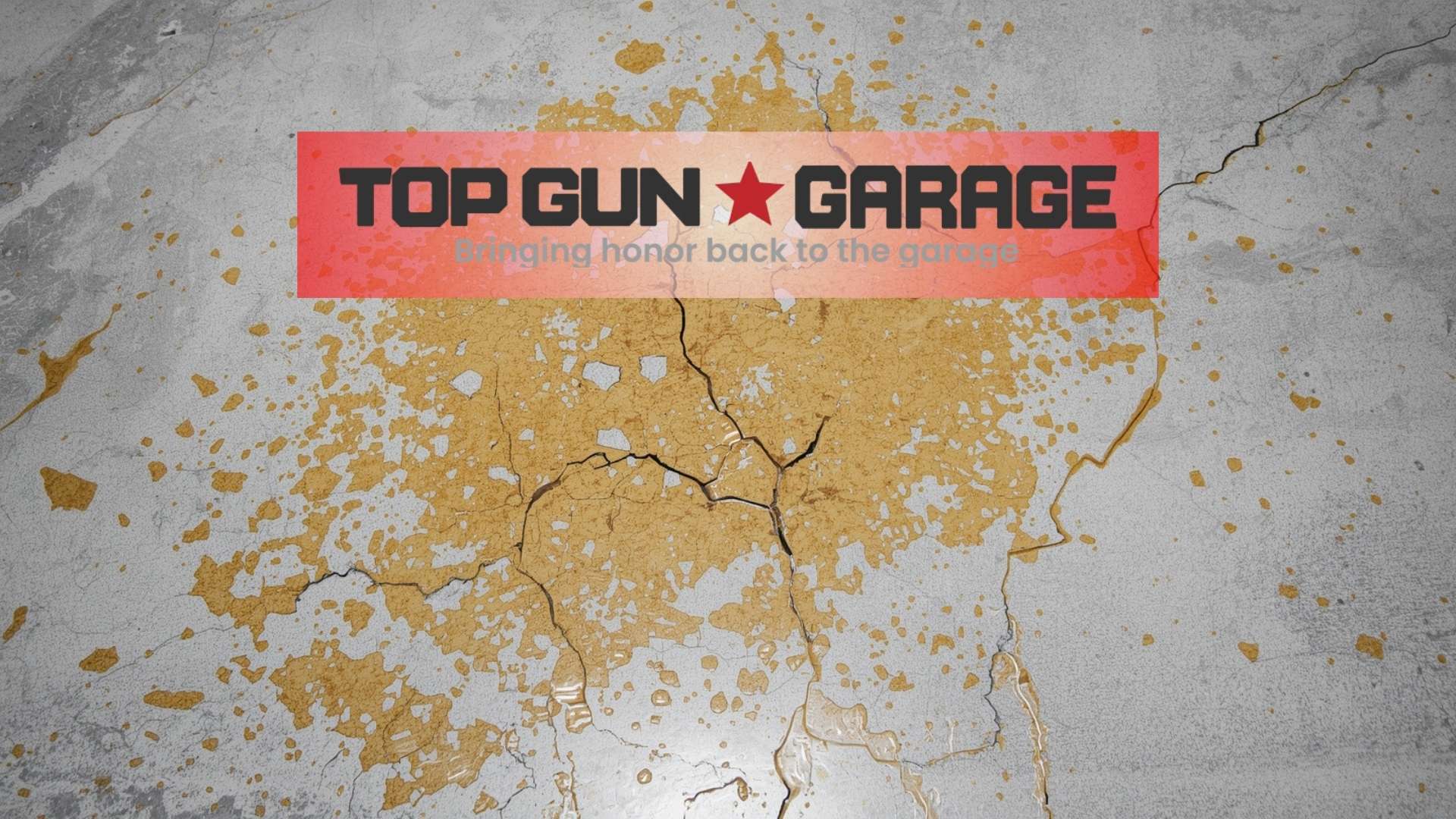
Bubbling or blistering within 6-18 months of installation indicates moisture vapor transmission problems that will progressively worsen. These defects signal inadequate surface preparation, missing moisture barriers, or application over concrete with excessive moisture content. Early intervention by completely removing failed coatings and properly addressing moisture issues prevents escalating damage to underlying concrete.
Peeling at edges or near cracks suggests inadequate surface preparation, improper cleaning, or failure to properly repair substrate defects before coating. These failures typically expand progressively as moisture and contaminants penetrate beneath coating edges. Crack propagation through coatings indicates substrate movement that wasn’t addressed during installation or coating systems too rigid to accommodate normal concrete expansion.
Yellowing or color fading within the first 2-3 years signals UV-degraded coatings lacking proper topcoat protection. While primarily cosmetic initially, UV damage compromises coating chemistry and reduces protective properties. Hot tire pickup marks appearing early in coating life indicate insufficient heat resistance or improper curing that left surfaces softer than specifications.
Frequently Asked Questions
How long does professional epoxy last compared to DIY kits? Professional 100% solids epoxy systems last 15-25 years in residential garages, while DIY water-based kits typically fail within 2-5 years. The 3-5x longer lifespan comes from proper surface preparation, thicker application, quality materials, and protective topcoats that DIY installations lack.
What causes epoxy garage floors to fail prematurely? Inadequate surface preparation, moisture vapor transmission, thin coating application, poor material quality, and improper curing conditions cause 80% of premature failures. Skipping moisture testing, using water-based products, and insufficient concrete profiling lead to early delamination.
Can I extend epoxy floor lifespan with maintenance? Yes, regular cleaning with pH-neutral products, immediate spill cleanup, and periodic topcoat renewal every 5-7 years can add 5-10 years to coating life. Proper maintenance extends 15-year systems to 25-30+ years of service.
Does coating thickness affect how long epoxy lasts? Absolutely—professional systems at 20-30 mils thickness provide wear layers that maintain protection for decades, while 4-mil DIY coatings wear through to bare concrete within 2-5 years. Thickness directly correlates with durability and longevity.
Why do some contractors offer longer warranties? Contractors offering 10-15 year warranties use quality materials, proper installation procedures, moisture testing, and adequate coating thickness. Short or no warranties indicate inferior materials, rushed installation, or contractors expecting premature failure.
How does climate affect epoxy garage floor lifespan? High humidity, extreme temperatures, UV exposure, and coastal salt accelerate degradation. Climate-appropriate coating selection with moisture barriers, UV-stable topcoats, and heat-resistant formulations extends lifespan from 3-5 years to 15-20+ years in harsh environments.
What’s the difference between 100% solids and water-based epoxy? 100% solids epoxy contains no fillers or solvents, curing into dense 20-30 mil coatings lasting 15-25 years. Water-based products contain only 30-50% solids, leaving thin 2-4 mil coatings that fail within 2-5 years.
Should I recoat or replace failing epoxy floors? If coating failure exceeds 25-30% of floor area or involves moisture-related delamination, complete removal and proper reinstallation is required. Localized damage under 10-15% can be repaired and recoated if substrate and remaining coating are sound.
How important is surface preparation for epoxy longevity? Surface preparation determines 70-80% of coating success. Proper diamond grinding to CSP 2-3, thorough cleaning, moisture testing, and crack repair create the foundation for 15-25 year performance. Inadequate preparation guarantees premature failure regardless of material quality.
Can professional epoxy last 30+ years? Yes, with polyaspartic or polyurea topcoats, proper maintenance, and periodic topcoat renewal, professional systems achieve 30+ years in residential settings. Commercial environments with heavy traffic see shorter but still impressive 10-15 year lifespans with quality installations.
Conclusion
The dramatic difference between garage floors lasting 15+ years and those failing within 15 months stems directly from installation quality, material selection, and proper surface preparation. Professional installations using 100% solids epoxy systems with moisture barriers, adequate coating thickness, and protective topcoats deliver 3-5x longer service life than DIY kits or budget contractor applications. Understanding these critical factors empowers homeowners to make informed decisions that protect their investment through proper contractor selection, climate-appropriate materials, and maintenance practices that maximize coating longevity.
Top Gun Garage specializes in professional installations using proven systems, rigorous surface preparation, and comprehensive warranties that ensure your garage floor performs beautifully for 15-25 years. Contact us today for a detailed consultation and discover why Naples, Bonita Springs, and Fort Myers homeowners trust our commitment to quality and long-term durability.