 Skip to content



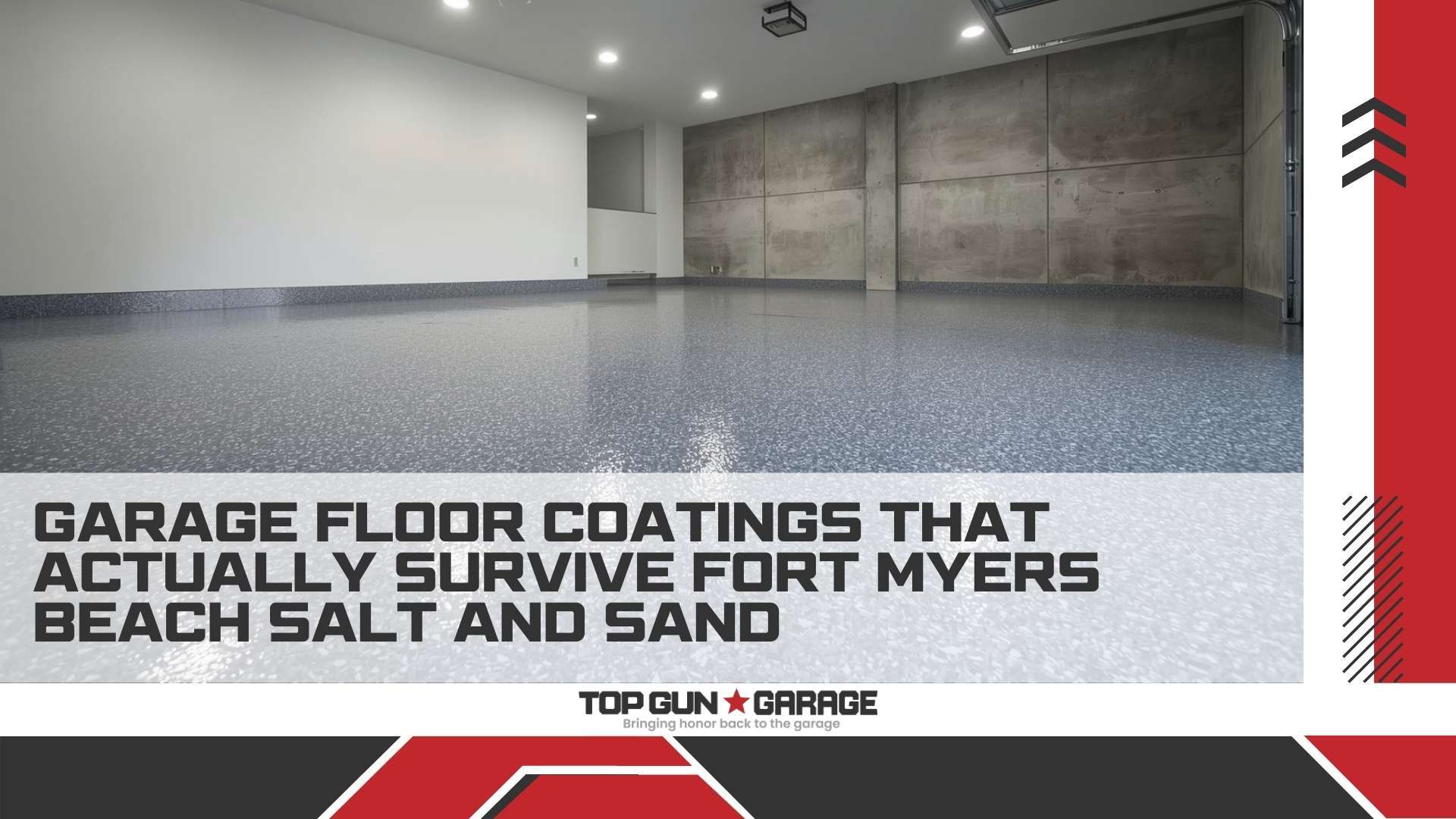
Fort Myers Beach homeowners need specialized coatings that withstand relentless saltwater exposure, abrasive sand, and extreme coastal humidity. Standard concrete garage floors deteriorate three times faster in beachfront properties compared to inland locations, with salt crystals penetrating porous concrete and causing spalling, cracking, and surface degradation within 18-24 months. Professional-grade polyurea and marine-rated epoxy systems create impermeable barriers that block chloride intrusion, resist sand abrasion, and maintain structural integrity despite daily exposure to the harshest coastal elements.
Overview
This comprehensive guide explores garage floor coating solutions specifically engineered for Fort Myers Beach’s demanding coastal environment. You’ll discover how saltwater and sand damage unprotected concrete, the critical differences between standard and marine-grade coating systems, which materials provide superior salt and abrasion resistance, proper installation techniques for coastal properties, maintenance strategies for beach-area garages, and how to select contractors experienced with waterfront installations. These insights help Fort Myers Beach property owners make informed decisions that protect their garage floors for 15+ years despite constant exposure to corrosive marine conditions.
Key Takeaways
-
Fort Myers Beach salt air causes concrete to deteriorate 3x faster than inland properties without proper coating
-
Marine-grade polyurea and epoxy systems resist chloride concentrations up to 20% and 500+ saltwater cycles
-
Sand tracked from beaches acts as abrasive causing premature wear on standard coatings within one season
-
Proper moisture testing and vapor barriers prevent salt-laden humidity from causing coating delamination
-
UV-stable formulations prevent yellowing and degradation from intense Florida sun exposure
-
Professional installation with coastal-specific techniques ensures optimal performance in beach environments
-
Regular cleaning removes salt and sand buildup that accelerates coating deterioration
How Fort Myers Beach Salt Damages Concrete
Salt air in Fort Myers Beach contains microscopic chloride particles that penetrate unprotected concrete through millions of pores in the surface. These chlorides reach embedded rebar and metal anchors, initiating corrosion that causes concrete to crack and spall as corroded metal expands. Waterfront properties within 200 meters of the Gulf experience chloride concentrations 5-7 times higher than properties just one mile inland, dramatically accelerating deterioration.
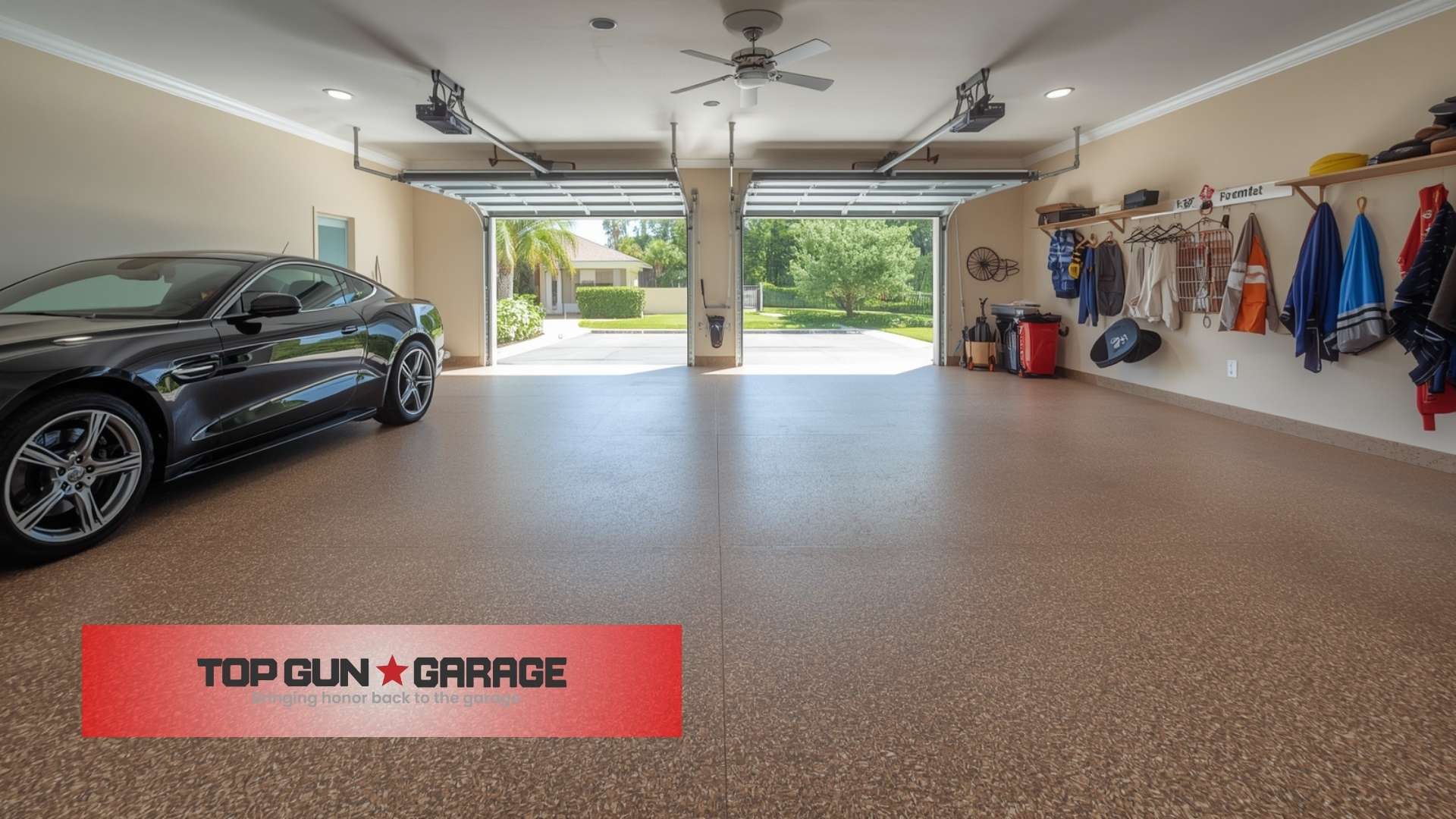
The wet-dry cycle characteristic of coastal environments amplifies salt damage. High humidity causes concrete to absorb saltwater during evening hours, then intense daytime heat evaporates moisture while leaving salt crystals deep within the concrete matrix. These crystals grow as they absorb additional moisture, creating internal pressure that cracks concrete from within. Fort Myers Beach homes without proper moisture barriers experience visible surface deterioration within 2-3 years, with structural damage appearing within 5-7 years.
Tropical storms and hurricane surge events compound normal salt exposure by flooding garages with concentrated saltwater. A single storm surge can introduce more chlorides into concrete than three years of normal salt air exposure. Properties on Estero Boulevard and along Matanzas Pass face particularly aggressive conditions where tidal flooding combines with wind-driven salt spray to create the most corrosive environment possible for garage floors.
Beach Sand Abrasion on Garage Floors
Fine beach sand acts like sandpaper, slowly grinding away unprotected concrete and inferior coatings with every footstep and tire rotation. Fort Myers Beach sand contains quartz particles with hardness ratings of 7 on the Mohs scale—harder than most concrete sealers and many budget epoxy formulations. Daily tracking of just 2-3 pounds of sand creates abrasive forces equivalent to industrial sandblasting when concentrated in high-traffic areas near garage entrances.
Standard garage floor paints and thin sealers show visible wear patterns within 4-6 months in beach properties with active families. These products lack the abrasion resistance needed for coastal environments, developing scratches, dull spots, and complete coating removal in traffic paths. Beach homeowners frequently report that DIY coating systems require annual reapplication due to sand damage—a frustrating cycle that never achieves lasting protection.
The combination of salt and sand creates synergistic damage worse than either element alone. Salt-contaminated concrete becomes softer and more vulnerable to abrasion, while sand particles embedded in the surface create rough textures that trap additional salt and moisture. Without professional-grade coatings engineered specifically for beach environments, Fort Myers Beach garage floors inevitably deteriorate regardless of maintenance efforts.
Marine-Grade Polyurea for Coastal Protection
Polyurea coatings represent the gold standard for Fort Myers Beach garage floors due to their exceptional chemical resistance, abrasion tolerance, and moisture impermeability. Marine-grade polyurea formulations create seamless, non-porous surfaces that completely block chloride intrusion while maintaining flexibility that prevents cracking during temperature fluctuations. These advanced polymer systems resist salt concentrations up to 20% and withstand over 500 wet-dry cycles without degradation—performance impossible with standard epoxy or paint products.
The rapid curing characteristics of polyurea systems prove particularly valuable in Fort Myers Beach’s humid environment. Unlike epoxy that requires specific temperature and humidity conditions for proper curing, polyurea sets within hours regardless of coastal moisture levels. This reliability ensures optimal coating performance even during Florida’s unpredictable weather patterns and high-humidity periods that compromise other coating types.
Abrasion resistance testing shows polyurea maintains 95%+ of its original thickness after 10,000 sand abrasion cycles, while standard epoxy loses 30-40% thickness under identical conditions. This superior durability means Fort Myers Beach homeowners enjoy 15-20 years of maintenance-free service from polyurea floors compared to 3-5 years maximum from conventional coatings. The investment premium for marine-grade polyurea—typically 30-40% higher than standard epoxy—pays for itself within the first 5 years by eliminating recoating expenses.
Saltwater-Resistant Epoxy Systems
High-performance epoxy formulations specifically designed for coastal applications offer excellent protection for Fort Myers Beach garages when properly specified and installed. These systems differ substantially from hardware store epoxy kits, utilizing 100% solids formulations with enhanced chemical resistance and chloride-blocking capabilities. Professional-grade coastal epoxy creates seamless barriers that prevent salt penetration while providing the aesthetic flexibility many homeowners desire.
The multi-layer application methodology maximizes epoxy’s protective capabilities in beach environments. Systems begin with moisture-mitigating primers that bond to damp concrete and block vapor transmission, followed by thick base coats providing chemical resistance, decorative flake broadcasts adding visual interest and slip resistance, and UV-stable topcoats creating impermeable shields against saltwater. This strategic layering approach produces integrated protection systems where each component enhances overall performance.
Marine-grade epoxy systems designed for Fort Myers Beach conditions incorporate specialized additives that improve salt resistance beyond standard formulations. These enhancements include corrosion inhibitors that neutralize chloride activity, flexibilizers that prevent cracking from thermal expansion, and UV stabilizers that prevent yellowing despite intense Florida sunlight. Properly installed coastal epoxy systems deliver 10-15 years of reliable performance when maintained appropriately, though they typically require resealing every 3-5 years to maintain optimal protection.
UV Stability for Beach Environment Exposure
Fort Myers Beach garages with doors facing south or west receive intense UV radiation that degrades unprotected coatings within 12-18 months. Standard epoxy formulations undergo photodegradation causing yellowing, chalking, and loss of protective properties when exposed to coastal sunlight. This deterioration not only affects appearance but also compromises the coating’s ability to resist saltwater and chemical intrusion.
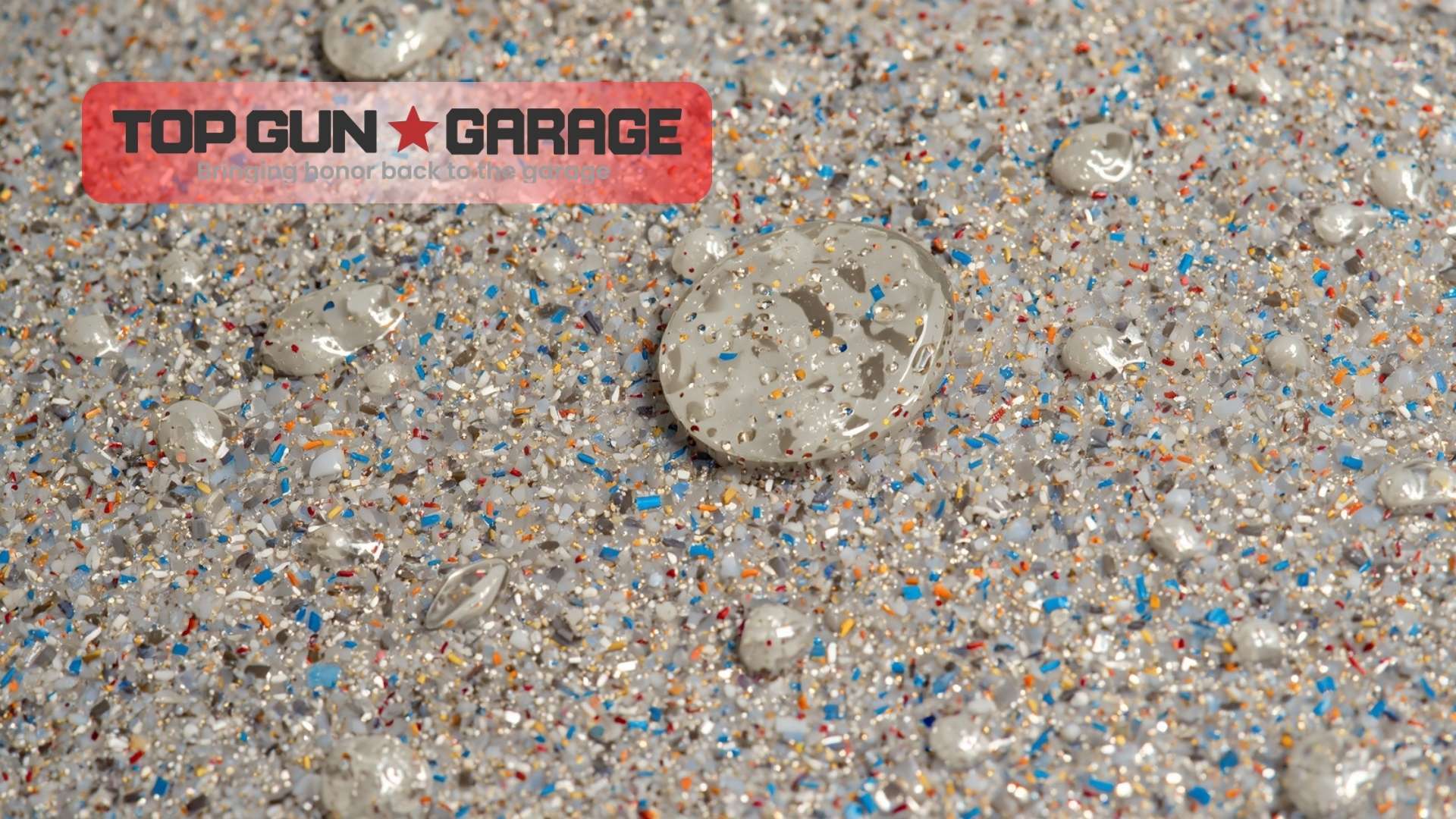
UV-stable coating systems incorporate specialized light-blocking compounds that prevent radiation damage throughout the coating’s service life. These additives work at the molecular level, absorbing UV energy and converting it to harmless heat rather than allowing bonds to break and polymers to degrade. Fort Myers Beach properties with UV-resistant topcoats maintain their original color and gloss for 10+ years despite continuous sun exposure.
The combination of UV exposure and salt creates particularly challenging conditions that few standard coatings survive. Sunlight accelerates the chemical reactions between chlorides and concrete, while UV-damaged coatings become more porous and vulnerable to salt intrusion. Professional installers serving Fort Myers Beach specify only coatings with proven UV stability ratings and include protective topcoats as standard features rather than optional upgrades.
Proper Surface Preparation for Coastal Garages
Surface preparation determines 70-80% of coating success, and Fort Myers Beach properties require enhanced preparation protocols beyond standard procedures. Professional contractors begin with comprehensive moisture testing to identify concrete with elevated moisture content or active vapor transmission that requires specialized primers. Beach properties frequently show moisture readings 40-60% higher than inland homes due to proximity to water tables and constant humidity exposure.
Diamond grinding creates the surface profile necessary for optimal coating adhesion while removing salt-contaminated concrete from the surface. This mechanical preparation exposes fresh concrete and opens pores that allow primers to penetrate deeply, creating mechanical and chemical bonds that resist the lifting forces created by moisture vapor and salt crystal growth. Fort Myers Beach installations typically require deeper profiles
CSP 3-4 compared to CSP 2-3 for inland properties—to ensure coatings withstand aggressive coastal conditions.
Salt contamination testing helps contractors determine if concrete requires special treatment before coating application. Properties that have experienced flooding or years of unprotected exposure may contain chloride concentrations that interfere with coating adhesion. Professional preparation protocols include acid washing or specialized cleaners that extract embedded salts, ensuring clean substrate for coating bonding.
Moisture Vapor Barriers for Beach Properties
Fort Myers Beach properties face moisture vapor transmission rates 50-75% higher than inland locations due to elevated water tables, persistent humidity, and salt’s hygroscopic properties. This constant moisture movement creates pressure beneath coatings that causes bubbling, peeling, and complete delamination when standard systems are used. Professional installations incorporate specialized moisture vapor barriers that block this transmission while allowing coatings to perform optimally.
Two-component moisture-mitigating primers bond to damp concrete and create vapor-retardant foundations that protect decorative topcoats. These primers tolerate concrete moisture levels up to 12 pounds per 1,000 square feet per 24 hours—well above the 3-5 pound limit for standard epoxy systems. Fort Myers Beach installations routinely encounter moisture readings requiring these enhanced primers, making them essential rather than optional components.
Multi-layer barrier systems provide redundant protection in properties with particularly aggressive moisture conditions. These installations use moisture-blocking primers, intermediate barrier coats, and impermeable topcoats to create three separate defense layers. While adding 20-30% to installation costs, this approach ensures coating longevity in the most challenging Fort Myers Beach waterfront locations where single-layer systems inevitably fail.
Installation Timing for Coastal Conditions
Fort Myers Beach’s climate requires careful installation timing to ensure optimal coating performance. Humidity levels, temperature fluctuations, and the potential for sudden rain showers create windows when coating application produces best results. Professional contractors monitor weather forecasts and environmental conditions, scheduling installations during periods with stable temperatures between 60-85°F and humidity below 85%.
Early morning installations take advantage of cooler temperatures and lower humidity before afternoon heat intensifies. This timing proves particularly important for epoxy systems that require specific curing conditions and can be compromised by rapid temperature changes during application. Polyurea’s rapid cure time and environmental independence allow more flexible scheduling, making it ideal for beach properties where installation sequences must accommodate unpredictable weather.
Hurricane season considerations affect project planning for Fort Myers Beach installations. Contractors avoid scheduling major coating projects during peak storm months (August-October) when sudden weather changes or evacuation orders could interrupt critical curing periods. Properties requiring immediate protection often receive temporary sealing with plans for complete coating systems during more stable weather periods.
Maintenance for Salt and Sand Exposure
Regular cleaning removes accumulated salt and sand before they damage coating surfaces or create slip hazards. Fort Myers Beach garage floors benefit from weekly sweeping or blowing to remove loose sand, followed by monthly washing with pH-neutral cleaners to dissolve salt deposits. This simple maintenance routine extends coating life by 30-40% compared to neglected floors where salt and sand embed in surface texture.
Pressure washing provides deep cleaning for heavily soiled beach garage floors without damaging properly installed coatings. Using 1,500-2,000 PSI pressure with wide-angle nozzles removes stubborn salt stains and embedded sand while avoiding coating damage that occurs with excessive pressure. Fort Myers Beach homeowners should perform deep cleaning quarterly or after storm events that introduce heavy sand and salt contamination.
Addressing damage promptly prevents small issues from becoming major problems. Coatings that develop scratches, chips, or worn areas allow salt and moisture intrusion that accelerates deterioration. Professional contractors offer periodic inspection and touch-up services that identify and repair minor damage before it compromises the entire coating system. Annual professional maintenance visits prove cost-effective for Fort Myers Beach properties, typically costing $200-400 but preventing premature coating replacement.
Selecting Coastal-Experienced Contractors
Fort Myers Beach garage floor contractors must demonstrate specific experience with coastal installations and salt-resistant coating systems. Request portfolios showing completed beach-area projects, ask about moisture testing protocols, and verify contractors use marine-grade materials rather than standard formulations. Experienced installers explain how they address Fort Myers Beach’s unique challenges including high moisture, salt contamination, and sand abrasion.
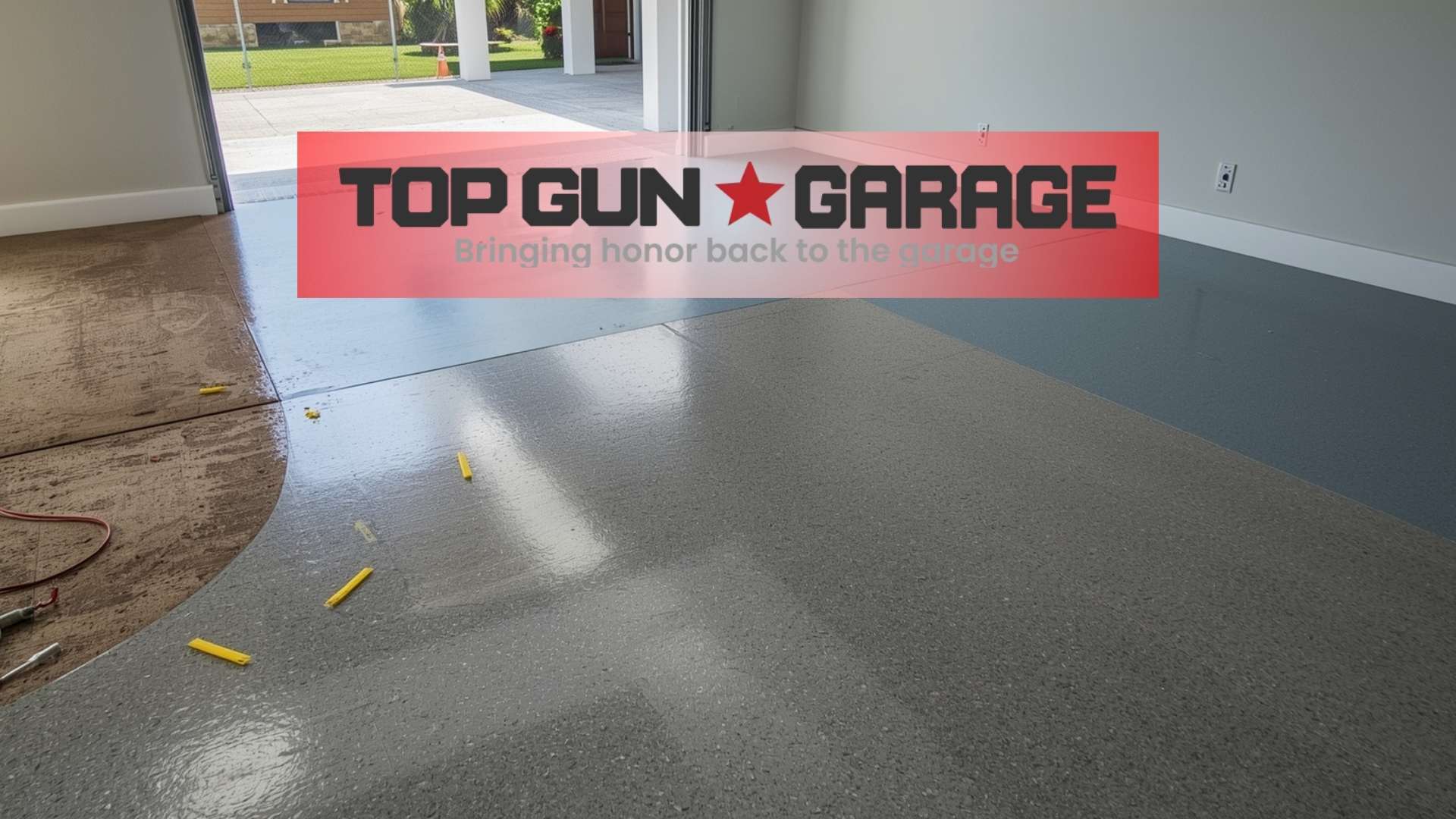
Contractor credentials should include manufacturer certifications for the specific coating systems they install. These certifications indicate installers have received proper training in application techniques, surface preparation requirements, and troubleshooting for coastal conditions. Vetting contractors thoroughly prevents the disappointment and expense of failed installations by ensuring qualified professionals handle your Fort Myers Beach garage project.
Warranty coverage reveals contractor confidence in their work and materials. Quality Fort Myers Beach installations include minimum 10-year warranties covering both materials and labor, with explicit protection against salt damage, moisture-related delamination, and UV degradation. Be cautious of contractors whose warranties exclude environmental factors or only cover material defects without installation labor—these limitations often indicate contractors know their systems will fail in coastal conditions.
Cost Considerations for Beach Properties
Fort Myers Beach garage floor coatings cost 25-40% more than comparable inland installations due to enhanced materials, specialized preparation, and coastal expertise requirements. Standard two-car garage projects range from $3,500-$7,500 depending on coating system, decorative options, and substrate condition. While higher than basic epoxy installations, these investments deliver 15-20 years of reliable performance compared to 3-5 years for budget systems.
Marine-grade polyurea represents the premium option at $7-$12 per square foot but offers superior salt resistance, abrasion tolerance, and longevity. Coastal epoxy systems with proper moisture barriers and UV-stable topcoats cost $5-$9 per square foot and provide excellent protection with some aesthetic advantages. The long-term value calculation consistently favors professional-grade systems over repeated applications of inferior products.
Deferred maintenance and cheap installations ultimately cost more through premature replacement and concrete damage. Fort Myers Beach homeowners who invest $2,000-3,000 in budget coatings every 3-5 years spend more over 15 years than those who invest $5,000-7,000 once in professional-grade systems. Additional costs appear when salt-damaged concrete requires expensive repairs before recoating—expenses entirely preventable with proper initial installation.
Long-Term Performance in Coastal Environments
Fort Myers Beach garage floors properly coated with marine-grade systems maintain their appearance and protective capabilities for 15-20 years with appropriate maintenance. These installations resist daily salt exposure, regular sand abrasion, and extreme weather events without significant deterioration. Property owners report that professional coatings look nearly identical to installation day even after a decade of beach-area service.
The seamless, non-porous surface created by quality coatings prevents the progressive deterioration that affects unprotected concrete. Salt cannot penetrate to reach rebar, moisture stays blocked from the concrete matrix, and sand slides across the surface rather than abrading it away. This comprehensive protection preserves the structural integrity of garage slabs while maintaining clean, attractive surfaces that enhance property value.
Comparing protected versus unprotected Fort Myers Beach garages reveals dramatic differences. Properties with professional coatings show minimal concrete deterioration and require only routine cleaning, while unprotected garages display progressive spalling, cracking, and surface degradation requiring expensive concrete repairs. The 20-30 year lifespan difference between coated and uncoated beach garage floors makes professional protection one of the most cost-effective home improvements available to coastal property owners.
Frequently Asked Questions
How does salt air specifically damage garage floor coatings? Salt air contains chloride particles that penetrate porous coatings and attack concrete beneath, causing corrosion and delamination. Quality marine-grade coatings create impermeable barriers that block chloride intrusion, preventing damage even with continuous salt exposure in Fort Myers Beach environments.
Can standard epoxy withstand Fort Myers Beach conditions? Standard epoxy lacks the chemical resistance, moisture management, and UV stability needed for beach environments. It typically fails within 18-36 months due to salt damage, moisture intrusion, or UV degradation. Marine-grade systems with proper preparation are essential for coastal properties.
How often should beach garage floors be cleaned? Weekly sweeping removes loose sand, while monthly washing with pH-neutral cleaners dissolves salt deposits. Quarterly pressure washing provides deep cleaning after heavy use or storm events. This routine maintenance extends coating life by preventing salt and sand accumulation.
What makes polyurea better than epoxy for beach areas? Polyurea offers superior salt resistance, abrasion tolerance, and moisture impermeability compared to epoxy. It cures rapidly regardless of humidity, resists 500+ saltwater cycles without degradation, and maintains 95%+ thickness after intense sand abrasion that destroys standard coatings.
Do Fort Myers Beach garages need special moisture barriers? Yes, elevated moisture vapor transmission rates require moisture-mitigating primers that tolerate concrete moisture up to 12 pounds per square foot daily. Standard epoxy systems fail quickly in beach properties without these specialized vapor barriers blocking moisture movement.
How long do professional beach garage coatings last? Marine-grade polyurea and coastal epoxy systems properly installed last 15-20 years with routine maintenance. This contrasts sharply with 3-5 years maximum for standard coatings, making professional systems far more cost-effective despite higher initial investment.
What preparation is required for saltwater-damaged concrete? Salt-contaminated concrete needs diamond grinding to remove affected surface layers, specialized cleaning to extract embedded chlorides, crack repair, and moisture testing. Professional preparation ensures clean substrate for coating adhesion, preventing premature failures from salt contamination.
Are there slip-resistant options for wet beach garages? Yes, decorative flake broadcasts and textured topcoats provide excellent traction even when wet from tracked-in water or cleaning. These slip-resistant surfaces maintain safety without compromising the coating’s salt and sand resistance essential for beach properties.
Can coatings withstand hurricane flooding? Marine-grade polyurea and properly installed epoxy systems resist temporary flooding and cleaning afterward. However, prolonged submersion in concentrated saltwater or debris impact during storms may cause damage requiring professional assessment and potential touch-ups after severe events.
What warranty should Fort Myers Beach installations include? Quality installations provide minimum 10-year warranties covering materials and labor, with explicit protection against salt damage, moisture delamination, and UV degradation. Warranties excluding environmental factors indicate contractors doubt their systems will survive coastal conditions.
Conclusion
Fort Myers Beach garage floors face unrelenting assault from salt air, abrasive sand, and extreme humidity that destroy standard coatings within 2-3 years. Professional-grade polyurea and marine-rated epoxy systems engineered specifically for coastal environments create impermeable barriers that block chloride intrusion, resist sand abrasion, and maintain integrity despite Florida’s harshest conditions. By investing in proper materials, thorough preparation, and experienced installation, beach property owners protect their concrete investments for 15-20 years while enjoying maintenance-free beauty that enhances property value and eliminates the frustration of repeated coating failures.
Top Gun Garage specializes in marine-grade floor systems that withstand salt, sand, and humidity while maintaining stunning appearance for decades. Contact us today for a comprehensive consultation and discover why Fort Myers Beach, Naples, and Bonita Springs waterfront homeowners trust our coastal expertise and proven performance in Southwest Florida’s most demanding environments.