 Skip to content



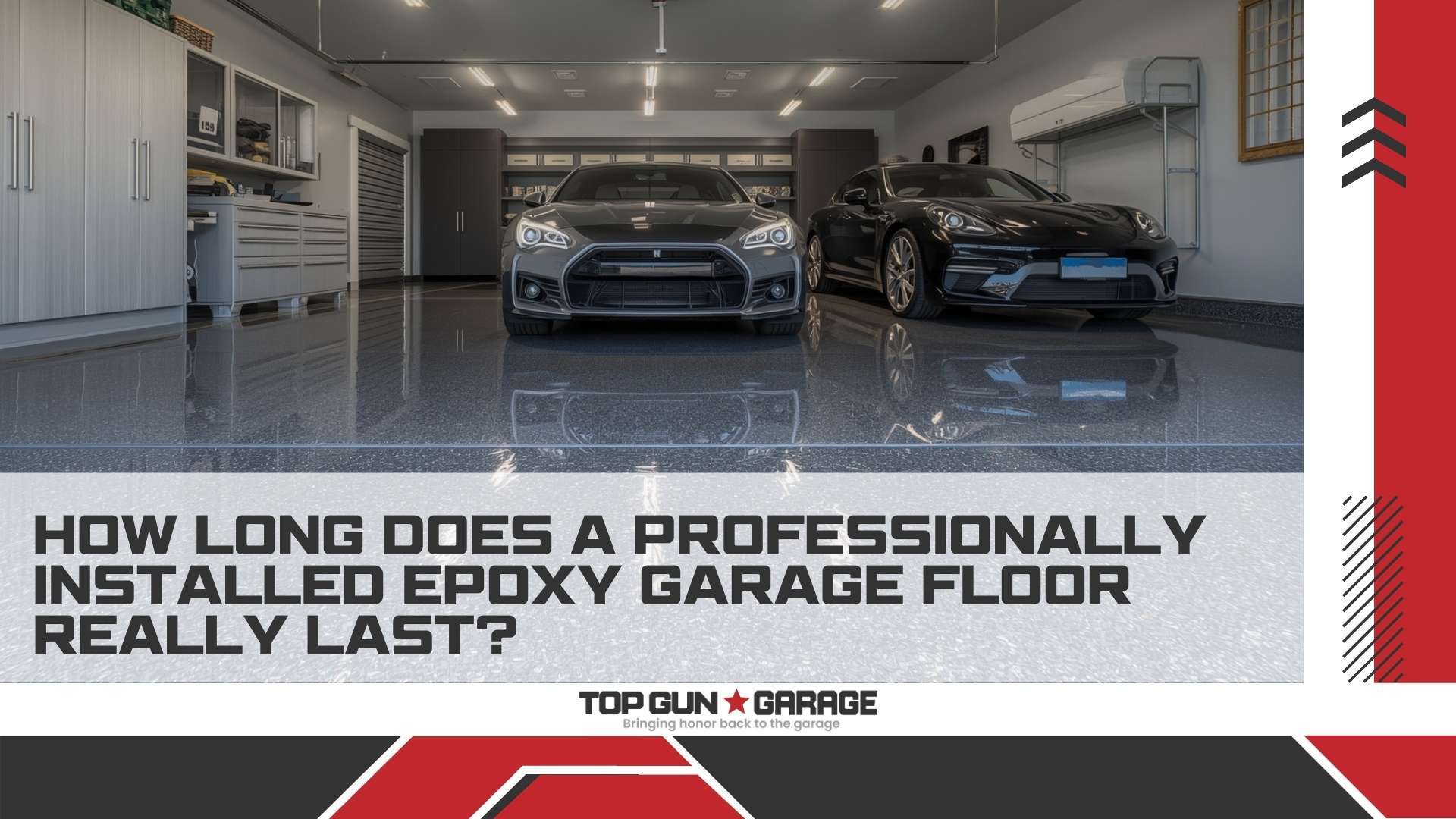
When investing in a professionally installed epoxy garage floor, one of the most pressing questions homeowners ask is about longevity. Understanding how long does epoxy floor last is crucial for making an informed decision about this significant home improvement investment. The answer isn’t straightforward, as the lifespan of epoxy flooring depends on numerous factors including installation quality, material grade, usage patterns, and maintenance practices.
Professional epoxy floor installations typically last significantly longer than DIY alternatives, often providing decades of reliable service when properly maintained. However, the wide range of epoxy products available in the market means that not all installations are created equal. From basic single-coat systems to advanced multi-layer applications with specialized topcoats, the quality and complexity of the installation directly impact durability expectations.
The garage environment presents unique challenges for any flooring system. Temperature fluctuations, chemical exposure from vehicles, heavy traffic loads, and potential moisture issues all contribute to wear patterns that affect longevity. Professional contractors understand these challenges and select appropriate epoxy formulations designed to withstand garage-specific stresses while maintaining their appearance and protective properties over time.
Modern epoxy technology has evolved considerably, with today’s professional-grade systems offering superior adhesion, chemical resistance, and durability compared to earlier formulations. These advances mean that properly installed epoxy floors can now provide exceptional value through extended service life, reduced maintenance requirements, and sustained aesthetic appeal that enhances property value for years to come.
Key Takeaways
-
Professional Installation Duration: Professionally installed epoxy garage floors typically last 15–20 years with proper maintenance, significantly outperforming DIY installations which may only last 2–5 years before requiring major repairs or replacement.
-
Quality Material Impact: Commercial-grade epoxy systems used by professional contractors offer superior longevity compared to consumer-grade products, with 100% solids epoxy formulations providing the longest service life and best resistance to wear.
-
Usage Pattern Influence: The lifespan of epoxy flooring varies based on garage usage, with residential applications typically lasting longer than commercial or heavy-duty environments where constant vehicle traffic and equipment use accelerate wear patterns.
-
Maintenance Requirements: Regular cleaning and periodic maintenance significantly extend epoxy floor life, with simple practices like prompt spill cleanup and avoiding harsh chemicals helping preserve the coating’s integrity and appearance.
-
Environmental Factors: Temperature extremes, humidity levels, and chemical exposure from automotive fluids all affect epoxy durability, making proper surface preparation and appropriate product selection critical for maximizing lifespan.
-
Warning Signs: Recognizing early indicators of epoxy deterioration, such as minor chips, wear patterns, or slight discoloration, allows for timely maintenance that can prevent more extensive damage and extend overall floor life.
-
Investment Value: Despite higher upfront costs, professional epoxy installations provide superior long-term value through extended durability, reduced replacement frequency, and maintained aesthetic appeal that enhances property value.
Understanding Epoxy Floor Longevity Basics
The fundamental question of how long does epoxy floor last requires understanding the complex interplay between material science, installation techniques, and environmental factors. Professional-grade epoxy systems consist of multiple components that cure through chemical reactions, creating a cross-linked polymer matrix that bonds permanently to properly prepared concrete surfaces. This chemical bonding process is what distinguishes quality epoxy installations from temporary coating solutions.
Temperature stability plays a crucial role in epoxy performance and longevity. Professional installations typically utilize epoxy formulations designed to withstand temperature ranges common in garage environments, from freezing winter conditions to extreme summer heat. These temperature-resistant properties prevent the thermal expansion and contraction cycles that can cause inferior coatings to crack, peel, or delaminate over time.
The thickness of professional epoxy applications significantly impacts durability expectations. While DIY products often result in thin, inconsistent coatings, professional contractors apply epoxy systems in controlled thicknesses that provide adequate protection against wear while maintaining flexibility to accommodate normal concrete movement. Understanding how thickness affects lifespan helps explain the superior longevity of professional installations.
Chemical resistance represents another critical factor in determining lifespan of epoxy flooring. Garage environments expose floors to various automotive chemicals including motor oil, brake fluid, antifreeze, and gasoline. Professional-grade epoxy systems incorporate chemical-resistant properties that prevent these substances from penetrating and degrading the coating, maintaining both protective function and aesthetic appearance throughout the floor’s service life. Technical specifications are available from ASTM International.
Factors That Determine Epoxy Floor Lifespan
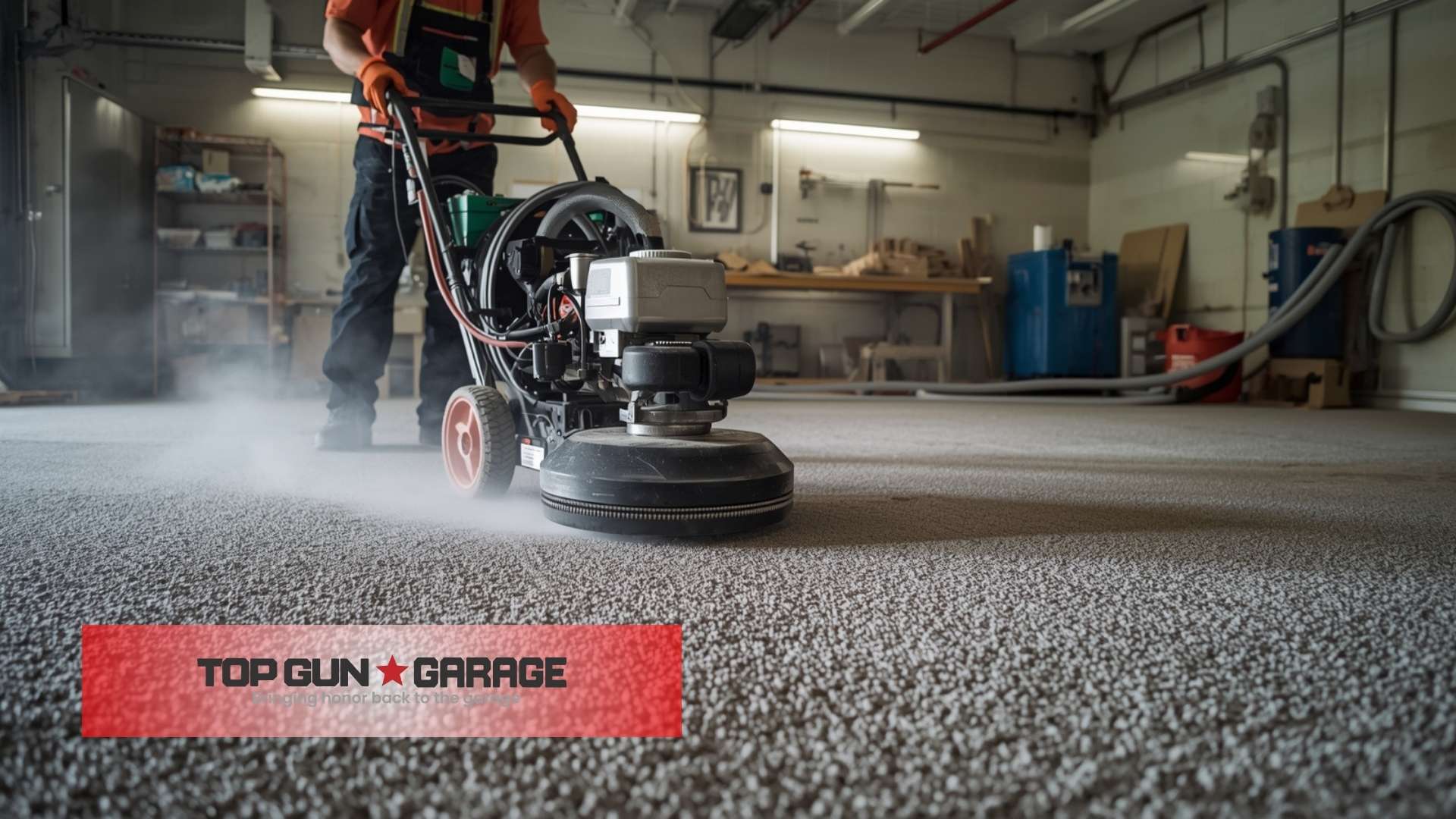
Surface preparation quality represents the most critical factor influencing how long does epoxy floor last, often determining whether an installation succeeds for decades or fails within years. Professional contractors invest significant time in concrete surface preparation, including thorough cleaning, crack repair, moisture testing, and mechanical or chemical etching to create optimal adhesion conditions. This preparation process removes contaminants, opens concrete pores, and creates the mechanical bond essential for long-term epoxy performance.
Traffic patterns and load requirements directly impact epoxy durability expectations. Residential garage floors typically experience moderate foot traffic and periodic vehicle movement, conditions that allow quality epoxy systems to perform optimally for extended periods. However, garages used for heavy equipment storage, frequent vehicle maintenance, or commercial activities may experience accelerated wear that reduces overall lifespan despite proper installation and maintenance practices.
Moisture management significantly affects the lifespan of epoxy flooring, as concrete naturally contains moisture that can interfere with epoxy adhesion and long-term performance. Professional installers conduct moisture testing and may apply specialized primer systems designed to handle normal concrete moisture levels. Understanding why moisture matters prevents common failure modes including bubbling, delamination, and adhesion loss.
Environmental exposure conditions within the garage environment influence epoxy longevity through various mechanisms. UV exposure from windows or open doors can cause yellowing or chalking over time, while extreme temperature fluctuations stress the coating through expansion and contraction cycles. Professional contractors select epoxy systems appropriate for specific environmental conditions and may recommend additional protective measures for challenging exposure situations.
Maintenance practices implemented by homeowners play a substantial role in determining actual service life compared to theoretical expectations. Regular cleaning with appropriate products, prompt attention to spills and stains, and periodic inspection for early signs of wear all contribute to extended floor life. Conversely, neglect, harsh cleaning chemicals, or mechanical damage from dropped tools can significantly reduce epoxy performance and appearance retention over time.
Professional vs. DIY Installation Longevity Comparison
The longevity difference between professional and DIY epoxy installations is dramatic, with professional systems typically lasting three to four times longer than consumer-grade alternatives. This performance gap stems from multiple factors including material quality, surface preparation thoroughness, application expertise, and system design complexity that DIY enthusiasts often cannot replicate effectively.
Professional contractors utilize commercial-grade epoxy formulations unavailable to consumer markets, featuring higher solids content, superior chemical resistance, and enhanced durability characteristics. These professional materials often cost significantly more than retail products but provide proportionally greater performance and longevity. The investment in quality materials, combined with expert installation techniques, results in floors that maintain their appearance and protective properties for 15–20 years or more.
Surface preparation represents the most significant difference between professional and DIY installations, directly impacting how long does epoxy floor last regardless of material quality. Professional preparation typically involves mechanical grinding or shot blasting to achieve proper surface profile, thorough cleaning with industrial equipment, moisture testing, and crack repair using appropriate materials. DIY preparations often rely on acid etching or simple cleaning, which may not provide adequate surface preparation for long-term adhesion.
Application technique expertise significantly influences final performance characteristics and longevity expectations. Professional installers understand proper mixing ratios, application temperatures, timing requirements, and environmental conditions necessary for optimal epoxy curing. They also possess specialized equipment for consistent application thickness and proper ventilation during curing. DIY applications frequently suffer from mixing errors, improper timing, inadequate ventilation, or environmental conditions that compromise final performance.
System design complexity distinguishes professional installations through multi-layer approaches that enhance durability and performance. Professional systems typically include specialized primers for adhesion, base coats for protection, decorative elements for appearance, and topcoats for wear resistance. This layered approach provides redundancy and optimized performance characteristics that single-coat DIY systems cannot match, resulting in significantly extended service life and better long-term value. Understanding DIY limitations versus professional advantages helps homeowners make informed decisions.
Maintenance Practices That Extend Epoxy Floor Life
Implementing proper maintenance practices represents the most cost-effective method for maximizing how long does epoxy floor last, often extending service life well beyond initial expectations through simple but consistent care routines. Regular maintenance not only preserves appearance but also protects the underlying epoxy structure from damage that could compromise long-term performance and require premature replacement or repair.
Daily and weekly cleaning routines form the foundation of effective epoxy maintenance, preventing the accumulation of abrasive particles and corrosive substances that gradually degrade floor surfaces. Simple sweeping or dust mopping removes sand, dirt, and debris that can scratch epoxy surfaces during foot and vehicle traffic. Weekly damp mopping with pH-neutral cleaners removes accumulated grime while avoiding harsh chemicals that might affect epoxy chemistry or appearance over time.
Immediate spill response protocols significantly impact the lifespan of epoxy flooring by preventing chemical penetration and staining that can compromise both appearance and structural integrity. While quality epoxy systems resist most automotive chemicals, prolonged exposure to concentrated substances can eventually cause discoloration or surface softening. Prompt cleanup of oil, coolant, brake fluid, and other automotive chemicals prevents these issues while maintaining the floor’s chemical resistance properties.
Periodic deep cleaning and inspection routines help identify potential issues before they develop into major problems requiring expensive repairs or premature replacement. Monthly detailed cleaning with appropriate degreasers removes accumulated automotive residues, while careful inspection reveals early signs of wear, minor damage, or areas requiring attention. Early intervention through spot repairs or protective treatments can prevent localized damage from spreading and compromising larger floor areas.
Protective measures during garage activities help prevent mechanical damage that represents one of the most common causes of premature epoxy floor deterioration. Using furniture pads under storage items, avoiding dragging heavy objects across the floor, and protecting work areas during mechanical projects all contribute to extended floor life. Additionally, maintaining proper tire pressure and avoiding aggressive acceleration or braking on the epoxy surface reduces mechanical stress and wear patterns that can accumulate over time. Learn more about maintaining floors in high-humidity climates.
Signs Your Epoxy Floor Needs Attention
Recognizing early warning signs of epoxy deterioration allows homeowners to address issues promptly, potentially extending the overall lifespan of epoxy flooring through timely maintenance or repair interventions. Understanding these indicators helps distinguish between normal aging that requires routine maintenance and more serious problems that might necessitate professional evaluation or system renewal.
Surface wear patterns represent the most common early indicator of epoxy aging, typically appearing in high-traffic areas where vehicles regularly travel or where frequent foot traffic occurs. These wear patterns initially manifest as subtle changes in surface gloss or texture that gradually become more pronounced over time. While minor wear is normal and expected, rapid progression or deep penetration through the epoxy coating indicates potential issues with installation quality or excessive loading conditions.
Color changes or discoloration can signal various underlying issues affecting how long does epoxy floor last, from UV exposure effects to chemical contamination or moisture intrusion. Yellowing often indicates UV exposure or certain chemical exposures, while dark spots might suggest oil penetration or moisture problems. White or cloudy areas frequently indicate moisture intrusion or adhesion issues that require prompt attention to prevent further deterioration and potential system failure.
Physical damage including chips, cracks, or delamination requires immediate evaluation to prevent progressive failure that could compromise larger floor areas. Small chips from dropped tools or equipment can often be repaired effectively if addressed promptly, while cracks or lifting edges indicate more serious issues that may require professional assessment. Understanding the difference between repairable damage and signs of system failure helps homeowners make appropriate decisions about maintenance versus replacement.
Surface texture changes or the development of rough areas can indicate chemical attack, wear acceleration, or curing problems that affect both appearance and performance. Smooth epoxy surfaces that develop roughness may be experiencing chemical degradation or abrasive wear that could accelerate if not addressed. Similarly, areas that become unusually slippery might indicate surface contamination or coating breakdown that requires cleaning or repair to maintain safe conditions and prevent further deterioration. Additional guidance is available from the National Institute of Standards and Technology.
Top Gun Garage: Professional Epoxy Installation Excellence
Top Gun Garage represents the pinnacle of professional epoxy floor installation, combining years of experience with cutting-edge materials and techniques to deliver garage floors that exceed longevity expectations. Their commitment to quality begins with comprehensive surface preparation and extends through every aspect of the installation process, ensuring that each floor achieves maximum potential lifespan while providing exceptional aesthetic appeal and functional performance.
The Top Gun Garage approach to determining how long does epoxy floor last starts with thorough site evaluation and material selection based on specific usage requirements and environmental conditions. Their experienced team assesses factors including concrete condition, moisture levels, temperature variations, and intended use patterns to recommend optimal epoxy systems that will provide maximum durability and value for each unique application.
Quality control measures implemented by Top Gun Garage ensure consistent results that meet or exceed industry standards for professional epoxy installations. From initial surface preparation through final curing, every step follows established protocols designed to maximize adhesion, durability, and appearance retention. This attention to detail results in installations that consistently achieve their full longevity potential while providing years of reliable service and aesthetic appeal.
Customer education represents a key component of Top Gun Garage’s service approach, providing homeowners with comprehensive information about proper maintenance practices and realistic expectations for their epoxy floor investment. This education helps customers understand how their actions and maintenance practices directly impact the lifespan of epoxy flooring, empowering them to protect their investment and achieve maximum value from their professional installation.
Warranty and support services provided by Top Gun Garage demonstrate confidence in their installation quality while providing customers with peace of mind about their flooring investment. Their comprehensive warranty coverage and responsive customer service ensure that any issues are addressed promptly and professionally, maintaining the integrity and appearance of epoxy floors throughout their expected service life.
Frequently Asked Questions
How long does epoxy floor last in a typical residential garage? Professional epoxy installations in residential garages typically last 15–20 years with proper maintenance, significantly longer than DIY alternatives which may only provide 2–5 years of service before requiring replacement or major repairs.
What factors most significantly impact the lifespan of epoxy flooring? Surface preparation quality, material grade, installation expertise, traffic patterns, and maintenance practices represent the most critical factors determining epoxy floor longevity, with proper surface preparation being absolutely essential for long-term success.
Can epoxy floors be repaired to extend their lifespan? Minor damage including small chips, scratches, or localized wear can often be repaired effectively using compatible epoxy materials, potentially extending overall floor life when addressed promptly by experienced professionals.
How does climate affect how long does epoxy floor last? Extreme temperature fluctuations, high humidity, and UV exposure can impact epoxy performance, but professional-grade systems are formulated to withstand normal climate variations when properly selected for specific environmental conditions.
What maintenance practices most effectively extend epoxy floor life? Regular cleaning with appropriate products, prompt spill cleanup, avoiding harsh chemicals, and periodic professional inspection represent the most effective maintenance practices for maximizing epoxy floor longevity and performance.
When should I consider replacing rather than repairing my epoxy floor? Widespread delamination, extensive cracking, significant color loss, or failure of more than 25% of the floor area typically indicates that replacement provides better long-term value than attempted repairs.
Do thicker epoxy applications last longer? Within reasonable limits, thicker professional epoxy applications generally provide enhanced durability and longer service life, but proper material selection and installation technique remain more important than thickness alone for achieving maximum longevity.
How can I tell if my epoxy floor was professionally installed? Professional installations typically feature consistent thickness, proper edge details, appropriate surface preparation evidence, and documentation including material specifications and warranty information that distinguish them from DIY applications.
Conclusion
Understanding how long does epoxy floor last requires considering the complex interplay between installation quality, material selection, environmental conditions, and maintenance practices that collectively determine actual service life. Professional installations consistently outperform DIY alternatives by substantial margins, often providing 15–20 years of reliable service compared to just 2–5 years for consumer-grade systems.
The investment in professional epoxy installation pays dividends through extended durability, reduced maintenance requirements, and sustained aesthetic appeal that enhances property value over time. Quality surface preparation, appropriate material selection, and expert application techniques create the foundation for long-term success that justifies the higher initial cost through superior performance and longevity.
Proper maintenance practices significantly impact the actual lifespan of epoxy flooring, with simple routine care extending service life well beyond minimum expectations. Regular cleaning, prompt spill response, and periodic inspection help identify and address minor issues before they develop into major problems requiring expensive repairs or premature replacement.
The evolution of epoxy technology continues to improve longevity expectations, with modern professional-grade systems offering superior performance compared to earlier formulations. These advances, combined with improved installation techniques and better understanding of application best practices, mean that today’s epoxy floors provide exceptional long-term value for homeowners investing in garage improvement projects that will serve them reliably for decades to come.