 Skip to content




Creating a functional home gym requires careful consideration of many factors, but none is more fundamental than selecting the right flooring. The surface beneath your equipment doesn’t just provide a foundation—it directly impacts your workout performance, equipment longevity, and overall safety. Whether you’re setting up a simple workout space or designing a comprehensive fitness facility in your garage or basement, the flooring you choose will determine how well your investment serves you for years to come.
The modern home fitness enthusiast faces unique challenges when it comes to flooring selection. Unlike commercial gyms with unlimited budgets and professional installation teams, homeowners must balance performance requirements with practical considerations like cost, installation complexity, and aesthetic appeal. The wrong flooring choice can lead to equipment damage, safety hazards, noise complaints from neighbors, and ultimately, a less effective workout environment.
Equipment support goes far beyond simply having a flat surface. Different types of exercise equipment place varying demands on flooring systems. Cardio machines like treadmills and ellipticals require stable, vibration-absorbing surfaces that can handle repetitive motion and significant weight. Free weights demand impact-resistant materials that won’t crack, dent, or create dangerous conditions when weights are dropped. Functional fitness activities need surfaces that provide appropriate traction while allowing for dynamic movements.
The complexity of modern home gym setups has evolved dramatically over the past decade. Today’s home fitness enthusiasts often incorporate multiple equipment types, from traditional weightlifting apparatus to high-tech cardio machines, functional training tools, and specialized equipment for activities like yoga, martial arts, or rehabilitation exercises. Each category brings its own flooring requirements, making the selection process more challenging but also more critical to get right.
Understanding the relationship between equipment and flooring performance helps homeowners make informed decisions that protect their investment while optimizing their workout experience. The right flooring system provides stability, safety, durability, and comfort—creating an environment where you can focus on achieving your fitness goals rather than worrying about equipment damage or safety concerns.
Key Takeaways
Equipment-specific requirements: Different exercise equipment demands specific flooring characteristics, from shock absorption for cardio machines to impact resistance for weightlifting areas.
Material performance varies significantly: Rubber, foam, vinyl, and specialty composite materials each offer distinct advantages and limitations depending on your specific equipment and usage patterns.
Thickness matters for protection: Proper flooring thickness prevents subfloor damage, reduces noise transmission, and provides adequate cushioning for both equipment and users.
Installation quality affects performance: Professional installation ensures proper subfloor preparation, seam integrity, and long-term durability that DIY approaches often cannot achieve.
Zone-based design optimizes functionality: Creating dedicated areas with appropriate flooring for different activities maximizes both performance and cost-effectiveness.
Maintenance requirements impact longevity: Understanding cleaning protocols and maintenance schedules helps preserve flooring performance and appearance over time.
Budget considerations extend beyond initial cost: Long-term value includes durability, maintenance costs, and potential equipment protection savings.
Safety features prevent injuries: Proper slip resistance, edge transitions, and impact absorption reduce accident risk during intense workouts.
Aesthetic integration enhances motivation: Flooring that complements your space design creates a more inviting and motivating workout environment.
Understanding Home Gym Flooring Fundamentals
The foundation of any successful home gym lies in understanding how flooring interacts with both your equipment and your workout routine. Modern home gym flooring serves multiple critical functions that extend far beyond providing a walking surface. It acts as a shock absorber, protecting both your equipment and the underlying structure of your home from the constant impact and vibration generated during workouts.
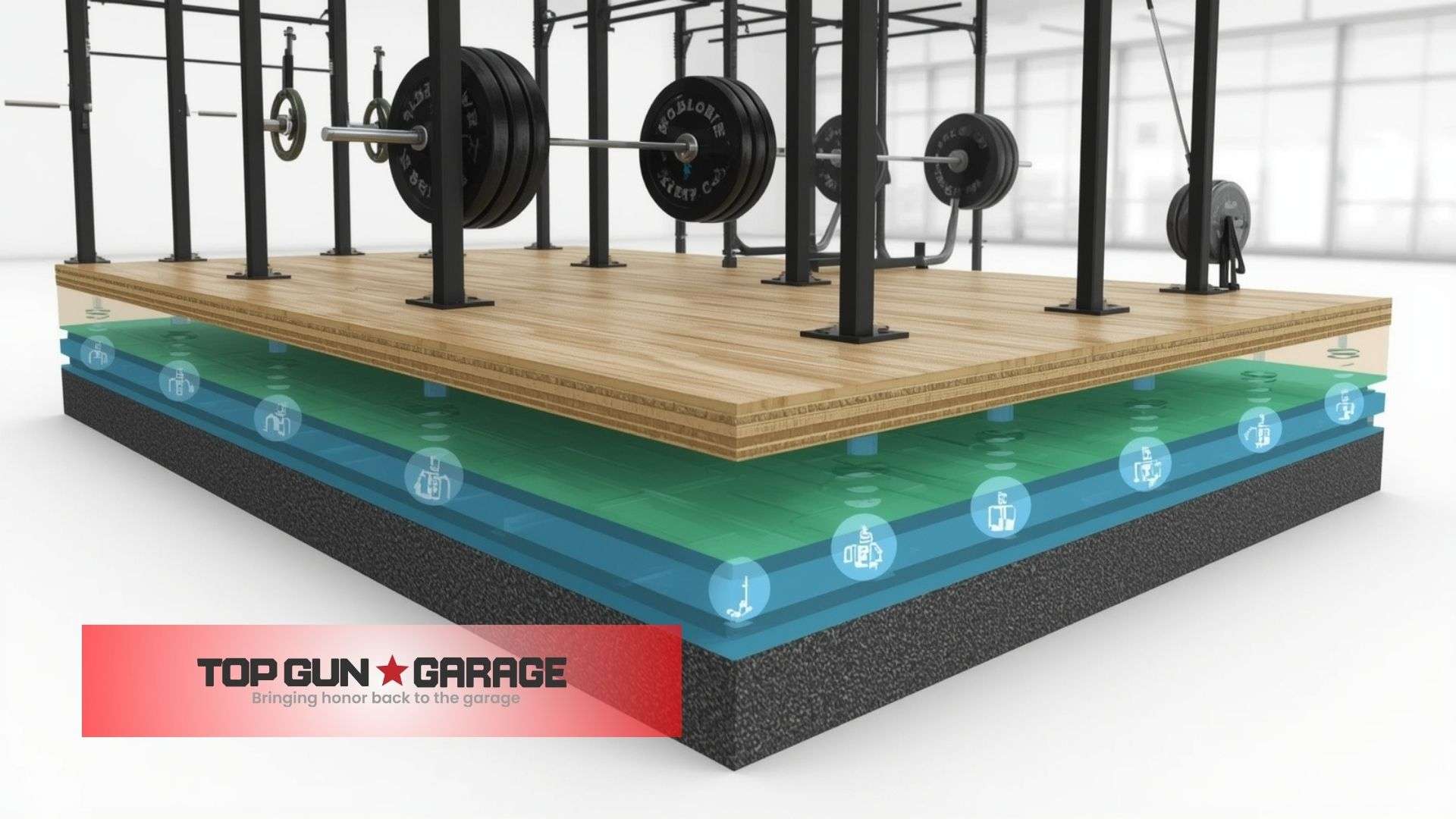
Equipment support begins with load distribution. Heavy equipment like power racks, multi-station machines, and commercial-grade cardio equipment can concentrate thousands of pounds of force into small contact points. Quality flooring spreads these loads across a wider area, preventing damage to subfloors and structural elements. This distribution also improves equipment stability, reducing wobbling and movement that can compromise both safety and workout effectiveness.
Vibration control represents another crucial aspect of equipment support. Treadmills, ellipticals, and other cardio machines generate significant vibration during operation, especially during high-intensity sessions. Without proper flooring, these vibrations transmit through the building structure, creating noise issues for other household members and potentially causing long-term structural problems. Quality flooring materials incorporate vibration-dampening properties that isolate equipment movement from the surrounding structure.
The thermal and moisture management properties of flooring materials also impact equipment performance and longevity. Electronic components in modern fitness equipment are sensitive to temperature fluctuations and humidity levels. Flooring that provides insulation and moisture barriers helps maintain stable environmental conditions, protecting expensive equipment investments and ensuring consistent performance, especially when understanding how temperature affects material performance.
Surface characteristics directly influence workout safety and effectiveness. Appropriate traction levels prevent slipping during dynamic movements while allowing for controlled sliding when needed for specific exercises. The right balance varies depending on the types of activities you perform, making it essential to match flooring properties to your specific workout style and equipment requirements.
Rubber Flooring Solutions for Heavy Equipment
Rubber flooring stands as the gold standard for home gyms that incorporate heavy equipment, particularly weightlifting apparatus and multi-station machines. The inherent properties of rubber make it exceptionally well-suited for environments where equipment protection, user safety, and long-term durability are paramount concerns. Understanding the various types of rubber flooring and their specific applications helps homeowners select the optimal solution for their equipment needs.
Vulcanized rubber flooring offers superior durability and resistance to heavy impacts. This manufacturing process creates cross-linked molecular structures that provide exceptional resilience and recovery properties. When weights are dropped or heavy equipment is moved, vulcanized rubber absorbs the impact energy and returns to its original shape without permanent deformation. This characteristic makes it ideal for serious weightlifting areas where dropped barbells and dumbbells are common occurrences.
Recycled rubber options provide cost-effective solutions while maintaining excellent performance characteristics. These products, often manufactured from reclaimed tire rubber, offer outstanding impact resistance and durability at lower price points than virgin rubber materials. The texture and density variations in recycled rubber can actually enhance traction and provide additional cushioning benefits for certain applications.
Installation considerations for rubber flooring significantly impact long-term performance and equipment support. Proper subfloor preparation ensures level surfaces that prevent equipment rocking and instability. When considering the complexity of achieving professional-grade installation results, many homeowners find value in understanding the advantages of professional installation versus attempting DIY approaches that may compromise performance.
Thickness selection plays a crucial role in optimizing rubber flooring performance for specific equipment types. Quarter-inch rubber works well for lighter equipment and general fitness activities, while half-inch or thicker options provide better protection for heavy weightlifting and high-impact activities. The relationship between thickness and performance isn’t always linear—excessively thick flooring can create instability for certain equipment types, making proper specification critical.
Seaming and edge finishing details significantly affect both performance and aesthetics. Professional-grade installations utilize specialized adhesives and seaming techniques that create seamless surfaces capable of withstanding heavy equipment loads without separation or lifting. Edge treatments prevent tripping hazards while providing clean transitions to adjacent flooring materials.
Specialized Flooring for Cardio Equipment
Cardio equipment presents unique flooring challenges that differ significantly from weightlifting and strength training requirements. Treadmills, elliptical machines, stationary bikes, and rowing machines generate specific types of forces and vibrations that demand specialized flooring solutions. Understanding these requirements helps homeowners create cardio zones that protect equipment, minimize noise transmission, and provide optimal user experiences.
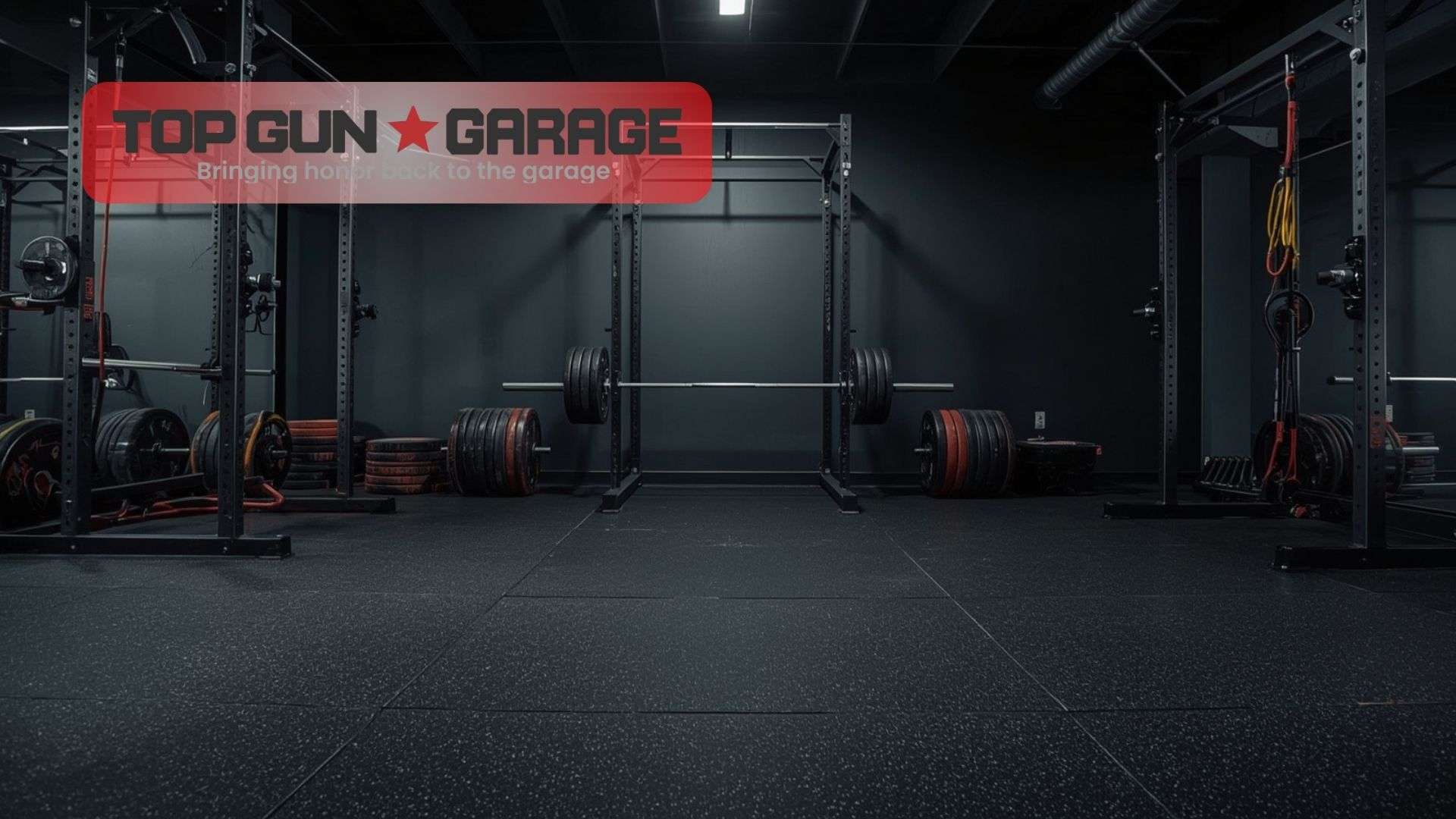
Treadmill flooring requires exceptional stability and vibration dampening properties. The repetitive impact forces generated during running and walking create significant stress on both the machine and the supporting surface. Quality cardio flooring incorporates multiple layers designed to absorb and dissipate these forces while maintaining the stability necessary for safe operation. Dense rubber compositions with specialized backing materials provide the ideal combination of shock absorption and stability.
Elliptical and stationary bike installations benefit from flooring materials that accommodate the unique motion patterns of these machines. The elliptical motion creates multi-directional forces that can cause equipment movement if the flooring doesn’t provide adequate grip and stability. Similarly, high-intensity cycling workouts generate significant lateral forces that require flooring with appropriate slip resistance and dimensional stability.
Noise control becomes particularly important in cardio areas, especially in multi-story homes or shared living spaces. Advanced cardio flooring systems incorporate sound-dampening technologies that significantly reduce noise transmission through floors and walls. These systems often feature multiple material layers, including closed-cell foam cores and dense rubber surfaces that work together to isolate equipment vibrations from the building structure.
Maintenance considerations for cardio flooring differ from other gym areas due to increased perspiration and cleaning requirements. Cardio workouts typically generate more moisture than strength training activities, making moisture resistance and easy cleaning critical factors. Non-porous surfaces with antimicrobial properties help maintain hygienic conditions while preventing odor development and material degradation, which is essential for understanding proper cleaning process methods.
Integration with climate control systems enhances both equipment performance and user comfort. Quality cardio flooring provides thermal insulation that helps maintain stable temperature conditions around sensitive electronic equipment. This insulation also improves user comfort by preventing cold transfer from concrete subfloors during extended workout sessions.
Multi-Zone Flooring Design Strategies
Creating an effective home gym often requires accommodating multiple types of activities and equipment within a single space. Multi-zone flooring design allows homeowners to optimize performance and cost-effectiveness by selecting appropriate materials for each specific area while maintaining overall aesthetic cohesion. This strategic approach recognizes that different activities have varying flooring requirements and that a one-size-fits-all solution rarely provides optimal results.
Zone identification begins with analyzing your workout patterns and equipment requirements. Strength training areas need impact-resistant materials that can handle dropped weights and heavy equipment loads. Cardio zones require vibration-dampening properties and enhanced stability. Flexibility and stretching areas benefit from softer, more comfortable surfaces that provide cushioning for floor exercises. Functional training spaces need materials that support dynamic movements while providing appropriate traction levels.
Transition planning between zones requires careful consideration of safety and aesthetic factors. Smooth transitions prevent tripping hazards while maintaining the visual flow of the space. Professional installation techniques utilize specialized transition strips and edge treatments that create seamless connections between different flooring materials. These transitions must accommodate the different thicknesses and expansion characteristics of various flooring types while providing long-term durability.
Cost optimization through zone design allows homeowners to invest in premium materials where they provide the greatest benefit while using more economical options in areas with less demanding requirements. For example, high-end rubber flooring in weightlifting areas protects expensive equipment and ensures safety, while more basic materials might suffice in stretching or yoga areas. This strategic allocation maximizes performance benefits while managing overall project costs.
Installation sequencing becomes critical in multi-zone projects to ensure proper integration and performance. Professional installers typically begin with the most demanding areas and work toward less critical zones, ensuring that primary equipment areas receive optimal attention and resources. This approach also allows for better management of transitions and edge details that affect overall system performance, particularly when understanding why concrete preparation determines success.
Future flexibility considerations help homeowners adapt their spaces as fitness needs evolve. Well-designed multi-zone systems accommodate equipment changes and layout modifications without requiring complete flooring replacement. Modular systems and strategic zone sizing provide options for future expansion or reconfiguration as workout preferences and equipment selections change over time.
Professional Installation and Long-Term Performance
The quality of flooring installation directly impacts both immediate performance and long-term durability, making professional installation a critical consideration for serious home gym projects. While the initial cost of professional services may seem significant, the long-term benefits in terms of performance, durability, and equipment protection often justify the investment. Understanding what professional installation entails helps homeowners make informed decisions about their flooring projects.
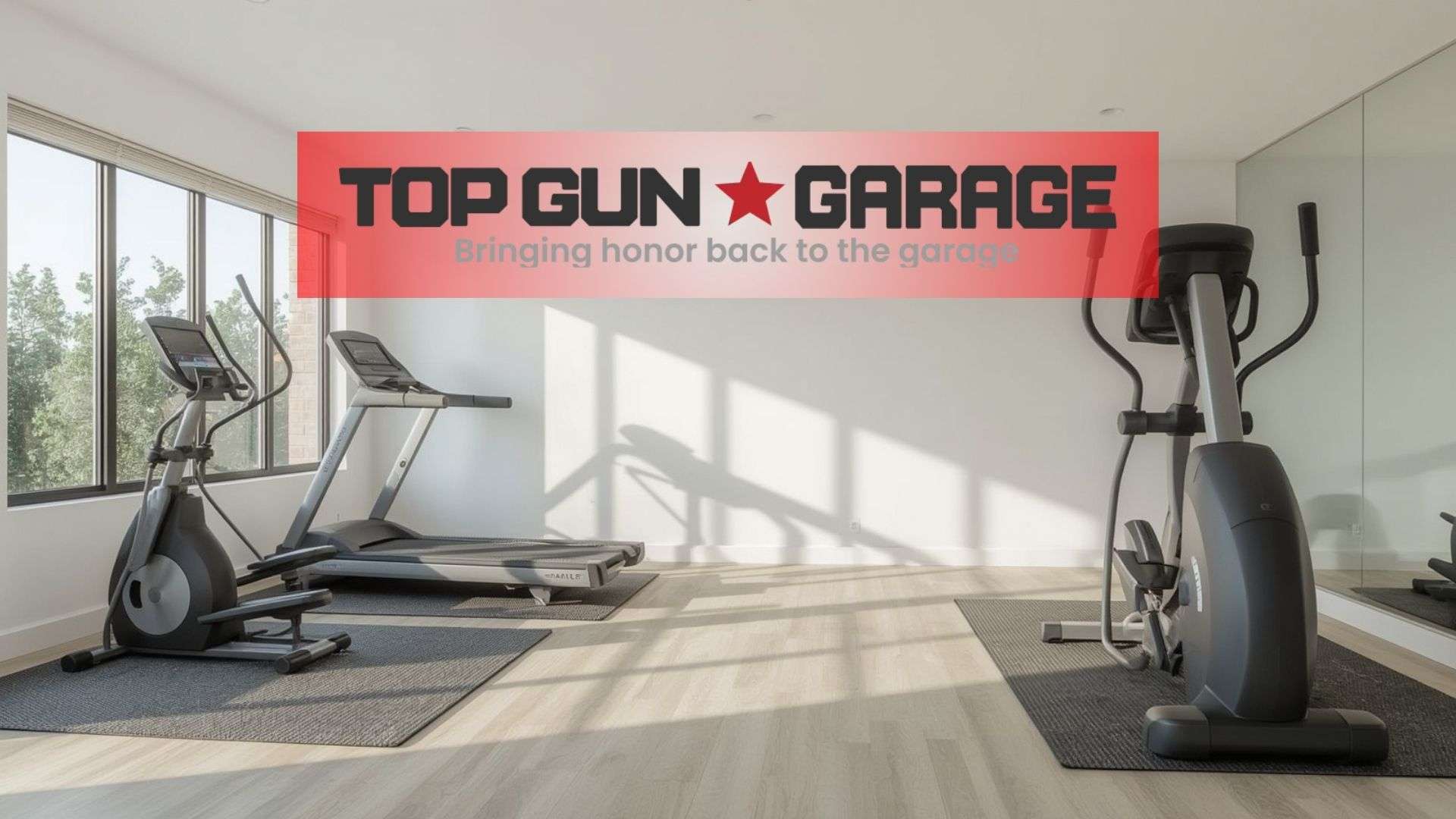
Subfloor preparation represents the foundation of any successful flooring installation. Professional installers assess existing conditions, identify potential problems, and implement solutions that ensure optimal performance. This process includes moisture testing, level verification, structural assessment, and surface preparation that creates ideal conditions for flooring installation. Inadequate subfloor preparation can compromise even the highest-quality flooring materials, making this step critical to long-term success, especially when understanding concrete surface profile requirements.
Adhesive selection and application techniques significantly affect flooring performance and longevity. Professional installers understand the compatibility requirements between different flooring materials and substrates, selecting adhesives that provide optimal bonding while accommodating thermal expansion and contraction. Proper application techniques ensure uniform coverage and appropriate open times that create strong, durable bonds capable of withstanding heavy equipment loads and dynamic forces.
Quality control measures during installation help identify and correct potential issues before they become significant problems. Professional installers utilize specialized tools and techniques to verify proper adhesion, eliminate air bubbles, and ensure seamless integration between flooring sections. These quality control processes are particularly important in equipment areas where performance demands are highest and failure consequences are most severe.
Warranty protection provides valuable peace of mind and financial protection for significant flooring investments. Professional installations typically include comprehensive warranties that cover both materials and workmanship, providing recourse if problems develop. These warranties often require professional installation to remain valid, making DIY approaches potentially costly if issues arise that would otherwise be covered under warranty terms.
For comprehensive guidance on making the installation decision that best fits your project needs and budget, homeowners can explore detailed information about impact-resistant surfaces for equipment and how professional installation ensures optimal performance for different equipment types.
Post-installation support and maintenance guidance help homeowners protect their flooring investment over time. Professional installers provide detailed care instructions, recommended cleaning products, and maintenance schedules that preserve flooring performance and appearance. This ongoing support relationship often proves valuable when questions arise or when future modifications or expansions are planned, particularly when considering proper maintenance that extends life.
Garage Gym Conversions and Climate Considerations
Converting a garage into a home gym presents unique opportunities and challenges that require specialized flooring considerations. Garage spaces typically offer generous square footage and high ceilings ideal for accommodating diverse equipment types, but they also present environmental factors that significantly impact flooring performance and selection.
Temperature fluctuations in garage environments can be more extreme than in climate-controlled interior spaces. These variations affect flooring materials differently, with some types expanding and contracting more dramatically than others. Understanding how temperature affects material structure helps homeowners select flooring systems that maintain performance across seasonal temperature changes.
Moisture management becomes particularly critical in garage conversions, as concrete slab foundations often experience higher moisture levels than interior spaces. Understanding why concrete moisture matters helps prevent flooring failures and equipment damage from moisture-related issues. Professional moisture testing and appropriate vapor barrier systems ensure long-term flooring performance in garage environments.
Concrete preparation in garage settings often requires more intensive work than interior installations due to existing coatings, contamination, or surface irregularities. Proper preparation creates the foundation for successful flooring installation, and understanding concrete preparation methods ensures optimal bonding and performance.
Ventilation and air quality considerations affect both workout comfort and equipment longevity in garage gym conversions. Proper ventilation systems help regulate temperature and humidity while improving air quality during intense workout sessions. Understanding how proper floors improve air quality contributes to creating healthier workout environments.
Frequently Asked Questions
What thickness of flooring do I need for heavy weightlifting equipment? For serious weightlifting areas where barbells and heavy dumbbells are regularly used, flooring thickness of 3/8 inch to 3/4 inch provides optimal protection and performance. Thinner materials may not provide adequate impact protection, while excessively thick options can create stability issues for equipment.
Can I install different flooring types in the same gym space? Yes, multi-zone flooring design is an excellent approach that allows you to optimize materials for specific activities. Professional installation ensures proper transitions between different flooring types while maintaining safety and aesthetic appeal.
How do I prevent my treadmill from moving on the flooring? Proper flooring selection with appropriate slip resistance combined with equipment-specific mats creates the stability needed for cardio equipment. Dense rubber materials typically provide the best combination of grip and vibration dampening for treadmill installations.
What’s the best flooring for a garage gym conversion? Garage conversions typically benefit from rubber flooring systems that provide moisture resistance, temperature stability, and durability. The concrete subfloor common in garages works well with rubber materials when properly prepared and sealed.
How do I clean and maintain gym flooring? Most gym flooring requires regular sweeping or vacuuming followed by damp mopping with pH-neutral cleaners. Avoid harsh chemicals that can degrade rubber materials, and address spills promptly to prevent staining or odor development.
Is professional installation worth the extra cost? For equipment-heavy installations or complex multi-zone designs, professional installation typically provides better long-term value through proper subfloor preparation, correct material selection, and warranty protection that DIY approaches cannot match.
Can gym flooring be installed over existing flooring? In many cases, yes, but the existing flooring must be stable, level, and properly adhered. Professional assessment helps determine whether overlay installation is appropriate or if removal of existing materials is necessary for optimal performance.
What’s the expected lifespan of quality gym flooring? High-quality rubber gym flooring with proper installation and maintenance typically lasts 10-20 years in residential applications. The actual lifespan depends on usage intensity, equipment types, and maintenance practices, which is why understanding why some floors age better helps maximize your investment.
Conclusion
Selecting the right home gym flooring represents one of the most important decisions in creating a functional, safe, and durable workout environment. The flooring you choose directly impacts equipment performance, user safety, and long-term maintenance requirements, making it essential to understand the relationship between different materials and your specific equipment needs. From heavy weightlifting areas requiring maximum impact protection to cardio zones demanding vibration control and stability, each aspect of your home gym benefits from thoughtful flooring selection.
The investment in quality flooring pays dividends through equipment protection, enhanced safety, improved workout experiences, and reduced long-term maintenance costs. Professional installation ensures that your flooring investment delivers optimal performance while providing warranty protection and expert guidance on material selection and maintenance requirements. Whether you’re converting a garage, finishing a basement, or dedicating a room to fitness, the foundation you create through proper flooring selection will support your fitness goals for years to come.
At Top Gun Garage, we understand that every home gym project is unique, with specific requirements based on equipment selection, space constraints, and usage patterns. Our expertise in flooring solutions helps homeowners navigate the complex decisions involved in creating optimal workout environments that protect equipment investments while providing safe, comfortable, and motivating spaces for achieving fitness goals.