 Skip to content




Concrete surfaces in garages, driveways, and parking areas are constantly exposed to oil drips, spills, and leaks from vehicles. Over time, these seemingly minor incidents accumulate into stubborn, deeply penetrated stains that can make even the most well-maintained spaces look neglected and unprofessional. Whether you’re dealing with fresh oil spots or stains that have been setting for years, understanding the proper removal techniques can restore your concrete surfaces to their original appearance.
The challenge with oil stains on concrete lies in the porous nature of the material itself. Unlike sealed surfaces where spills sit on top, concrete readily absorbs liquids, allowing oil to penetrate deep into the substrate. This penetration creates a bond between the oil and the concrete that becomes increasingly difficult to break as time passes. What might start as a small drip from a car’s engine can quickly spread and darken, creating an eyesore that traditional cleaning methods simply cannot address.
Many property owners assume that old oil stains are permanent fixtures they must live with, but this couldn’t be further from the truth. With the right approach, materials, and techniques, even the most stubborn oil stains can be successfully removed from concrete surfaces. The key lies in understanding the science behind oil penetration and selecting appropriate removal methods based on the age, size, and depth of the stains you’re dealing with.
Professional contractors and experienced DIY enthusiasts know that successful oil stain removal requires more than just applying a cleaning product and hoping for the best. It involves careful assessment of the stain characteristics, proper surface preparation, selection of appropriate removal agents, and systematic application of proven techniques. The process may require patience and multiple treatment cycles, but the results can be truly transformative.
This comprehensive guide will walk you through everything you need to know about tackling oil stains on concrete, from understanding why they occur to implementing effective removal strategies that deliver lasting results.
Key Takeaways
Oil penetration depth determines removal difficulty: Fresh spills affect only the surface layer, while years-old stains can penetrate several inches into the concrete substrate, requiring more aggressive treatment methods and longer processing times.
Multiple treatment cycles often necessary: Deeply embedded oil stains rarely respond to single applications of cleaning agents. Plan for 2-4 treatment cycles, allowing proper drying time between applications to achieve optimal results.
Surface preparation is critical: Cleaning the concrete of dirt, debris, and surface contaminants before applying oil removal products significantly improves treatment effectiveness and ensures better chemical penetration.
Different stain ages require different approaches: Fresh oil responds well to absorbent materials and basic degreasers, while older stains may require alkaline cleaners, enzymatic treatments, or even mechanical removal methods.
Safety equipment and ventilation are essential: Many effective oil removal products contain strong chemicals that require proper protective equipment, adequate ventilation, and careful handling to prevent injury or property damage.
Professional assessment saves time and money: Complex or extensive staining situations often benefit from professional evaluation to determine the most cost-effective approach and avoid potential damage from inappropriate treatment methods.
Prevention strategies reduce future problems: Implementing protective measures like sealers, drip pans, and regular maintenance schedules can prevent new oil stains from forming and make future cleanup efforts much easier.
Understanding Oil Stain Formation and Penetration
Oil stains on concrete develop through a process that begins the moment petroleum-based fluids contact the surface. Unlike non-porous materials where spills remain on the surface until wiped away, concrete’s inherent porosity creates pathways for oil to migrate deep into the substrate. This penetration occurs rapidly, with significant absorption happening within the first few hours of contact.
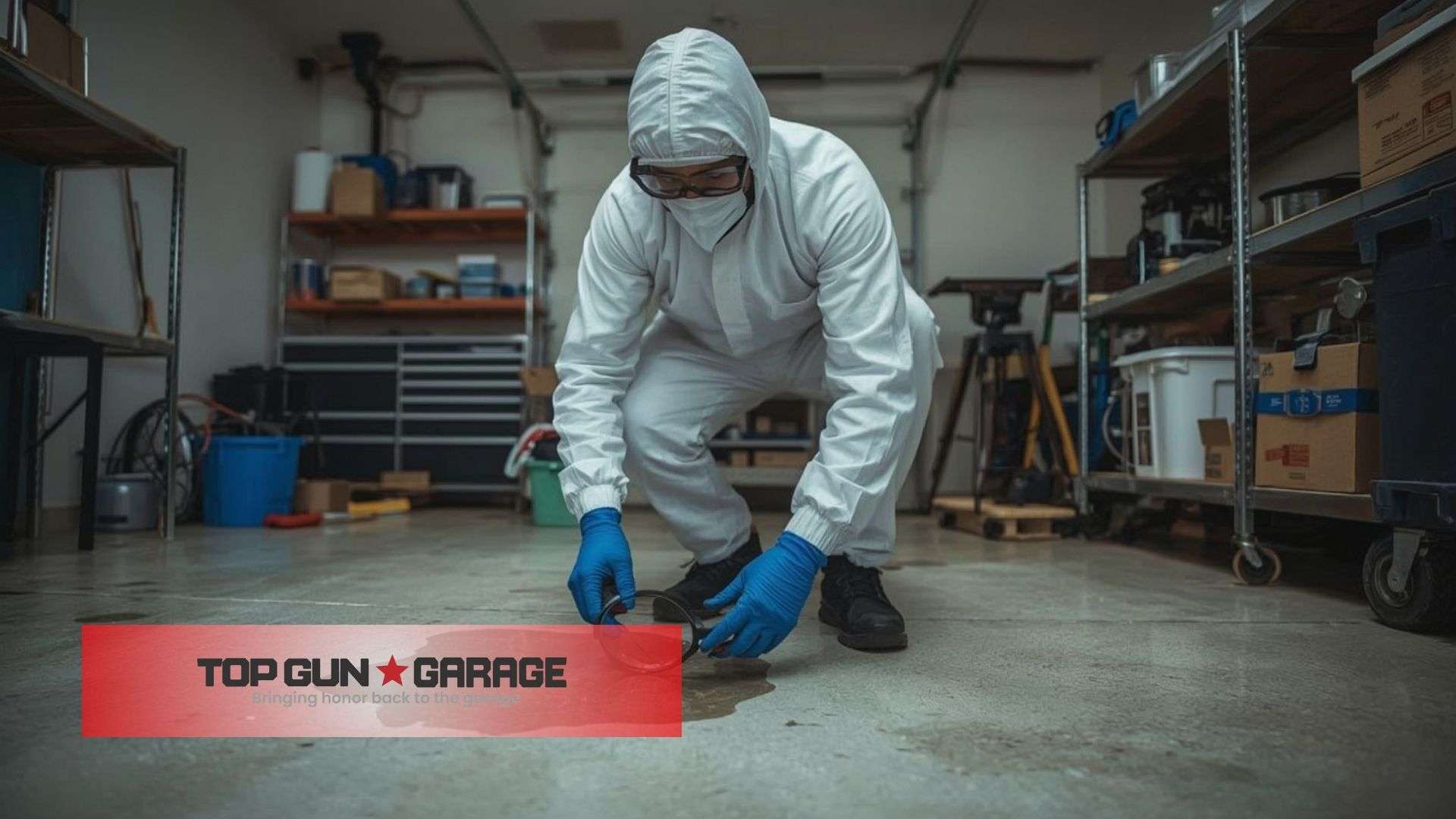
The concrete matrix consists of cement paste, aggregate, and numerous microscopic pores and capillaries. When oil contacts this surface, capillary action draws the fluid into these tiny spaces, while gravity pulls it deeper into the substrate. The rate and depth of penetration depend on several factors, including the concrete’s age, porosity, existing moisture content, and the viscosity of the oil itself. Understanding how concrete porosity affects bonding helps explain why some surfaces are more susceptible to staining than others. Older, more porous concrete typically absorbs oil more readily than newer, denser surfaces.
As oil penetrates the concrete, it begins to bond with the cement paste and aggregate particles. This bonding becomes stronger over time as the oil undergoes oxidation and polymerization processes, essentially becoming part of the concrete structure. Fresh oil stains appear dark and may have a wet appearance, while older stains typically appear as darker, matte areas that have lost their original fluid characteristics.
Temperature plays a significant role in both stain formation and removal difficulty. Heat causes oil to become less viscous, allowing deeper penetration, while also accelerating the chemical processes that create stronger bonds with the concrete. This is why oil stains in warm climates or heated garage spaces often prove more challenging to remove than those in cooler environments.
Understanding this penetration process is crucial for selecting appropriate removal methods. Surface treatments that work well on fresh spills may prove completely ineffective against deeply penetrated, aged stains. Successful removal requires breaking the chemical bonds between oil and concrete while drawing the contaminated material back to the surface where it can be extracted or neutralized.
Assessment and Preparation Techniques
Before attempting any oil stain removal, conducting a thorough assessment of the affected area provides crucial information for selecting the most effective treatment approach. Begin by examining the stain’s size, color, and apparent age. Fresh stains typically appear darker and may still have a slightly wet or glossy appearance, while older stains appear matte and may have lighter edges where the oil has spread and weathered over time.
Test the stain’s depth by applying a small amount of water to different areas. If water beads on the stained surface, oil is still present near the top and may respond well to surface treatments. If water absorbs readily into the stained area, the oil has likely penetrated deeply and will require more aggressive removal methods. Document your findings with photographs, as this will help track progress through multiple treatment cycles.
Surface preparation begins with removing all loose debris, dirt, and surface contaminants from the treatment area. Sweep the concrete thoroughly, then use a pressure washer or garden hose to remove embedded dirt and grime. Allow the surface to dry completely before proceeding, as moisture can interfere with the effectiveness of many oil removal products. This drying period also provides an opportunity to observe how the clean, wet concrete looks compared to the stained areas.
For areas with multiple overlapping stains or extensive contamination, create a treatment plan that prioritizes the most problematic areas while considering the most efficient workflow. Mark treatment zones with chalk or tape to ensure systematic coverage and prevent missing areas during application. This planning phase is particularly important when working with time-sensitive products that require specific application and processing intervals.
Gather all necessary materials and safety equipment before beginning treatment. This includes appropriate cleaning agents, application tools, protective equipment, and disposal containers for contaminated materials. Having everything readily available prevents delays during treatment that could compromise results. Understanding different concrete surface preparation methods helps ensure proper foundation for treatment success. Many property owners find that investing time in thorough preparation significantly improves their success rates and reduces the need for repeated treatments.
Chemical Treatment Methods and Applications
Chemical treatment represents the most common and often most effective approach for removing established oil stains from concrete. The key lies in selecting the right chemical agent based on the stain’s characteristics and applying it properly to maximize penetration and effectiveness. Different chemical families work through various mechanisms, from breaking down oil molecules to emulsifying them for easier removal.
Alkaline cleaners, including those containing sodium hydroxide or potassium hydroxide, work by saponifying oils and breaking down their molecular structure. These products are particularly effective on older stains where the oil has begun to polymerize. Apply alkaline cleaners by mixing according to manufacturer instructions, then spreading evenly over the stained area using a brush or spray application. Allow the product to dwell for the recommended time, typically 15-30 minutes, while keeping the surface moist to prevent premature drying.
Enzymatic cleaners offer a biological approach to oil stain removal by introducing specific enzymes that break down petroleum-based compounds. These products work more slowly than chemical alternatives but can be highly effective on deeply penetrated stains. Enzymatic treatments often require longer contact times, sometimes several hours or overnight applications, and may need multiple treatments to achieve desired results. The advantage of enzymatic cleaners lies in their ability to continue working as long as moisture and appropriate temperatures are maintained.
Solvent-based removers use petroleum distillates or other organic solvents to dissolve oil stains and bring them back to the surface. While highly effective, these products require careful handling due to flammability and vapor concerns. Apply solvents in thin, even coats and work in small sections to maintain control over the process. Always ensure adequate ventilation and eliminate ignition sources when using solvent-based products.
For those dealing with extensive staining issues, understanding why concrete preparation determines success provides comprehensive guidance on selecting and applying the most appropriate chemical treatments for various stain types and concrete conditions. The success of chemical treatments often depends on proper application technique, adequate contact time, and appropriate follow-up procedures to remove loosened contaminants from the concrete surface.
Understanding the proper cleaning process ensures effective treatment application without compromising the concrete substrate. Proper technique and timing are essential for achieving optimal results.
Mechanical and Abrasive Removal Techniques
When chemical treatments prove insufficient or when dealing with extremely stubborn stains, mechanical removal methods can provide the additional aggressive action needed to restore concrete surfaces. These techniques physically remove the contaminated concrete layer, exposing clean material underneath. While more labor-intensive than chemical methods, mechanical approaches often deliver immediate, visible results.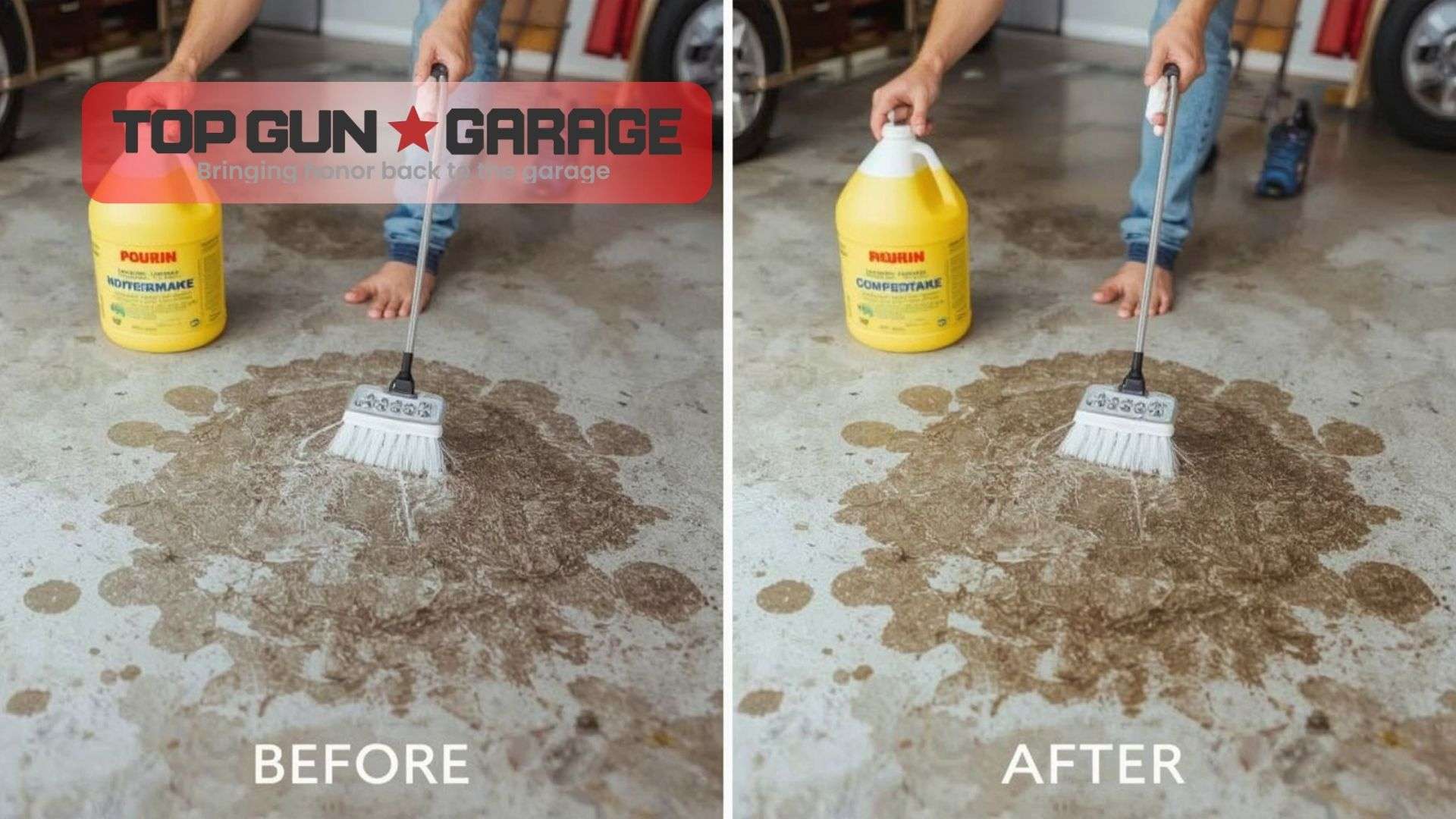
Pressure washing with hot water and appropriate detergents combines chemical and mechanical action for enhanced effectiveness. Use a pressure washer capable of producing at least 3000 PSI with a hot water option when available. Begin with a wide-angle nozzle to avoid concrete damage, then gradually move to more focused nozzles as needed. Apply cleaning agents first, allow proper dwell time, then follow with high-pressure rinsing. Multiple passes may be necessary, and always work systematically to ensure even coverage.
Grinding and scarification represent the most aggressive mechanical removal methods, literally removing the top layer of contaminated concrete. These techniques require specialized equipment, including concrete grinders with appropriate diamond or carbide tooling. Start with coarser grits to remove heavily contaminated material, then progress to finer grits to achieve a uniform surface finish. Understanding what concrete grinding preparation means helps homeowners recognize when professional grinding services are necessary. Proper dust control is essential during grinding operations to protect both workers and surrounding areas.
Wire brushing and scrubbing provide intermediate mechanical action that can enhance chemical treatments without requiring specialized equipment. Use stiff-bristled brushes in combination with cleaning agents, working the bristles into the concrete surface to help break up bonded contaminants. This technique works particularly well when applied during the dwell time of chemical treatments, helping to agitate and loosen stubborn deposits.
Sandblasting and media blasting offer controlled abrasive removal for situations where precision is important. These methods allow operators to adjust aggressiveness by selecting appropriate media types and pressures. Sandblasting works well for localized stain removal but requires significant setup and cleanup. Always use proper containment and respiratory protection when employing abrasive removal methods.
The choice between mechanical methods often depends on available equipment, operator skill level, and the extent of staining. For complex situations involving both surface preparation and stain removal, many property owners find that understanding DIY limitations versus professional advantages helps determine the most efficient approach while avoiding potential damage to the concrete substrate.
Advanced Treatment Strategies for Stubborn Stains
Some oil stains resist conventional treatment methods due to their age, depth, or the specific type of petroleum product involved. These challenging situations require advanced strategies that combine multiple approaches or employ specialized techniques designed for the most difficult cases. Success with stubborn stains often requires patience, persistence, and willingness to try multiple treatment cycles with different approaches.
Heat application can significantly improve the effectiveness of both chemical and mechanical treatments by making embedded oils more mobile and easier to extract. Use infrared heaters or steam cleaning equipment to warm the concrete surface before applying cleaning agents. The increased temperature helps reactivate hardened oils and improves chemical penetration. Maintain surface temperatures between 100-150°F during treatment, being careful not to overheat and potentially damage the concrete or create safety hazards.
Poultice treatments involve creating a paste-like mixture that draws contaminants from deep within the concrete. Combine absorbent materials like fuller’s earth, kitty litter, or specialized clay products with appropriate solvents or cleaning agents. Apply this mixture in a thick layer over the stained area, then cover with plastic sheeting to prevent premature drying. Allow the poultice to work for 24-48 hours before removal, during which time it will draw oil from the concrete and concentrate it in the absorbent material.
Combination treatments sequence different removal methods to address various aspects of stubborn stains. Begin with chemical pre-treatment to break down and mobilize embedded oils, follow with mechanical agitation to help extract loosened contaminants, then conclude with additional chemical treatment to address any remaining residue. This multi-step approach often succeeds where single-method treatments fail.
For property owners who encounter persistent staining issues despite multiple treatment attempts, understanding when concrete repairs are needed can provide valuable perspective on when surface restoration becomes necessary. Professional contractors have access to specialized equipment, commercial-grade chemicals, and advanced techniques that may not be practical for typical homeowners to implement.
Electrochemical treatments represent cutting-edge technology for the most challenging oil stain removal situations. These systems use electrical current to enhance the migration of contaminants through the concrete matrix, effectively drawing them toward collection electrodes placed on the surface. While not commonly available for residential use, these treatments demonstrate the continuing evolution of stain removal technology.
Prevention and Long-Term Protection
Successfully removing oil stains is only part of the solution—preventing future staining is equally important for maintaining pristine concrete surfaces. Once your concrete has been restored, implementing protective measures helps preserve that investment and makes future maintenance much easier.
Concrete sealers provide the first line of defense against oil penetration. Modern penetrating sealers chemically react with the concrete to create a protective barrier that resists oil absorption while still allowing moisture vapor transmission. Film-forming sealers create a physical barrier on the surface that prevents liquids from contacting the concrete. Understanding why concrete sealers interfere with bonding helps homeowners select appropriate protective treatments for their specific needs.
For comprehensive protection, many homeowners choose to install epoxy or polyaspartic floor coatings after stain removal. These systems provide complete coverage that prevents oil from ever contacting the concrete substrate. Learning about epoxy floor coating benefits helps homeowners understand how protective coatings enhance both appearance and functionality.
Regular maintenance schedules help catch fresh spills before they become permanent stains. Implement weekly inspections of high-risk areas, and keep absorbent materials and cleaning supplies readily available for immediate spill response. Understanding secrets to making floors last decades includes recognizing the importance of preventive maintenance.
Frequently Asked Questions
How long does it typically take to remove years-old oil stains from concrete? Removing established oil stains usually requires 2-4 treatment cycles over several weeks. Fresh stains may respond to single treatments, while deeply penetrated stains that have been present for years often need multiple applications with 3-7 days between treatments to allow complete drying and assessment of progress.
Can oil stains permanently damage concrete surfaces? Oil stains rarely cause structural damage to concrete, but they can create permanent discoloration if left untreated for extended periods. The longer oil remains in contact with concrete, the deeper it penetrates and the more difficult it becomes to remove completely without mechanical surface removal.
What household products work effectively for oil stain removal? Common household items like dish soap, baking soda, and cola can help with fresh stains, but established stains typically require commercial-grade degreasers or specialized concrete cleaners. Dish soap works by emulsifying oils, while baking soda provides mild abrasive action and absorption.
Is it safe to use muriatic acid for oil stain removal? Muriatic acid is not effective for oil stain removal and can actually damage concrete surfaces. Acid-based cleaners work on mineral stains but do not break down petroleum-based contaminants. Use alkaline cleaners or degreasers specifically designed for oil removal instead.
Should I seal concrete after removing oil stains? Sealing concrete after successful stain removal helps prevent future oil penetration and makes cleanup of new spills much easier. Wait at least 28 days after stain removal treatments before applying sealers to ensure complete drying and chemical neutralization.
Why do some stains appear to return after successful removal? Stains may appear to return if oil deep within the concrete continues to migrate to the surface over time. This is common with very deep penetration where initial treatments didn’t reach all contaminated areas. Additional treatment cycles can address this ongoing migration.
What’s the difference between removing motor oil versus hydraulic fluid stains? Different petroleum products have varying viscosities and chemical compositions that affect removal difficulty. Motor oil typically responds well to standard degreasers, while hydraulic fluids and gear oils may require stronger solvents or longer treatment times due to their different formulations.
Can pressure washing alone remove established oil stains? Pressure washing alone rarely removes established oil stains effectively. While it can help with surface preparation and final cleanup, chemical pre-treatment is usually necessary to break down and mobilize embedded oils before mechanical removal methods can be effective.
Conclusion
Successfully removing years of oil stains from concrete requires understanding the science behind oil penetration, selecting appropriate treatment methods, and maintaining realistic expectations about the process timeline. While challenging, even the most stubborn stains can typically be significantly improved or completely eliminated with proper techniques and persistence. The key lies in matching treatment methods to stain characteristics and being prepared for multiple treatment cycles when dealing with deeply embedded contamination.
The investment of time and effort required for oil stain removal pays dividends in improved appearance, property value, and long-term concrete maintenance. Clean concrete surfaces not only look more professional and welcoming but also provide a better foundation for protective treatments that prevent future staining problems. Whether you choose to tackle the project yourself or work with professional contractors, the techniques outlined in this guide provide a solid foundation for achieving excellent results.
Remember that prevention remains the most cost-effective approach to managing oil stains on concrete. Regular maintenance, prompt cleanup of fresh spills, and application of appropriate sealers can prevent most staining problems from developing in the first place. For property owners dealing with ongoing vehicle maintenance or industrial activities, implementing comprehensive spill prevention and response procedures protects concrete investments while minimizing future cleanup requirements.
At Top Gun Garage, we understand that pristine concrete surfaces are essential for both functionality and aesthetics in residential and commercial spaces. Our experience with challenging stain removal projects has shown that the right combination of knowledge, technique, and persistence can restore even the most problematic concrete surfaces to like-new condition.