 Skip to content



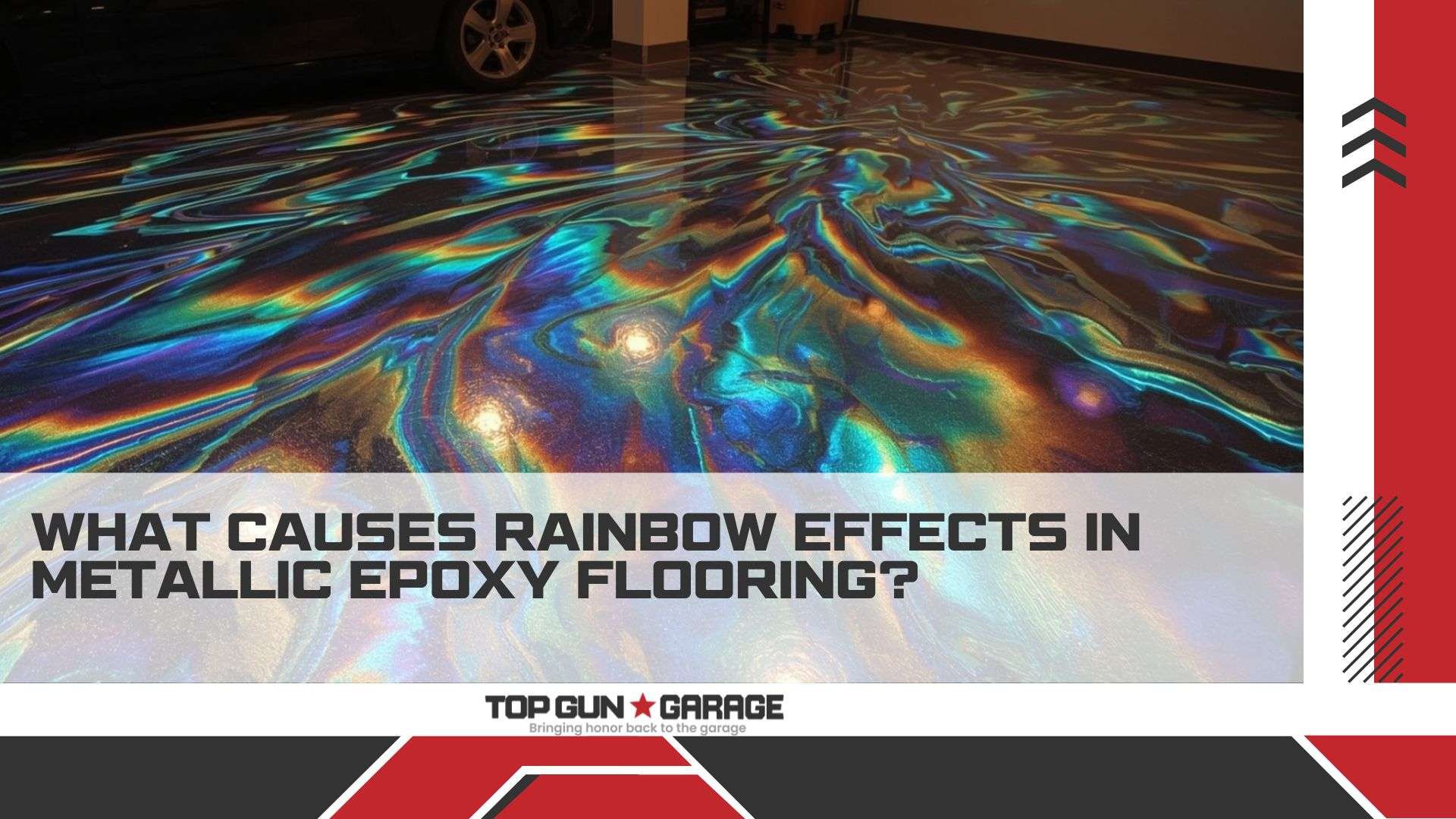
Metallic epoxy flooring has revolutionized the way we think about decorative concrete surfaces, offering homeowners and business owners an opportunity to transform ordinary floors into stunning works of art. Among the most captivating features of these installations are the mesmerizing rainbow effects that can appear across the surface, creating an ever-changing display of colors that shifts with lighting and viewing angles.
These rainbow phenomena in metallic epoxy floors aren’t accidental occurrences but rather the result of specific scientific principles and installation techniques working in harmony. Understanding what causes these spectacular optical displays can help property owners make informed decisions about their flooring projects and set appropriate expectations for the final results.
The rainbow effects in metallic epoxy flooring stem from a combination of factors including the properties of metallic pigments, the thickness and application of the epoxy coating, lighting conditions, and the skilled techniques employed during installation. These elements work together to create thin-film interference patterns that produce the characteristic iridescent appearance that makes metallic epoxy floors so sought after.
For those considering this type of flooring, it’s essential to understand that achieving consistent and desirable rainbow effects requires expertise and experience. The interplay between materials, environmental conditions, and application methods means that the final appearance can vary significantly based on numerous variables. Professional installers who understand these complexities can better control and predict the outcomes, ensuring that the finished floor meets or exceeds expectations.
The science behind these rainbow effects involves optical physics principles that most people encounter daily but rarely notice. From soap bubbles to oil slicks on wet pavement, thin-film interference creates rainbow patterns in many natural and artificial situations. In metallic epoxy floors, this same phenomenon is harnessed and controlled to create intentional decorative effects that add value and visual appeal to any space.
Key Takeaways
Thin-Film Interference: The primary cause of rainbow effects in metallic epoxy floors is thin-film interference, where light waves interact with the metallic particles and epoxy layers to create iridescent patterns. This optical phenomenon occurs when light reflects off multiple surfaces at slightly different depths, causing certain wavelengths to amplify while others cancel out.
Metallic Pigment Properties: The type, size, and distribution of metallic pigments significantly influence the intensity and character of rainbow effects. Finer particles tend to create more subtle iridescence, while larger flakes produce more dramatic color shifts and reflective properties.
Application Technique Impact: The method used to apply and manipulate the metallic epoxy coating directly affects the final appearance. Factors such as application speed, tool selection, and movement patterns during installation all contribute to how the metallic particles orient themselves within the coating.
Environmental Conditions: Temperature, humidity, and air circulation during installation can influence how the epoxy cures and how the metallic particles settle, ultimately affecting the development of rainbow patterns throughout the floor surface.
Lighting Dependency: The visibility and intensity of rainbow effects vary dramatically with different lighting conditions. Natural sunlight, LED lighting, and fluorescent fixtures each interact differently with the metallic particles, creating varying degrees of iridescence throughout the day.
Professional Installation Benefits: Achieving consistent and desirable rainbow effects requires significant expertise and experience. Professional installers understand how to manipulate variables to control the final appearance and can troubleshoot issues that arise during the installation process.
Understanding the Science Behind Rainbow Effects
The rainbow effects observed in metallic epoxy floors are fundamentally rooted in the physics of light interaction with materials. This phenomenon, known as thin-film interference, occurs when light waves encounter surfaces separated by very small distances, typically measured in nanometers to micrometers. In metallic epoxy systems, these conditions are created by the interaction between metallic pigments, the epoxy resin matrix, and the varying thickness of the coating layers.

When light strikes a metallic epoxy floor, it doesn’t simply reflect off a single surface. Instead, some light reflects from the top surface of the epoxy coating, while other light penetrates the coating and reflects off the metallic particles embedded within. These reflected light waves then travel back through the coating and recombine with the surface reflections. Because the light waves have traveled different distances, they may be either in phase or out of phase when they recombine.
The interference patterns created by this process determine which colors are enhanced and which are diminished at any given point on the floor. When light waves are in phase, they amplify each other, creating bright, vivid colors. When they’re out of phase, they cancel each other out, reducing the intensity of specific wavelengths. This selective enhancement and cancellation of different colors creates the characteristic rainbow appearance that shifts as viewing angles and lighting conditions change.
The thickness of the epoxy coating plays a crucial role in determining which colors are produced. Different coating thicknesses will enhance different wavelengths of light, which is why rainbow effects can vary across a single floor installation. Areas where the coating is slightly thicker may display different colors than thinner sections, contributing to the dynamic, ever-changing appearance that makes metallic epoxy floors so visually compelling.
The Role of Metallic Pigments in Creating Iridescence
Metallic pigments serve as the foundation for rainbow effects in epoxy flooring systems, acting as microscopic mirrors that reflect and scatter light in complex ways. These pigments are typically made from aluminum, bronze, or other metallic materials that have been processed into extremely thin flakes or particles. The size, shape, and surface characteristics of these particles directly influence the type and intensity of rainbow effects that develop in the finished floor.
The manufacturing process of metallic pigments involves grinding metals into increasingly fine particles, often resulting in flakes that are only a few micrometers thick but may be tens of micrometers in width and length. This creates particles with a high aspect ratio, meaning they’re much wider than they are thick. When these flakes are suspended in epoxy resin, they tend to orient themselves parallel to the floor surface, creating layers of reflective material at various depths within the coating.
Different metallic pigments produce distinct optical effects based on their composition and physical properties. Aluminum-based pigments typically create silver and blue-toned rainbow effects, while bronze and copper pigments tend to produce warmer colors including golds, oranges, and reds. The particle size distribution within a pigment batch also affects the final appearance, with uniform particle sizes creating more consistent effects and mixed sizes producing more varied, dynamic patterns.
The concentration of metallic pigments in the epoxy mixture significantly impacts the intensity of rainbow effects. Higher concentrations generally produce more dramatic iridescence but can also make the effects more difficult to control during installation. Lower concentrations may result in more subtle effects that are easier to manage but may not provide the visual impact desired by some property owners. Professional installers must balance these factors to achieve the desired aesthetic while maintaining practical workability during application. For those interested in exploring metallic epoxy colors that change with lighting, understanding pigment properties is essential.
Surface treatments applied to metallic pigments can also influence their optical properties. Some pigments are coated with thin layers of other materials to enhance their reflective properties or to improve their compatibility with epoxy resins. These treatments can affect how light interacts with the particles and may influence the colors and patterns that develop in the finished floor.
Installation Techniques That Influence Rainbow Development
The installation process for metallic epoxy floors requires careful attention to technique and timing to achieve optimal rainbow effects. The way installers apply, manipulate, and finish the coating directly impacts how metallic particles distribute themselves within the epoxy matrix and how they orient relative to the floor surface. These factors, in turn, determine the intensity, consistency, and character of the rainbow patterns that develop.
Application speed plays a critical role in rainbow development. When epoxy is applied too quickly, metallic particles may not have sufficient time to properly orient themselves, resulting in uneven or muted effects. Conversely, working too slowly can allow the epoxy to begin curing before the desired particle distribution is achieved, potentially creating unwanted patterns or inconsistencies. Experienced installers develop a feel for the optimal working pace based on environmental conditions and specific materials being used.
The tools used during installation significantly influence the final appearance of rainbow effects. Different applicators create different flow patterns in the wet epoxy, which affects how metallic particles move and settle. Rollers, squeegees, brushes, and specialty tools each produce distinct effects, and skilled installers often use combinations of tools to achieve specific aesthetic goals. The pressure applied and the direction of tool movement also contribute to the final particle distribution and orientation.
Manipulation techniques during the working time of the epoxy allow installers to enhance or modify rainbow effects as they develop. These may include gentle stirring motions, controlled air flow, or specialized techniques for encouraging particle movement. However, over-manipulation can disrupt the natural settling patterns and may result in less desirable effects. The key is understanding when and how much manipulation is beneficial for the specific installation conditions.
Environmental control during installation is crucial for consistent rainbow development. Temperature affects the viscosity of the epoxy and the rate at which it cures, both of which influence particle movement and final positioning. Humidity can affect surface tension and may impact how the coating flows and levels. Air circulation patterns can create subtle movement in the wet coating that affects particle distribution. Professional installers monitor and control these variables to optimize conditions for rainbow effect development. Understanding the complexity of these installation factors helps explain why many property owners choose to work with experienced professionals rather than attempting DIY installation approaches that may not yield the desired results.
Environmental Factors Affecting Rainbow Intensity
The environment in which metallic epoxy floors are installed and subsequently used plays a significant role in determining the intensity and character of rainbow effects. Temperature variations, humidity levels, air circulation patterns, and lighting conditions all contribute to how these optical phenomena develop and how they appear to observers over time. Understanding these environmental influences helps explain why rainbow effects can vary between installations and even within the same floor under different conditions.
Temperature affects rainbow development in multiple ways throughout the installation and curing process. Higher temperatures typically reduce epoxy viscosity, allowing metallic particles to move more freely and potentially creating more dynamic patterns. However, elevated temperatures also accelerate curing, which can reduce the working time available for achieving desired effects. Lower temperatures have the opposite effects, increasing viscosity and extending working time but potentially limiting particle mobility. The thermal expansion and contraction of both the epoxy coating and the substrate can also influence the final appearance of rainbow patterns.
Humidity levels during installation can significantly impact the development of rainbow effects through their influence on surface tension and curing characteristics. High humidity may affect how the epoxy coating flows and levels, potentially altering the distribution of metallic particles. It can also influence the formation of surface films or other phenomena that might affect light interaction with the coating. Low humidity conditions may lead to faster solvent evaporation and different flow characteristics that impact particle positioning. Understanding how humidity affects installation timing is essential for optimal results.
Air circulation patterns in the installation environment can create subtle movements in the wet epoxy coating that influence particle distribution. Gentle, controlled air movement may enhance the development of certain rainbow patterns, while excessive air flow can disrupt the coating surface and create undesirable effects. The direction and consistency of air movement can also affect how particles orient themselves as the coating cures, potentially creating directional patterns in the rainbow effects.
Lighting conditions in the finished space dramatically affect how rainbow effects appear to observers. Natural sunlight contains the full spectrum of visible light and typically produces the most vibrant rainbow displays. However, the angle and intensity of sunlight change throughout the day, creating dynamic shifts in the appearance of the floor. Artificial lighting sources each have their own spectral characteristics that interact differently with the metallic particles. LED lighting, fluorescent fixtures, and incandescent bulbs all produce different effects, and the positioning of light sources relative to the floor and viewing angles influences the visibility and intensity of rainbow patterns.
Controlling and Predicting Rainbow Patterns
While rainbow effects in metallic epoxy floors involve complex physical and chemical processes, experienced installers can exert significant control over their development through careful planning, material selection, and application techniques. This control allows for the creation of floors that meet specific aesthetic goals while minimizing unwanted variations or inconsistencies. However, achieving this level of control requires deep understanding of the underlying processes and extensive practical experience.
Material selection forms the foundation of rainbow effect control. Different metallic pigments produce different types and intensities of iridescence, and the choice of pigment system directly influences the final appearance. Epoxy formulations also vary in their optical properties, with some systems designed specifically to enhance rainbow effects while others prioritize different characteristics. The ratio of metallic pigments to epoxy resin affects both the intensity of effects and the workability of the mixture during installation.
Substrate preparation plays an often-overlooked role in rainbow effect development. The smoothness, porosity, and color of the underlying surface can influence how light interacts with the metallic epoxy coating. Variations in substrate characteristics across a floor can lead to corresponding variations in rainbow intensity and character. Proper substrate preparation ensures consistent conditions for coating application and can help minimize unwanted variations in the final appearance.
Application planning involves determining the sequence of operations, tool selection, and timing to achieve desired rainbow patterns. This may include decisions about application direction, overlap patterns, and coordination between multiple installers working on the same floor. Large installations often require careful planning to maintain consistency across seams and transitions between work areas. The timing of various application steps must be coordinated with environmental conditions and material working times.
Quality control during installation involves continuous monitoring of developing rainbow effects and making real-time adjustments as needed. This requires the ability to recognize when patterns are developing as desired and when intervention may be necessary. Experienced installers can often predict how effects will develop based on early indicators and can take corrective action before problems become permanent. However, this level of skill requires significant training and experience that highlights the value of professional installation services.
Post-installation factors can also influence the long-term appearance of rainbow effects. The application of topcoats or sealers may modify the optical properties of the floor system, potentially enhancing or diminishing rainbow patterns. Maintenance practices, wear patterns, and environmental exposure can also affect the appearance of these effects over time. Understanding these factors helps property owners maintain the desired appearance of their metallic epoxy floors throughout their service life.
Common Issues and Troubleshooting Rainbow Effects
Despite careful planning and execution, metallic epoxy installations can sometimes develop rainbow effects that don’t meet expectations or that present unwanted characteristics. Understanding common issues and their causes helps both installers and property owners identify problems early and take appropriate corrective action. Many of these issues stem from variations in the complex factors that influence rainbow development, and addressing them often requires expert knowledge and experience.
Inconsistent rainbow intensity across a floor surface is one of the most common issues encountered in metallic epoxy installations. This can result from variations in coating thickness, uneven distribution of metallic particles, or differences in substrate conditions. Environmental factors such as temperature gradients or uneven air circulation can also contribute to inconsistent effects. In some cases, these variations may be subtle and within acceptable limits, while in others they may be significant enough to require corrective action.
Muddy or muted rainbow effects often indicate problems with particle distribution or orientation within the epoxy coating. This can occur when metallic particles clump together rather than distributing evenly, when they fail to orient properly parallel to the floor surface, or when the coating thickness is not optimal for the specific pigment system being used. Over-manipulation during installation can also disrupt natural particle arrangements and lead to diminished rainbow effects.
Excessive or overwhelming rainbow effects can be as problematic as insufficient effects, particularly in spaces where a more subtle appearance is desired. This typically results from using too high a concentration of metallic pigments or from environmental conditions that enhance particle mobility beyond the desired level. In some cases, lighting conditions in the finished space may make rainbow effects appear more intense than anticipated during installation.
Directional patterns or streaking in rainbow effects can create an unnatural appearance that detracts from the overall aesthetic. These issues often stem from application techniques that create preferential particle orientation or from environmental factors such as air currents that influence particle movement during curing. Tool marks or application patterns that become visible in the finished floor can also create unwanted directional effects.
Color shifts or unexpected hues in rainbow patterns may indicate chemical interactions between components, contamination of materials, or variations in pigment characteristics. These issues can sometimes develop over time as the coating system continues to cure or as it’s exposed to environmental factors such as UV light or temperature cycling. Some color shifts may be temporary and resolve as the system reaches full cure, while others may be permanent and require corrective action. Understanding what causes epoxy discoloration can help prevent these issues.
Addressing rainbow effect issues often requires careful diagnosis to identify the underlying causes before determining appropriate solutions. Minor inconsistencies may be correctable through localized touch-up procedures, while more significant problems may require partial or complete re-coating. The decision-making process for addressing these issues benefits from the expertise that comes with professional installation experience, as the costs and risks of corrective actions must be carefully weighed against the benefits of improved appearance.
Frequently Asked Questions
What exactly causes the rainbow colors to appear in metallic epoxy floors?
Rainbow colors in metallic epoxy floors are caused by thin-film interference, a physics phenomenon where light waves reflect off metallic particles at different depths within the epoxy coating. When these reflected light waves recombine, they either amplify or cancel out specific wavelengths, creating the characteristic rainbow patterns that shift with viewing angles and lighting conditions.
Can rainbow effects be controlled during installation?
Yes, experienced installers can significantly control rainbow effects through careful material selection, application techniques, and environmental management. Factors such as pigment type and concentration, coating thickness, application speed, and tool selection all influence the final appearance. However, achieving consistent results requires substantial expertise and experience.
Do all metallic epoxy floors develop rainbow effects?
Not all metallic epoxy floors exhibit pronounced rainbow effects. The intensity and visibility of these patterns depend on the specific metallic pigments used, coating thickness, installation techniques, and lighting conditions. Some installations may show subtle iridescence while others display dramatic rainbow patterns.
How do lighting conditions affect the appearance of rainbow effects?
Lighting dramatically impacts rainbow visibility and intensity. Natural sunlight typically produces the most vibrant effects due to its full spectrum content, while different artificial light sources create varying appearances. LED, fluorescent, and incandescent lighting each interact differently with metallic particles, and the angle and intensity of light sources influence how rainbow patterns appear.
Can rainbow effects fade or change over time?
Rainbow effects can potentially change over time due to factors such as UV exposure, wear patterns, chemical exposure, or changes in the coating surface. However, high-quality metallic epoxy systems installed by professionals typically maintain their optical properties for many years when properly maintained. Learning about proper cleaning processes for epoxy helps preserve these effects.
Why do some areas of my metallic epoxy floor show different rainbow intensities?
Variations in rainbow intensity across a floor can result from differences in coating thickness, uneven metallic particle distribution, substrate variations, or environmental factors during installation such as temperature gradients or air circulation patterns. These variations may be within normal limits or may indicate installation issues that require attention.
Is it possible to have too much rainbow effect in a metallic epoxy floor?
Yes, excessive rainbow effects can be overwhelming and may not suit all aesthetic preferences or functional requirements. This typically results from high metallic pigment concentrations or specific environmental conditions during installation. Professional installers can help balance rainbow intensity with other design goals.
Can rainbow effects be added to an existing epoxy floor?
Adding rainbow effects to an existing epoxy floor typically requires applying a new metallic epoxy coating over the existing surface. This process involves careful surface preparation and compatibility considerations. The success of such applications depends on the condition of the existing floor and proper preparation techniques.
Conclusion
The rainbow effects that make metallic epoxy floors so captivating result from a fascinating interplay of physics, chemistry, and skilled craftsmanship. Understanding what causes these optical phenomena helps property owners appreciate the complexity involved in creating these stunning flooring systems and makes clear why professional installation is often the best path to achieving desired results.
The science behind rainbow effects involves thin-film interference patterns created by light interacting with metallic particles suspended at various depths within the epoxy coating. This fundamental principle, combined with factors such as pigment selection, application techniques, environmental conditions, and lighting, determines the final appearance of these dynamic floor systems. Each installation presents unique challenges and opportunities for creating distinctive aesthetic effects.
For property owners considering metallic epoxy flooring options, understanding these underlying processes provides valuable insight into what to expect from their investment. The variability inherent in these systems means that each floor will have its own unique character, but this individuality is often part of their appeal. Working with experienced professionals like Top Gun Garage ensures that this variability is controlled and directed toward achieving the desired aesthetic goals while minimizing unwanted inconsistencies.
The future of metallic epoxy flooring continues to evolve as new pigment technologies, application techniques, and coating formulations are developed. These advances promise even greater control over rainbow effects and expanded possibilities for creative expression in decorative flooring applications. As our understanding of the underlying science continues to grow, installers will have increasingly sophisticated tools for creating floors that meet specific aesthetic and functional requirements.
Ultimately, the rainbow effects in metallic epoxy floors represent a successful marriage of science and art, where understanding the technical aspects enables the creation of truly spectacular decorative surfaces. Whether subtle or dramatic, these optical phenomena add value and visual interest to any space while demonstrating the remarkable possibilities that emerge when advanced materials are skillfully applied by knowledgeable professionals. For homeowners interested in how garage epoxy affects resale value, these stunning rainbow effects can be a significant selling point.