 Skip to content



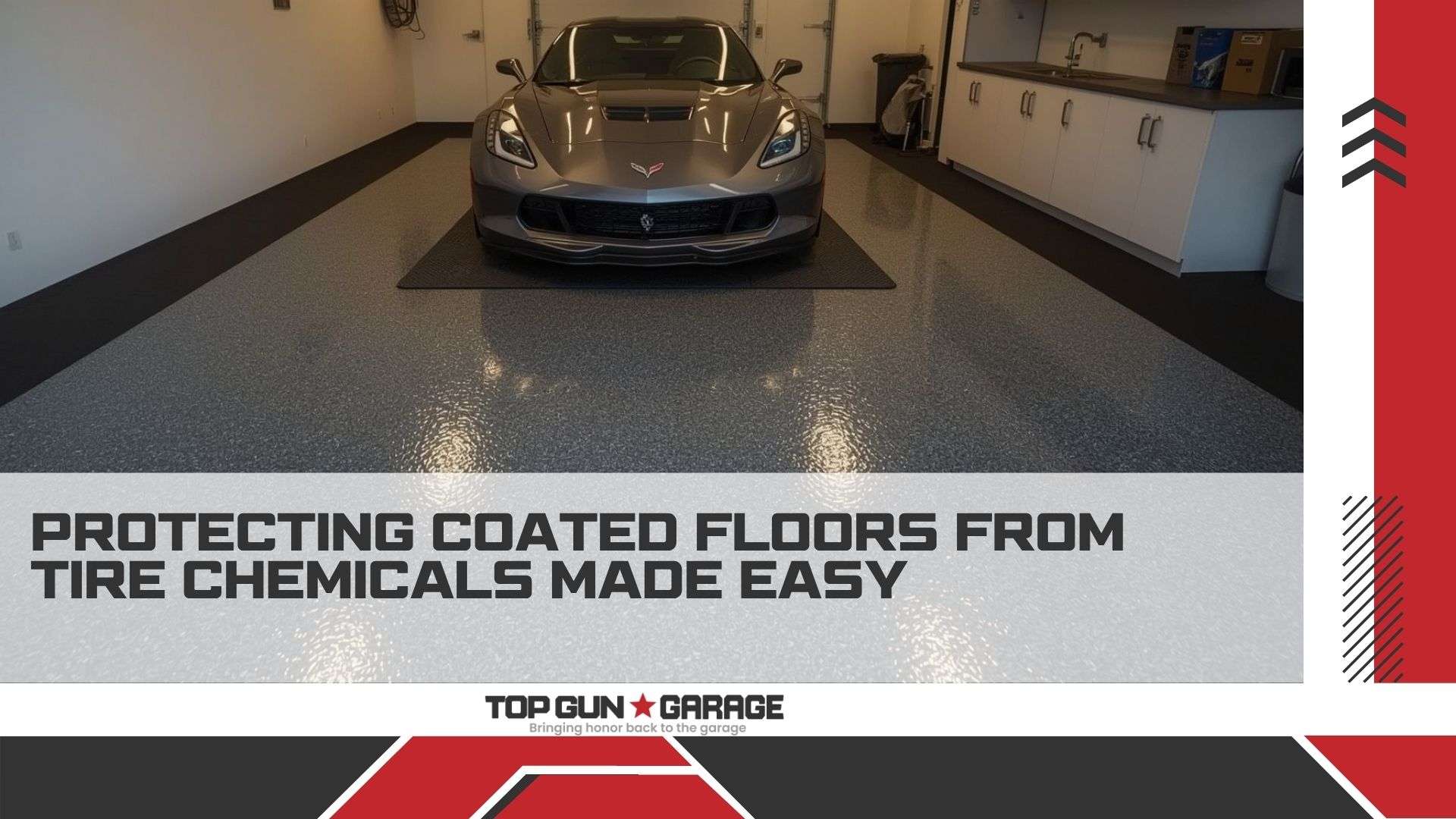
Your garage floor coating represents a significant investment in both functionality and aesthetics, but tire chemicals pose one of the most serious threats to its longevity. Whether you’ve installed premium epoxy, polyurethane, or polyaspartic coatings, the rubber compounds, oils, and chemicals that migrate from vehicle tires can cause permanent damage, discoloration, and coating failure if left unchecked.
The challenge of protecting coated floors from tire chemicals extends beyond simple maintenance—it requires understanding the science behind chemical migration, implementing preventive measures, and maintaining proper care protocols. Many garage owners discover too late that their beautiful floor coating has developed permanent tire marks, yellowing, or soft spots where chemicals have compromised the coating’s integrity.
Modern tire manufacturing involves complex chemical compounds designed to provide grip, durability, and performance under various conditions. These same compounds that make tires effective can be detrimental to floor coatings. Antioxidants, plasticizers, carbon black, and various rubber accelerators can migrate from tires, especially when heated from driving or exposed to temperature fluctuations common in garage environments.
The good news is that protecting your coated floors from tire chemical damage doesn’t require expensive solutions or complex maintenance routines. With proper understanding of the risks, implementation of proven protective strategies, and consistent maintenance practices, you can preserve the beauty and functionality of your garage floor coating for decades.
This comprehensive approach to tire chemical protection involves multiple layers of defense, from initial coating selection and proper installation to ongoing protective measures and maintenance protocols. The key lies in understanding that prevention is far more effective and economical than attempting to repair chemical damage after it occurs.
Key Takeaways
Chemical Migration Prevention: Tire chemicals migrate most actively when tires are warm from driving, making immediate protection crucial when parking vehicles in your garage.
Coating Selection Matters: Not all floor coatings offer equal tire chemical resistance, with polyaspartic and high-quality polyurethane systems typically providing superior protection compared to standard epoxy formulations.
Protective Barriers Work: High-quality floor mats, parking pads, and protective films create effective barriers between tires and coating surfaces, preventing direct chemical contact.
Temperature Control Helps: Maintaining stable garage temperatures reduces tire chemical migration rates and minimizes coating vulnerability to chemical penetration.
Regular Cleaning Protocols: Prompt removal of any tire residue, oil spots, or chemical deposits prevents long-term penetration and permanent damage to coating systems.
Professional Installation Advantages: Properly installed coatings with adequate thickness and proper surface preparation demonstrate significantly better tire chemical resistance than DIY applications.
Early Detection Saves Money: Regular inspection for early signs of chemical damage allows for intervention before permanent coating compromise occurs.
Multiple Protection Layers: Combining several protective strategies—proper coating selection, protective barriers, climate control, and maintenance—provides comprehensive defense against tire chemical damage.
Understanding Tire Chemical Threats to Floor Coatings
Tire chemical migration represents one of the most underestimated threats to garage floor coatings, yet understanding this process is crucial for long-term floor protection. Modern tires contain hundreds of chemical compounds, including antioxidants, plasticizers, sulfur compounds, and various rubber processing chemicals that can migrate from the tire surface onto your floor coating.
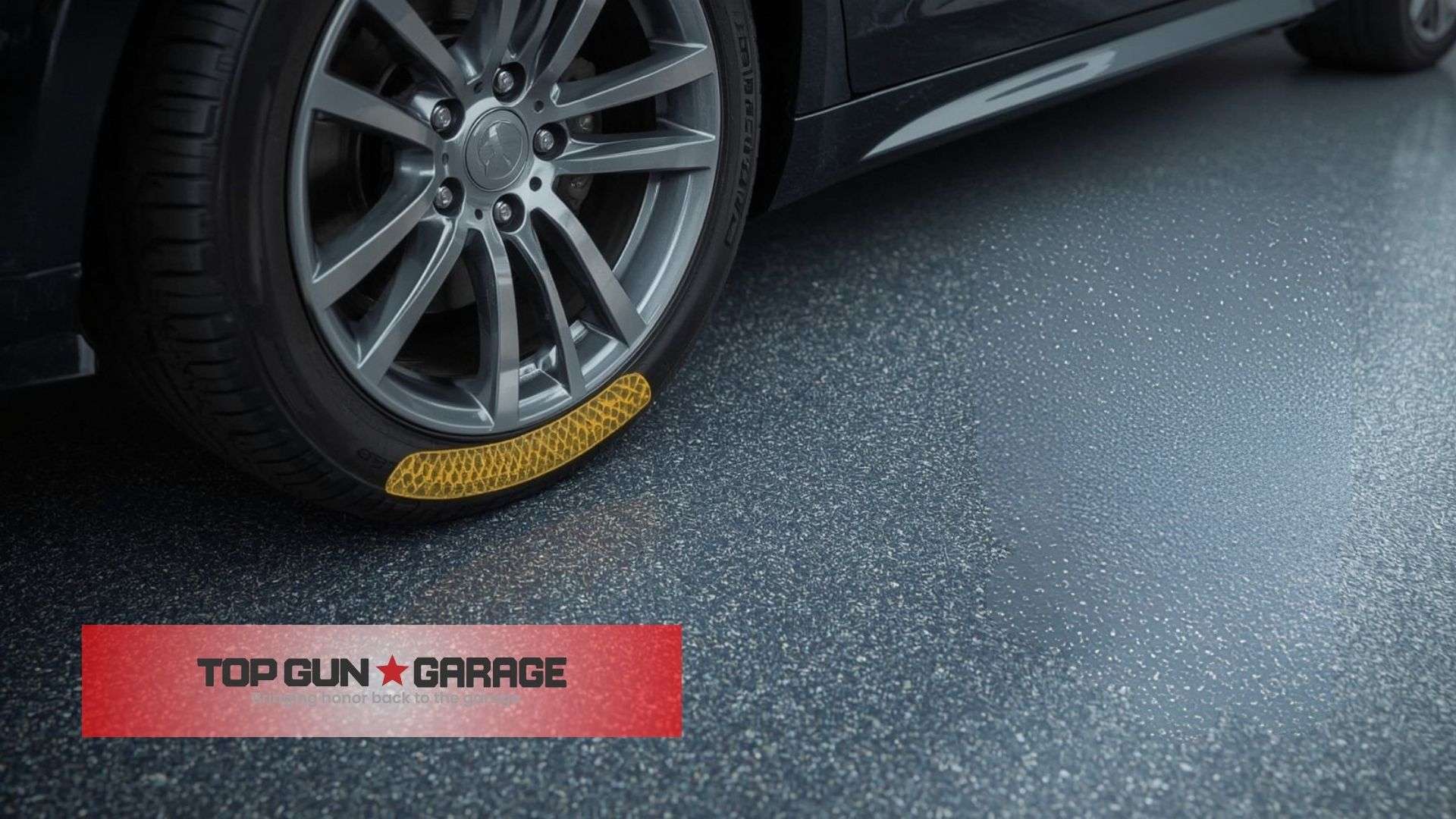
The migration process accelerates significantly when tires are warm from driving, as heat increases the mobility of these chemical compounds. When you park a vehicle immediately after driving, the warm tires create optimal conditions for chemical transfer. These compounds can then penetrate into the coating matrix, causing softening, discoloration, and eventual coating failure.
Different tire types pose varying levels of risk to floor coatings. High-performance tires often contain more aggressive chemical compounds designed to enhance grip and performance, making them particularly problematic for floor coatings. Racing compounds, track tires, and some winter tire formulations contain especially active chemical packages that can cause rapid coating damage.
The coating’s chemical resistance depends heavily on its formulation and thickness. Standard epoxy coatings, while durable against many chemicals, can be vulnerable to certain tire compounds, particularly when applied in thin films. Understanding these vulnerabilities helps in selecting appropriate protective measures and maintenance protocols.
Selecting Chemical-Resistant Coating Systems
The foundation of tire chemical protection begins with selecting the right coating system for your specific needs and usage patterns. Not all floor coatings offer equal protection against tire chemicals, and understanding these differences can save thousands in future repairs and recoating costs.
Polyaspartic coatings represent the gold standard for tire chemical resistance, offering superior protection against migration and penetration. These advanced coatings cure to form dense, highly cross-linked surfaces that resist chemical penetration while maintaining flexibility to prevent cracking. The rapid cure time and excellent adhesion properties make polyaspartic systems ideal for high-performance garage applications. To learn more about comparing coating options, explore polyaspartic versus epoxy differences.
High-quality polyurethane topcoats provide excellent tire chemical resistance when properly formulated and applied. These systems offer superior flexibility compared to epoxy, reducing the likelihood of micro-cracking that can allow chemical penetration. The key lies in selecting polyurethane formulations specifically designed for automotive environments.
While standard epoxy coatings remain popular due to their cost-effectiveness, they require careful selection and proper application to achieve adequate tire chemical resistance. Two-part epoxy systems with high solids content and proper thickness provide better protection than water-based or single-component alternatives.
Professional installation becomes crucial when tire chemical resistance is a priority. Proper surface preparation, coating thickness, and cure conditions significantly impact the final coating’s ability to resist chemical migration. Many homeowners who consider DIY installation versus professional advantages find that the improved chemical resistance and warranty protection justify the investment.
Coating Thickness and Application Quality
Coating thickness plays a critical role in tire chemical resistance, with thicker applications providing superior protection against chemical penetration. Professional installations typically achieve 8-15 mils of total coating thickness, compared to 2-4 mils common in DIY applications. This increased thickness creates a more robust barrier against chemical migration.

Proper surface preparation ensures optimal coating adhesion and density, both crucial factors in chemical resistance. Professional preparation includes concrete profiling, moisture testing, and contamination removal that directly impacts the coating’s ability to resist tire chemicals. Understanding how concrete is prepared for epoxy installation helps explain why professional results typically outperform DIY applications.
Implementing Protective Barrier Systems
Physical barriers represent the most effective immediate protection against tire chemical migration, creating a protective layer between tires and your floor coating. These systems range from simple mats to sophisticated modular flooring solutions, each offering different levels of protection and convenience.
High-quality garage floor mats designed specifically for chemical resistance provide excellent protection when properly sized and positioned. Look for mats made from chemical-resistant materials like nitrile rubber or specialized polymers that won’t break down when exposed to tire chemicals. The mat size should extend beyond the tire footprint to catch any chemical migration.
Modular garage flooring systems offer comprehensive protection while maintaining aesthetic appeal. These interlocking tiles create a complete barrier over your coated floor, protecting against tire chemicals, oil spills, and mechanical damage. Quality modular systems allow for easy cleaning and replacement of individual tiles if damage occurs.
Protective parking pads provide targeted protection for regular parking areas while preserving the visual appeal of your coated floor. These pads can be permanent installations or removable systems, depending on your garage usage patterns and aesthetic preferences.
For those seeking comprehensive protection without compromising aesthetics, clear protective films offer an innovative solution. These nearly invisible films bond to the coating surface, providing chemical resistance while maintaining the floor’s appearance. Professional installation ensures proper adhesion and longevity.
Maintenance and Replacement Protocols
Regular inspection and maintenance of protective barriers ensures continued effectiveness against tire chemical migration. Establish monthly inspection routines to check for wear, chemical damage, or displacement of protective systems. Replace barriers showing signs of chemical breakdown before they compromise floor protection.
Proper cleaning protocols for protective barriers prevent chemical accumulation that could eventually migrate to the floor coating. Use appropriate cleaning solutions and techniques based on the barrier material to maintain effectiveness and appearance. For guidance on proper maintenance, consult what the proper cleaning process is for epoxy flooring.
Environmental Controls and Prevention Strategies
Environmental management within your garage significantly impacts tire chemical migration rates and coating vulnerability. Temperature control, ventilation, and humidity management create conditions that minimize chemical activity and protect your floor investment.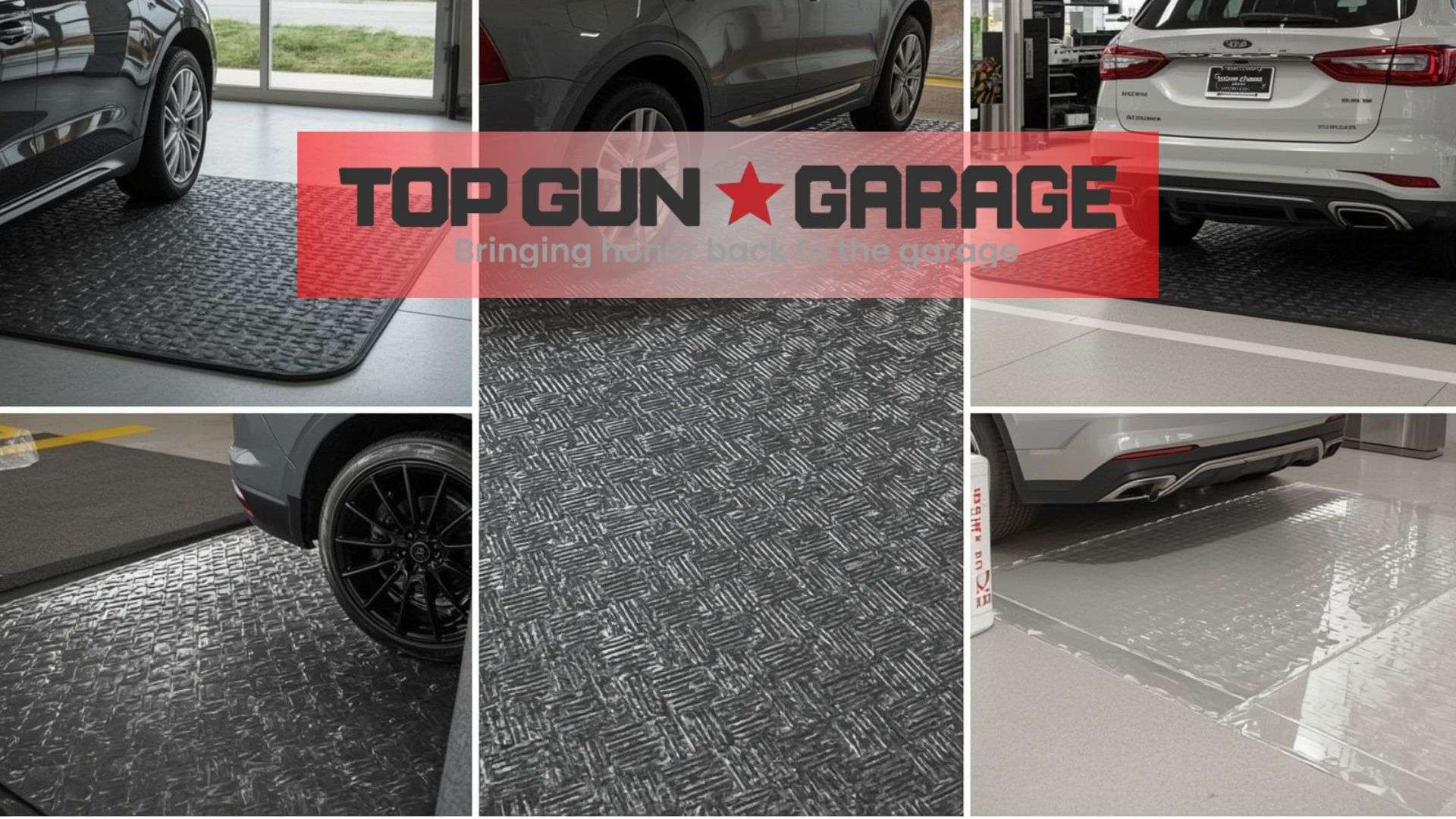
Temperature stability reduces tire chemical migration by minimizing the thermal cycling that activates chemical compounds. Maintaining consistent garage temperatures between 60-75°F creates optimal conditions for both tire performance and coating protection. Insulation improvements and climate control systems provide long-term benefits beyond floor protection. Understanding how temperature affects epoxy cure time helps explain why thermal management protects chemical resistance.
Proper ventilation helps remove chemical vapors before they can settle on floor surfaces. Strategic air circulation prevents the accumulation of tire-related chemicals in the garage environment, reducing overall exposure to your floor coating. Consider both natural and mechanical ventilation options based on your garage design.
Timing vehicle entry and parking can significantly reduce chemical migration risks. Allowing vehicles to cool before parking in the garage reduces tire temperature and chemical activity. This simple practice, combined with protective barriers, provides excellent protection with minimal effort.
Humidity control prevents condensation that can accelerate chemical migration and coating damage. Maintaining relative humidity between 40-60% creates optimal conditions for coating longevity while preventing moisture-related problems that can compromise chemical resistance.
Garage Layout Optimization
Strategic garage layout planning can minimize tire chemical exposure to critical floor areas. Designating specific parking zones with enhanced protection allows you to focus protective measures where they’re most needed while maintaining aesthetic appeal in other areas.
Traffic pattern analysis helps identify high-risk areas where tire chemical protection should be prioritized. Consider vehicle movement patterns, turning areas, and frequent stopping points when planning protective measures.
Maintenance Protocols and Damage Prevention
Establishing comprehensive maintenance protocols ensures early detection and prevention of tire chemical damage before it becomes permanent. Regular inspection, cleaning, and protective maintenance preserve your coating investment while maintaining optimal appearance and performance.
Weekly visual inspections should focus on areas where vehicles regularly park, looking for early signs of chemical staining, softening, or discoloration. Early detection allows for intervention before permanent damage occurs, potentially saving thousands in recoating costs.
Immediate cleanup protocols for any tire residue, oil spots, or chemical deposits prevent long-term penetration into the coating matrix. Keep appropriate cleaning supplies readily available and establish procedures for prompt response to any contamination events.
Monthly deep cleaning routines should include thorough decontamination of parking areas using appropriate cleaning solutions and techniques. This regular maintenance removes accumulated chemical residues before they can cause coating damage.
Documentation of maintenance activities, inspection results, and any observed changes helps track coating performance over time. This information proves valuable for warranty claims and helps optimize maintenance protocols based on actual performance data.
Professional maintenance services can provide specialized knowledge and equipment for complex cleaning and protection needs. Consider annual professional inspections and maintenance to supplement your regular care routine, especially for high-value coating installations. Learning about how epoxy floors resist chemicals in Florida garages helps you understand what professionals are protecting.
Emergency Response Procedures
Develop clear procedures for responding to chemical spills, tire marking incidents, or other contamination events. Quick response can often prevent permanent damage and preserve coating integrity. Keep emergency cleanup supplies readily available and ensure all garage users understand proper response procedures.
Know when to contact professionals for damage assessment and repair. Some chemical damage may appear minor but require professional evaluation to prevent further deterioration.
Professional Solutions and Expert Installation
Professional flooring contractors bring specialized knowledge, advanced materials, and proven techniques that significantly enhance tire chemical resistance compared to DIY approaches. Understanding when to invest in professional solutions can save money long-term while ensuring optimal protection for your garage floor.
Expert installation begins with comprehensive site evaluation, including concrete condition assessment, moisture testing, and contamination analysis. This thorough preparation ensures optimal coating adhesion and performance, directly impacting tire chemical resistance capabilities.
Professional-grade materials often feature enhanced chemical resistance formulations not available to consumers. These advanced coatings incorporate specialized additives, cross-linking agents, and protective compounds specifically designed to resist tire chemical migration and penetration.
Application expertise ensures proper coating thickness, cure conditions, and quality control throughout the installation process. Professional installers understand the critical factors that impact chemical resistance and adjust techniques accordingly to maximize protection.
Warranty protection provides peace of mind and financial protection against premature coating failure due to tire chemical damage. Professional installations typically include comprehensive warranties covering both materials and workmanship, offering protection that DIY installations cannot match.
At Top Gun Garage, we specialize in high-performance floor coating systems designed specifically for automotive environments. Our experience with tire chemical resistance challenges allows us to recommend and install coating systems that provide long-term protection against chemical migration while maintaining exceptional appearance and durability.
Cost-Benefit Analysis
While professional installation requires higher initial investment, the long-term benefits often justify the cost through improved durability, reduced maintenance needs, and warranty protection. Consider the total cost of ownership, including potential recoating expenses, when evaluating installation options.
Professional systems typically last 15-20 years with proper maintenance, compared to 3-7 years for DIY installations in automotive environments. This longevity, combined with superior tire chemical resistance, often results in lower lifetime costs despite higher initial investment.
Frequently Asked Questions
How quickly can tire chemicals damage floor coatings?
Tire chemical damage can begin within hours of exposure, particularly when tires are warm from driving. Visible staining or softening may appear within 24-48 hours, while permanent damage can occur within days if chemicals penetrate the coating matrix. Prevention is always more effective than attempting repairs after damage occurs.
Do all tire types pose equal risks to floor coatings?
No, different tire formulations pose varying levels of risk. High-performance tires, racing compounds, and some winter tires contain more aggressive chemical packages that can cause rapid coating damage. Standard passenger tires generally pose lower risks, but still require protective measures for long-term coating preservation.
Can damaged areas be repaired without full recoating?
Minor tire chemical damage can sometimes be addressed through spot repairs, but success depends on the extent of chemical penetration and coating type. Severely damaged areas typically require complete removal and recoating to achieve lasting results. Early intervention provides the best chances for successful spot repairs.
How effective are garage floor mats for tire chemical protection?
High-quality mats designed for chemical resistance provide excellent protection when properly sized and positioned. The key is selecting mats made from appropriate materials and ensuring complete coverage of tire contact areas. Regular mat inspection and replacement maintains protective effectiveness.
What cleaning products are safe for coated floors exposed to tire chemicals?
Use pH-neutral cleaners specifically designed for floor coatings, avoiding harsh solvents or abrasive chemicals that could compromise the coating. For tire chemical residue, prompt cleaning with appropriate degreasers followed by thorough rinsing provides effective decontamination without coating damage.
How do temperature changes affect tire chemical migration?
Higher temperatures significantly increase chemical migration rates, making warm tires particularly problematic for floor coatings. Temperature cycling also stresses coatings and can create micro-cracks that allow chemical penetration. Maintaining stable garage temperatures reduces these risks substantially.
Is professional installation worth the extra cost for tire chemical resistance?
Professional installation typically provides superior tire chemical resistance through proper surface preparation, appropriate material selection, and optimal application techniques. The improved durability and warranty protection often justify the additional investment, especially for high-value garage spaces.
How often should protective barriers be replaced?
Replacement frequency depends on usage patterns and barrier quality, but annual inspection should determine replacement needs. Signs requiring replacement include chemical breakdown, cracking, permanent staining, or loss of protective properties. Quality barriers may last 3-5 years with proper maintenance.
Conclusion
Protecting coated floors from tire chemicals requires a comprehensive approach combining proper coating selection, protective barriers, environmental controls, and consistent maintenance protocols. The investment in prevention always proves more cost-effective than attempting to repair chemical damage after it occurs.
Success depends on understanding that tire chemical protection involves multiple layers of defense working together. No single solution provides complete protection, but combining professional-grade coatings, appropriate protective barriers, and proper maintenance creates a robust defense system that preserves your floor investment for decades.
The key lies in taking action before problems develop. Whether you’re planning a new coating installation or protecting an existing floor, implementing these protective strategies immediately provides the best return on investment. Remember that tire chemical damage often appears minor initially but can progress rapidly without proper intervention.
Professional guidance can help optimize your protection strategy based on your specific garage environment, vehicle types, and usage patterns. The expertise and advanced materials available through professional installation often provide superior long-term protection compared to DIY approaches, making professional consultation valuable even if you choose to implement some protective measures yourself.
Understanding how to maintain your epoxy garage floors throughout Florida’s challenging climate helps extend the life of your investment. Your garage floor represents a significant investment in both functionality and aesthetics. Taking proactive steps to protect against tire chemical damage ensures you’ll enjoy the benefits of your beautiful, durable floor coating for many years to come while avoiding the expense and inconvenience of premature recoating due to preventable chemical damage.