 Skip to content



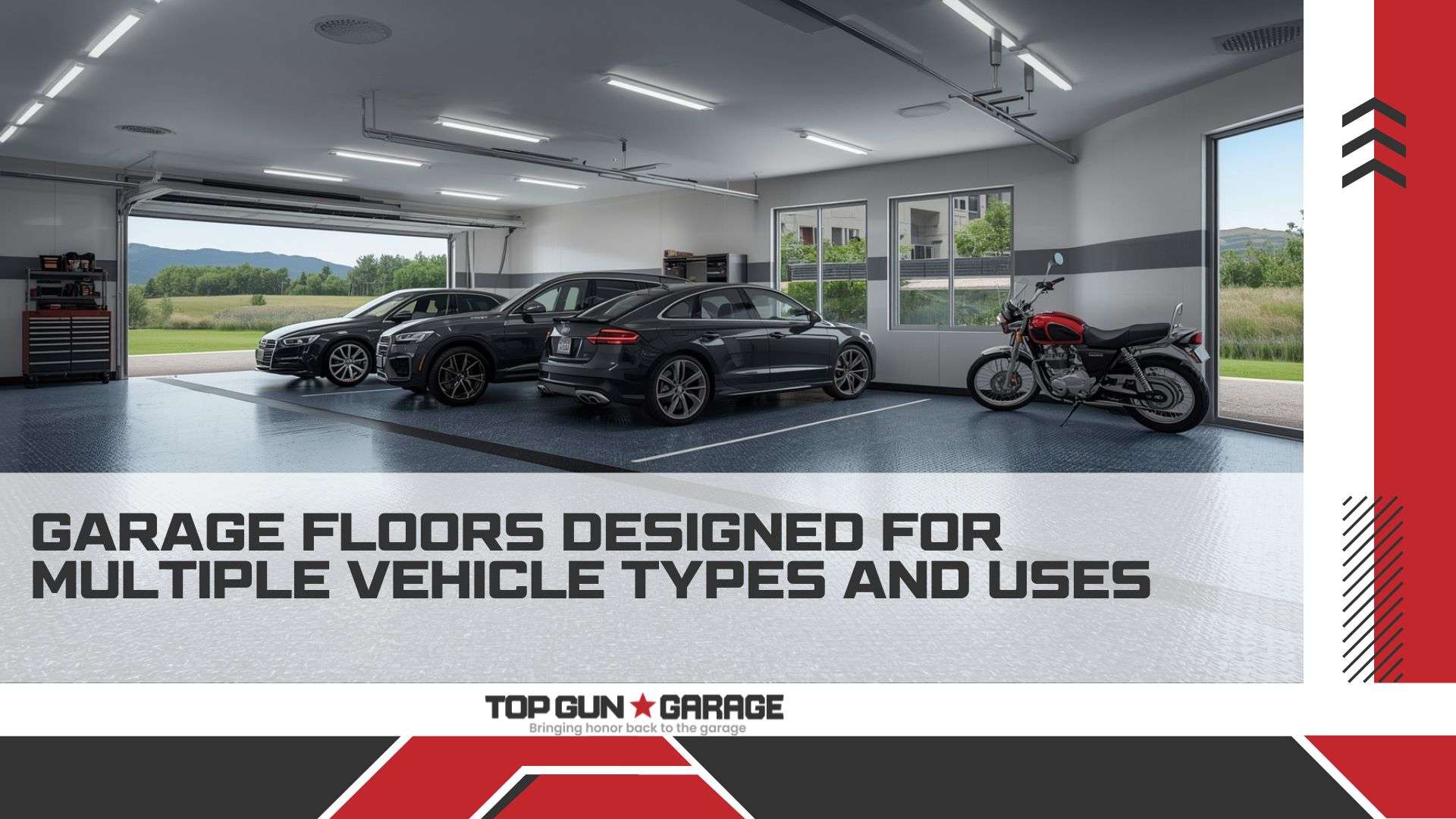
When it comes to creating the perfect garage space, one of the most critical decisions you’ll make involves selecting garage floors designed for multiple vehicle types. Whether you’re housing a classic car collection, daily drivers, motorcycles, or work trucks, your flooring choice can make or break the functionality and longevity of your space. The modern garage has evolved far beyond a simple storage area for a single family car – today’s homeowners need versatile solutions that can accommodate everything from lightweight motorcycles to heavy-duty pickup trucks.
The challenge lies in finding garage flooring for multiple vehicles that can withstand the diverse demands each vehicle type presents. A motorcycle requires different floor considerations than an RV, just as a sports car has different needs than a work truck. Weight distribution, tire types, fluid resistance, and traffic patterns all vary significantly depending on what you’re parking in your garage. This complexity makes choosing the right flooring system both crucial and challenging.
Traditional concrete floors, while common, often fall short when faced with the varied demands of multiple vehicle types. Oil stains from motorcycles, tire marks from sports cars, and the sheer weight of larger vehicles can quickly deteriorate an unprotected concrete surface. Moreover, different vehicles require different levels of traction, moisture resistance, and durability from their parking surfaces. Understanding how garage floor weight capacity changes with proper coatings is essential for multi-vehicle applications.
The solution lies in understanding how modern flooring technologies can be tailored to meet these diverse needs. From advanced epoxy systems to specialized coatings designed for heavy-duty applications, today’s garage flooring options offer unprecedented versatility. The key is selecting and installing a system that can handle your specific mix of vehicles while providing the durability, aesthetics, and maintenance benefits you need for long-term satisfaction.
Professional installation becomes even more critical when dealing with multiple vehicle types, as proper surface preparation, material selection, and application techniques can mean the difference between a floor that lasts decades and one that fails within years. Understanding these factors upfront can save you significant time, money, and frustration down the road.
Key Takeaways
Weight Distribution Matters: Different vehicles create varying load patterns on your garage floor. Motorcycles concentrate weight on small contact patches, while RVs and trucks distribute massive loads across larger areas. Your flooring system must accommodate these extremes without cracking, delaminating, or showing permanent damage.
Chemical Resistance is Critical: Various vehicles leak different fluids – motorcycles might drip chain lubricants, classic cars may leak oil, and work trucks could spill hydraulic fluids. A multi-vehicle garage floor needs comprehensive chemical resistance to handle this diverse range of potentially damaging substances. Learning about how epoxy floors resist chemicals is crucial for protection.
Surface Texture Requirements Vary: Sports cars benefit from smooth surfaces that won’t scratch low-hanging components, while motorcycles need adequate traction for safe maneuvering. The ideal flooring system provides the right balance of smoothness and grip for all your vehicles. Understanding what makes epoxy floors slip-resistant helps achieve this balance.
Professional Installation Ensures Longevity: Multi-vehicle applications place unique stresses on flooring systems that require expert assessment and installation. Proper substrate preparation, material selection, and application techniques are essential for achieving the durability needed in these demanding environments.
Zoning Strategies Optimize Performance: Different areas of your garage can be treated with specific flooring solutions tailored to particular vehicle types. This approach allows you to optimize performance and cost-effectiveness while ensuring each vehicle gets the floor protection it needs.
Maintenance Considerations Scale with Complexity: Multiple vehicle types mean more varied wear patterns and contamination sources. Your flooring choice should simplify rather than complicate maintenance routines, with easy cleaning and resistance to staining being paramount concerns.
For additional context, see DIY limitations versus professional advantages.
Understanding Multi-Vehicle Requirements
The foundation of any successful multi-vehicle garage flooring project begins with understanding the unique demands each vehicle type places on your floor surface. Unlike single-vehicle applications where you can optimize for one specific use case, multi-vehicle garages require flooring systems that excel across multiple performance criteria simultaneously.
Weight considerations form the cornerstone of multi-vehicle flooring design. A typical motorcycle might weigh 400-600 pounds concentrated on two small tire contact patches, creating significant point loads that can stress flooring systems in ways completely different from a 6,000-pound SUV with four larger contact areas. Meanwhile, RVs and large trucks can exceed 10,000 pounds, requiring flooring systems with exceptional load-bearing capabilities. The flooring system must handle not just static weight but also the dynamic forces created during acceleration, braking, and turning maneuvers.
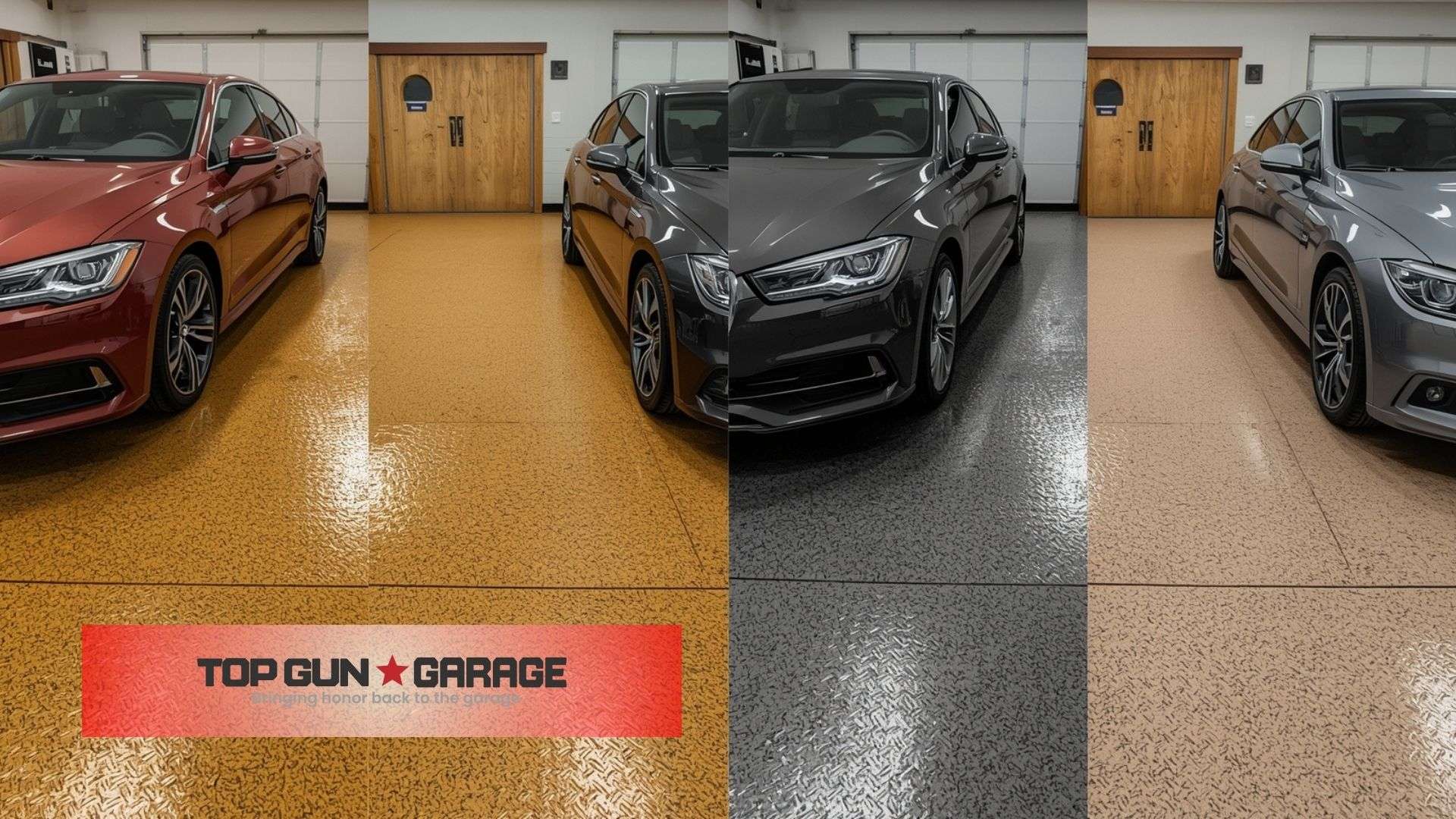
Chemical exposure patterns also vary dramatically between vehicle types. Classic cars often leak various petroleum products, motorcycles may drip chain lubricants and brake fluids, while work trucks might introduce hydraulic fluids, coolants, and other industrial chemicals. Each of these substances can potentially damage inadequately protected flooring surfaces, making comprehensive chemical resistance a non-negotiable requirement for multi-vehicle applications. Understanding what determines epoxy chemical resistance ratings helps in material selection.
Traffic patterns in multi-vehicle garages create another layer of complexity. Different vehicles follow different paths, create different wear patterns, and subject the floor to varying levels of abrasion. Motorcycles might be wheeled around frequently, creating unique wear patterns, while larger vehicles might always follow the same path, creating concentrated wear zones that need special attention.
Temperature cycling also affects multi-vehicle garage floors differently than single-vehicle applications. More vehicles mean more heat generation from engines, exhaust systems, and brakes. This increased thermal stress, combined with seasonal temperature variations, requires flooring systems with excellent thermal stability and expansion characteristics. Learning about how Florida temperature fluctuations impact epoxy is particularly relevant for regional applications.
Flooring Material Options
Selecting the right flooring material for multi-vehicle applications requires careful consideration of how different materials perform under varied stress conditions. Each material category offers distinct advantages and limitations that must be weighed against your specific vehicle mix and usage patterns.
Epoxy flooring systems represent the most popular choice for multi-vehicle garages due to their exceptional versatility and performance characteristics. High-quality epoxy systems can be formulated to handle extreme weight loads while providing excellent chemical resistance against the wide range of automotive fluids found in multi-vehicle environments. The seamless nature of properly installed epoxy eliminates joints and seams where contaminants might penetrate, while the smooth surface facilitates easy cleaning and maintenance. Understanding what determines epoxy floor durability is essential for long-term success.
Polyurea and polyaspartic coatings offer enhanced performance characteristics that make them particularly suitable for demanding multi-vehicle applications. These materials cure rapidly and provide superior flexibility, allowing them to handle the thermal expansion and contraction cycles common in garages housing multiple vehicles. Their exceptional abrasion resistance makes them ideal for high-traffic areas where multiple vehicles create varied wear patterns. Exploring epoxy versus polyaspartic performance differences helps inform material selection.
Polished concrete systems provide an excellent foundation for multi-vehicle garages, particularly when enhanced with penetrating sealers and topical treatments. The inherent strength of properly polished concrete can handle extreme vehicle weights while providing a surface that’s naturally resistant to tire marking and easy to maintain. When combined with appropriate sealers, polished concrete offers excellent chemical resistance and longevity.
Interlocking tile systems offer unique advantages for multi-vehicle applications, particularly their ability to be configured in zones optimized for different vehicle types. High-quality garage tiles can handle significant weight loads while providing excellent chemical resistance. Their modular nature allows for easy replacement of damaged sections and enables different areas of the garage to be optimized for specific vehicle requirements.
For those considering the installation process, understanding the complexities involved in proper material selection and application is crucial. Professional installation ensures that the chosen material system is properly matched to your specific requirements and installed using techniques that maximize performance and longevity. The importance of proper preparation and installation cannot be overstated when dealing with the demanding conditions found in multi-vehicle garage environments. Understanding why concrete preparation determines coating success is fundamental.
Design Considerations
Designing garage floors for multiple vehicle types requires a strategic approach that considers not just the flooring material itself, but how the entire system works together to accommodate diverse vehicular demands. The design phase is where you can optimize your investment by creating zones, selecting appropriate textures, and incorporating features that enhance both functionality and longevity.
Zoning strategies represent one of the most effective approaches to multi-vehicle garage floor design. Rather than applying a one-size-fits-all solution, zoning allows you to optimize different areas of your garage for specific vehicle types and uses. For example, areas designated for heavy trucks might receive additional substrate reinforcement and thicker coating applications, while zones intended for classic cars might prioritize smooth finishes and enhanced chemical resistance.
Surface texture selection becomes critical when accommodating multiple vehicle types with different traction requirements. Motorcycles benefit from surfaces with adequate grip for safe maneuvering, particularly when the floor might be wet or contaminated with fluids. Conversely, low-riding sports cars require smooth surfaces that won’t scrape against ground effects or undercarriage components. The ideal multi-vehicle floor design incorporates texture variations that provide appropriate traction where needed while maintaining smooth surfaces in areas where ground clearance is a concern.
Drainage considerations take on added importance in multi-vehicle applications due to the increased potential for fluid spills and the greater volume of water introduced during vehicle washing. Proper floor slope design ensures that spills flow toward designated drainage areas rather than pooling in locations where they might cause damage or create safety hazards. This is particularly important when housing vehicles that might track in snow, ice, or mud during winter months. Learning about how garage floor drainage works with epoxy ensures proper planning.
Color and marking systems can significantly enhance the functionality of multi-vehicle garage spaces. Strategic use of color can help define parking zones for different vehicle types, highlight traffic patterns, and identify areas designated for specific purposes. Reflective additives in the flooring system can improve visibility and safety, particularly important when maneuvering larger vehicles in confined spaces. Exploring metallic epoxy colors that change with lighting provides design inspiration.
Expansion joint management becomes more complex in multi-vehicle applications due to the varied loading conditions and thermal stresses. Proper joint design and treatment ensure that the flooring system can accommodate movement without compromising performance or creating maintenance issues. This is particularly important in larger garages where thermal expansion and structural movement can create significant stresses on the flooring system. Understanding how garage floor joints are treated is essential.
Integration with garage infrastructure requires careful planning to ensure that the flooring system works harmoniously with electrical systems, drainage, heating, and other building components. Vehicle lifts, air compressor lines, and electrical outlets all need to be properly integrated into the floor design to maintain both functionality and safety.
Installation Process
The installation process for multi-vehicle garage flooring systems involves complexities that go far beyond typical single-vehicle applications. Professional installation becomes not just recommended but essential when dealing with the varied demands and higher performance requirements of multi-vehicle environments. Understanding these complexities helps explain why professional installation represents a wise investment for serious multi-vehicle garage projects.
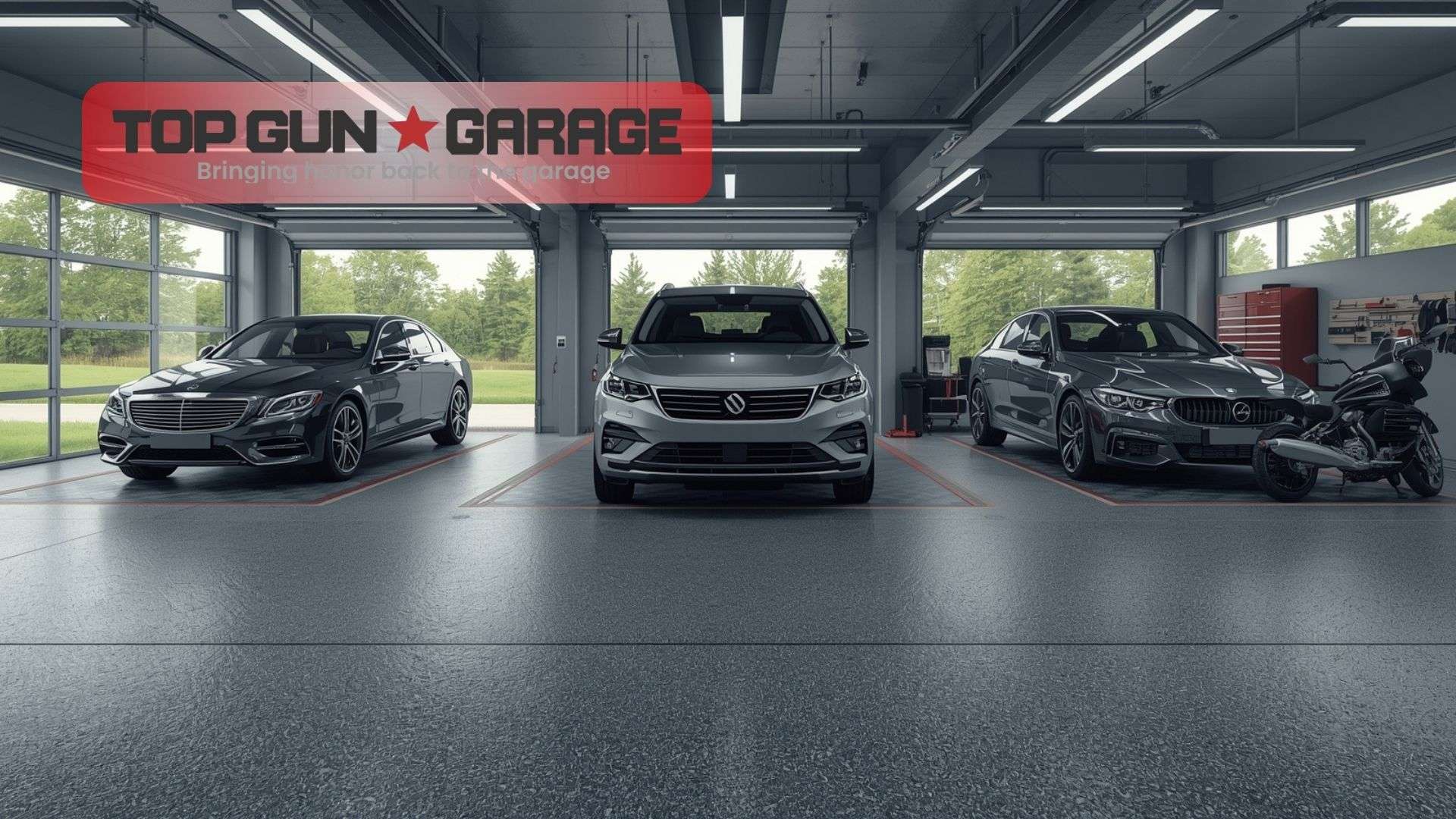
Substrate evaluation and preparation form the foundation of any successful multi-vehicle flooring installation. Professional contractors must assess the existing concrete for its ability to handle varied load conditions, identify any structural issues that might compromise performance, and determine the appropriate preparation methods for the chosen flooring system. This evaluation process is particularly critical in multi-vehicle applications where failure consequences are magnified due to the higher value and variety of vehicles being protected. Understanding how concrete is prepared for epoxy explains this critical step.
Surface preparation requirements often exceed those of standard garage applications due to the performance demands of multi-vehicle environments. Proper mechanical preparation, such as diamond grinding or shot blasting, creates the surface profile necessary for optimal adhesion while removing any existing coatings, sealers, or contaminants that might compromise the new system. Professional contractors understand how to match preparation methods to specific material systems and substrate conditions. Learning about the concrete surface profile needed ensures proper adhesion.
Material mixing and application techniques become more critical when dealing with high-performance flooring systems designed for multi-vehicle use. Temperature and humidity control during application, proper mixing ratios, and appropriate application techniques all significantly impact the final performance characteristics of the installed system. Professional installers have the equipment and expertise necessary to maintain optimal conditions throughout the installation process. Understanding what affects epoxy cure time helps coordinate installation timing.
Quality control measures during installation help ensure that the finished system meets the performance requirements of your specific multi-vehicle application. This includes monitoring film thickness, checking for proper coverage, and verifying that surface textures meet specifications. Professional installers typically provide documentation of these quality control measures, giving you confidence in the installed system’s performance capabilities.
Curing and protection protocols for multi-vehicle flooring systems often involve extended timelines and specific environmental controls to achieve optimal performance characteristics. Professional installers understand these requirements and can coordinate the installation timeline to minimize disruption while ensuring proper curing. They also provide guidance on when vehicles can safely return to the garage and any initial maintenance requirements. Understanding the epoxy curing process is critical for proper planning.
When considering whether to tackle such a project yourself or hire professionals, it’s worth exploring the detailed information on this topic available through industry resources. Professional installation provides not just technical expertise but also warranty protection and ongoing support that can prove invaluable in multi-vehicle applications where performance demands are high and failure consequences are significant.
Maintenance and Longevity
Maintaining garage floors designed for multiple vehicle types requires a comprehensive approach that addresses the varied wear patterns, contamination sources, and performance demands created by diverse vehicular use. Unlike single-vehicle applications where maintenance routines can be optimized for one specific use case, multi-vehicle garage floors need maintenance strategies that preserve performance across multiple criteria simultaneously.
Daily maintenance routines should focus on preventing the accumulation of contaminants that could damage the flooring system over time. Different vehicles introduce different types of debris and fluids, making regular cleaning essential for long-term performance. Establishing protocols for immediate cleanup of spills, regardless of their source, prevents contamination from penetrating the flooring system and causing permanent damage. This is particularly important with classic cars that might leak various petroleum products or work trucks that could introduce industrial chemicals. Learning about proper cleaning processes for epoxy ensures effective maintenance.
Periodic deep cleaning becomes more complex in multi-vehicle environments due to the variety of contaminants that might accumulate over time. Professional-grade cleaning solutions and techniques may be necessary to address the full spectrum of automotive fluids, road debris, and other materials introduced by different vehicle types. The cleaning approach must be compatible with your specific flooring material to avoid damage while effectively removing accumulated contamination. Understanding what affects epoxy floor cleaning requirements optimizes your approach.
Inspection protocols should be tailored to identify the types of wear and damage most likely to occur in your specific multi-vehicle environment. Areas subject to heavy loads from trucks or RVs need regular inspection for signs of structural stress or coating delamination. Zones where motorcycles are frequently maneuvered should be checked for excessive wear or surface damage. Early identification of potential issues allows for targeted repairs before problems spread or compromise the entire system.
Preventive maintenance strategies can significantly extend the life of multi-vehicle garage flooring systems. This might include periodic reapplication of topcoats in high-wear areas, treatment of expansion joints to prevent water infiltration, and addressing minor repairs before they become major problems. The specific maintenance requirements depend on your flooring material, vehicle mix, and usage patterns. Understanding how to maintain epoxy garage floors provides practical guidance.
Traffic management strategies can help minimize wear and extend flooring life by optimizing how vehicles move through and are positioned in the garage space. Establishing designated traffic patterns, using protective mats in high-wear areas, and rotating vehicle positions can help distribute wear more evenly across the floor surface. This is particularly important in smaller garages where space constraints might otherwise concentrate wear in specific areas.
Long-term performance monitoring involves tracking how well your flooring system maintains its performance characteristics over time. This includes monitoring for changes in chemical resistance, surface texture, or structural integrity that might indicate the need for maintenance or system upgrades. Professional flooring contractors can provide guidance on performance monitoring and help establish maintenance schedules optimized for your specific application. Learning about secrets to making garage floors last decades ensures longevity.
At Top Gun Garage, we understand that proper maintenance is crucial for maximizing the return on your flooring investment. Our team provides comprehensive maintenance guidance and support services to help ensure your multi-vehicle garage floor continues to perform at its best for years to come. We work with clients to develop customized maintenance programs that address their specific vehicle mix and usage patterns while minimizing time and cost requirements. Understanding why some garage floors age better than others highlights the importance of proper care.
Frequently Asked Questions
What makes garage flooring for multiple vehicles different from standard garage floors?
Multi-vehicle garage flooring must accommodate diverse weight loads, chemical exposures, and traffic patterns simultaneously. Unlike standard applications optimized for one vehicle type, these systems need enhanced durability, broader chemical resistance, and design features that address the varied demands of different vehicles, from motorcycles to heavy trucks. Understanding garage floors that withstand forklift traffic illustrates the importance of heavy-duty design.
Can existing concrete floors be upgraded for multi-vehicle use?
Yes, most existing concrete floors can be upgraded with appropriate surface preparation and coating systems. However, the substrate must be evaluated for structural adequacy, particularly if you plan to house significantly heavier vehicles than originally intended. Professional assessment ensures the existing floor can support your intended vehicle mix. Learning about fixing cracked garage floors before coating is essential.
How do weight differences between vehicles affect flooring choice?
Weight variations create different stress patterns that influence material selection and installation techniques. Motorcycles create concentrated point loads, while trucks distribute weight across larger areas. The flooring system must handle these extremes without cracking or delaminating, often requiring enhanced substrate preparation and thicker coating applications.
What maintenance differences exist between single and multi-vehicle garage floors?
Multi-vehicle floors require more comprehensive maintenance due to varied contamination sources and wear patterns. Cleaning protocols must address diverse automotive fluids, and inspection routines need to cover different types of potential damage. However, proper material selection can actually simplify maintenance by providing broader resistance to various contaminants.
Are there specific flooring materials better suited for certain vehicle combinations?
Yes, material selection should consider your specific vehicle mix. Epoxy systems offer excellent versatility for most combinations, while polyurea provides enhanced flexibility for extreme temperature variations. Polished concrete excels under heavy loads, and modular tile systems allow zone-specific optimization. Professional consultation helps match materials to your specific needs. Understanding the difference between epoxy types aids selection.
How important is professional installation for multi-vehicle applications?
Professional installation is crucial for multi-vehicle applications due to the complex performance requirements and higher consequences of failure. Proper substrate preparation, material selection, and application techniques significantly impact system performance and longevity. Professional installation also typically includes warranty protection and ongoing support.
Can different areas of the garage have different flooring treatments?
Absolutely. Zoning strategies allow optimization of different areas for specific vehicle types or uses. Heavy-duty areas might receive enhanced coatings, while spaces for classic cars might prioritize smooth finishes and chemical resistance. This approach optimizes performance while managing costs effectively.
What should I expect in terms of installation timeline and vehicle access?
Installation timelines vary based on garage size, material selection, and complexity of the project. Most professional installations require 3-7 days including preparation, application, and curing time. Vehicle access is typically restricted during installation and initial curing, with full loading capabilities restored within 7-14 days depending on the specific system installed.
Conclusion
Creating garage floors designed for multiple vehicle types represents a sophisticated approach to garage optimization that requires careful planning, appropriate material selection, and professional execution. The investment in a properly designed and installed multi-vehicle flooring system pays dividends through enhanced functionality, improved vehicle protection, and long-term durability that withstands the diverse demands of varied vehicular use.
The key to success lies in understanding that multi-vehicle applications cannot be approached with one-size-fits-all solutions. Each vehicle type brings unique requirements and challenges that must be addressed through thoughtful design and appropriate material selection. Whether you’re housing a collection of classic cars, managing a fleet of work vehicles, or simply accommodating the diverse transportation needs of a modern household, your flooring system must be engineered to excel across multiple performance criteria simultaneously.
Professional installation and ongoing maintenance represent critical components of long-term success in multi-vehicle applications. The complexities involved in properly preparing substrates, selecting appropriate materials, and executing installation techniques that optimize performance make professional expertise invaluable. Similarly, understanding and implementing appropriate maintenance strategies ensures that your investment continues to perform at its best for years to come. Exploring environmentally responsible garage renovations aligns functionality with sustainability.
As vehicle technology continues to evolve and household transportation needs become increasingly diverse, the importance of versatile, high-performance garage flooring solutions will only continue to grow. By investing in garage flooring for multiple vehicles that’s properly designed and professionally installed, you’re not just protecting your current vehicle investment – you’re creating a foundation that can adapt to your changing needs while maintaining the performance and aesthetics you demand from your garage space. Understanding how garage epoxy affects resale value demonstrates the long-term benefits of quality flooring investments.