 Skip to content



When it comes to successful flooring installations, the foundation truly matters. While many homeowners and even some contractors focus primarily on the visible aspects of flooring projects, the preparation phase often determines the long-term success of the entire installation. Among the most critical preparation steps is the proper selection and application of primers, which serve as the essential bridge between your subfloor and the final flooring material.
Understanding primer types and their specific applications is fundamental to achieving professional-grade results that stand the test of time. Each primer formulation is engineered to address specific substrate conditions, moisture levels, and compatibility requirements with different flooring materials. The wrong primer choice can lead to adhesion failures, moisture-related problems, and premature flooring failure, while the right selection creates a solid foundation for decades of reliable performance.
The complexity of modern flooring systems has evolved significantly, with manufacturers developing specialized primers for virtually every conceivable installation scenario. From moisture-blocking epoxy primers for concrete substrates to penetrating sealers for porous surfaces, today’s primer technology offers solutions for challenges that once seemed insurmountable. However, this advancement also means that contractors and serious DIY enthusiasts must develop a deeper understanding of primer chemistry and application techniques.
Professional flooring contractors understand that primer selection involves careful consideration of multiple factors including substrate type, moisture conditions, environmental factors, and the specific requirements of the flooring material being installed. Temperature, humidity, substrate porosity, and existing coatings all play crucial roles in determining the most appropriate primer system. This comprehensive approach to primer selection separates successful installations from those plagued by early failures and warranty claims.
The investment in proper primer selection and application pays dividends throughout the life of the flooring system. Quality primers not only ensure proper adhesion but also contribute to moisture management, substrate stabilization, and overall system durability. For contractors, this attention to detail translates into fewer callbacks, enhanced reputation, and increased customer satisfaction.
Key Takeaways
Substrate-Specific Selection: Different primer formulations are engineered for specific substrate types, including concrete, wood, metal, and existing flooring materials. Matching the primer chemistry to your substrate ensures optimal adhesion and long-term performance.
Moisture Management: Moisture-blocking primers are essential for concrete substrates and areas prone to humidity issues. These specialized formulations prevent moisture migration that can cause adhesive failure, warping, and mold growth beneath flooring materials.
Penetrating vs. Film-Forming: Understanding the difference between penetrating primers that soak into porous substrates and film-forming primers that create a surface barrier is crucial for proper application and performance expectations.
Compatibility Requirements: Primer selection must consider chemical compatibility with both the substrate and the adhesive or flooring material being installed. Incompatible systems can result in poor adhesion or chemical reactions that compromise the installation.
Environmental Considerations: Temperature, humidity, and ventilation conditions during application significantly impact primer performance. Following manufacturer specifications for environmental conditions ensures proper curing and adhesion.
Application Timing: The window between primer application and flooring installation varies by product type. Some primers require immediate application of flooring materials, while others can remain exposed for extended periods without compromising performance.
Professional vs. DIY Complexity: While some primer applications are straightforward, others require specialized equipment, safety protocols, and technical expertise that may exceed typical DIY capabilities. For additional context, see this comprehensive guide.
Overview of Primer Technology in Flooring Applications
Modern primer technology represents decades of advancement in polymer chemistry and surface preparation science. These specialized coatings serve multiple critical functions beyond simple adhesion promotion, including moisture control, substrate consolidation, and chemical compatibility bridging between dissimilar materials. The evolution of primer formulations has paralleled the development of advanced flooring materials, creating systems that work together to deliver unprecedented performance and longevity.
The fundamental principle behind all primers involves creating an intermediate layer that bonds effectively to both the substrate and the overlying flooring system. This seemingly simple concept requires sophisticated chemistry to address the wide range of substrate conditions encountered in real-world installations. Concrete substrates may be alkaline, porous, and contaminated with curing compounds, while wood substrates present challenges related to moisture movement, tannin bleeding, and surface texture variations.
Contemporary primer systems often incorporate multiple technologies within a single formulation. Epoxy-based primers might include moisture-blocking additives, penetrating agents for improved substrate bonding, and specialized polymers that enhance flexibility and crack-bridging capabilities. These multi-functional formulations simplify the installation process while providing comprehensive substrate preparation in a single application.
The selection process for primers has become increasingly scientific, with manufacturers providing detailed technical data sheets that specify substrate compatibility, environmental limitations, and performance characteristics. Professional contractors rely on this technical information to make informed decisions that ensure long-term installation success. Understanding how to interpret and apply this technical data is essential for achieving optimal results in challenging installation environments.
Epoxy Primers: Heavy-Duty Foundation Solutions
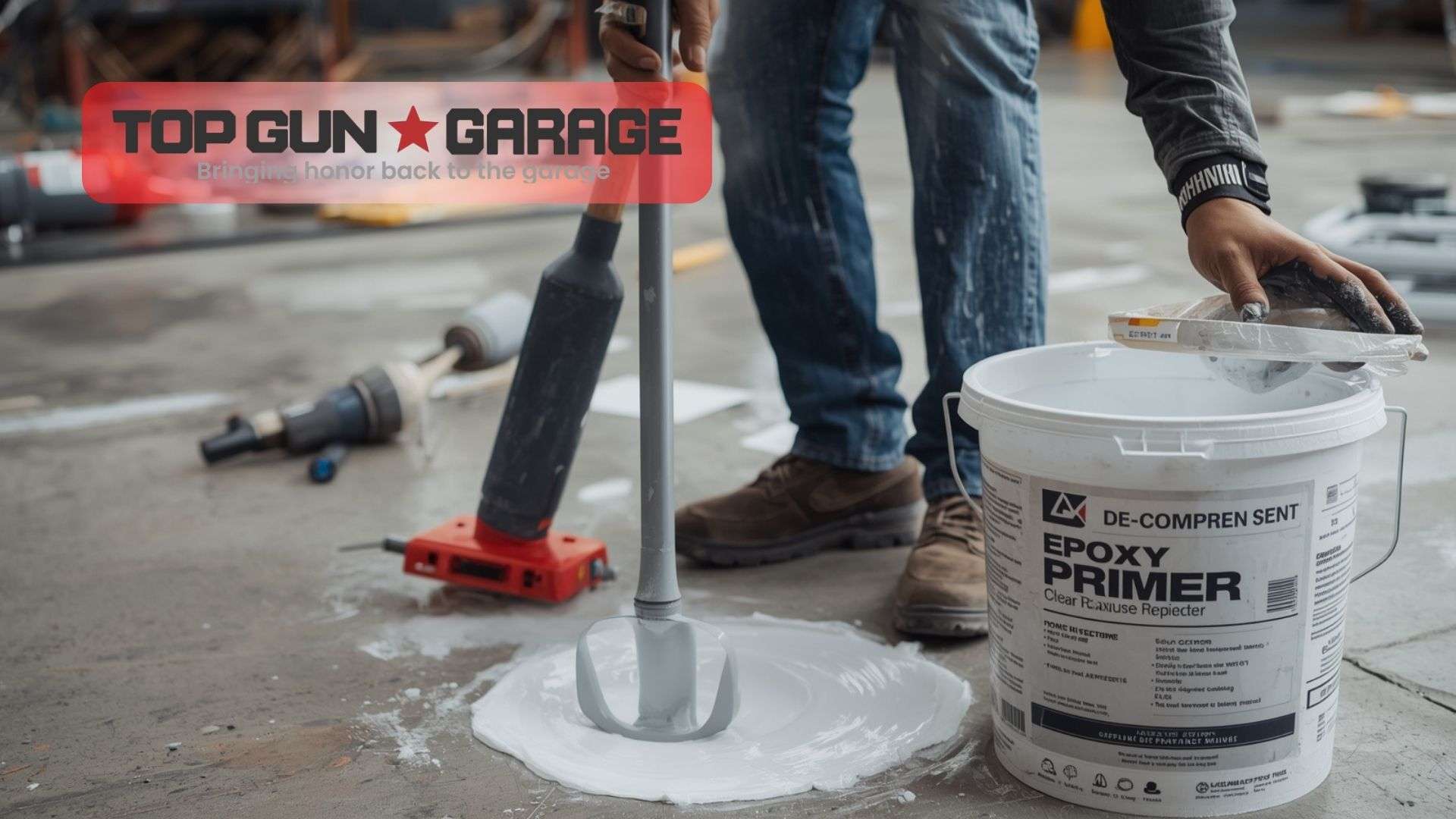
Epoxy primers represent the premium tier of flooring preparation products, offering exceptional adhesion, moisture blocking, and chemical resistance properties. These two-component systems cure through a chemical reaction that creates cross-linked polymer networks with superior mechanical properties and durability. The robust nature of epoxy primers makes them ideal for demanding applications including commercial installations, moisture-prone areas, and substrates with challenging surface conditions.
The moisture-blocking capabilities of epoxy primers are particularly valuable for concrete substrates, where vapor transmission can cause significant problems with flooring installations. High-quality epoxy primers can reduce moisture vapor transmission rates to levels compatible with moisture-sensitive flooring materials, even on concrete slabs without vapor barriers. This capability has revolutionized flooring installations in basements, ground-level slabs, and other areas where moisture control was previously problematic.
Application of epoxy primers requires careful attention to mixing ratios, pot life limitations, and environmental conditions. The chemical curing process is temperature and humidity sensitive, with optimal conditions typically falling within specific ranges defined by the manufacturer. Deviation from these parameters can result in incomplete curing, poor adhesion, or extended cure times that delay project completion. Professional contractors understand these limitations and plan their work accordingly to ensure optimal results.
The superior adhesion properties of epoxy primers make them particularly effective on challenging substrates including sealed concrete, metal surfaces, and existing flooring materials. The chemical bonding mechanism of epoxy systems often provides better adhesion than mechanical bonding alone, creating installations that resist delamination even under stress. This performance advantage justifies the higher material costs and more complex application requirements associated with epoxy primer systems.
Surface preparation requirements for epoxy primers are typically more stringent than those for other primer types. Concrete substrates may require diamond grinding or shot blasting to achieve the surface profile necessary for optimal adhesion. Contamination from oils, curing compounds, or previous coatings must be completely removed to prevent adhesion problems. When considering the complexity of proper surface preparation and application, many homeowners find that understanding the differences between professional and DIY approaches becomes crucial for project success.
Acrylic and Latex Primers: Versatile Water-Based Solutions
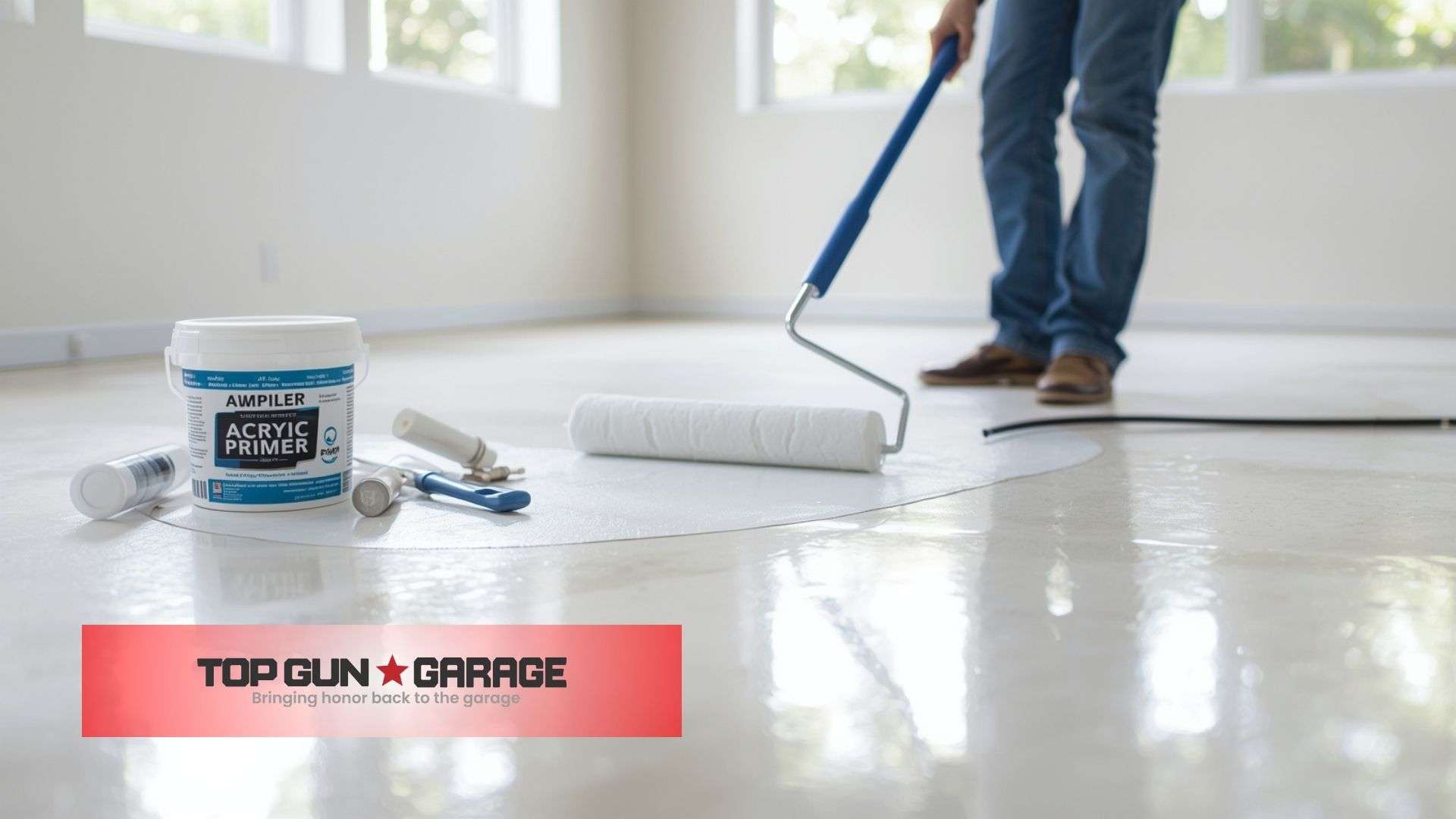
Acrylic and latex primer systems offer excellent versatility and user-friendly characteristics that make them popular choices for a wide range of flooring applications. These water-based formulations provide good adhesion properties while offering easier cleanup, lower odor, and reduced environmental impact compared to solvent-based alternatives. The single-component nature of most acrylic primers simplifies mixing and application, making them accessible to both professional contractors and experienced DIY enthusiasts.
The penetrating characteristics of quality acrylic primers make them particularly effective on porous substrates including unsealed concrete, wood, and gypsum-based underlayments. These primers soak into the substrate surface, consolidating weak or dusty areas while creating a uniform surface for flooring installation. The penetrating action also helps to reduce substrate porosity, which can improve adhesive performance and reduce the risk of air bubbles or voids in the flooring system.
Flexibility is a key advantage of acrylic primer systems, particularly in applications where substrate movement is expected. Wood substrates naturally expand and contract with moisture changes, and acrylic primers can accommodate this movement without cracking or losing adhesion. This flexibility also makes acrylic primers suitable for installations over existing flooring materials that may have slight movement or deflection under load.
Environmental considerations favor acrylic primers in many applications, particularly in occupied buildings or areas with limited ventilation. The low VOC content of water-based formulations reduces indoor air quality concerns and allows for faster reoccupancy of treated areas. Many green building certification programs specifically favor water-based primer systems as part of their material selection criteria.
Application techniques for acrylic primers are generally straightforward, but proper surface preparation remains critical for optimal performance. Unlike epoxy systems that can bridge minor surface imperfections, acrylic primers require clean, sound substrates for reliable adhesion. Dust, debris, and loose material must be thoroughly removed, and highly porous substrates may require multiple primer coats to achieve uniform coverage and proper sealing.
Penetrating Sealers and Consolidating Primers
Penetrating sealers and consolidating primers address specific substrate challenges related to porosity, dusting, and structural integrity. These specialized products are designed to soak deep into substrate surfaces, chemically bonding with the material to create strengthened, sealed surfaces that provide optimal conditions for flooring installation. Unlike film-forming primers that create a surface layer, penetrating systems work from within the substrate to address fundamental surface preparation challenges.
Concrete substrates often benefit significantly from penetrating sealer treatment, particularly in cases where the surface exhibits dusting, low strength, or excessive porosity. These conditions can result from various factors including improper curing, carbonation, or the use of high water-cement ratios during placement. Penetrating sealers react with concrete chemistry to form insoluble compounds that strengthen the surface and reduce porosity without creating a film that might interfere with adhesive bonding.
The chemistry of penetrating sealers varies depending on the intended application and substrate type. Silicate-based sealers react with calcium hydroxide in concrete to form calcium silicate hydrate, effectively densifying the surface. Silicone-based penetrating sealers provide water repellency while maintaining vapor permeability, making them suitable for exterior applications or areas where moisture control is critical without creating vapor barriers.
Application timing and technique are crucial factors in achieving optimal results with penetrating sealers. These products must be applied to clean, dry substrates and allowed adequate time for penetration and reaction before subsequent coating application. Surface preparation requirements may include mechanical cleaning to remove surface contamination and open substrate pores for maximum penetration. The effectiveness of penetrating sealers is directly related to their ability to reach maximum depth within the substrate structure.
Quality control for penetrating sealer applications involves monitoring substrate absorption rates and ensuring uniform coverage across the entire surface. Areas with varying porosity may require different application rates or multiple treatments to achieve consistent results. Professional contractors use various testing methods to evaluate sealer penetration and effectiveness, ensuring that the treated surface meets the requirements for subsequent flooring installation.
Moisture-Blocking and Vapor Barrier Primers
Moisture-related problems represent one of the most significant challenges in flooring installations, making moisture-blocking primers essential tools for professional contractors. These specialized formulations are engineered to prevent moisture vapor transmission from concrete substrates while maintaining the adhesion properties necessary for successful flooring installation. The development of high-performance moisture-blocking primers has enabled successful flooring installations in environments that were previously considered unsuitable for moisture-sensitive materials.
The testing and evaluation of concrete moisture levels has become increasingly sophisticated, with industry standards requiring specific moisture vapor emission rate (MVER) limits for different flooring materials. Moisture-blocking primers allow contractors to achieve these limits even when substrate moisture levels exceed manufacturer recommendations. This capability significantly expands the range of applications where premium flooring materials can be successfully installed.
Epoxy-based moisture blocking systems typically provide the highest level of protection, with some formulations capable of reducing MVER to less than 3 pounds per 1000 square feet per 24 hours even on concrete with elevated moisture content. These high-performance systems require precise application techniques and optimal curing conditions to achieve their rated performance levels. Temperature, humidity, and substrate conditions during application all influence the final effectiveness of the moisture barrier.
Surface preparation for moisture-blocking primer applications is particularly critical, as any compromise in the barrier integrity can result in localized moisture problems and flooring failure. Concrete surfaces must be properly profiled to ensure mechanical bonding, and all contamination including curing compounds, sealers, and previous coatings must be completely removed. Even minor surface imperfections can create pathways for moisture transmission that compromise the entire system.
Long-term performance of moisture-blocking systems depends on proper installation techniques and compatible flooring materials. Some flooring adhesives and materials can react with moisture-blocking primers, potentially compromising their effectiveness or creating adhesion problems. Professional contractors carefully evaluate system compatibility and follow manufacturer recommendations to ensure optimal long-term performance. At Top Gun Garage, we understand the critical importance of proper moisture management in flooring installations and work with clients to select the most appropriate primer systems for their specific conditions and requirements.
Frequently Asked Questions
How do I determine which primer type is best for my specific flooring project? Primer selection depends on several key factors including substrate type, moisture conditions, flooring material requirements, and environmental conditions. Start by identifying your substrate material and conducting moisture testing if working with concrete. Review the technical specifications of your chosen flooring material to understand primer compatibility requirements, and consider environmental factors such as temperature and humidity during installation.
Can I skip primer application if my substrate appears to be in good condition? Even substrates that appear sound often benefit from primer application. Primers provide adhesion enhancement, moisture control, and surface uniformity that contribute to long-term installation success. Many flooring material warranties require proper primer application, and skipping this step can void warranty coverage while increasing the risk of premature failure.
What are the consequences of using the wrong primer type for my application? Using incompatible primers can result in poor adhesion, chemical reactions between system components, inadequate moisture protection, or premature system failure. Common problems include delamination, bubbling, discoloration, and reduced durability. These issues often require complete removal and reinstallation of the flooring system.
How long should I wait between primer application and flooring installation? Timing requirements vary significantly between primer types and environmental conditions. Some primers require immediate application of flooring materials, while others can remain exposed for days or weeks. Always follow manufacturer specifications for your specific primer and environmental conditions, as temperature and humidity can significantly affect these timing requirements.
Are there safety considerations specific to different primer types? Yes, safety requirements vary considerably between primer formulations. Solvent-based and epoxy primers typically require more extensive ventilation and personal protective equipment compared to water-based formulations. Always review safety data sheets and follow manufacturer recommendations for ventilation, protective equipment, and safe handling procedures.
Can primers be applied over existing flooring or coatings? Some primers are formulated for application over existing materials, while others require removal of all previous coatings. Adhesion testing may be necessary to evaluate compatibility with existing materials. Surface preparation requirements often include cleaning, abrading, or profiling existing surfaces to ensure proper primer adhesion.
How do environmental conditions affect primer performance and application? Temperature, humidity, and air circulation significantly impact primer application and curing. Most primers have specific environmental windows for optimal performance, and deviation from these conditions can result in poor adhesion, extended cure times, or incomplete curing. Monitor conditions carefully and adjust application schedules as needed to maintain optimal conditions.
What tools and equipment are essential for proper primer application? Tool requirements vary by primer type but typically include mixing equipment for two-component systems, application tools such as rollers or squeegees, and measuring devices for proper coverage rates. High-performance primers may require specialized equipment including plural component spray systems or heated application tools for optimal results.
Conclusion
Understanding primer types and their specific applications is fundamental to achieving professional-quality flooring installations that deliver long-term performance and customer satisfaction. The complexity of modern primer technology offers solutions for virtually every installation challenge, but success depends on proper selection, application, and quality control throughout the process. Professional contractors who invest time in understanding primer chemistry and application techniques consistently deliver superior results that stand the test of time.
The evolution of primer technology continues to expand the possibilities for successful flooring installations in challenging environments. From moisture-blocking epoxy systems that enable installations over problematic concrete to penetrating sealers that rehabilitate weak substrates, today’s primer options provide tools for overcoming obstacles that once seemed insurmountable. However, this technological advancement also requires ongoing education and attention to manufacturer specifications to achieve optimal results.
For contractors and serious DIY enthusiasts, the investment in proper primer selection and application pays dividends throughout the life of the flooring system. Quality primers not only ensure immediate installation success but also contribute to long-term durability, reduced maintenance requirements, and enhanced customer satisfaction. The relatively small cost of premium primer systems is insignificant compared to the expense and disruption of premature flooring failure.
At Top Gun Garage, we recognize that successful flooring installations begin with proper preparation and primer selection. Our commitment to using appropriate primer systems for each specific application ensures that our clients receive installations that meet the highest standards for performance and longevity. By staying current with primer technology developments and manufacturer recommendations, we deliver results that exceed expectations and provide lasting value for our customers.