 Skip to content



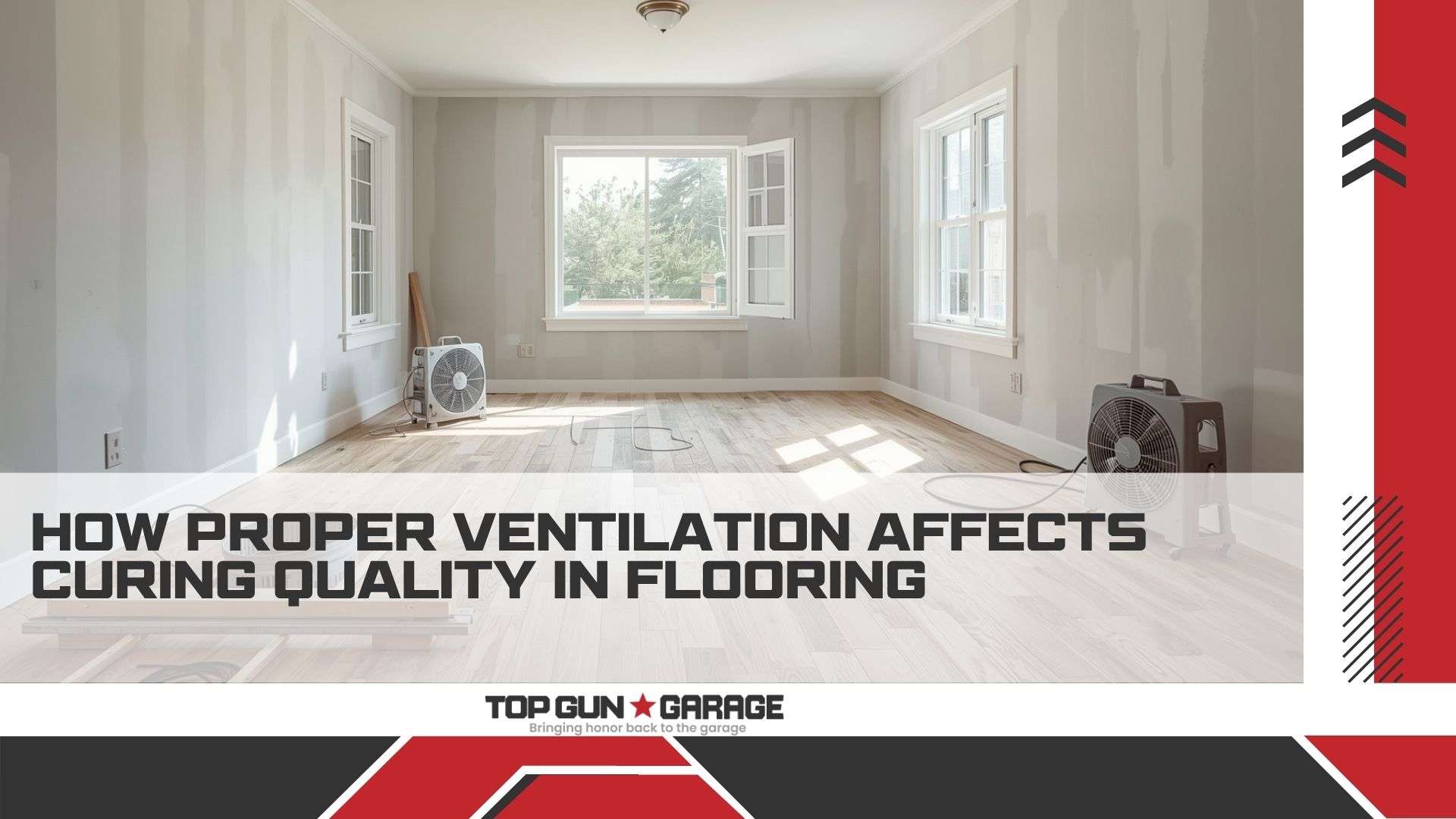
When it comes to flooring installation, many homeowners and contractors focus heavily on material selection, subfloor preparation, and installation techniques. However, one critical factor that significantly impacts the long-term success of any flooring project often gets overlooked: proper ventilation. Understanding how proper ventilation affects curing quality can mean the difference between a beautiful, durable floor that lasts for decades and one that develops premature wear, discoloration, or structural issues within just a few years.
Proper ventilation during the flooring installation and curing process is far more complex than simply opening a few windows. It involves creating controlled airflow patterns that facilitate optimal moisture management, temperature regulation, and chemical off-gassing. Whether you’re working with hardwood, laminate, vinyl, or specialty flooring materials, the curing environment directly influences how these materials bond, settle, and perform over time.
The science behind ventilation and curing quality involves understanding how different flooring materials respond to environmental conditions. Adhesives need specific humidity levels to cure properly, wood flooring requires controlled moisture levels to prevent expansion and contraction issues, and synthetic materials benefit from adequate air circulation to eliminate volatile organic compounds (VOCs) that can affect both performance and indoor air quality.
Professional flooring contractors understand that ventilation isn’t just about comfort during installation—it’s a critical component of quality control that affects everything from adhesive bond strength to dimensional stability. Poor ventilation can lead to a cascade of problems including uneven curing, trapped moisture, adhesive failure, and even health concerns for occupants. These issues often don’t manifest immediately, making proper ventilation practices essential for preventing costly callbacks and warranty claims.
The investment in proper ventilation setup pays dividends in both immediate installation success and long-term flooring performance. Modern flooring materials and adhesives are engineered to cure under specific environmental conditions, and deviating from these parameters can compromise the manufacturer’s warranty and the integrity of the installation. Understanding these relationships empowers both professionals and informed homeowners to make decisions that protect their flooring investment.
Key Takeaways
Moisture Control is Critical: Proper ventilation regulates humidity levels during curing, preventing moisture-related issues like cupping, buckling, and adhesive failure that can compromise flooring integrity and void manufacturer warranties.
Temperature Stability Enhances Curing: Consistent airflow helps maintain optimal temperature ranges for adhesive curing and material acclimation, ensuring proper chemical reactions and dimensional stability throughout the installation process.
VOC Management Improves Safety: Adequate ventilation removes volatile organic compounds released during installation, protecting installer health and improving indoor air quality for future occupants while preventing chemical buildup that can affect curing.
Airflow Patterns Matter: Strategic placement of ventilation equipment creates uniform environmental conditions across the entire installation area, preventing localized curing issues and ensuring consistent flooring performance throughout the space.
Material-Specific Requirements: Different flooring types require tailored ventilation approaches—hardwood needs controlled humidity, adhesive-based installations require specific air exchange rates, and luxury vinyl benefits from temperature-controlled environments during acclimation.
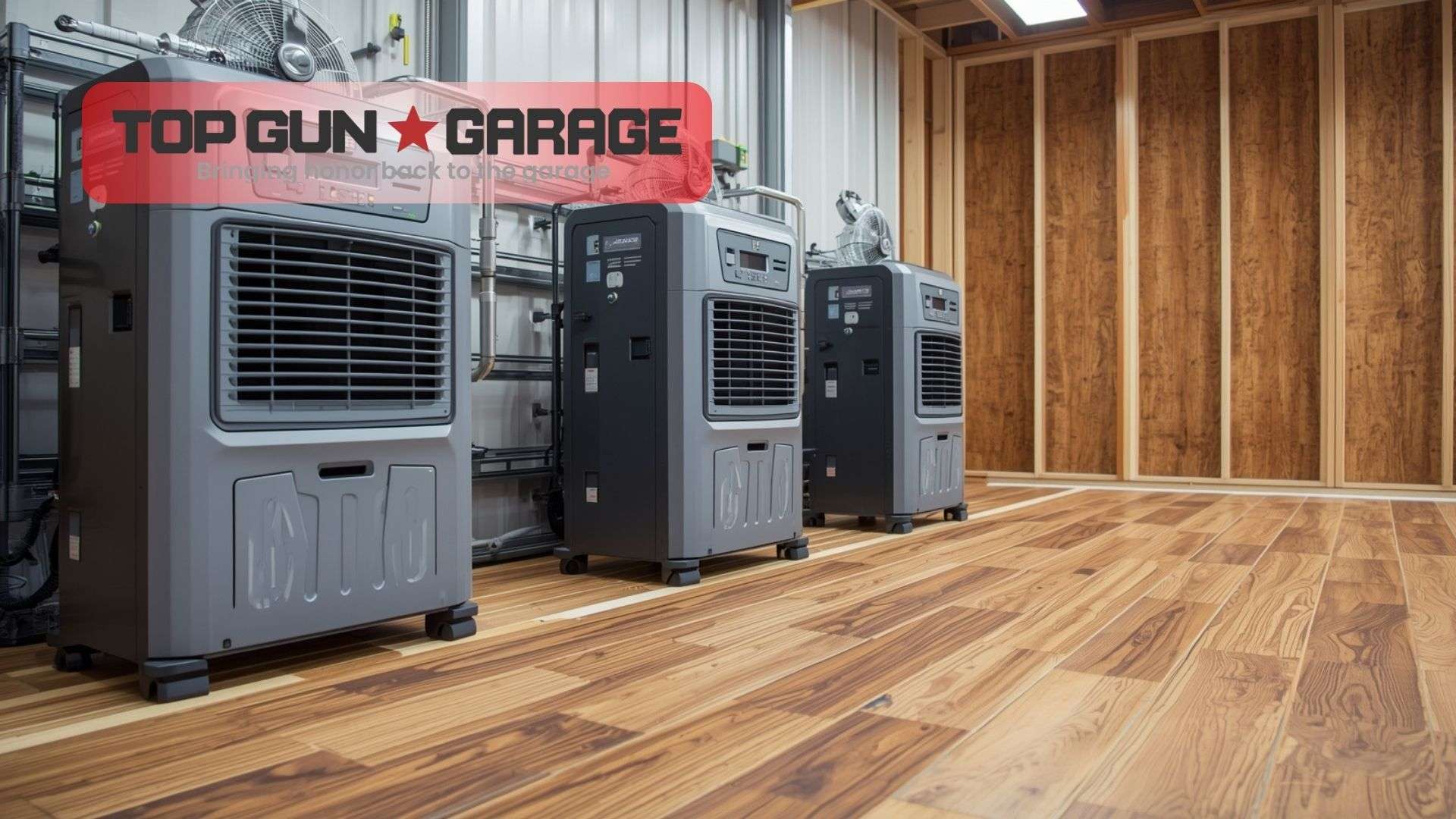
Professional Equipment Makes a Difference: Industrial-grade fans, dehumidifiers, and air movers provide precise environmental control that consumer-grade equipment cannot match, making professional installation advantageous for optimal curing conditions.
Timing Affects Results: Ventilation requirements change throughout the installation and curing process, with different phases requiring adjusted airflow, humidity control, and temperature management for optimal results.
Understanding the Science Behind Ventilation and Curing
The relationship between ventilation and flooring curing quality is rooted in fundamental principles of chemistry, physics, and materials science. When flooring materials are installed, multiple simultaneous processes occur that depend heavily on environmental conditions. Adhesives undergo chemical curing reactions that require specific temperature and humidity ranges to achieve optimal bond strength. Wood flooring continues to acclimate to its environment, expanding or contracting based on moisture content in the air. Synthetic materials may release gases and settle into their final dimensions as they adjust to room conditions.
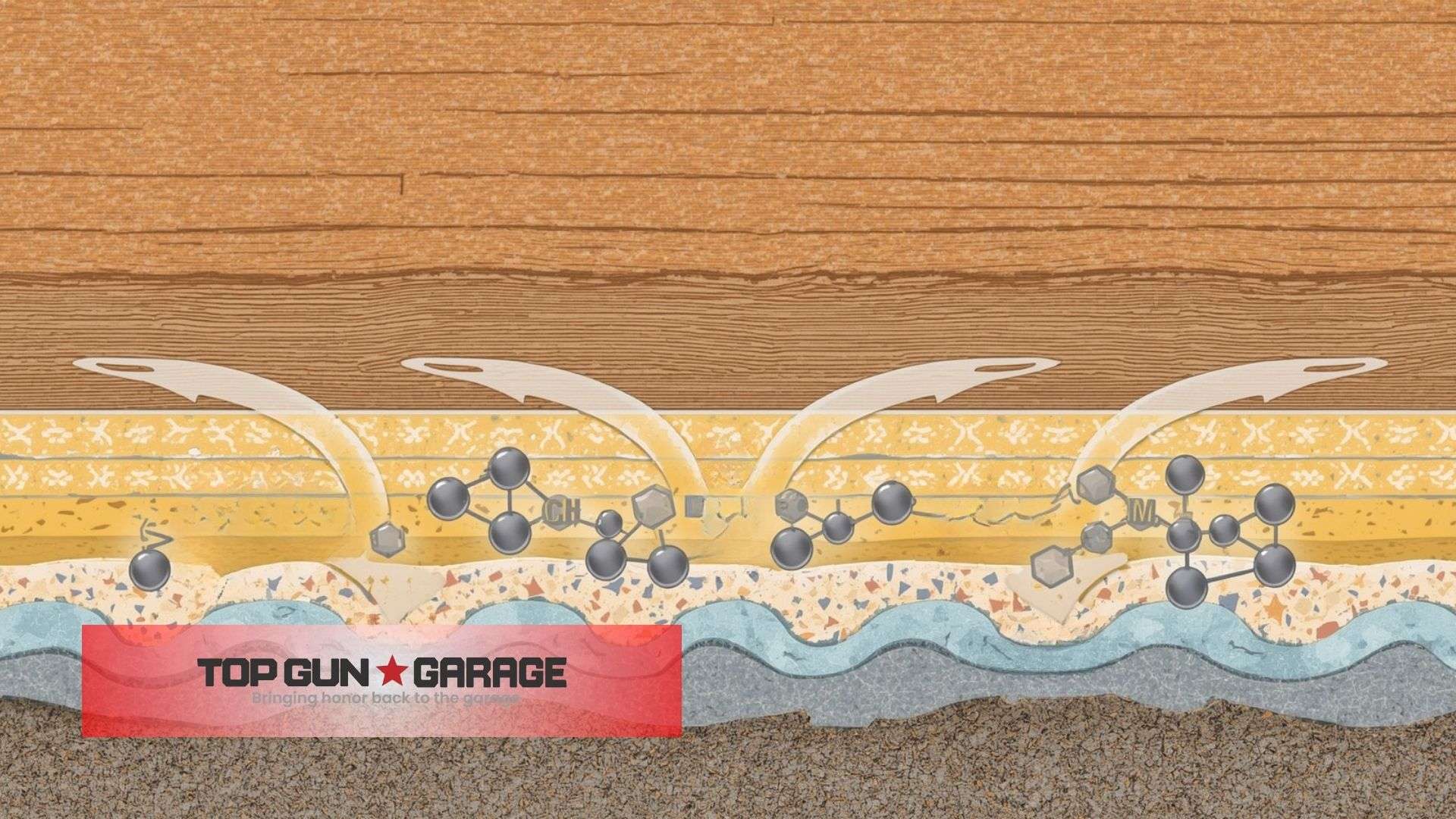
Proper ventilation creates a controlled environment that supports these natural processes rather than hindering them. Air circulation helps maintain consistent temperature throughout the installation area, preventing hot spots or cold zones that can cause uneven curing. Humidity control through ventilation prevents excessive moisture that can interfere with adhesive bonding or cause wood expansion, while also preventing overly dry conditions that can lead to shrinkage and gap formation.
The molecular-level interactions during curing are particularly sensitive to environmental fluctuations. Adhesive polymers cross-link more effectively under stable conditions, creating stronger, more durable bonds. Wood fibers stabilize more predictably when moisture levels remain consistent throughout the curing period. Even the surface finish on pre-finished flooring can be affected by environmental conditions during installation, with proper ventilation helping maintain the integrity of factory-applied coatings.
Understanding these scientific principles helps explain why professional installers invest in sophisticated ventilation equipment and why cutting corners on environmental control often leads to problems down the road. The initial investment in proper ventilation setup is minimal compared to the potential costs of addressing curing-related failures after installation is complete.
Moisture Management Through Strategic Ventilation
Moisture control represents perhaps the most critical aspect of how proper ventilation affects curing quality in flooring installations. Excess humidity can prevent adhesives from curing properly, leading to weak bonds that may fail over time. Conversely, insufficient humidity can cause rapid moisture loss from wood flooring, resulting in shrinkage, gaps, and potential cracking. Strategic ventilation creates the balanced environment necessary for optimal moisture management throughout the curing process.
Professional moisture management begins with understanding the specific requirements of each flooring type and adhesive system. Water-based adhesives typically require lower humidity levels during curing compared to solvent-based systems. Hardwood flooring needs carefully controlled moisture levels that match the long-term environment of the space to prevent future movement. Luxury vinyl and laminate flooring, while less moisture-sensitive than wood, still benefit from stable humidity conditions during installation and initial curing.
Effective ventilation systems for moisture control often incorporate multiple components working together. Exhaust fans remove humid air from the space, while supply fans bring in fresh air with controlled moisture content. Dehumidifiers may be necessary in naturally humid environments, while humidifiers might be required in arid climates or during winter heating seasons. The key is creating a system that maintains consistent moisture levels rather than allowing dramatic fluctuations that can stress flooring materials.
Monitoring moisture levels throughout the installation and curing process provides valuable feedback for adjusting ventilation strategies. Professional installers use hygrometers and moisture meters to track both ambient humidity and material moisture content, making real-time adjustments to ventilation equipment as needed. This proactive approach prevents moisture-related problems before they can affect curing quality.
The timing of moisture management is equally important as the methods used. Different phases of installation may require different humidity targets, and ventilation systems must be flexible enough to accommodate these changing needs. Early installation phases might prioritize moisture removal, while later curing phases might focus on maintaining stable conditions for optimal chemical reactions.
Temperature Control and Its Impact on Curing Processes
Temperature regulation through proper ventilation plays a crucial role in achieving optimal curing quality across all types of flooring installations. Chemical reactions in adhesives are highly temperature-dependent, with most systems designed to cure within specific temperature ranges for maximum performance. Too cool, and curing reactions slow down or may not complete properly, leading to weak bonds. Too warm, and reactions may proceed too quickly, creating stress within the adhesive matrix and potentially compromising long-term durability.
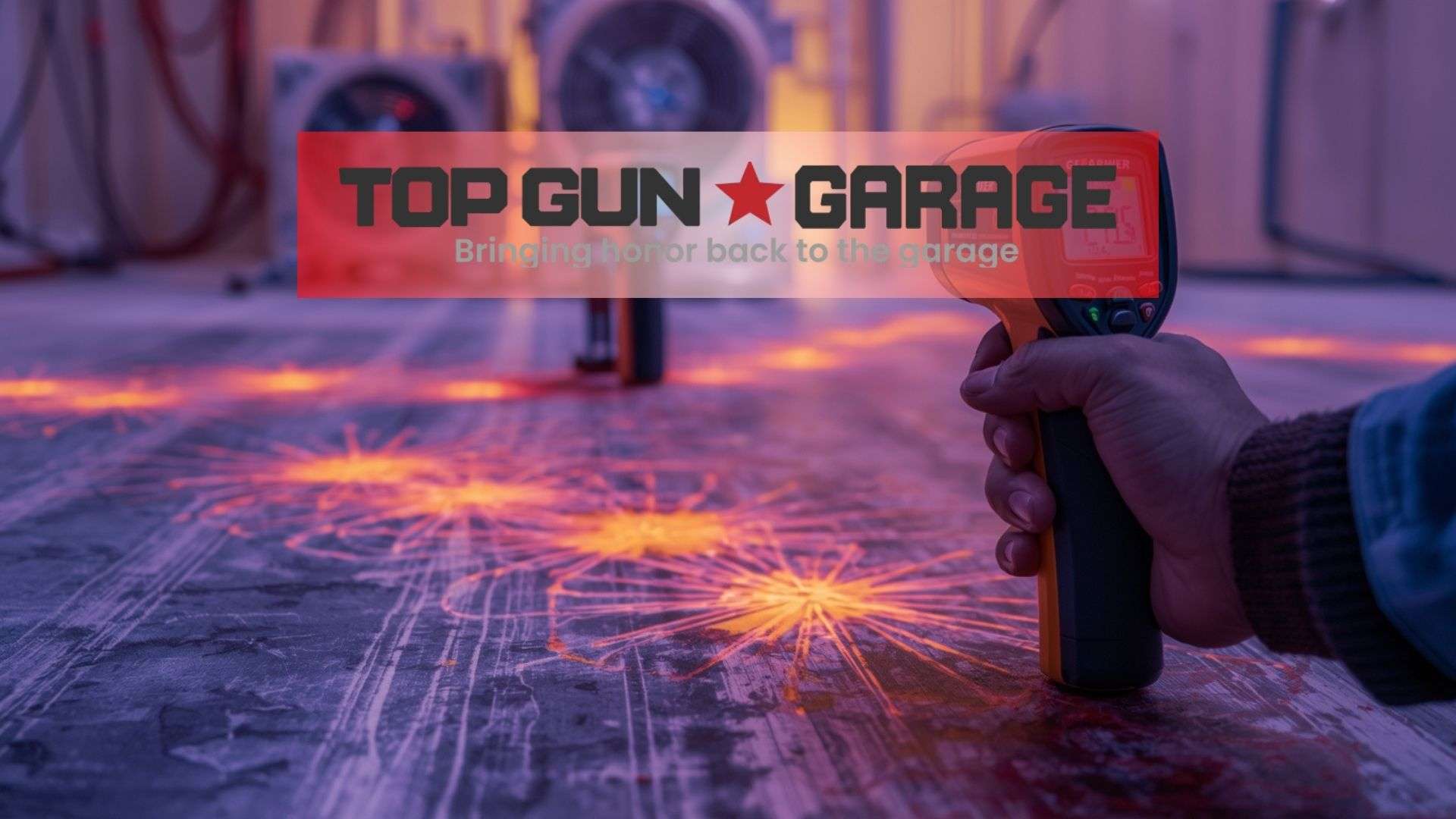
Ventilation systems help maintain consistent temperatures by promoting air circulation that eliminates hot spots and cold zones within the installation area. Radiant heating from sunlight streaming through windows can create localized temperature variations that affect curing quality. Similarly, areas near exterior walls or HVAC vents may experience temperature fluctuations that impact the curing process. Strategic airflow patterns created by proper ventilation equipment help normalize these temperature variations across the entire floor area.
The thermal mass of different flooring materials also influences how temperature control affects curing quality. Dense hardwood flooring takes longer to reach thermal equilibrium with room conditions compared to thinner materials like luxury vinyl. Proper ventilation helps accelerate this thermal acclimation process while maintaining the stable conditions necessary for optimal curing. This is particularly important when working with temperature-sensitive adhesives that have narrow curing windows.
Professional temperature management often involves multiple strategies working in concert with ventilation systems. Temporary heating or cooling equipment may supplement existing HVAC systems to maintain ideal conditions during installation. Insulation barriers might be used to protect work areas from extreme external temperatures. The goal is creating a controlled environment where temperature remains within the optimal range for both material acclimation and adhesive curing throughout the entire installation timeline.
Seasonal considerations also affect how temperature control through ventilation impacts curing quality. Winter installations may require supplemental heating and careful moisture management to prevent condensation. Summer installations might need enhanced cooling and humidity control to prevent accelerated curing that can compromise bond strength. Understanding these seasonal variables helps contractors plan ventilation strategies that account for external environmental factors.
Airflow Patterns and Their Effect on Uniform Curing
The design and implementation of effective airflow patterns represents a sophisticated aspect of how proper ventilation affects curing quality in flooring installations. Random or poorly planned air movement can create uneven curing conditions that lead to inconsistent flooring performance across different areas of the same installation. Professional ventilation strategies focus on creating laminar airflow patterns that provide uniform environmental conditions throughout the entire work area.
Effective airflow design begins with understanding the layout and characteristics of the installation space. Room geometry, ceiling height, window placement, and existing HVAC systems all influence how air moves through the area. Professional installers conduct airflow analysis to identify potential dead zones where air circulation might be inadequate, as well as areas where excessive air movement might cause rapid moisture loss or temperature fluctuations that could affect curing quality.
Strategic placement of ventilation equipment creates controlled air movement that supports uniform curing conditions. Supply fans positioned to create gentle, consistent airflow across the floor surface help maintain even temperature and humidity distribution. Exhaust fans located to remove contaminated air without creating excessive negative pressure ensure that fresh air circulation continues throughout the curing process. The goal is achieving air exchange rates that support optimal curing without creating turbulence that might disturb uncured materials.
Cross-ventilation techniques often provide the most effective airflow patterns for flooring installations. By creating gentle air movement from one side of the room to the other, installers can ensure that all areas receive adequate ventilation without creating the strong drafts that might cause uneven drying or temperature variations. This approach is particularly important when working with large open spaces where maintaining uniform conditions across the entire area can be challenging.
Monitoring and adjusting airflow patterns throughout the installation and curing process ensures continued effectiveness of the ventilation strategy. Professional installers use smoke pencils or ribbon tests to visualize air movement patterns and identify areas where adjustments might be needed. This attention to airflow details helps prevent the localized curing problems that can compromise overall flooring quality and performance.
Material-Specific Ventilation Requirements
Different flooring materials have unique ventilation needs that directly impact curing quality, requiring tailored approaches for optimal results. Understanding these material-specific requirements is essential for achieving professional-grade installations that meet manufacturer specifications and warranty requirements. While general ventilation principles apply across all flooring types, the specific implementation varies significantly based on material characteristics and installation methods.
Hardwood flooring installations require particularly careful ventilation management due to wood’s hygroscopic nature and sensitivity to environmental changes. The ventilation strategy must balance moisture control with temperature stability while allowing for gradual acclimation to final environmental conditions. Too aggressive ventilation can cause rapid moisture loss leading to shrinkage and gaps, while insufficient air circulation can result in excessive moisture retention and potential cupping or buckling. Professional hardwood installations often incorporate gradual ventilation adjustments that slowly transition the wood to its final equilibrium moisture content.
Adhesive-based flooring installations, including engineered wood, luxury vinyl, and carpet tile, have ventilation requirements driven primarily by the curing needs of the bonding agents. These installations typically benefit from consistent air circulation that promotes solvent evaporation and chemical curing without causing rapid moisture loss from the adhesive. The ventilation strategy must account for the specific adhesive type, with water-based systems generally requiring different airflow patterns compared to solvent-based or reactive adhesives.
Luxury vinyl and laminate flooring installations present unique ventilation challenges related to material acclimation and expansion joint management. While these materials are less moisture-sensitive than wood, they still require controlled environmental conditions during installation and initial settling. Proper ventilation helps maintain consistent temperatures that support dimensional stability while promoting the off-gassing of manufacturing compounds that might otherwise affect indoor air quality.
When considering the complexity of material-specific requirements, many homeowners find that professional installation offers significant advantages over DIY approaches, particularly in managing the sophisticated ventilation needs of different flooring systems. Professional contractors have the experience and equipment necessary to implement material-appropriate ventilation strategies that optimize curing quality for each specific installation.
Professional Equipment vs. Consumer-Grade Solutions
The quality and sophistication of ventilation equipment significantly impacts how effectively proper ventilation affects curing quality in flooring installations. While consumer-grade fans and dehumidifiers might seem adequate for basic air circulation, professional-grade equipment offers precise control capabilities and consistent performance that can make the difference between acceptable and exceptional curing results. Understanding these equipment differences helps explain why professional installations often achieve superior long-term performance compared to DIY projects.
Professional air movers and circulation fans are engineered for continuous operation under demanding conditions while providing precise airflow control. These units typically offer variable speed settings, directional airflow adjustment, and robust construction that maintains consistent performance throughout extended curing periods. Consumer fans, while less expensive, often lack the power, durability, and control features necessary for maintaining optimal curing conditions over the days or weeks required for complete flooring system curing.
Industrial-grade dehumidification and humidity control equipment provides the precise moisture management capabilities essential for optimal curing quality. Professional dehumidifiers can maintain specific humidity levels within tight tolerances while handling the large air volumes typical of flooring installations. They also incorporate features like automatic drainage, humidity sensing, and integration with other environmental control systems that simplify the management of complex ventilation strategies.
Temperature control equipment used by professional installers includes sophisticated heating and cooling systems designed specifically for construction and installation applications. These units can maintain precise temperature ranges while integrating with ventilation systems to provide comprehensive environmental control. The ability to fine-tune temperature conditions throughout different phases of installation and curing helps ensure optimal material performance and adhesive bonding.
The monitoring and control systems used with professional ventilation equipment provide real-time feedback and automated adjustments that maintain optimal curing conditions without constant manual intervention. Digital hygrometers, temperature loggers, and environmental monitoring systems help installers track conditions and make data-driven decisions about ventilation adjustments. This level of precision and automation is typically not available with consumer-grade equipment, making professional installation the preferred choice for achieving consistently high curing quality.
Frequently Asked Questions
How long should ventilation continue after flooring installation? Ventilation requirements vary by flooring type and adhesive system, but generally should continue for 24-72 hours after installation completion. Hardwood installations may require longer ventilation periods to achieve moisture equilibrium, while adhesive-based systems need adequate air circulation until chemical curing is complete. Professional installers monitor environmental conditions and material response to determine optimal ventilation duration.
Can too much ventilation harm the curing process? Yes, excessive ventilation can cause problems including rapid moisture loss from wood flooring, accelerated adhesive curing that creates weak bonds, and temperature fluctuations that stress materials during acclimation. The key is balanced ventilation that maintains optimal conditions rather than maximum air movement. Professional equipment allows precise control to avoid over-ventilation issues.
What humidity levels are ideal for different flooring types during curing? Hardwood installations typically perform best with relative humidity between 30-50%, while adhesive-based systems may require different ranges depending on the specific adhesive chemistry. Luxury vinyl and laminate installations are less humidity-sensitive but still benefit from stable conditions in the 40-60% range. Professional installers adjust humidity targets based on specific material requirements and local climate conditions.
How does seasonal weather affect ventilation requirements? Winter conditions often require supplemental heating and humidity control to maintain optimal curing environments, while summer installations may need enhanced cooling and dehumidification. Spring and fall typically provide more favorable natural conditions but may still require ventilation adjustments for optimal results. Professional contractors adjust their ventilation strategies based on seasonal environmental factors.
Is natural ventilation sufficient for proper flooring curing? Natural ventilation through open windows and doors rarely provides the consistent, controlled conditions necessary for optimal curing quality. While it may be adequate for some basic installations, professional results typically require mechanical ventilation systems that can maintain precise environmental conditions regardless of external weather variations.
What are the signs of poor ventilation during flooring installation? Warning signs include condensation on windows or surfaces, musty odors, uneven adhesive curing, visible moisture problems, and temperature variations across the installation area. These indicators suggest that ventilation adjustments are needed to prevent curing quality issues that could affect long-term flooring performance.
How do I calculate the proper air exchange rate for my flooring project? Air exchange requirements depend on room volume, flooring type, adhesive system, and environmental conditions. Professional calculations consider factors like material off-gassing rates, moisture generation, and temperature control needs. Most flooring installations benefit from 2-6 air changes per hour, but specific requirements vary significantly based on project characteristics.
Can poor ventilation void flooring warranties? Many flooring and adhesive manufacturers specify environmental conditions during installation and curing as warranty requirements. Failure to maintain proper ventilation that results in curing problems can potentially void warranty coverage. Professional installation helps ensure compliance with manufacturer specifications and warranty protection for the flooring investment.
Conclusion
Understanding how proper ventilation affects curing quality represents a critical knowledge area for anyone involved in flooring installation, whether as a professional contractor or an informed homeowner. The science behind ventilation and curing reveals that environmental control during installation is not merely a convenience factor but a fundamental requirement for achieving optimal flooring performance and longevity. The investment in proper ventilation equipment and techniques pays dividends through improved curing quality, reduced callback risks, and enhanced long-term flooring durability.
The complexity of modern flooring systems and adhesive technologies demands sophisticated approaches to environmental control that go far beyond simply opening windows or running basic fans. Professional-grade ventilation strategies that incorporate moisture management, temperature control, and strategic airflow patterns create the controlled conditions necessary for optimal material performance. These technical requirements, combined with the specialized equipment needed for precise environmental control, often make professional installation the most practical choice for achieving consistently high-quality results.
At Top Gun Garage, we understand that proper ventilation is just one component of a comprehensive approach to flooring installation excellence. Our team combines technical expertise with professional-grade equipment to create optimal curing conditions for every flooring project. By investing in proper ventilation strategies and environmental control, we ensure that our installations meet manufacturer specifications, protect warranty coverage, and deliver the long-term performance that our clients expect from their flooring investment.
The future of flooring installation continues to evolve with new materials, adhesive technologies, and environmental requirements that make proper ventilation even more critical for success. Staying current with these developments and maintaining the equipment necessary for optimal environmental control represents an ongoing commitment to installation excellence that separates professional contractors from amateur approaches to flooring installation.