 Skip to content



When homeowners consider energy efficiency improvements, garage floors rarely make the top of their priority list. However, the flooring material and installation quality in your garage can significantly impact your home’s overall energy performance, utility costs, and comfort levels. Understanding how garage floors impact home energy efficiency is crucial for making informed decisions about your home improvement investments.
The garage represents a unique space in your home’s energy ecosystem. Unlike living areas, garages often lack proper insulation and climate control, yet they frequently share walls, ceilings, or floors with conditioned spaces. This connection means that temperature fluctuations and moisture issues in your garage can directly affect adjacent rooms, forcing your HVAC system to work harder and consume more energy.
Modern garage flooring options extend far beyond basic concrete slabs. From epoxy coatings and polyurethane systems to interlocking tiles and specialized insulating materials, today’s flooring solutions can serve as active components in your home’s energy management strategy. The thermal properties, moisture resistance, and installation quality of these materials all contribute to creating barriers against energy loss.
Temperature regulation represents one of the most significant ways garage floors influence energy efficiency. During summer months, uninsulated concrete floors absorb and retain heat, creating thermal mass that radiates warmth long after outdoor temperatures drop. Conversely, winter conditions can turn garage floors into heat sinks, drawing warmth from adjacent spaces and creating uncomfortable temperature differentials that strain heating systems.
Moisture management also plays a critical role in energy efficiency. Poor flooring choices or improper installation can lead to humidity problems that not only damage stored items but also create conditions requiring additional dehumidification or ventilation, both of which consume energy. Professional installation ensures proper vapor barriers and drainage considerations that prevent these costly moisture-related energy drains.
Key Takeaways
Thermal bridging reduction: Properly installed garage flooring with insulating properties can minimize heat transfer between your garage and adjacent living spaces, reducing the workload on your HVAC system and lowering utility bills.
Moisture control benefits: Quality flooring materials and professional installation create effective moisture barriers that prevent humidity-related energy consumption from dehumidifiers and excessive ventilation requirements.
Reflective surface advantages: Light-colored or specially formulated reflective garage flooring can reduce heat absorption during summer months, maintaining cooler temperatures that don’t negatively impact adjacent air-conditioned spaces.
Insulation compatibility: Modern garage flooring systems can be integrated with under-slab insulation or radiant heating systems, creating comprehensive thermal management solutions that enhance overall home energy efficiency.
Air sealing opportunities: Professional flooring installation often includes attention to expansion joints, wall connections, and penetrations that can serve as air leakage points, improving your home’s overall envelope performance.
Long-term efficiency gains: While initial investment in quality garage flooring may seem substantial, the cumulative energy savings over time, combined with reduced maintenance costs and improved comfort, provide measurable returns on investment.
System integration potential: Advanced garage flooring solutions can incorporate heating elements, moisture sensors, and other smart technologies that optimize energy usage based on actual conditions rather than assumptions.
For additional context, see this comprehensive guide.
Understanding Garage Floor Energy Dynamics
The relationship between garage floors and home energy efficiency operates through several interconnected mechanisms that many homeowners don’t fully appreciate. Garages typically represent the largest unheated space in most homes, yet they often share significant surface area with conditioned living spaces through common walls, ceilings, or floors above heated basements.
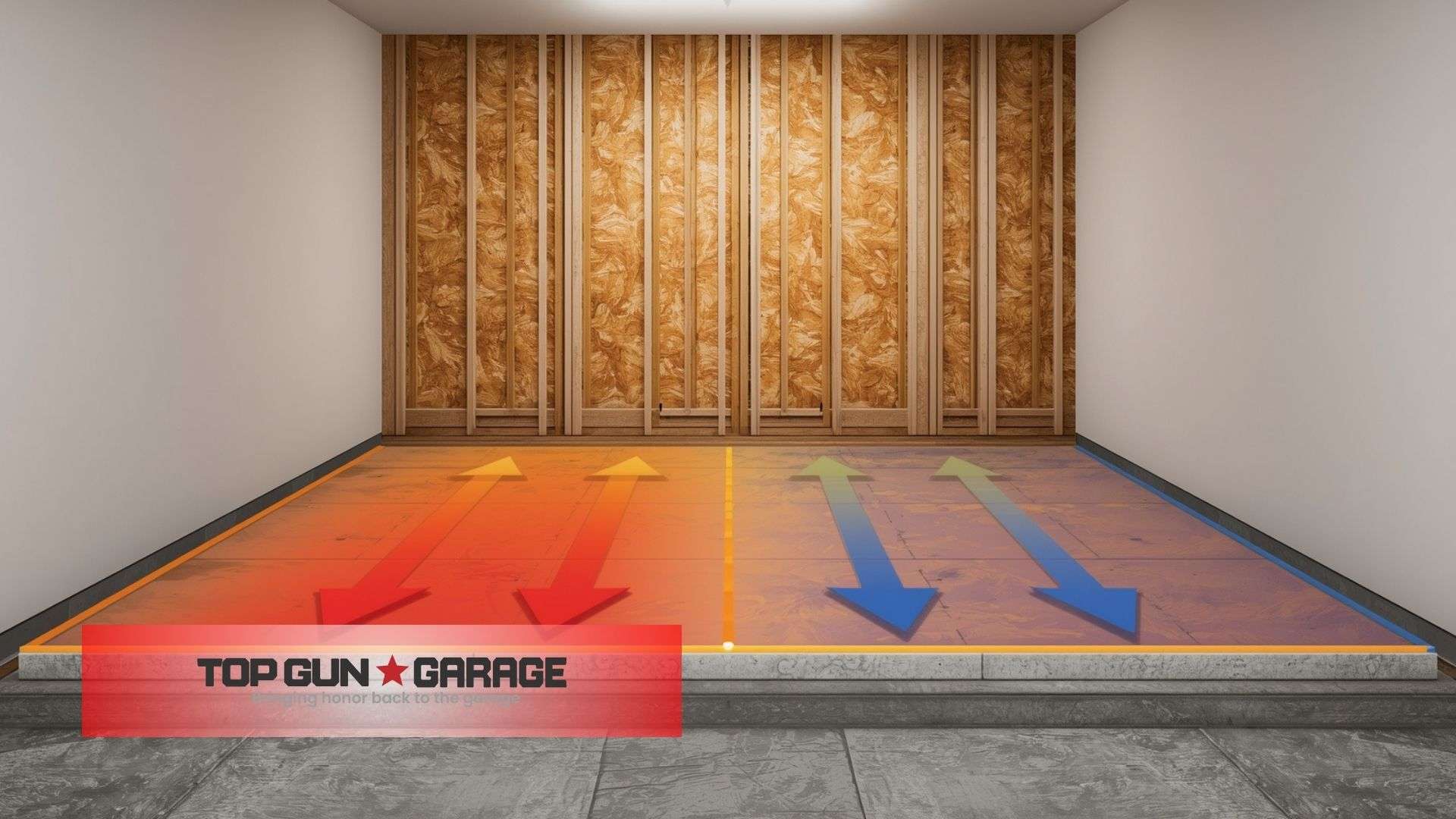
Concrete floors, the most common garage flooring material, possess high thermal mass properties that can either help or hinder energy efficiency depending on climate conditions and installation details. During hot summer days, uninsulated concrete absorbs substantial amounts of heat, which then radiates into the garage space for hours after sunset. This retained heat can penetrate through shared walls or ceilings, forcing air conditioning systems to work harder to maintain comfortable indoor temperatures.
Winter conditions present the opposite challenge. Cold concrete floors create thermal sinks that draw heat from adjacent spaces through conduction and convection. Rooms located above garages frequently experience uncomfortable temperature variations and higher heating costs due to this heat loss through inadequately insulated floor systems.
Modern flooring solutions address these thermal challenges through various approaches. Insulating underlayments, thermal break materials, and specialized coatings can significantly reduce unwanted heat transfer. Some advanced systems incorporate phase-change materials that actively moderate temperature swings by absorbing excess heat during warm periods and releasing it when temperatures drop.
Understanding these dynamics helps homeowners make informed decisions about flooring investments that provide both immediate comfort improvements and long-term energy savings. The key lies in selecting appropriate materials and ensuring professional installation that addresses the specific thermal challenges present in each unique garage environment.
Flooring Materials and Their Thermal Properties
Different garage flooring materials exhibit vastly different thermal characteristics that directly impact energy efficiency. Understanding these properties enables homeowners to select solutions that align with their climate conditions and energy goals while maintaining durability and aesthetic appeal.
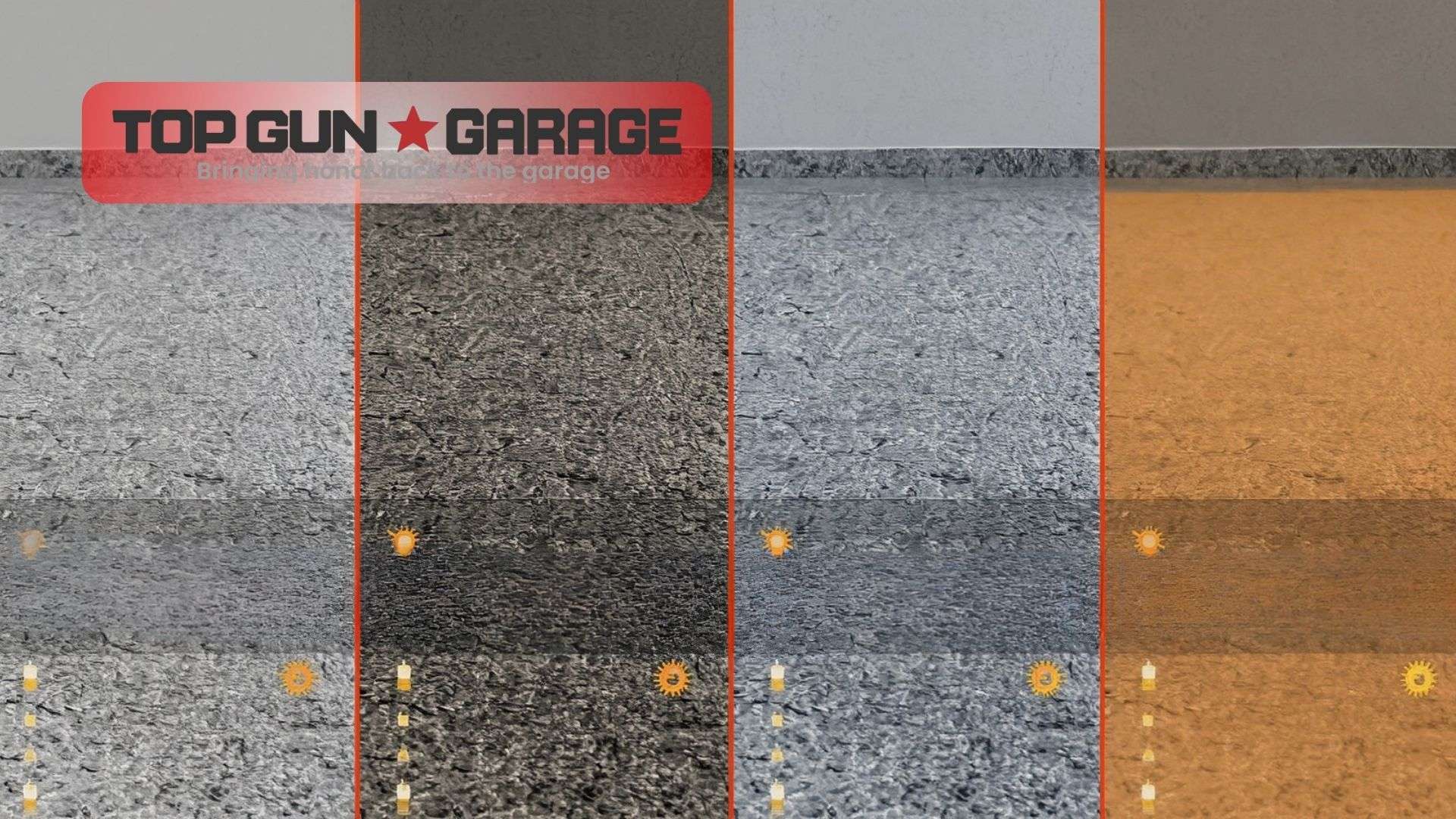
Epoxy and polyurethane coatings represent popular choices that offer moderate thermal benefits beyond their protective and aesthetic qualities. These seamless systems create smooth surfaces that reflect light effectively, reducing heat absorption compared to raw concrete. Quality coatings also seal concrete pores, preventing moisture absorption that can lead to thermal conductivity changes and humidity problems affecting adjacent spaces.
Interlocking tile systems provide superior thermal performance through their construction and installation methods. Many tiles incorporate insulating backing materials or air gaps that create thermal breaks between the subfloor and surface. These systems also allow for easy integration of additional insulation layers during installation, maximizing thermal resistance without compromising durability or maintenance requirements.
Specialized insulating flooring products designed specifically for garage applications offer the highest thermal performance. These systems typically combine multiple layers including vapor barriers, rigid insulation boards, and protective wear surfaces. While representing higher initial investments, they provide substantial energy savings in homes where garages share significant surface area with conditioned spaces.
Rubber and vinyl flooring options fall somewhere between basic coatings and specialized insulating systems. These materials naturally provide better thermal resistance than bare concrete while offering excellent moisture resistance and comfort underfoot. However, when considering options for energy efficiency improvements, it’s important to weigh the benefits of professional installation versus DIY approaches, as proper thermal barrier installation requires specific expertise and attention to detail.
The selection process should consider local climate patterns, garage orientation, and connection points with living spaces. Professional assessment can identify the most cost-effective approaches for achieving meaningful energy efficiency improvements through strategic flooring choices.
Moisture Management and Energy Efficiency
Moisture control represents a critical but often overlooked aspect of how garage floors impact home energy efficiency. Uncontrolled moisture in garage spaces creates multiple energy-consuming problems that can significantly increase utility costs while compromising indoor air quality and structural integrity.
Concrete floors naturally absorb moisture from various sources including ground vapor, precipitation, snow melt from vehicles, and atmospheric humidity. This absorbed moisture then evaporates into the garage air space, creating elevated humidity levels that can migrate into adjacent living areas through air leakage or shared HVAC systems. High humidity forces air conditioning systems to work harder during cooling seasons and can necessitate supplemental dehumidification equipment that consumes additional energy year-round.
Professional flooring installations address moisture issues through comprehensive vapor barrier systems and proper drainage considerations. Quality installations include moisture testing, appropriate primer selection, and seamless barrier creation that prevents ground moisture from entering the garage environment. These measures eliminate the energy consumption associated with managing excess humidity while protecting stored items and preventing mold growth that could affect indoor air quality.
Advanced flooring systems incorporate moisture management features that actively contribute to energy efficiency. Permeable edge treatments allow controlled moisture release while maintaining barrier properties in main floor areas. Some systems include integrated drainage channels that direct water away from the building envelope, preventing moisture accumulation that could compromise insulation effectiveness in adjacent walls or ceilings.
The energy implications of moisture problems extend beyond direct humidity control costs. Moisture-related damage to insulation materials reduces their thermal resistance, forcing heating and cooling systems to compensate for increased heat transfer. Structural moisture problems can also create air leakage paths that compromise overall building envelope performance.
Proper moisture management through quality flooring installation provides immediate energy benefits while preventing costly future problems. The investment in professional moisture barrier systems typically pays for itself through reduced utility costs and avoided remediation expenses over the flooring system’s lifespan.
Installation Quality and Energy Performance
The energy efficiency benefits of garage flooring depend heavily on installation quality and attention to thermal bridge details that casual installations often overlook. Professional installation practices address critical areas where heat transfer occurs, creating comprehensive thermal management systems rather than simply applying surface materials.
Expansion joint treatment represents one of the most important installation considerations for energy efficiency. Concrete floors naturally develop expansion joints that can become significant air leakage paths if not properly sealed. Professional installers use flexible sealants and thermal break materials that accommodate structural movement while maintaining air barriers that prevent conditioned air loss and unconditioned air infiltration.
Perimeter sealing where floors meet walls requires specialized attention to prevent thermal bridging through direct concrete-to-foundation contact. Quality installations include thermal break strips or insulating gaskets that interrupt heat transfer paths while maintaining structural integrity. These details can significantly reduce heat loss through slab edges, particularly in homes with heated basements or conditioned spaces adjacent to garage areas.
Surface preparation affects long-term energy performance through its impact on coating adhesion and moisture barrier effectiveness. Professional preparation includes concrete profiling, crack repair, and moisture testing that ensures optimal bonding and prevents future failures that could compromise thermal and moisture barrier properties. Poor surface preparation can lead to coating failures that eliminate energy efficiency benefits while requiring costly repairs.
Integration with existing building systems requires professional expertise to optimize energy performance. Experienced installers coordinate with HVAC, electrical, and plumbing systems to minimize thermal bridging through penetrations while ensuring proper vapor barrier continuity. They also consider future maintenance access requirements that could affect system integrity over time.
The complexity of achieving optimal energy performance through garage flooring installation highlights the importance of choosing experienced professionals who understand building science principles beyond basic flooring application techniques. While DIY approaches may seem cost-effective initially, the energy efficiency benefits of garage flooring are only realized through proper installation practices that address thermal and moisture management comprehensively.
Cost-Benefit Analysis and ROI Considerations
Evaluating the financial benefits of energy-efficient garage flooring requires understanding both immediate energy savings and long-term value creation through improved comfort, reduced maintenance, and enhanced property value. The return on investment varies significantly based on climate conditions, garage configuration, and integration with overall home energy management strategies.
Direct energy savings from improved garage floor thermal performance typically range from 5-15% of total heating and cooling costs in homes where garages share substantial surface area with conditioned spaces. These savings result from reduced thermal bridging, improved moisture control, and enhanced building envelope performance. In regions with extreme temperature variations, the savings can be even more substantial, particularly when combined with other energy efficiency improvements.
Indirect cost benefits include reduced wear on HVAC equipment due to more stable temperature conditions and decreased humidity control requirements. Extended equipment life and reduced maintenance costs contribute to overall project value while improving system reliability. Additionally, better moisture control prevents damage to stored items and reduces the risk of mold or mildew problems that could require expensive remediation.
Property value enhancement represents another significant benefit consideration. Energy-efficient improvements, including quality garage flooring systems, appeal to environmentally conscious buyers and those seeking lower operating costs. Professional installations with documented energy performance benefits can provide competitive advantages in real estate markets where energy efficiency is valued.
The payback period for energy-efficient garage flooring typically ranges from 7-12 years through direct energy savings alone. When considering comfort improvements, reduced maintenance costs, and property value enhancement, the effective payback period often decreases to 5-8 years. These calculations assume professional installation that maximizes energy efficiency benefits through proper thermal and moisture management techniques.
Financing options and utility rebate programs can further improve project economics. Many utility companies offer rebates for building envelope improvements that include garage floor insulation or thermal barrier systems. Additionally, energy efficiency financing programs may provide favorable terms for comprehensive improvements that include garage flooring as part of whole-house energy management strategies.
At Top Gun Garage, we help homeowners evaluate the specific energy efficiency potential of their garage spaces and recommend cost-effective solutions that provide measurable returns on investment. Our experience with various flooring systems and local climate conditions enables us to provide accurate projections of energy savings and payback periods for different improvement scenarios.
Frequently Asked Questions
How much can energy-efficient garage flooring reduce my utility bills? Energy savings from garage flooring improvements typically range from 5-15% of heating and cooling costs, depending on your garage’s connection to living spaces and local climate conditions. Homes with rooms above garages or shared walls often see the higher end of this range.
What flooring materials provide the best thermal performance? Specialized insulating flooring systems offer superior thermal performance, followed by interlocking tiles with insulating backing. Epoxy and polyurethane coatings provide moderate benefits, while basic concrete offers minimal thermal resistance.
Is professional installation necessary for energy efficiency benefits? Professional installation is crucial for maximizing energy efficiency benefits. Proper thermal bridging details, moisture barrier installation, and air sealing require specialized knowledge and techniques that significantly impact performance outcomes.
How do garage floors affect moisture and humidity control? Unprotected concrete floors absorb ground moisture and create humidity problems that force HVAC systems to work harder. Quality flooring systems with proper vapor barriers eliminate these moisture sources and reduce energy consumption from dehumidification requirements.
Can garage flooring improvements qualify for utility rebates? Many utility companies offer rebates for building envelope improvements including garage floor insulation systems. Check with your local utility provider about available programs for energy efficiency improvements.
What’s the typical payback period for energy-efficient garage flooring? Direct energy savings typically provide payback periods of 7-12 years, while considering comfort improvements and property value enhancement often reduces effective payback to 5-8 years.
How does climate affect garage flooring energy efficiency benefits? Extreme temperature regions see greater benefits from thermal management, while humid climates benefit more from moisture control features. Professional assessment helps identify the most impactful improvements for your specific climate conditions.
Can garage flooring be integrated with radiant heating systems? Yes, many modern flooring systems are compatible with radiant heating installations, creating comprehensive thermal management solutions that can significantly enhance energy efficiency and comfort in garage spaces.
Conclusion
Understanding how garage floors impact home energy efficiency opens opportunities for meaningful improvements that provide both immediate comfort benefits and long-term cost savings. The thermal and moisture management properties of garage flooring systems directly influence your home’s overall energy performance, making flooring selection an important component of comprehensive energy efficiency strategies.
The key to maximizing energy benefits lies in selecting appropriate materials for your specific climate and garage configuration while ensuring professional installation that addresses critical thermal bridging and moisture management details. Quality installations create integrated systems that work synergistically with your home’s existing energy management infrastructure rather than simply providing surface improvements.
The financial benefits of energy-efficient garage flooring extend beyond direct utility savings to include equipment longevity, maintenance reduction, and property value enhancement. When evaluated comprehensively, these improvements often provide attractive returns on investment while contributing to more comfortable and sustainable living environments.
As energy costs continue rising and environmental consciousness grows, the importance of addressing all aspects of home energy performance becomes increasingly apparent. Garage flooring represents an often-overlooked opportunity to achieve meaningful efficiency gains while improving the functionality and appearance of these important spaces. Professional guidance ensures that your investment delivers optimal results through proper material selection and installation practices that maximize long-term performance and value.