 Skip to content



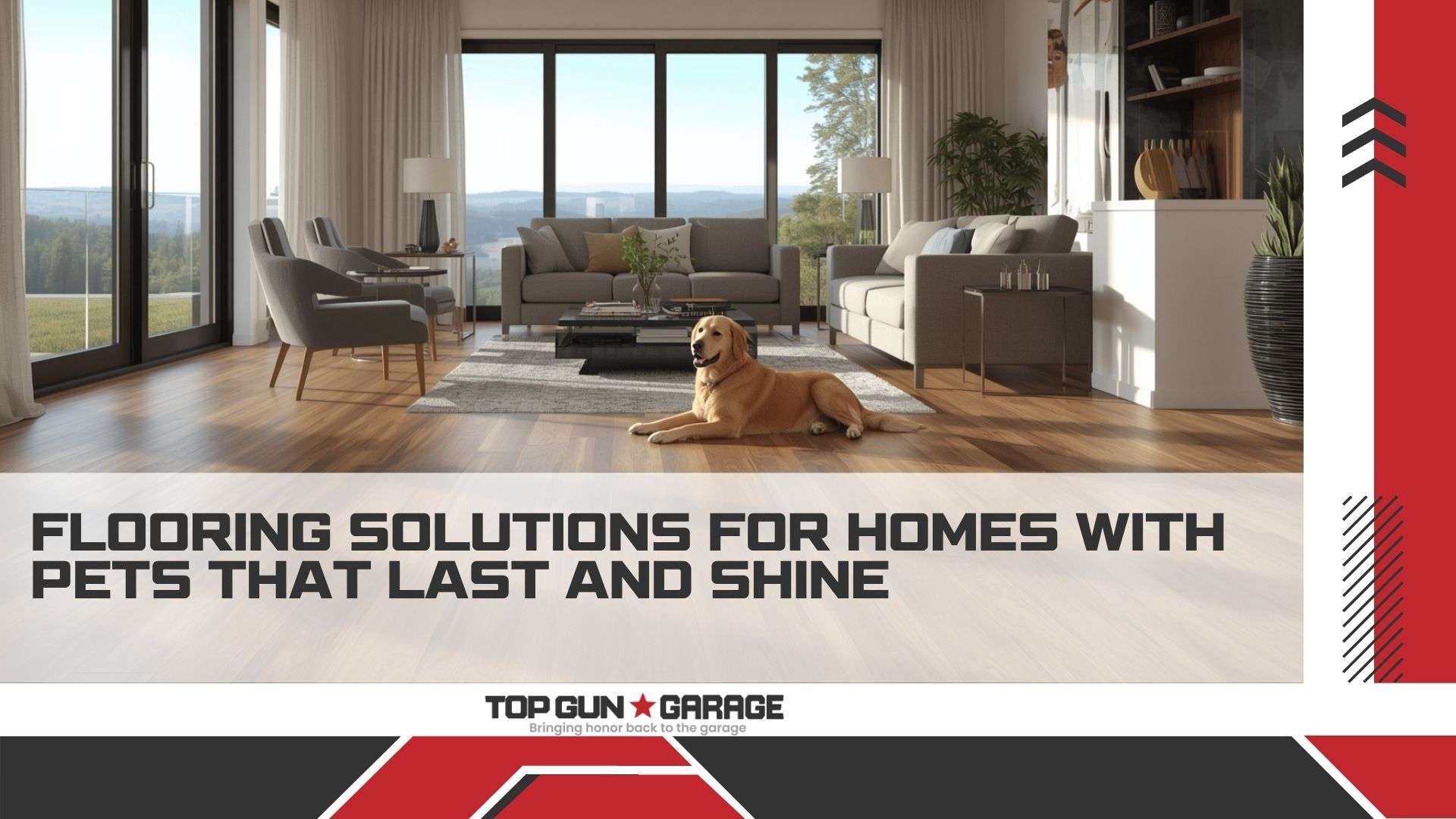
When you share your home with furry family members, choosing the right flooring becomes a critical decision that affects both your daily life and long-term investment. Pet owners face unique challenges that go far beyond typical wear and tear, from scratches and stains to odors and moisture damage. The wrong flooring choice can lead to costly repairs, constant maintenance headaches, and a home that never quite feels clean or comfortable.
Finding effective flooring solutions for homes with pets requires balancing durability, aesthetics, and practicality. Your four-legged companions don’t just walk across your floors – they run, play, sleep, eat, and sometimes have accidents on them. This means your flooring needs to withstand claws, resist moisture, repel stains, and maintain its appearance despite constant activity. The good news is that today’s flooring market offers numerous pet-friendly options that don’t require you to sacrifice style for functionality.
Modern pet-friendly flooring solutions have evolved significantly, incorporating advanced technologies and materials specifically designed to handle the demands of active households. From scratch-resistant surfaces to waterproof cores, these innovations ensure that your floors can maintain their beauty and integrity even with multiple pets in the home. Understanding which materials offer the best combination of durability, maintenance ease, and aesthetic appeal will help you make an informed decision that serves both your family and your pets for years to come.
The investment in proper pet-friendly flooring pays dividends in reduced maintenance time, fewer replacement costs, and a more hygienic living environment. Whether you’re dealing with large dogs with powerful claws, cats who occasionally miss the litter box, or smaller pets with their own unique challenges, the right flooring choice creates a foundation for a harmonious home where both humans and animals can thrive comfortably together.
Key Takeaways
Scratch resistance is paramount: Look for flooring materials with high scratch resistance ratings, particularly those designed to withstand pet claws. Luxury vinyl plank, certain engineered hardwoods with aluminum oxide finishes, and porcelain tiles offer superior protection against scratches from even large, active dogs.
Waterproof options prevent long-term damage: Accidents happen, and moisture can seep into subfloors causing permanent damage and odors. Waterproof flooring solutions like luxury vinyl, sealed concrete, or porcelain tile create impermeable barriers that protect your home’s structure.
Easy cleaning saves time and stress: Pet-friendly floors should allow for quick cleanup of hair, dirt, food spills, and accidents. Smooth, non-porous surfaces that can be swept, mopped, or spot-cleaned efficiently make daily maintenance manageable for busy pet owners.
Slip resistance ensures safety: Both pets and humans need secure footing, especially in areas where water or food might create slippery conditions. Textured surfaces or floors with appropriate slip ratings prevent injuries while maintaining comfort for pet movement.
Odor resistance maintains a fresh environment: Some flooring materials naturally resist odor absorption, while others require proper sealing or treatment. Non-porous materials and antimicrobial treatments help prevent lingering pet odors that can become embedded in flooring.
Professional installation matters: Even the best pet-friendly flooring materials can fail if improperly installed. Proper subfloor preparation, moisture barriers, and sealing techniques are crucial for long-term performance in pet households.
Understanding Pet-Specific Flooring Challenges
Pet ownership introduces a complex set of flooring challenges that extend far beyond normal household wear. Dogs and cats create unique stresses on flooring systems through their natural behaviors, body chemistry, and activity patterns. Understanding these specific challenges helps homeowners make informed decisions about which flooring solutions will truly meet their needs.
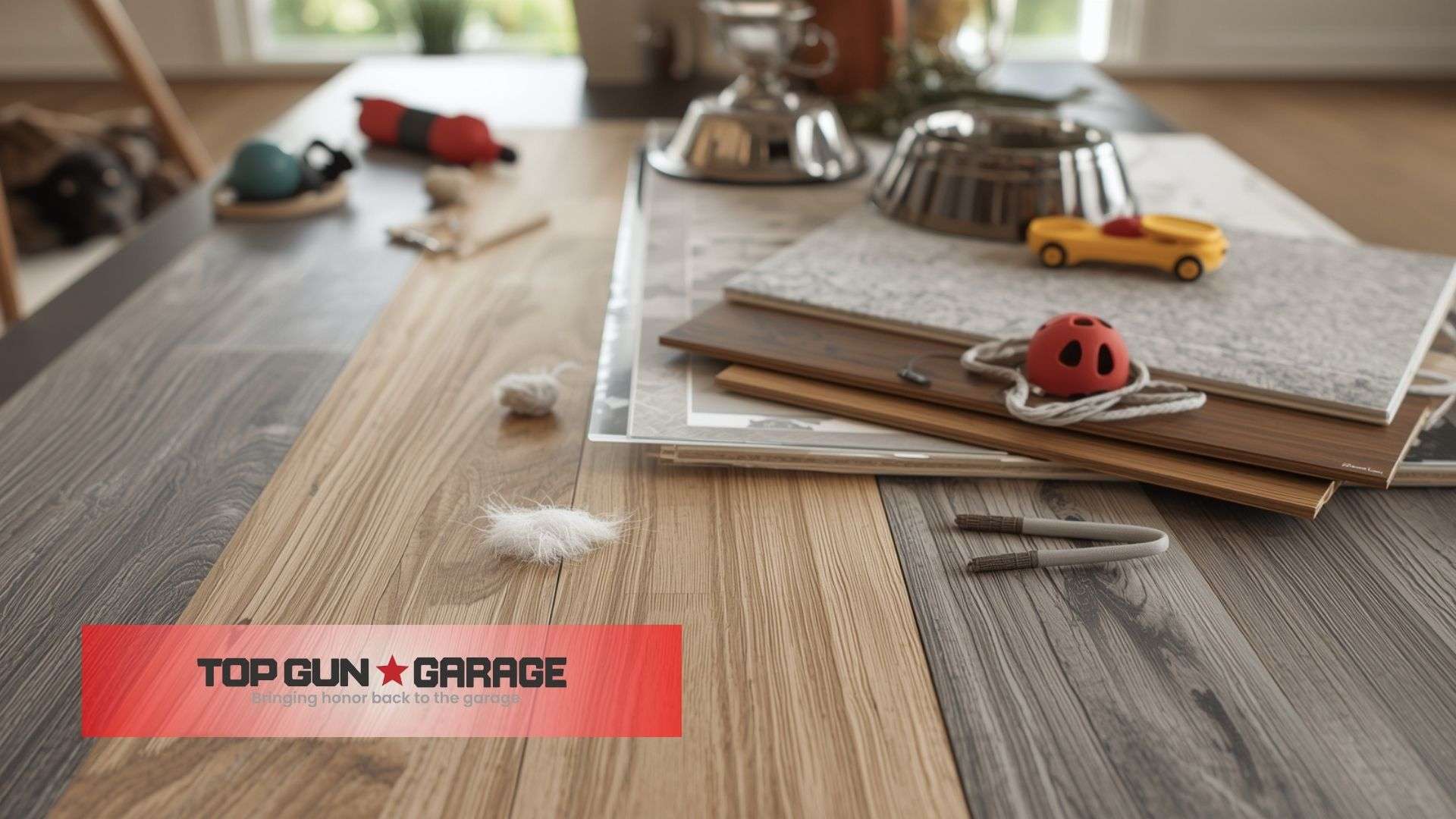
Scratching represents one of the most visible and immediate concerns for pet owners. Large dogs with untrimmed nails can create deep gouges in soft flooring materials, while cats may use certain floor textures as scratching surfaces. The force and frequency of pet movement across floors, especially during play or excitement, can accelerate normal wear patterns and create premature aging of flooring materials.
Moisture-related damage poses another significant threat to flooring integrity. Pet accidents, water bowl spills, wet paws after outdoor activities, and even excessive drooling can introduce moisture into flooring systems. When moisture penetrates beyond the surface layer, it can cause warping, cupping, delamination, and create ideal conditions for mold and bacteria growth that compromise both structural integrity and indoor air quality.
The accumulation of pet hair, dander, and tracked-in debris creates ongoing maintenance challenges that some flooring types handle better than others. Textured surfaces may trap particles, while smooth surfaces allow for easier cleaning but might show every speck of dirt. Finding the right balance between cleanability and comfort becomes essential for maintaining a hygienic environment that works for both pets and their human families.
Top Pet-Friendly Flooring Materials
Luxury vinyl plank (LVP) and luxury vinyl tile (LVT) have emerged as leading choices for pet owners seeking the perfect balance of durability, aesthetics, and practicality. These engineered materials feature waterproof cores that prevent moisture penetration, scratch-resistant wear layers that withstand pet claws, and realistic designs that mimic natural materials like hardwood and stone. The multi-layer construction includes protective coatings that resist stains and make cleanup effortless, even when dealing with pet accidents or spilled food and water.
Porcelain and ceramic tiles offer exceptional durability and complete waterproofing, making them ideal for homes with multiple pets or large dogs. The non-porous surface prevents odor absorption and allows for thorough sanitization using pet-safe cleaning products. Modern tile designs include wood-look and natural stone patterns that provide aesthetic appeal while maintaining the practical benefits of ceramic materials. Proper installation with quality grout and sealing ensures long-term performance even in high-traffic pet areas.
Engineered hardwood with specialized pet-friendly finishes provides the warmth and beauty of natural wood while addressing common pet-related concerns. Advanced aluminum oxide finishes and multiple protective coats create surfaces that resist scratching and moisture better than traditional hardwood. Some manufacturers offer specific pet-friendly product lines with enhanced durability ratings and warranties that cover pet-related damage, giving homeowners confidence in their investment.
Polished concrete represents an increasingly popular option for modern homes with pets, offering unmatched durability and easy maintenance. When properly sealed, concrete floors resist scratches, moisture, and stains while providing a sleek, contemporary aesthetic. The thermal mass of concrete can help regulate indoor temperatures, creating comfortable surfaces for pets to rest on during warm weather. Various finishing techniques, including staining and texturing, allow for customization that complements any interior design style.
Installation Considerations for Pet Households
Professional installation becomes even more critical in pet households, where proper subfloor preparation and moisture barriers can mean the difference between flooring that lasts decades and materials that fail within a few years. Pet homes require enhanced attention to sealing, edge protection, and transition areas where moisture might penetrate. Understanding when to tackle a project yourself versus when to hire professionals can significantly impact the long-term success of your flooring investment, as detailed in our comprehensive guide covering the benefits of professional installation versus DIY approaches.
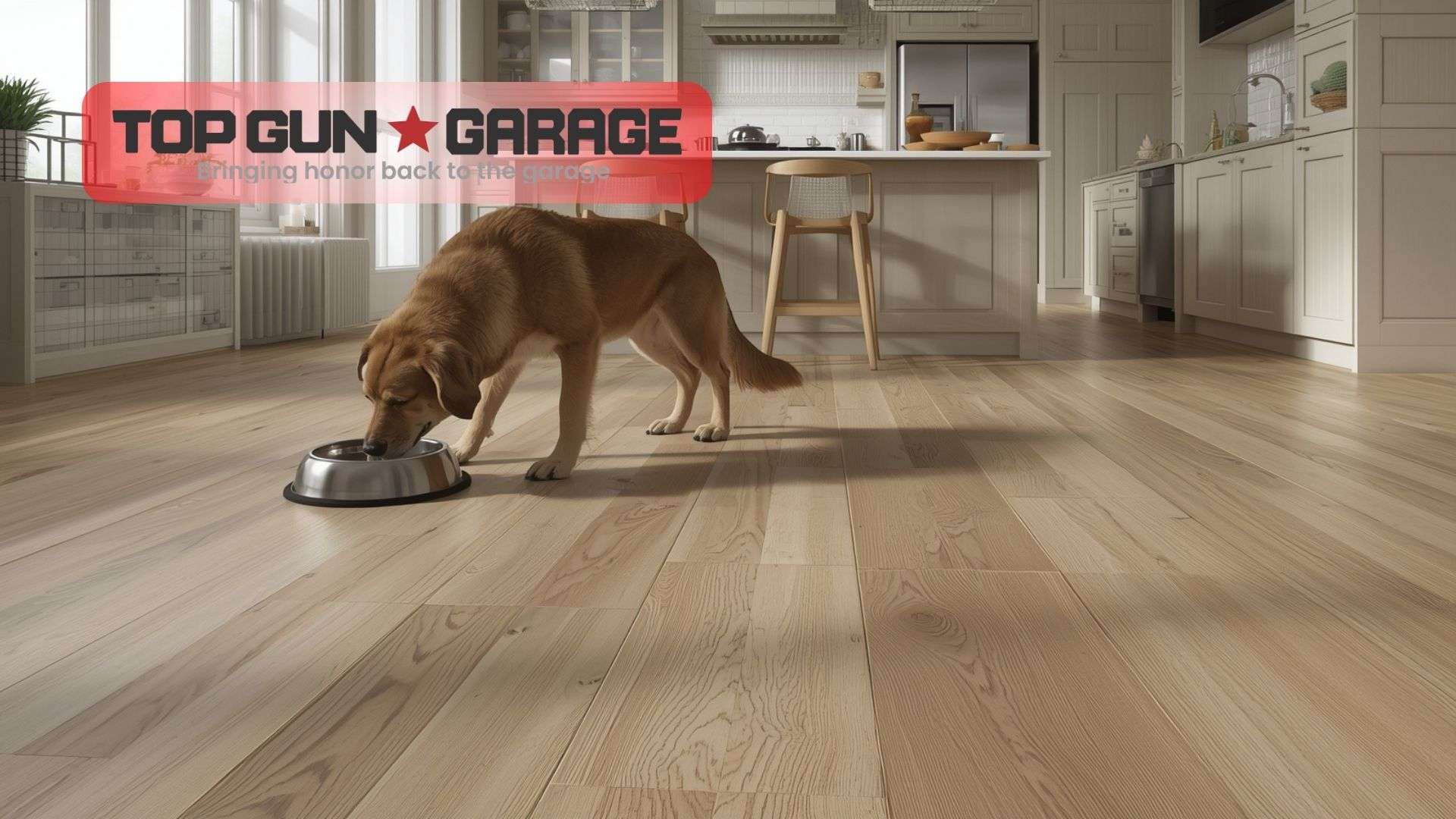
Subfloor preparation in pet homes often requires additional moisture testing and remediation, especially in areas where previous pet accidents may have occurred. Professional installers can identify and address underlying moisture issues, apply appropriate primers and sealers, and ensure that the subfloor provides a stable, dry foundation for new flooring materials. This preparation phase is crucial for preventing future problems and ensuring warranty coverage.
Proper acclimation of flooring materials becomes essential in homes with pets, where humidity levels may fluctuate due to frequent door openings, wet pets, and increased ventilation needs. Professional installers understand how environmental factors specific to pet households affect material performance and can adjust installation techniques accordingly. This includes proper expansion gaps, transition strip placement, and adhesive selection that accommodates the unique conditions of pet-occupied spaces.
Sealing and finishing work requires special attention in pet households, where even small gaps or imperfections can become entry points for moisture and odors. Professional installation ensures that all seams, edges, and transitions are properly sealed, creating a continuous barrier against pet-related moisture intrusion. Quality installation also includes proper ventilation considerations and recommendations for ongoing maintenance that will preserve the flooring investment over time.
Maintenance and Care Strategies
Establishing effective maintenance routines for pet-friendly flooring requires understanding both daily care practices and long-term preservation strategies. Regular maintenance not only keeps floors looking their best but also prevents small issues from becoming major problems that could compromise the flooring’s integrity or require costly repairs. The key lies in developing consistent habits that address pet-specific challenges while maintaining the beauty and functionality of your chosen flooring material.
Daily cleaning routines should focus on immediate response to pet accidents, regular removal of hair and debris, and prevention of moisture accumulation. Quick cleanup of spills and accidents prevents staining and odor development, while regular sweeping or vacuuming removes abrasive particles that could scratch flooring surfaces. Using pet-safe cleaning products ensures that your maintenance routine doesn’t introduce harmful chemicals into your pet’s environment while still achieving thorough cleanliness.
Weekly deep cleaning procedures should include thorough mopping with appropriate cleaning solutions, attention to corners and edges where pet hair accumulates, and inspection for any signs of damage or wear. Different flooring materials require specific cleaning approaches – luxury vinyl responds well to damp mopping with pH-neutral cleaners, while sealed hardwood may need specialized wood floor cleaners that won’t damage protective finishes.
Preventive measures can significantly extend flooring life and reduce maintenance burden. Regular nail trimming for pets, strategic placement of rugs and mats in high-traffic areas, and prompt attention to any signs of damage help preserve flooring appearance and performance. Implementing feeding station mats, entryway cleaning areas, and other protective measures creates a comprehensive approach to flooring preservation that works with, rather than against, normal pet behaviors.
Cost Considerations and Long-Term Value
Investing in quality pet-friendly flooring requires careful consideration of both upfront costs and long-term value, as the initial expense often pays for itself through reduced maintenance, fewer replacements, and preserved home value. Understanding the total cost of ownership helps pet owners make informed decisions that balance budget constraints with practical needs and aesthetic preferences.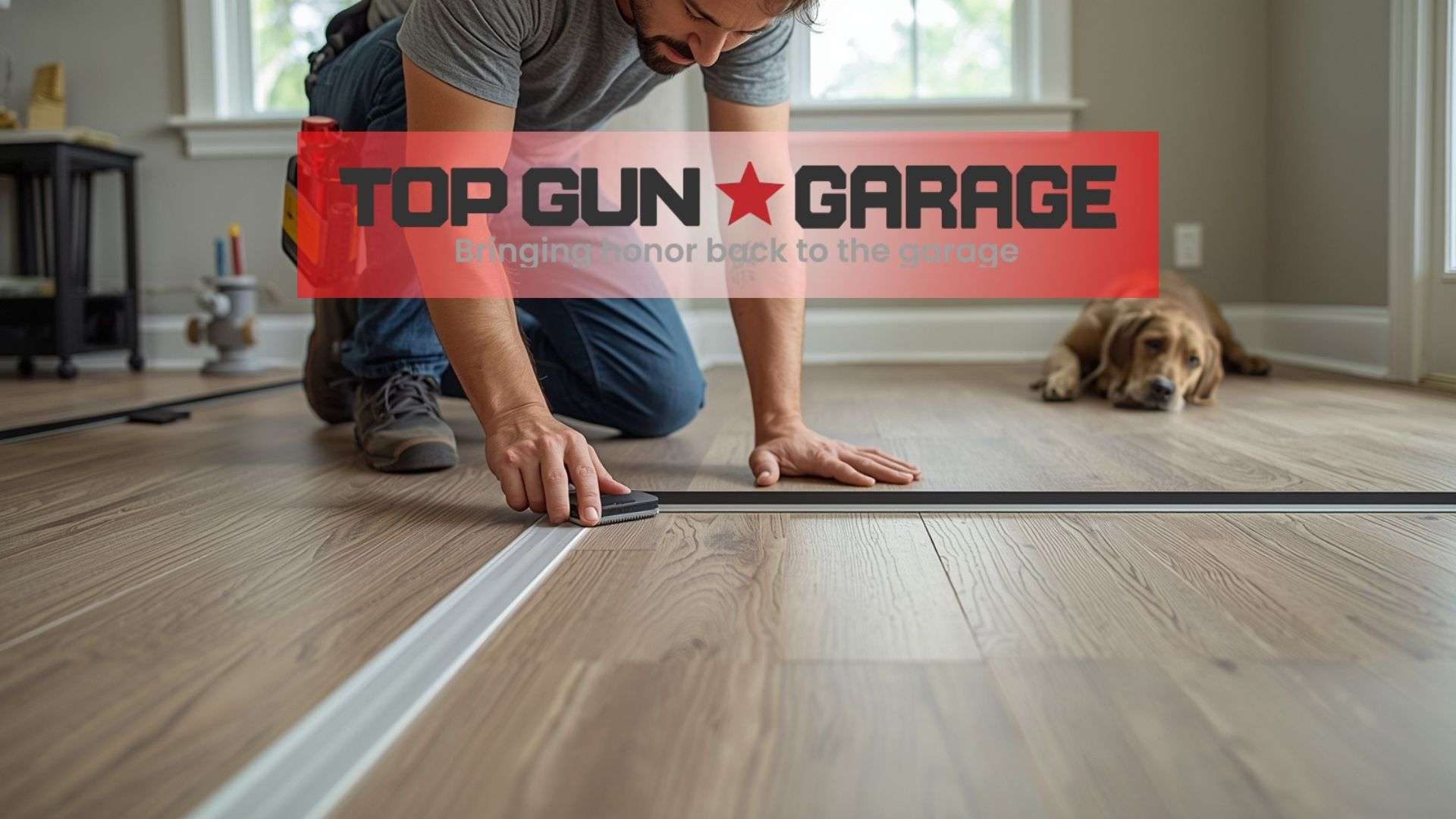
Initial material costs vary significantly among pet-friendly flooring options, with luxury vinyl typically offering the most affordable entry point, while high-end engineered hardwood and natural stone represent larger investments. However, these upfront costs must be evaluated against expected lifespan, maintenance requirements, and potential replacement costs. A slightly more expensive material that lasts twice as long often provides better value than cheaper options that require frequent replacement.
Installation costs can represent a significant portion of the total project budget, but professional installation often includes warranties and guarantees that protect the investment. Quality installation also ensures optimal performance and longevity, preventing premature failure that could necessitate costly repairs or complete replacement. When evaluating installation options, consider the complexity of your specific project, the importance of warranty coverage, and the potential consequences of installation errors.
Long-term maintenance costs vary dramatically between flooring types and quality levels. High-quality pet-friendly flooring typically requires less frequent professional cleaning, fewer repairs, and longer intervals between replacement. Factor in the cost of specialized cleaning products, professional maintenance services, and potential repair costs when calculating the true lifetime cost of different flooring options. Additionally, consider how flooring choices might affect home resale value and appeal to future buyers who may or may not have pets.
Frequently Asked Questions
What is the most scratch-resistant flooring for large dogs? Luxury vinyl plank with enhanced wear layers and porcelain tile offer the highest scratch resistance for large dogs. These materials can withstand even the most active pets without showing visible damage, making them ideal for households with multiple large dogs or particularly energetic breeds.
Can pet accidents damage waterproof flooring? True waterproof flooring materials like luxury vinyl and porcelain tile resist damage from pet accidents when properly installed. However, accidents should still be cleaned promptly to prevent odors and maintain hygiene, and proper installation with sealed seams is essential for complete protection.
How do I remove pet odors from existing flooring? Odor removal depends on the flooring type and how deeply odors have penetrated. Surface odors can often be eliminated with enzymatic cleaners, while deeply embedded odors in porous materials may require professional treatment or even replacement of affected sections.
Is engineered hardwood suitable for homes with cats? High-quality engineered hardwood with aluminum oxide finishes can work well with cats, especially when combined with regular nail trimming and scratching post alternatives. The key is choosing products specifically rated for pet households and maintaining proper humidity levels.
What flooring works best in pet feeding areas? Waterproof materials like luxury vinyl, porcelain tile, or sealed concrete work best in feeding areas where spills and splashing are common. These materials allow for easy cleanup and resist staining from pet food and water.
How often should pet-friendly flooring be professionally cleaned? Most pet-friendly flooring benefits from professional cleaning every 12-18 months, depending on the number of pets and activity level. Regular professional maintenance helps preserve appearance and extends flooring life significantly.
Can I install pet-friendly flooring over existing floors? Many pet-friendly flooring options can be installed over existing floors if the substrate is sound and level. However, pet households may benefit from complete removal to address any underlying odor or moisture issues from previous pet accidents.
What’s the best flooring for homes with both cats and dogs? Luxury vinyl plank or porcelain tile typically work best for mixed pet households, as these materials address the different challenges posed by both cats and dogs while providing easy maintenance and long-term durability.
Conclusion
Selecting the right flooring solutions for homes with pets represents a crucial investment in both your family’s comfort and your property’s long-term value. The modern flooring market offers numerous options that successfully balance the demanding requirements of pet ownership with the aesthetic and functional needs of contemporary homes. From luxury vinyl’s versatility to porcelain tile’s durability, today’s pet-friendly materials prove that you don’t need to compromise style for practicality.
The key to success lies in understanding your specific situation – the types and number of pets, your lifestyle patterns, maintenance preferences, and budget considerations. By carefully evaluating these factors against the characteristics of different flooring materials, you can make an informed decision that serves your household well for years to come. Remember that quality installation and consistent maintenance play equally important roles in achieving the longevity and performance you expect from your flooring investment.
At Top Gun Garage, we understand the unique challenges that pet owners face when selecting and maintaining flooring solutions. Our expertise in pet-friendly flooring installation and our commitment to quality craftsmanship ensure that your investment provides lasting value and satisfaction. Whether you’re building a new home or updating existing spaces, we’re here to help you create beautiful, durable floors that accommodate both your family’s needs and your pets’ natural behaviors, resulting in a harmonious living environment that everyone can enjoy.