 Skip to content



An uneven garage floor can transform what should be a functional space into a frustrating obstacle course. Whether dealing with settling cracks, improper initial installation, or years of wear and tear, fixing uneven garage floor surfaces requires careful planning, the right techniques, and often professional expertise to achieve lasting results.
Garage floors endure tremendous stress from vehicle weight, temperature fluctuations, moisture exposure, and daily use. Over time, these factors can create dips, bumps, cracks, and other irregularities that not only look unprofessional but can also pose safety hazards and prevent proper drainage. Understanding the root causes of floor unevenness and implementing appropriate leveling garage floor solutions can restore both functionality and aesthetics to garage spaces.
The process of addressing uneven surfaces involves multiple considerations, from identifying the underlying causes to selecting appropriate materials and techniques. Some issues may seem minor but indicate more serious structural problems, while others might appear daunting but can be resolved with straightforward approaches. The key lies in accurate assessment and choosing the most effective solution for specific situations.
Modern floor leveling techniques have evolved significantly, offering homeowners and contractors various options ranging from simple patching compounds to comprehensive resurfacing systems. However, the complexity of proper floor preparation, material selection, and application techniques often makes this a project where professional expertise proves invaluable. The investment in proper leveling creates a foundation for future improvements and ensures long-term durability.
This comprehensive guide explores the various aspects of garage floor leveling, from initial assessment through final finishing. Various types of surface irregularities, appropriate solutions for each scenario, and insights into when professional intervention becomes necessary for optimal results are examined.
Key Takeaways
Proper Assessment is Critical: Before beginning any leveling project, thoroughly evaluate the extent and causes of unevenness. Use a long straightedge or laser level to identify high and low spots, and determine whether issues stem from settling, poor initial installation, or structural problems.
Surface Preparation Determines Success: Clean, properly prepared surfaces are essential for adhesion and longevity. This includes removing all contaminants, repairing cracks, and ensuring the substrate is sound before applying leveling compounds.
Material Selection Matters: Different leveling solutions work best for specific situations. Self-leveling compounds excel for minor irregularities, while more significant issues may require concrete overlays, grinding, or complete replacement.
Professional Tools Make a Difference: Specialized equipment like concrete grinders, shot blasters, and professional-grade mixing tools can significantly impact project quality and efficiency compared to basic DIY approaches.
Timing and Curing Are Crucial: Proper curing conditions, including temperature and humidity control, directly affect the final quality and durability of leveling materials. Rushing the process often leads to premature failure.
Long-term Planning Pays Off: Consider future garage uses when selecting leveling approaches. Plans for epoxy coatings, heated floors, or heavy equipment storage should influence material and technique choices.
Safety Considerations: Floor leveling involves potentially hazardous materials and processes. Proper ventilation, protective equipment, and adherence to manufacturer guidelines are essential for safe completion.
Understanding Garage Floor Unevenness
Garage floor irregularities manifest in various forms, each requiring specific diagnostic approaches and solutions. Common issues include settling cracks that create step-like transitions, low spots that collect water and debris, high areas that create tripping hazards, and overall slopes that prevent proper drainage or door operation.
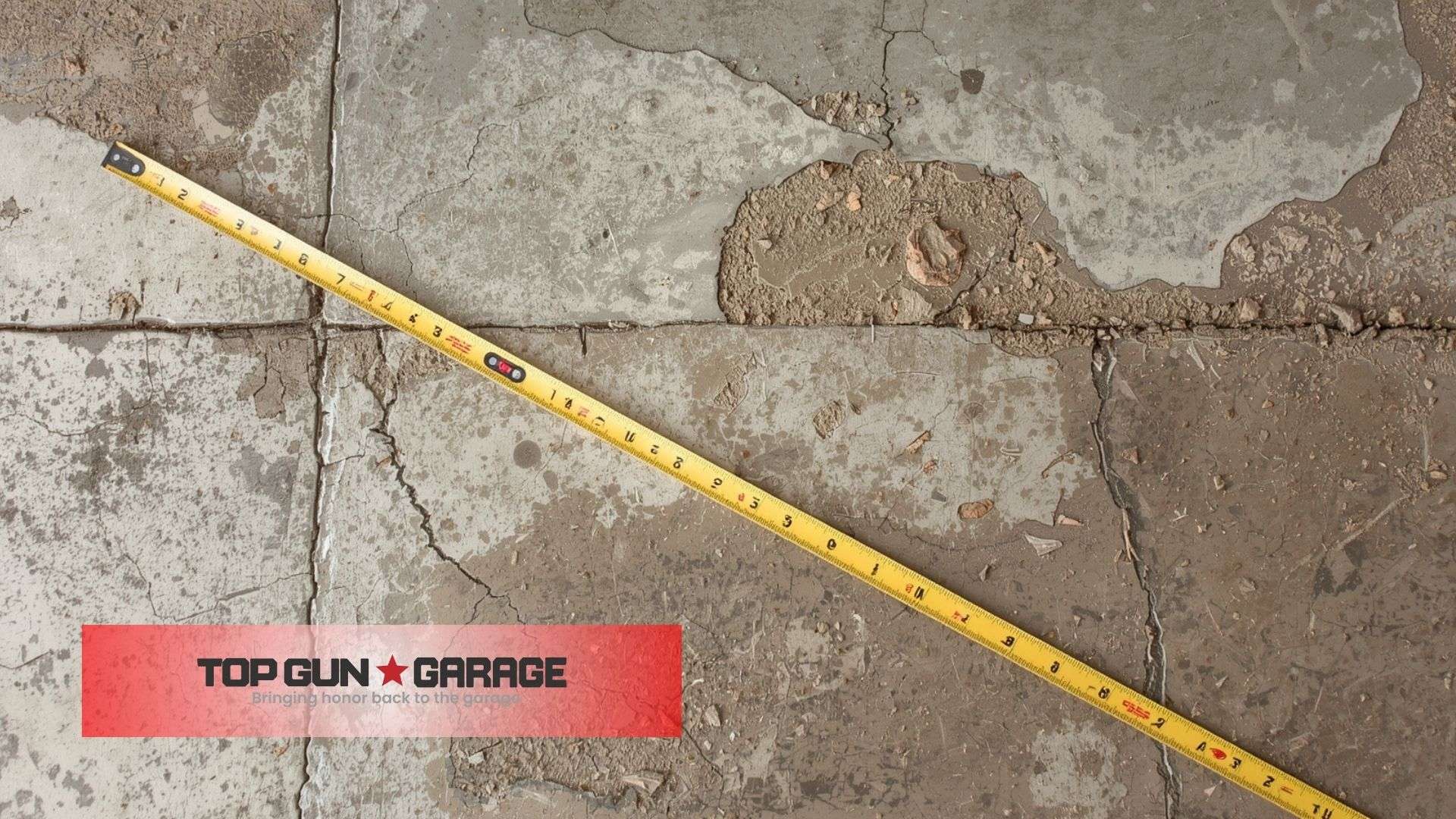
Settlement-related problems often indicate soil movement beneath the concrete slab. This can result from inadequate soil compaction during construction, changes in moisture content, or natural soil shifting over time. These issues typically appear as cracks accompanied by vertical displacement, creating uneven surfaces that worsen over time without intervention.
Poor initial installation represents another significant cause of floor unevenness. Inadequate site preparation, improper concrete placement, or insufficient finishing can create irregularities that become apparent immediately or develop over time. These problems often require more extensive correction than simple surface treatments.
Environmental factors also contribute to floor deterioration and unevenness. Freeze-thaw cycles can cause concrete expansion and contraction, leading to cracking and surface spalling. Chemical exposure from vehicle fluids, deicing salts, and cleaning products can weaken concrete surfaces, making them more susceptible to wear and damage.
Identifying the root cause of unevenness is crucial for selecting appropriate repair strategies. Surface-level issues may respond well to leveling compounds or grinding, while structural problems might require more comprehensive solutions including underpinning, slab replacement, or professional structural repairs.
Assessment and Preparation Techniques
Accurate assessment forms the foundation of successful floor leveling projects. Begin by thoroughly cleaning the garage floor to reveal all surface irregularities and damage. Remove all debris, oil stains, and loose material that might interfere with evaluation or subsequent repairs.
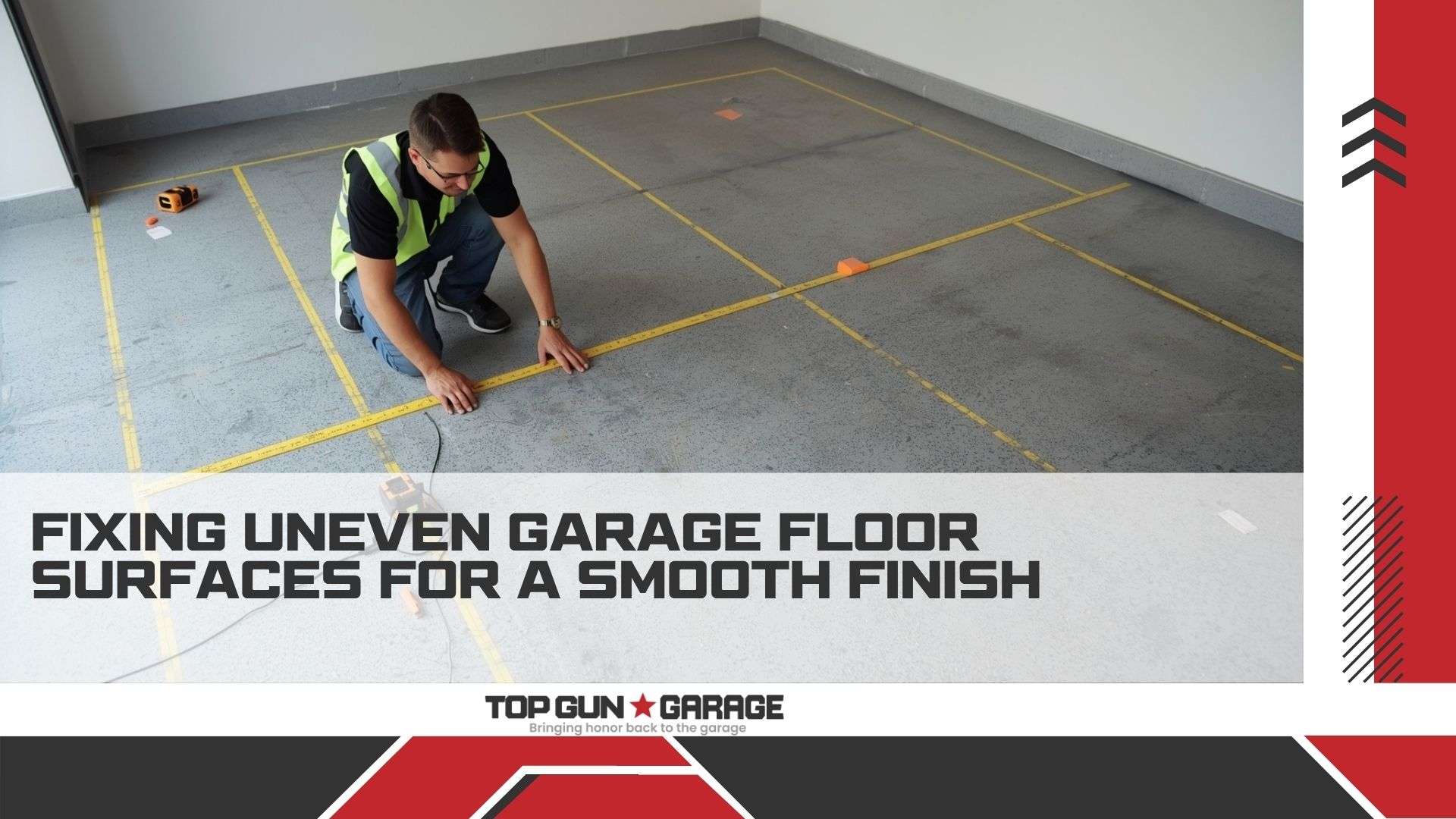
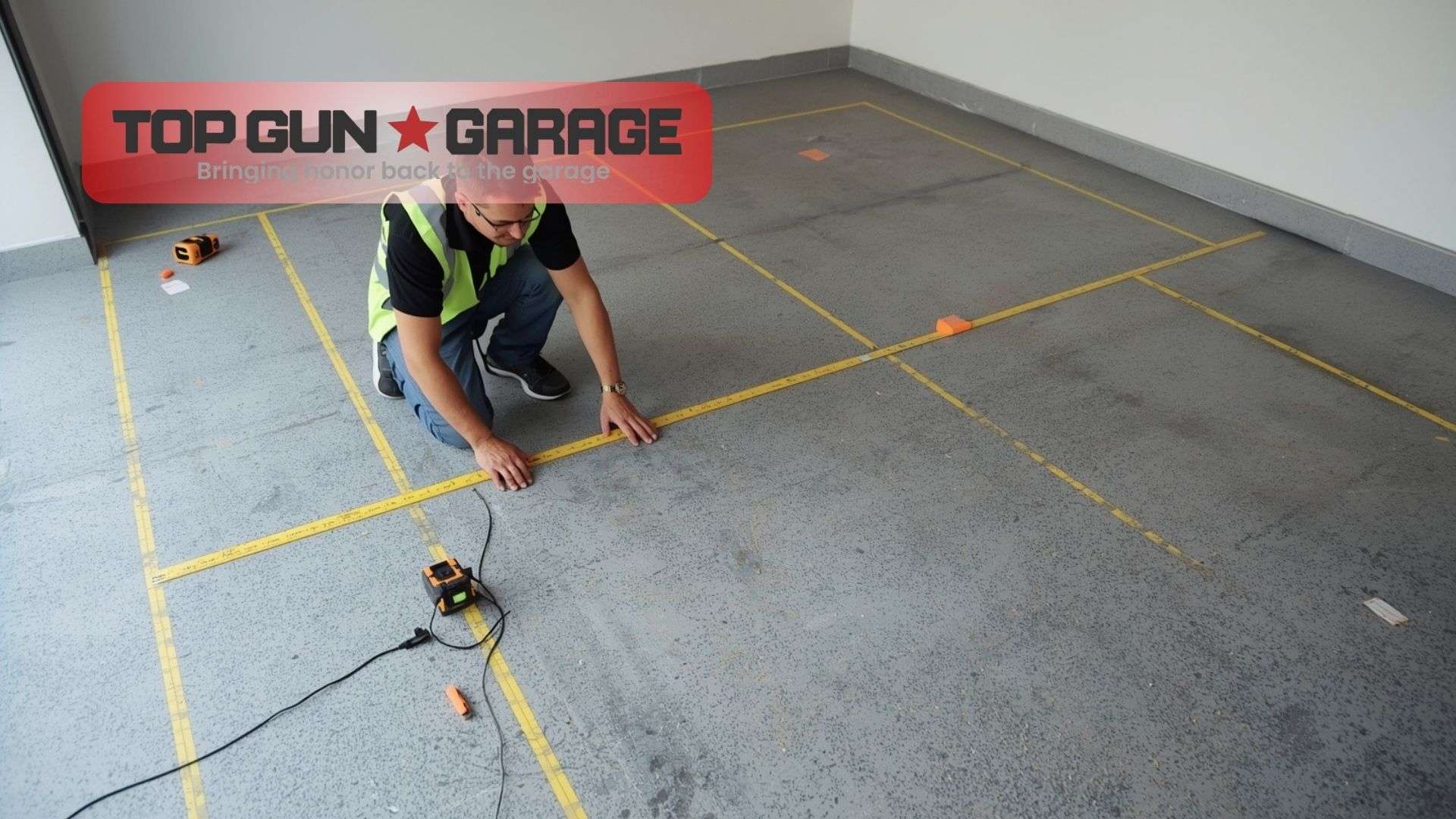
Use a long straightedge, typically 8-10 feet in length, to identify high and low spots across the entire floor surface. Work systematically in a grid pattern, checking both parallel and perpendicular to the garage opening. Mark all irregularities with chalk or spray paint, noting the depth of depressions and height of raised areas.
For more precise measurements, consider using a laser level or water level system. These tools provide accurate readings across large areas and help establish consistent reference points for leveling work. Document all measurements and create a simple floor plan showing problem areas and their severity.
Evaluate the structural integrity of the existing slab by checking for signs of movement, extensive cracking, or areas where the concrete sounds hollow when tapped. These conditions may indicate more serious problems requiring professional evaluation before proceeding with surface leveling.
Surface preparation requirements vary depending on the chosen leveling method, but generally include thorough cleaning, crack repair, and surface profiling to ensure proper adhesion. Many professionals recommend understanding the complexity of proper preparation techniques before attempting major leveling projects, as inadequate preparation often leads to premature failure regardless of material quality.
Test the concrete’s porosity and absorption rate by applying water to various areas and observing how quickly it’s absorbed. This information helps determine whether primers or bonding agents are necessary for optimal adhesion of leveling materials.
Self-Leveling Compound Solutions
Self-leveling compounds offer an effective solution for addressing minor to moderate floor irregularities, typically handling variations up to 1-2 inches depending on the specific product. These cement-based materials flow to create smooth, level surfaces when properly mixed and applied, making them popular choices for garage floor renovation projects.
Modern self-leveling compounds come in various formulations designed for different applications and performance requirements. Standard compounds work well for basic leveling needs, while high-performance versions offer enhanced strength, faster curing times, or improved resistance to moisture and chemicals. Some products include fibers for added crack resistance or special additives for extreme temperature conditions.
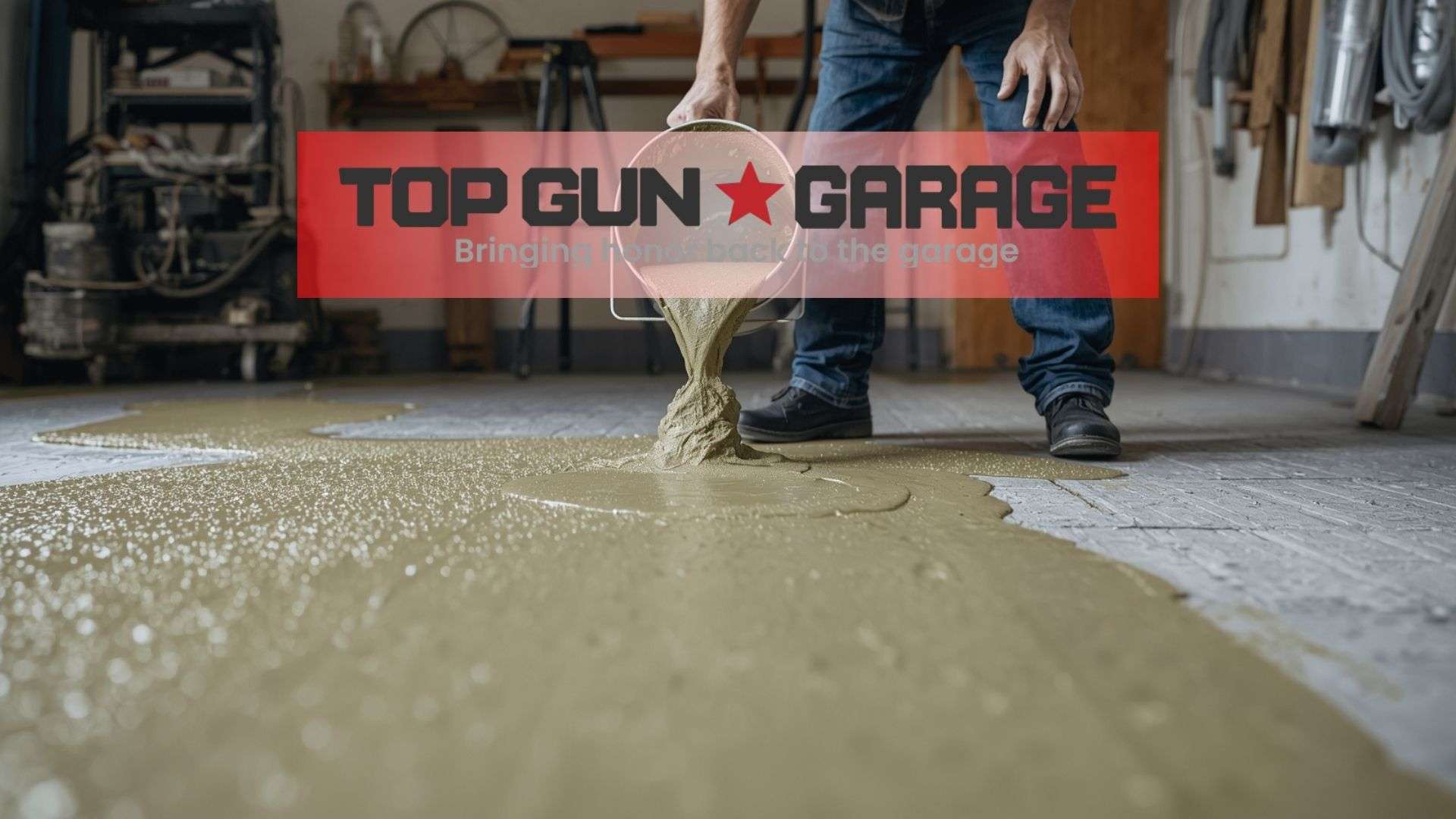
Proper mixing is crucial for self-leveling compound success. Most products require specific water-to-powder ratios and thorough mixing to achieve optimal flow characteristics and final strength. Professional-grade paddle mixers or specialized mixing equipment ensure consistent results, while inadequate mixing can lead to weak spots, poor flow, or premature failure.
Application technique significantly impacts final results. Work quickly once mixing begins, as most compounds have limited working time before they begin to set. Pour the mixture at the lowest point and allow it to flow naturally, using a gauge rake or screed to guide material into place without overworking the surface.
Surface preparation for self-leveling compounds requires particular attention to cleanliness and primer application. Most manufacturers recommend specific primers to ensure proper adhesion, especially on dense or smooth concrete surfaces. Failure to use appropriate primers often results in delamination and project failure. Understanding how self-leveling epoxy works on uneven concrete provides valuable insights for successful applications.
Temperature and humidity conditions during application and curing affect final quality. Most products perform best within specific temperature ranges and may require extended curing times in cold conditions or accelerated drying in high humidity. Plan application timing accordingly and be prepared to control environmental conditions if necessary.
Concrete Grinding and Resurfacing Methods
Concrete grinding provides an effective approach for addressing high spots, surface irregularities, and preparing floors for subsequent treatments. Professional-grade grinders can remove significant amounts of material while creating uniform surface profiles necessary for optimal coating adhesion and overall appearance.
Different grinding equipment serves various purposes in floor leveling projects. Walk-behind grinders handle large areas efficiently, while handheld units provide precision work around edges and tight spaces. Diamond grinding wheels come in various grits, from coarse options for heavy material removal to fine grits for final surface preparation and smoothing.
The grinding process generates substantial amounts of dust, requiring proper containment and removal systems. Professional equipment often includes integrated vacuum systems that capture dust at the source, improving working conditions and reducing cleanup time. Proper dust control also prevents contamination of surrounding areas and equipment.
Resurfacing techniques combine grinding with overlay applications to address more significant irregularities while maintaining floor elevation. This approach involves grinding away high spots and filling low areas with appropriate materials, creating a uniform surface ready for final finishing treatments.
Polymer-modified concrete overlays offer excellent solutions for comprehensive resurfacing projects. These materials provide superior adhesion, flexibility, and durability compared to standard concrete, making them ideal for garage environments subject to temperature fluctuations and chemical exposure.
Professional resurfacing projects often incorporate multiple techniques to achieve optimal results. The complexity of coordinating grinding, filling, and overlay application while maintaining proper surface profiles and adhesion requirements demonstrates why many property owners choose professional installation for significant leveling projects. Proper concrete preparation for epoxy applications is critical for long-term success.
Professional Installation Advantages
Professional garage floor leveling services bring specialized expertise, equipment, and materials that significantly impact project quality and longevity. Experienced contractors understand the nuances of different leveling techniques and can recommend optimal solutions based on specific site conditions and performance requirements.
Access to commercial-grade equipment represents a major advantage of professional installation. Industrial grinders, shot blasters, and specialized mixing equipment enable more efficient work and superior results compared to rental or consumer-grade tools. Professional equipment also includes proper dust collection and safety systems that protect both workers and surrounding areas.
Material expertise and procurement advantages allow professionals to select optimal products for specific applications. Contractors often have access to commercial-grade materials not available to consumers, along with technical support from manufacturers for challenging applications. This expertise helps ensure material compatibility and optimal performance characteristics.
Quality control throughout the installation process helps prevent common problems that plague DIY projects. Professionals understand critical factors like surface preparation requirements, mixing procedures, application timing, and curing conditions that directly impact final results. Their experience helps identify and address potential issues before they become costly problems.
Project efficiency and timeline management become increasingly important for larger or more complex leveling projects. Professional crews can complete work more quickly while maintaining quality standards, minimizing disruption to normal garage use. They also coordinate material delivery, equipment rental, and disposal services as part of comprehensive project management.
Warranty protection and ongoing support provide additional value for professional installations. Reputable contractors like Top Gun Garage stand behind their work with comprehensive warranties and provide guidance for proper maintenance and care. This support helps protect investments and ensures optimal long-term performance of leveled garage floors. From epoxy garage floors to complete garage storage solutions, Top Gun Garage provides comprehensive flooring services.
Frequently Asked Questions
How long does it take to level a garage floor?
The timeline for garage floor leveling depends on the extent of unevenness, chosen methods, and floor size. Simple self-leveling compound applications may take 1-2 days including curing time, while comprehensive grinding and resurfacing projects can require 3-5 days. Professional installations often proceed more quickly due to specialized equipment and experienced crews.
Can driving occur on a leveled garage floor immediately after completion?
Most leveling materials require specific curing times before bearing vehicle weight. Self-leveling compounds typically need 24-48 hours for foot traffic and 3-7 days for vehicle loads. Concrete overlays may require longer curing periods. Always follow manufacturer recommendations and professional guidance for optimal results.
What causes garage floors to become uneven over time?
Common causes include soil settlement beneath the slab, freeze-thaw cycles, poor initial installation, inadequate soil preparation, and natural concrete shrinkage. Heavy vehicle loads, chemical exposure, and water infiltration can also contribute to surface deterioration and unevenness over time.
How much does professional garage floor leveling cost?
Costs vary significantly based on floor condition, chosen methods, and regional factors. Simple leveling compound applications may cost $3-6 per square foot, while comprehensive grinding and resurfacing can range from $8-15 per square foot. Professional assessment helps determine the most cost-effective approach for specific situations.
Is it better to level or replace a severely uneven garage floor?
The decision depends on the extent of damage, underlying causes, and long-term plans. Structural issues or extensive damage may warrant replacement, while surface irregularities often respond well to leveling techniques. Professional evaluation helps determine the most appropriate and cost-effective solution.
What tools are essential for DIY garage floor leveling?
Basic projects require mixing equipment, straightedges, levels, cleaning supplies, and appropriate safety gear. More extensive work may need grinders, shot blasters, or specialized application tools. The complexity of proper tool selection and use often makes professional installation more practical for significant leveling projects.
How is a leveled garage floor maintained?
Regular cleaning, prompt spill cleanup, and periodic inspection help maintain leveled floors. Avoid using harsh chemicals or deicing salts that can damage surfaces. Address any new cracks or damage promptly to prevent expansion and maintain the level surface integrity.
Can leveling compounds be applied over existing coatings?
Most leveling materials require direct contact with concrete for proper adhesion. Existing coatings typically need removal through grinding or chemical stripping before applying leveling compounds. Some specialized products may bond to certain coatings, but manufacturer recommendations should always be followed for optimal results.
Conclusion
Successfully fixing uneven garage floor surfaces requires careful assessment, appropriate technique selection, and meticulous execution to achieve lasting results. Whether addressing minor irregularities with self-leveling compounds or tackling significant issues through grinding and resurfacing, the foundation of any successful project lies in understanding the underlying causes and implementing comprehensive solutions.
The complexity of modern leveling garage floor solutions offers property owners various options for addressing specific problems and performance requirements. However, the technical expertise required for proper material selection, surface preparation, and application often makes professional installation the most practical choice for achieving optimal results and long-term durability.
Professional contractors bring invaluable experience, specialized equipment, and access to commercial-grade materials that significantly impact project quality and longevity. The investment in professional installation often proves cost-effective when considering the potential costs of failed DIY attempts and the value of comprehensive warranty protection.
Top Gun Garage specializes in comprehensive garage floor solutions, from assessment and preparation through final finishing and ongoing maintenance support. The experienced team understands the unique challenges of garage environments and provides customized solutions designed to meet specific performance requirements and aesthetic goals while ensuring lasting durability and satisfaction.