 Skip to content



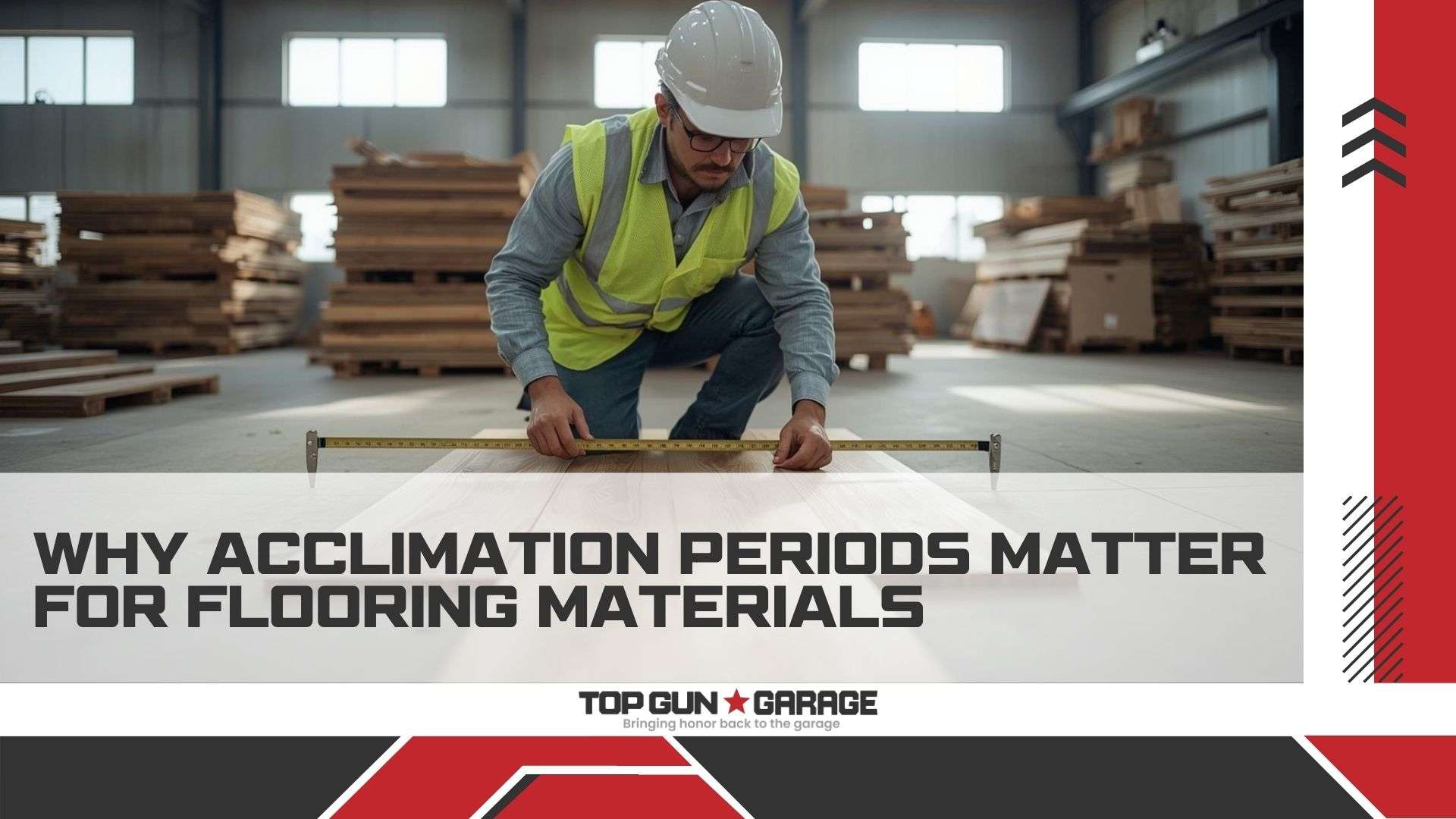
When it comes to successful flooring installation, one of the most overlooked yet critical factors is the acclimation period for flooring materials. Many homeowners and even some inexperienced contractors underestimate the importance of allowing flooring materials to adjust to their new environment before installation begins. This seemingly simple step can make the difference between a beautiful, long-lasting floor and one plagued with gaps, buckling, and premature wear.
Flooring materials, particularly wood and wood-based products, are hygroscopic materials that naturally expand and contract in response to changes in temperature and humidity. When these materials are manufactured, stored, and shipped, they exist in various environmental conditions that differ significantly from your home’s unique climate. Without proper acclimation, installing flooring materials immediately upon delivery can lead to costly problems that may not become apparent until weeks or months after installation.
The science behind acclimation is straightforward yet fascinating. Every piece of flooring material contains moisture, and this moisture content must reach equilibrium with the surrounding environment to ensure dimensional stability. During the acclimation period, materials gradually adjust their moisture content to match the humidity levels in your home, expanding or contracting as necessary. This process prevents the dramatic movement that can occur when materials experience sudden environmental changes after installation.
Professional flooring contractors understand that rushing through the acclimation process is one of the most common causes of installation failures. Whether you’re working with solid hardwood, engineered wood, laminate, or luxury vinyl planks, each material type has specific acclimation requirements that must be followed to ensure optimal performance. The investment in time during the acclimation period pays dividends in the form of a stable, beautiful floor that maintains its appearance and structural integrity for decades.
Understanding why acclimation periods matter for materials goes beyond simply following manufacturer recommendations. It involves recognizing the complex relationship between environmental conditions, material properties, and installation success. Temperature fluctuations, humidity changes, and even seasonal variations all play crucial roles in determining how your flooring will perform over time. By taking the time to properly acclimate materials, you’re essentially insurance against future problems and ensuring that your flooring investment provides maximum value and satisfaction.
Key Takeaways
Moisture equilibrium is essential: Flooring materials must reach moisture balance with your home’s environment to prevent expansion and contraction after installation. This process typically takes 3-7 days depending on material type and environmental conditions.
Different materials have varying requirements: Solid hardwood may require 7-10 days of acclimation, while engineered products might need 3-5 days. Laminate and luxury vinyl products also benefit from acclimation periods, though requirements may be less stringent.
Environmental conditions directly impact success: Temperature should remain between 60-80°F and relative humidity between 30-50% during acclimation. Dramatic fluctuations during this period can compromise the process.
Proper storage during acclimation matters: Materials should be stored flat, elevated off subfloors, with adequate air circulation around each piece. Avoid storing in basements, garages, or other areas with unstable environmental conditions.
Professional installation reduces risks: Experienced contractors understand the nuances of acclimation requirements and can identify when materials are ready for installation, preventing costly mistakes that DIY installers often make.
Skipping acclimation voids warranties: Most manufacturers require proper acclimation as a condition of warranty coverage. Failure to follow these requirements can result in denied claims for material defects or performance issues.
Seasonal considerations are important: Installing flooring during extreme weather conditions or seasonal transitions requires extended acclimation periods and careful environmental monitoring throughout the process.
Understanding Acclimation: The Foundation of Successful Flooring Installation
Acclimation represents the critical transition period when flooring materials adapt to the specific environmental conditions of your home. This process involves much more than simply leaving boxes of flooring in a room for a few days. True acclimation requires careful attention to environmental controls, proper material handling, and understanding the unique characteristics of different flooring types.
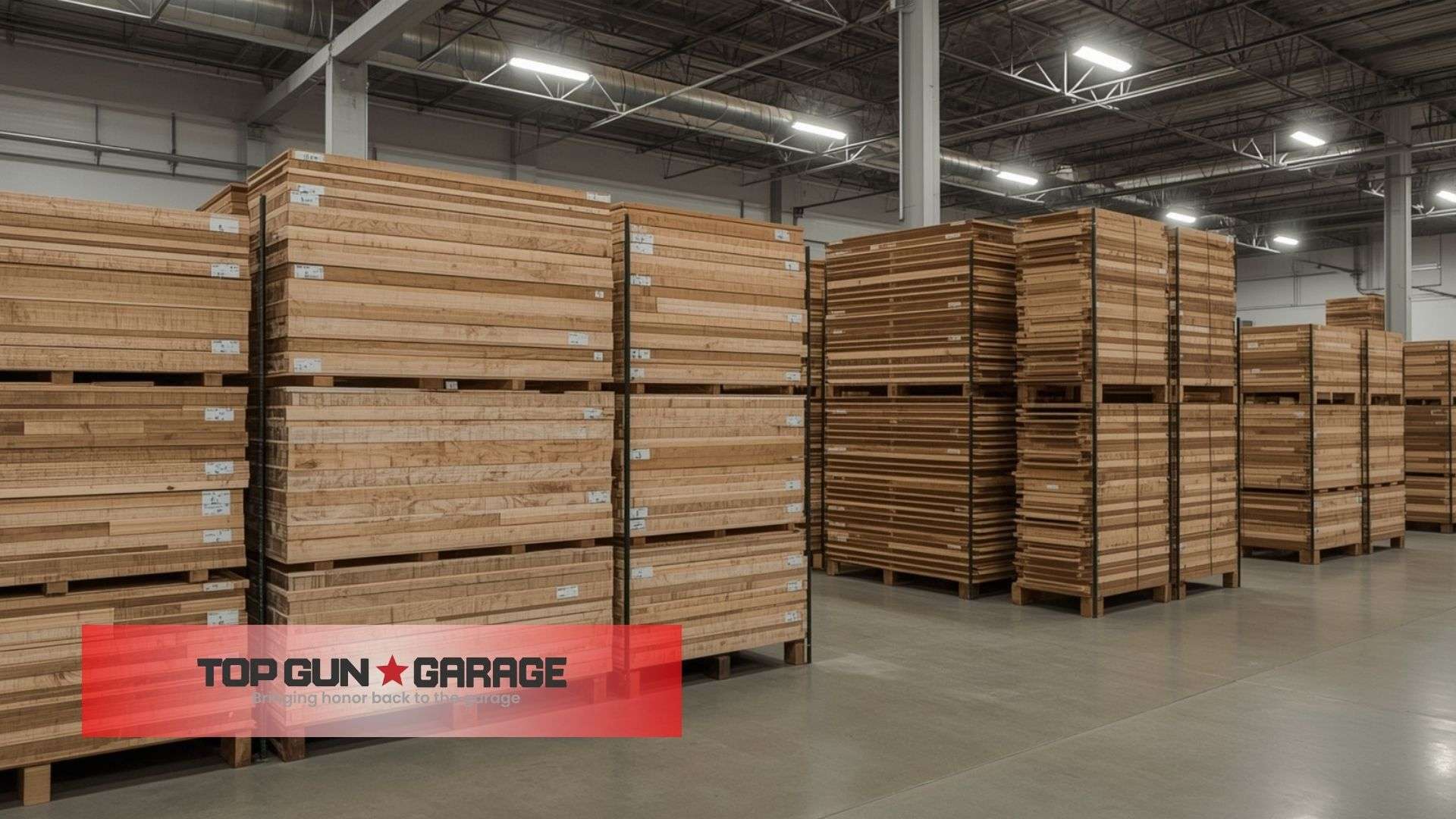
The importance of acclimating flooring materials stems from the hygroscopic nature of most flooring products. Wood fibers naturally absorb and release moisture in response to environmental changes, causing dimensional movement. Even engineered products and synthetic materials can experience some degree of expansion and contraction. During manufacturing and distribution, these materials exist in controlled environments that rarely match the conditions in residential homes.
Temperature and humidity levels in your home create a unique microclimate that affects how flooring materials will perform long-term. Factors such as geographic location, season, HVAC system operation, and even daily activities like cooking and showering contribute to environmental conditions. The acclimation period allows materials to gradually adjust to these conditions, reaching a stable moisture content that minimizes future movement.
Professional contractors recognize that proper acclimation begins before materials even arrive at the job site. Site preparation includes ensuring that HVAC systems are operational and set to normal living conditions, that humidity levels are controlled, and that the subfloor is properly prepared and dry. This comprehensive approach to understanding how humidity affects installation timing helps ensure optimal results and customer satisfaction.
For projects involving concrete substrates, understanding why concrete moisture matters becomes essential, as substrate conditions directly affect the acclimation process and final installation success. Moisture testing should be completed before acclimation begins to ensure proper environmental conditions.
Material-Specific Acclimation Requirements
Different flooring materials have vastly different acclimation needs, and understanding these requirements is crucial for installation success. Solid hardwood flooring typically requires the longest acclimation period, often 7-10 days or more depending on the species and environmental conditions. Dense hardwoods like oak and maple may need extended periods, while softer species might acclimate more quickly. The thickness of the material also affects acclimation time, with thicker planks requiring longer periods to reach moisture equilibrium.
Engineered hardwood products generally require shorter acclimation periods, typically 3-5 days, due to their layered construction and manufacturing process. However, the face veneer thickness and core material composition can influence these requirements. High-quality engineered products with thick wear layers may need longer acclimation periods, while products with thin veneers over stable cores might be ready for installation sooner.
Laminate flooring, despite being a synthetic product, still benefits from acclimation periods of 2-3 days. The high-density fiberboard core used in laminate products can absorb moisture and expand, particularly at the edges and joints. Proper acclimation helps ensure that these products remain stable after installation and that locking mechanisms function properly throughout the floor’s lifespan.
Luxury vinyl plank and tile products have minimal acclimation requirements compared to wood-based materials, but temperature conditioning remains important. These products should be stored at room temperature for 24-48 hours before installation to ensure proper flexibility and ease of installation. Cold materials can be difficult to work with and may not achieve proper adhesive bonds when applicable.
Natural stone and ceramic tiles require different considerations during acclimation. While these materials don’t absorb moisture like wood products, temperature conditioning helps prevent thermal shock during installation. Additionally, allowing adhesives and grouts to acclimate alongside the materials ensures optimal working properties and cure times.
Understanding how seasonal changes affect floors provides valuable context for planning acclimation periods during different times of the year. Environmental conditions vary significantly with seasons, requiring adjusted acclimation strategies.
Environmental Control and Monitoring During Acclimation
Maintaining proper environmental conditions during the acclimation period is just as important as the duration itself. Temperature should remain consistently between 60-80°F throughout the acclimation period, with minimal fluctuation. Dramatic temperature swings can cause materials to expand and contract repeatedly, potentially causing stress that leads to future problems. HVAC systems should be operational and set to normal living conditions, not just heating or cooling the space to minimum levels.
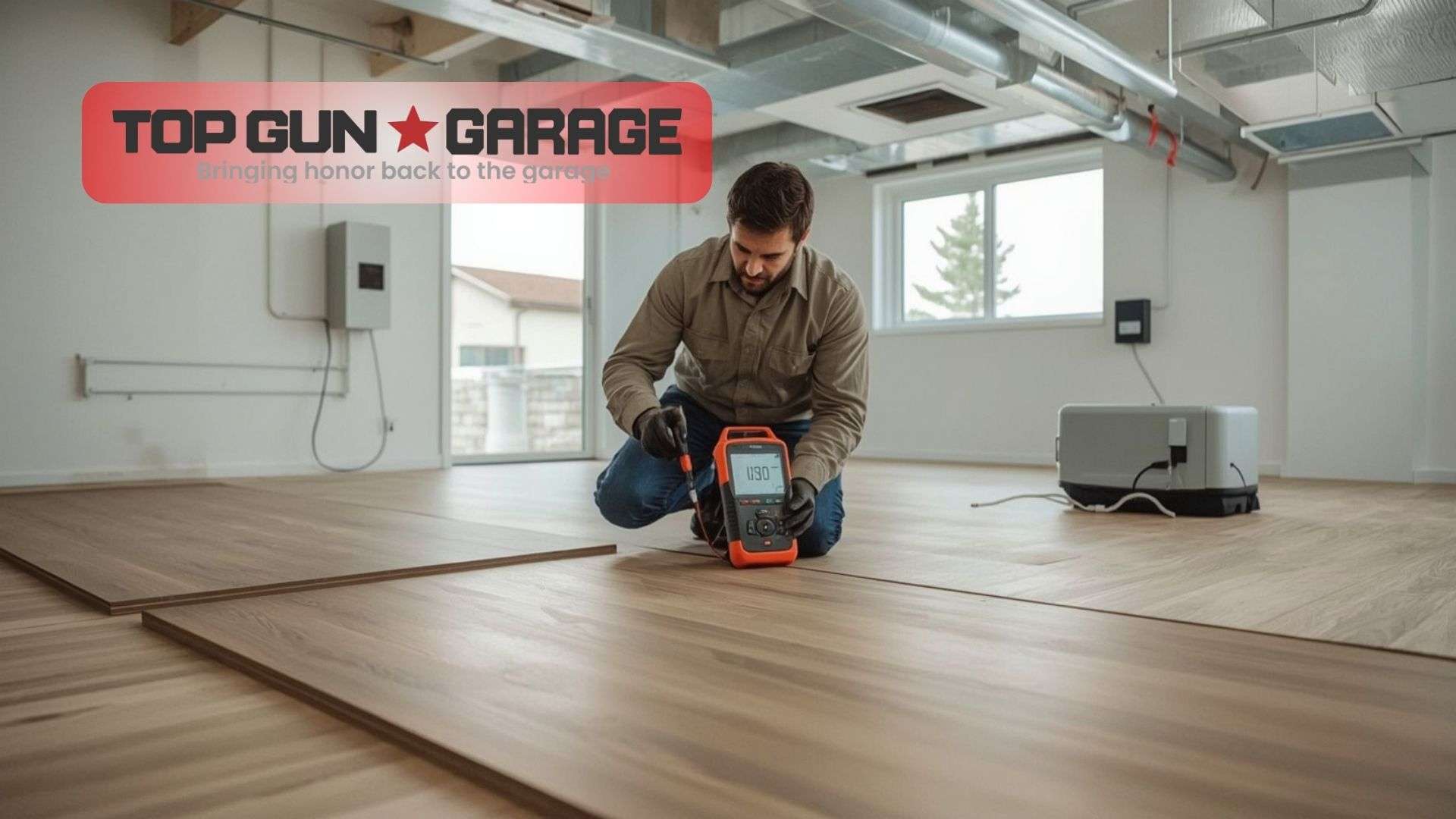
Humidity control represents perhaps the most critical aspect of environmental management during acclimation. Relative humidity should ideally remain between 30-50%, though specific requirements may vary based on geographic location and material specifications. Using dehumidifiers or humidifiers to maintain stable conditions is often necessary, particularly during seasonal transitions when outdoor humidity levels fluctuate dramatically.
Monitoring equipment becomes essential for professional installations and complex projects. Digital hygrometers and thermometers provide accurate readings of environmental conditions, while moisture meters allow contractors to test actual moisture content in flooring materials. These tools help determine when materials have reached proper equilibrium and are ready for installation.
Air circulation plays a crucial role in the acclimation process, ensuring that environmental conditions remain uniform throughout the storage area. Materials should be stored with adequate spacing to allow air movement around each piece. Ceiling fans or portable air movers can help maintain circulation, particularly in larger rooms or when dealing with substantial quantities of materials.
Subfloor conditions must also be considered during environmental control. Concrete subfloors should be tested for moisture content and properly sealed if necessary. Wood subfloors should be dry and stable, with moisture content appropriate for the flooring material being installed. Understanding what floor moisture testing involves helps ensure proper substrate preparation. Any subfloor moisture issues should be resolved before beginning the acclimation period to prevent ongoing environmental problems.
Common Acclimation Mistakes and How to Avoid Them
One of the most frequent mistakes in flooring installation involves inadequate acclimation time. Homeowners and contractors often feel pressure to complete projects quickly, leading to shortened acclimation periods that compromise long-term performance. Rushing this process can result in gaps between planks during dry seasons, buckling during humid periods, and premature wear at joints and edges. Professional contractors understand that the time invested in proper acclimation prevents costly callbacks and warranty claims.
Improper storage conditions during acclimation represent another common error. Storing materials in garages, basements, or other areas with unstable environmental conditions defeats the purpose of acclimation. These spaces often experience temperature and humidity fluctuations that prevent materials from reaching proper equilibrium. Materials should always be stored in the actual installation area or a space with identical environmental conditions.
Failing to remove packaging during acclimation is a mistake that many DIY installers make. Cardboard boxes and plastic wrapping prevent air circulation around individual pieces, inhibiting the acclimation process. Materials should be unpacked and properly stacked with spacers to allow air movement. However, protective coverings may be necessary in dusty environments or active construction zones.
Inadequate environmental control during acclimation can negate the benefits of extended waiting periods. Simply placing materials in a room without ensuring proper temperature and humidity control doesn’t constitute true acclimation. HVAC systems must be operational, and humidity levels should be monitored and controlled throughout the process. For those considering whether to tackle this process themselves, learning about DIY limitations versus professional advantages can provide valuable insights into the complexity involved.
Ignoring manufacturer specifications represents a critical error that can void warranties and lead to installation failures. Each product line has specific acclimation requirements based on material composition, manufacturing processes, and intended use. These specifications should be carefully reviewed and followed, regardless of previous experience with similar products. When in doubt, consulting with experienced professionals can prevent costly mistakes.
The Science Behind Material Movement and Stability
Understanding the scientific principles behind material movement helps explain why acclimation periods are so crucial for flooring success. Wood fibers contain cellulose structures that naturally absorb and release moisture based on surrounding environmental conditions. This process, known as hygroscopic movement, occurs continuously throughout a wood floor’s lifespan. During the acclimation period, materials gradually reach equilibrium moisture content (EMC) that matches the relative humidity of the installation environment.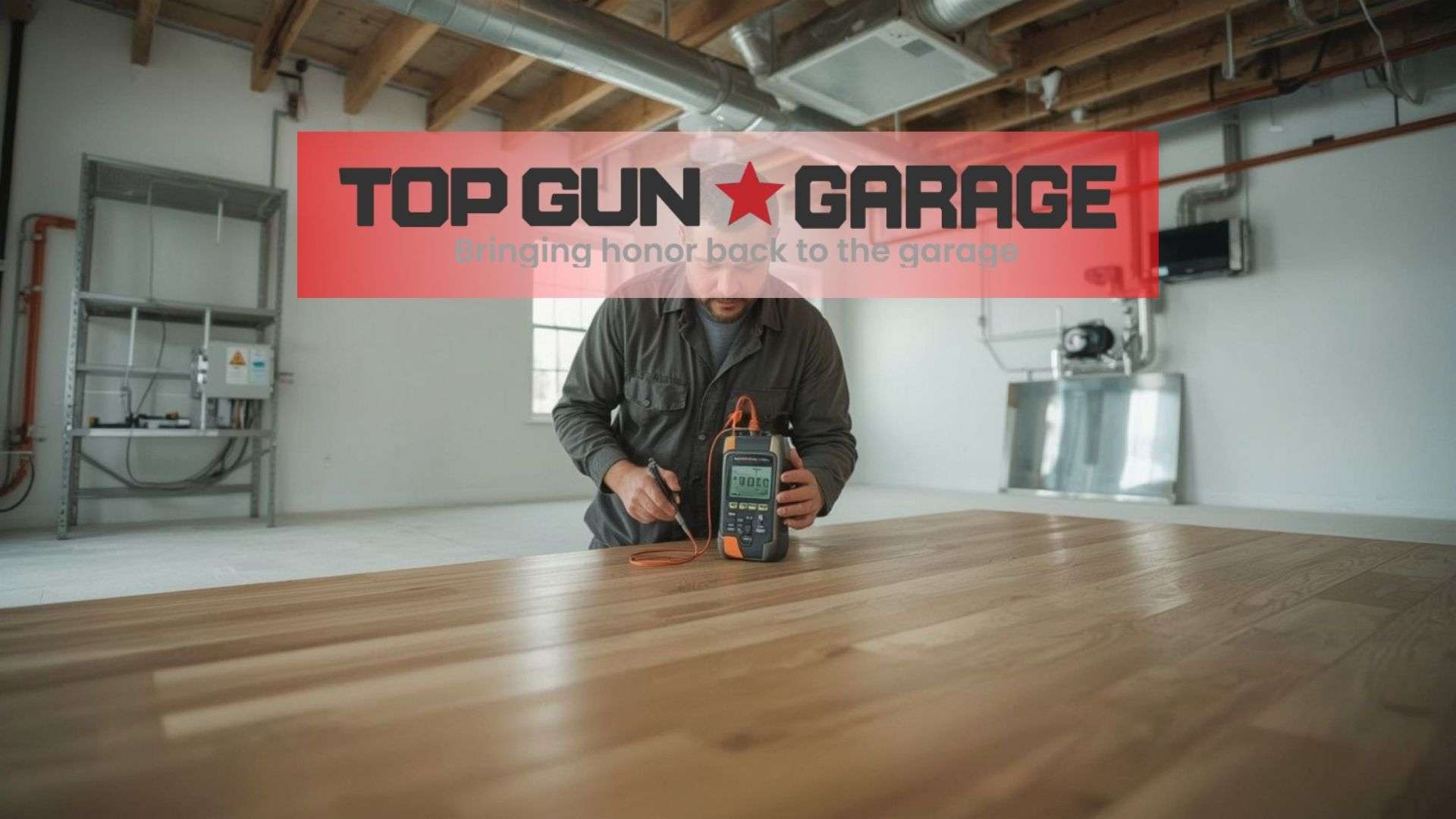
The relationship between relative humidity and wood moisture content follows predictable patterns that scientists have studied extensively. Generally, wood moisture content changes approximately 1% for every 5% change in relative humidity. This relationship varies somewhat based on wood species, grain orientation, and previous moisture history, but the fundamental principle remains consistent across different types of wood flooring materials.
Engineered flooring products experience different movement patterns due to their layered construction. The face veneer responds to environmental changes similarly to solid wood, but the cross-grain core layers provide dimensional stability. However, the adhesives used in manufacturing can also be affected by moisture and temperature changes, making proper acclimation important for maintaining structural integrity of the laminated construction.
Synthetic flooring materials like luxury vinyl and laminate have their own expansion and contraction characteristics. While these materials don’t absorb moisture like wood products, they respond to temperature changes through thermal expansion and contraction. Understanding how temperature affects molecular structure provides insights into material behavior during acclimation. The coefficient of thermal expansion varies among different synthetic materials, but proper temperature conditioning during acclimation helps minimize dramatic movement after installation.
Subfloor movement also affects flooring performance and must be considered during acclimation planning. Concrete subfloors can experience moisture migration from below, while wood subfloors may move seasonally in response to environmental changes. Understanding these interactions helps contractors plan installation timing and expansion gap requirements for optimal long-term performance. Learning why concrete preparation determines success emphasizes the importance of proper substrate conditioning.
Professional Installation and Quality Assurance
Professional flooring contractors bring expertise and experience that significantly improve acclimation success rates. These professionals understand the nuances of different material types, local climate conditions, and seasonal variations that affect acclimation requirements. They also have access to professional-grade monitoring equipment and environmental control tools that ensure optimal conditions throughout the process.
Quality assurance during acclimation involves systematic monitoring and documentation of environmental conditions, material moisture content, and timing. Professional contractors maintain detailed records of temperature and humidity readings, moisture meter measurements, and acclimation duration for each project. This documentation provides valuable information for troubleshooting any issues that might arise and demonstrates compliance with manufacturer requirements for warranty purposes.
At Top Gun Garage, we understand that proper acclimation represents the foundation of every successful flooring installation. Our experienced team takes the time necessary to ensure that materials are properly conditioned before installation begins, regardless of project timelines or external pressures. This commitment to quality has earned us a reputation for installations that maintain their beauty and performance for decades.
Professional installation also includes ongoing monitoring of environmental conditions during and after installation. Contractors can identify potential problems early and make adjustments to prevent issues from developing. They also provide valuable guidance to homeowners about maintaining proper environmental conditions to preserve their flooring investment long-term. Understanding secrets to making floors last decades includes recognizing the importance of proper acclimation.
The value of professional expertise becomes particularly apparent in challenging installations involving multiple material types, complex environmental conditions, or tight project timelines. Experienced contractors can develop customized acclimation strategies that address specific project requirements while maintaining quality standards. This expertise often proves invaluable in preventing costly problems and ensuring customer satisfaction.
Understanding what determines warranty coverage helps homeowners recognize why proper acclimation is a non-negotiable requirement for protecting their flooring investment. Professional installation ensures compliance with all manufacturer specifications, including acclimation requirements.
Frequently Asked Questions
How long should I acclimate hardwood flooring before installation? Solid hardwood flooring typically requires 7-10 days of acclimation, though this can vary based on wood species, material thickness, and environmental conditions. Dense hardwoods may need longer periods, while engineered products often require 3-5 days. Always follow manufacturer specifications for your specific product.
Can I store flooring materials in my garage during acclimation? No, garages typically experience temperature and humidity fluctuations that prevent proper acclimation. Materials should be stored in the actual installation area or a space with identical environmental conditions, including proper HVAC operation and humidity control.
Do I need to remove packaging during acclimation? Yes, cardboard boxes and plastic wrapping should be removed to allow proper air circulation around individual pieces. Materials should be properly stacked with spacers, though protective coverings may be necessary in dusty or active construction environments.
What temperature and humidity levels are ideal during acclimation? Temperature should remain between 60-80°F with minimal fluctuation, while relative humidity should stay between 30-50%. HVAC systems should be operational and set to normal living conditions throughout the acclimation period.
How do I know when materials are properly acclimated? Professional contractors use moisture meters to test material moisture content and compare it to recommended levels for local conditions. Visual inspection for warping or cupping can also indicate acclimation problems, though proper testing equipment provides more accurate assessment.
Does luxury vinyl plank need acclimation? While LVP has minimal moisture-related acclimation requirements, temperature conditioning for 24-48 hours is recommended. Cold materials can be difficult to work with and may not achieve proper adhesive bonds when applicable.
What happens if I skip the acclimation period? Skipping acclimation can lead to gaps, buckling, warping, and premature wear. It may also void manufacturer warranties and result in costly repairs or replacement. The time invested in proper acclimation prevents these expensive problems. Understanding why some floors age better includes recognizing proper acclimation’s role.
Can seasonal weather affect acclimation requirements? Yes, extreme weather conditions and seasonal transitions often require extended acclimation periods. Installing during winter heating season or summer humidity peaks requires careful environmental monitoring and may necessitate longer conditioning times to ensure stability. Learning how Florida humidity affects application provides regional context.
Conclusion
The importance of acclimating flooring materials cannot be overstated in achieving successful, long-lasting installations. This critical process ensures that materials reach moisture equilibrium with their intended environment, preventing the dimensional movement that causes gaps, buckling, and premature wear. While acclimation requires patience and careful environmental control, the investment in time and attention to detail pays significant dividends in floor performance and longevity.
Understanding why acclimation periods matter for materials involves recognizing the complex interactions between environmental conditions, material properties, and installation success. Each flooring type has specific requirements that must be followed to ensure optimal performance, and these requirements should never be compromised for the sake of project timelines or convenience. Professional contractors understand these nuances and have the expertise and equipment necessary to ensure proper acclimation under any conditions.
The science behind material movement demonstrates that acclimation is not just a manufacturer recommendation but a fundamental requirement for dimensional stability. Whether dealing with hygroscopic wood products or synthetic materials that respond to temperature changes, proper conditioning prevents the dramatic movement that can occur when materials experience sudden environmental changes after installation.
For homeowners considering flooring projects, working with experienced professionals like Top Gun Garage ensures that acclimation requirements are properly understood and implemented. The expertise and attention to detail that professionals bring to the acclimation process represent valuable insurance against future problems and help ensure that your flooring investment provides maximum beauty, performance, and value for decades to come.