 Skip to content



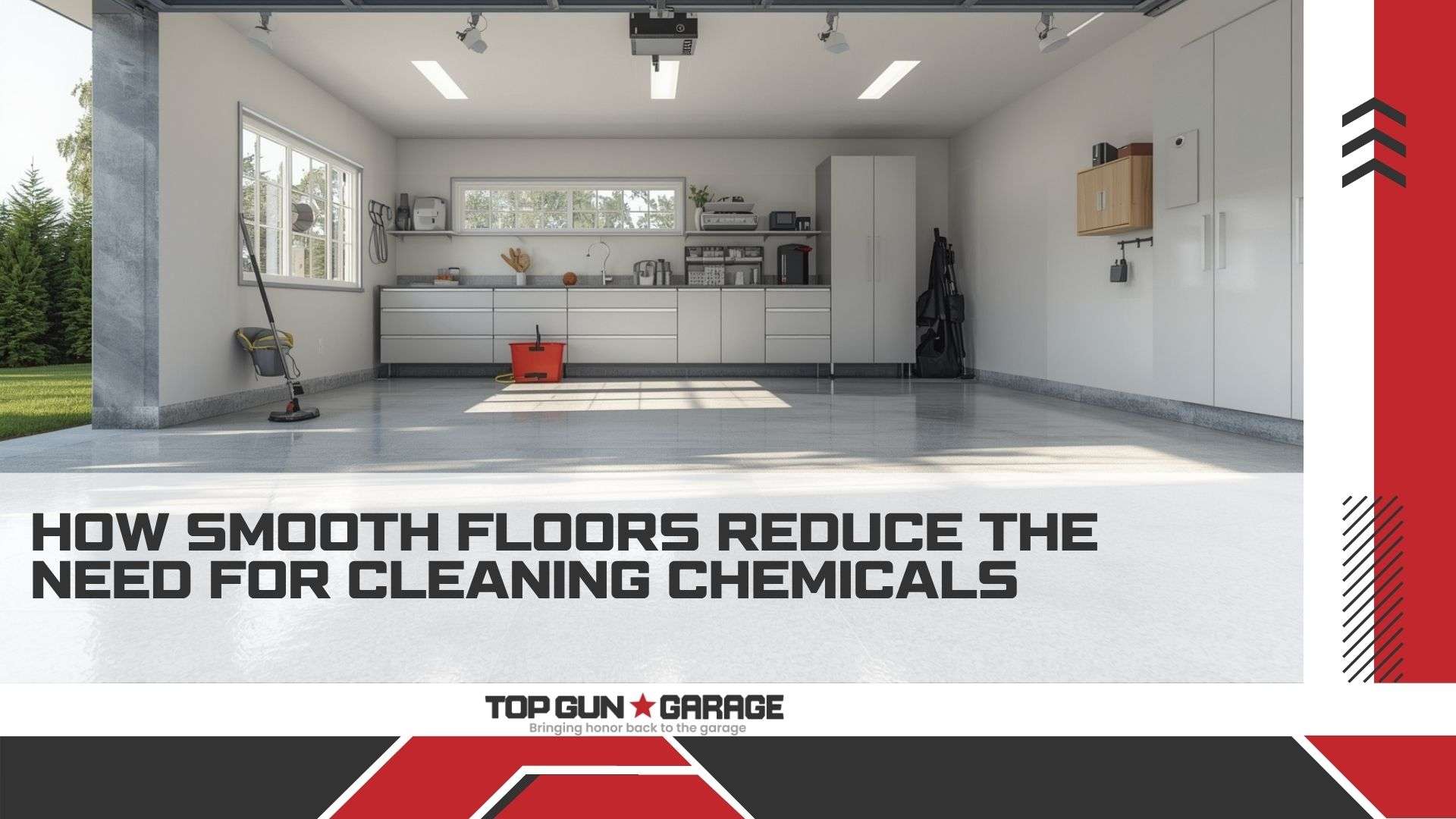
When it comes to maintaining clean and healthy indoor spaces, the type of flooring chosen plays a crucial role in determining how much time, effort, and chemicals are needed to keep surfaces spotless. Smooth floors have emerged as a game-changer in the world of facility maintenance, offering significant advantages that go far beyond their aesthetic appeal. Understanding how smooth floors reduce cleaning chemical needs can help property owners make informed decisions that benefit both their wallets and the environment.
The relationship between floor texture and cleaning requirements is more complex than many people realize. Rough, porous, or textured surfaces create countless microscopic hiding places for dirt, bacteria, and contaminants. These irregularities not only trap debris but also require increasingly aggressive cleaning solutions to achieve the same level of cleanliness that smooth floors can maintain with minimal intervention. This fundamental difference in surface characteristics translates directly into reduced chemical consumption, lower maintenance costs, and improved indoor air quality.
Traditional flooring materials like unsealed concrete, rough tiles, or heavily textured surfaces often require harsh degreasers, strong disinfectants, and specialized cleaning compounds to penetrate into grooves and remove embedded contaminants. In contrast, smooth flooring systems create a non-porous barrier that prevents dirt and liquids from penetrating the surface, making routine cleaning significantly more effective with basic, environmentally-friendly solutions.
The environmental implications of this difference are substantial. Reduced chemical usage means fewer volatile organic compounds (VOCs) released into indoor air, decreased chemical runoff into water systems, and lower overall environmental impact from manufacturing and disposing of cleaning products. According to the EPA’s research on VOCs, concentrations of many volatile organic compounds are consistently higher indoors than outdoors, making the reduction of chemical cleaning products particularly important for indoor air quality. For businesses and homeowners alike, this translates into healthier indoor environments, reduced liability concerns, and alignment with increasingly important sustainability goals.
Moreover, the economic benefits extend beyond just chemical costs. Smooth floors typically require less frequent deep cleaning, reduce labor costs associated with maintenance, and often last longer than their textured counterparts due to easier maintenance routines. Understanding how proper garage floors improve air quality demonstrates these comprehensive benefits. This comprehensive approach to flooring selection considers not just initial installation costs but the total cost of ownership over the floor’s lifetime.
Key Takeaways
Chemical Reduction: Smooth floors can reduce cleaning chemical usage by up to 60% compared to textured surfaces, as they prevent dirt and contaminants from embedding in surface irregularities that require aggressive cleaning solutions to remove.
Enhanced Cleaning Efficiency: Non-porous smooth surfaces allow for effective cleaning with simple solutions like diluted neutral cleaners or even just water in many cases, eliminating the need for harsh degreasers and specialized chemical products.
Improved Indoor Air Quality: Reduced chemical usage directly correlates with fewer volatile organic compounds (VOCs) in indoor air, creating healthier environments for occupants and reducing respiratory irritation concerns.
Cost Savings: Lower chemical consumption translates to significant cost savings over time, with many facilities reporting 40-70% reductions in cleaning supply expenses after installing smooth flooring systems.
Environmental Benefits: Decreased chemical usage reduces environmental impact through lower manufacturing demand, reduced packaging waste, and minimized chemical runoff into water systems.
Maintenance Simplification: Smooth floors streamline cleaning protocols, often allowing maintenance staff to achieve superior results with basic equipment and simple cleaning solutions rather than complex chemical mixing procedures.
Long-term Durability: Easier maintenance routines enabled by smooth surfaces help preserve flooring integrity longer, reducing the frequency of repairs and replacements that would otherwise require additional chemical treatments.
Understanding the Science Behind Smooth Floor Cleaning Efficiency
The fundamental principle behind how smooth floors reduce cleaning chemical needs lies in surface science and the interaction between contaminants and flooring materials. When examining flooring at a microscopic level, the difference between smooth and textured surfaces becomes dramatically apparent. Rough or porous surfaces contain countless tiny crevices, pores, and irregularities that act as collection points for dirt, oils, bacteria, and other contaminants.
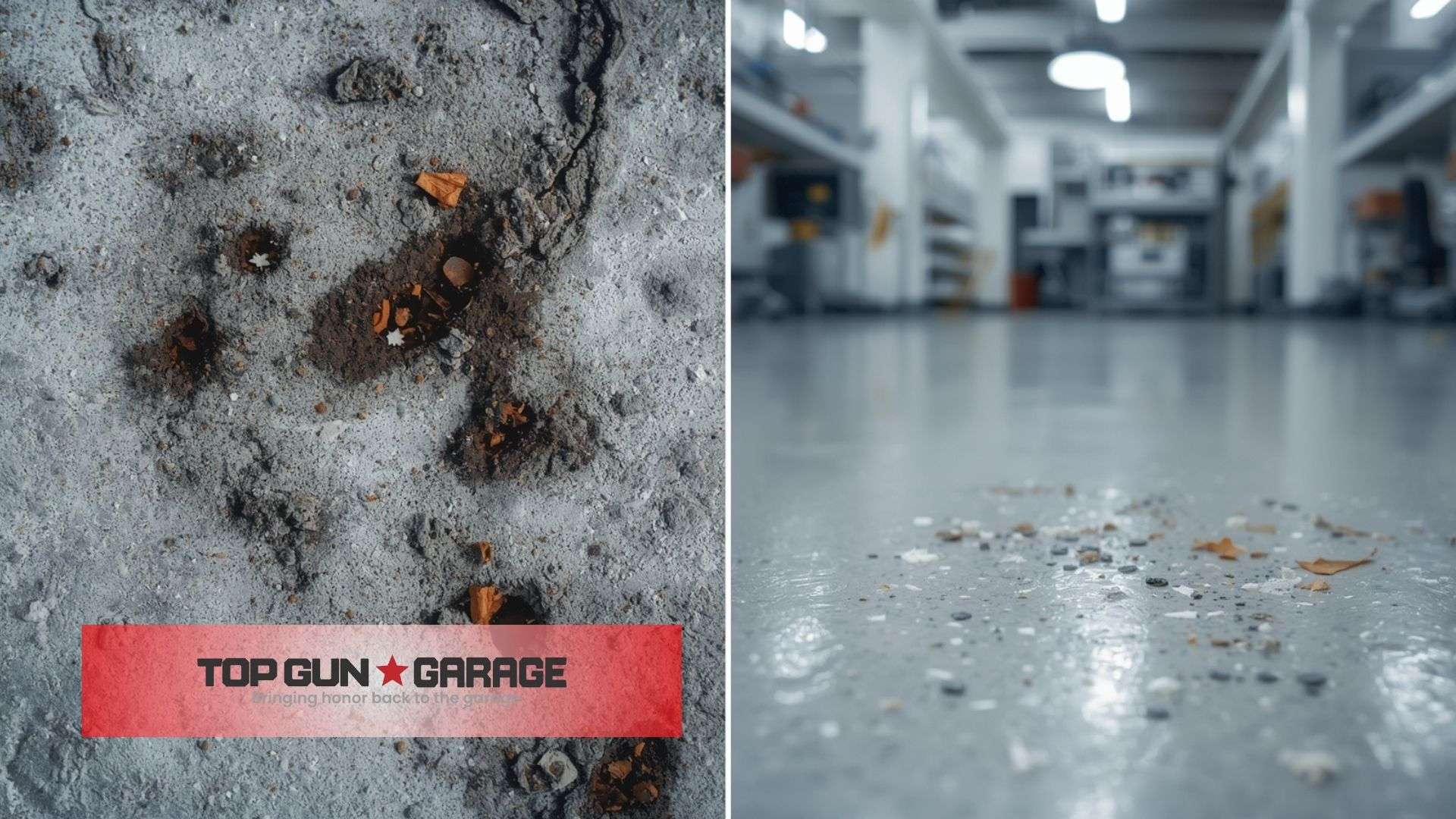
These microscopic hiding places create what cleaning professionals call “soil entrapment zones” – areas where standard cleaning methods cannot effectively reach without the assistance of powerful chemical agents. Traditional cleaning approaches for textured floors often require alkaline degreasers, acidic cleaners, or enzyme-based solutions specifically designed to break down embedded contaminants and lift them from these difficult-to-reach areas.
Smooth flooring systems, particularly those with properly applied protective coatings or inherently non-porous materials, create a uniform surface that prevents contaminant penetration. Understanding how concrete porosity affects epoxy bonding reveals the importance of creating non-porous surfaces. This barrier effect means that dirt, spills, and other debris remain on the surface level where they can be easily removed through mechanical action – such as mopping or sweeping – combined with minimal chemical intervention.
The cleaning efficiency of smooth floors also relates to surface tension and liquid behavior. On textured surfaces, cleaning solutions must overcome surface irregularities and penetrate into crevices to be effective. This often requires higher chemical concentrations and longer contact times. Smooth surfaces allow cleaning solutions to spread evenly and maintain consistent contact with contaminants, maximizing the effectiveness of even diluted cleaning products.
Types of Smooth Flooring Systems and Their Chemical-Reducing Properties
Different smooth flooring systems offer varying degrees of chemical reduction benefits, and understanding these options helps property owners select the most appropriate solution for their specific needs. Epoxy flooring systems represent one of the most effective options for minimizing cleaning chemical requirements. These seamless, non-porous surfaces create an impermeable barrier that prevents liquids and contaminants from penetrating the substrate, allowing for effective cleaning with simple neutral pH cleaners or even plain water in many situations.
Polished concrete floors offer another excellent example of how smooth surfaces reduce chemical needs. Through a mechanical polishing process, concrete surfaces are refined to create increasingly smooth finishes that eliminate the porous nature of raw concrete. Understanding why concrete preparation determines coating success highlights the importance of proper surface treatment. The densification process involved in polished concrete creation actually closes the concrete’s natural pores, creating a surface that resists staining and contamination while requiring minimal chemical intervention for maintenance.
Polyurethane and polyaspartic coating systems provide similar benefits with additional chemical resistance properties. These smooth flooring solutions not only reduce the need for cleaning chemicals but also resist damage from accidental chemical spills, creating a dual benefit for facilities that handle various substances. Learning about the difference between epoxy and polyaspartic helps inform selection decisions. The seamless nature of these systems eliminates grout lines and joints where contaminants typically accumulate in traditional flooring installations.
When considering professional installation, many property owners find that the long-term benefits of smooth flooring systems far outweigh initial investment costs. Professional installation ensures proper surface preparation, which is crucial for achieving the smooth, non-porous finish that delivers maximum chemical reduction benefits. However, it’s important to understand the differences between professional installation and DIY approaches, as proper preparation and application techniques directly impact the floor’s performance characteristics.
Resinous flooring systems, including MMA (methyl methacrylate) and other advanced polymer technologies, represent the pinnacle of smooth flooring performance. These systems cure to create glass-like surfaces that not only eliminate chemical cleaning requirements for routine maintenance but also provide exceptional durability and longevity. The investment in these premium smooth flooring systems often pays for itself through reduced cleaning costs within the first few years of installation.
Environmental and Health Benefits of Reduced Chemical Usage
The environmental advantages of smooth floors extend far beyond simple cost savings, creating measurable positive impacts on both indoor and outdoor environments. Reduced chemical usage directly translates to lower volatile organic compound (VOC) emissions in indoor spaces, which is particularly important for facilities where people spend extended periods. Many traditional cleaning chemicals release harmful vapors that can cause respiratory irritation, headaches, and other health issues, especially in poorly ventilated areas.
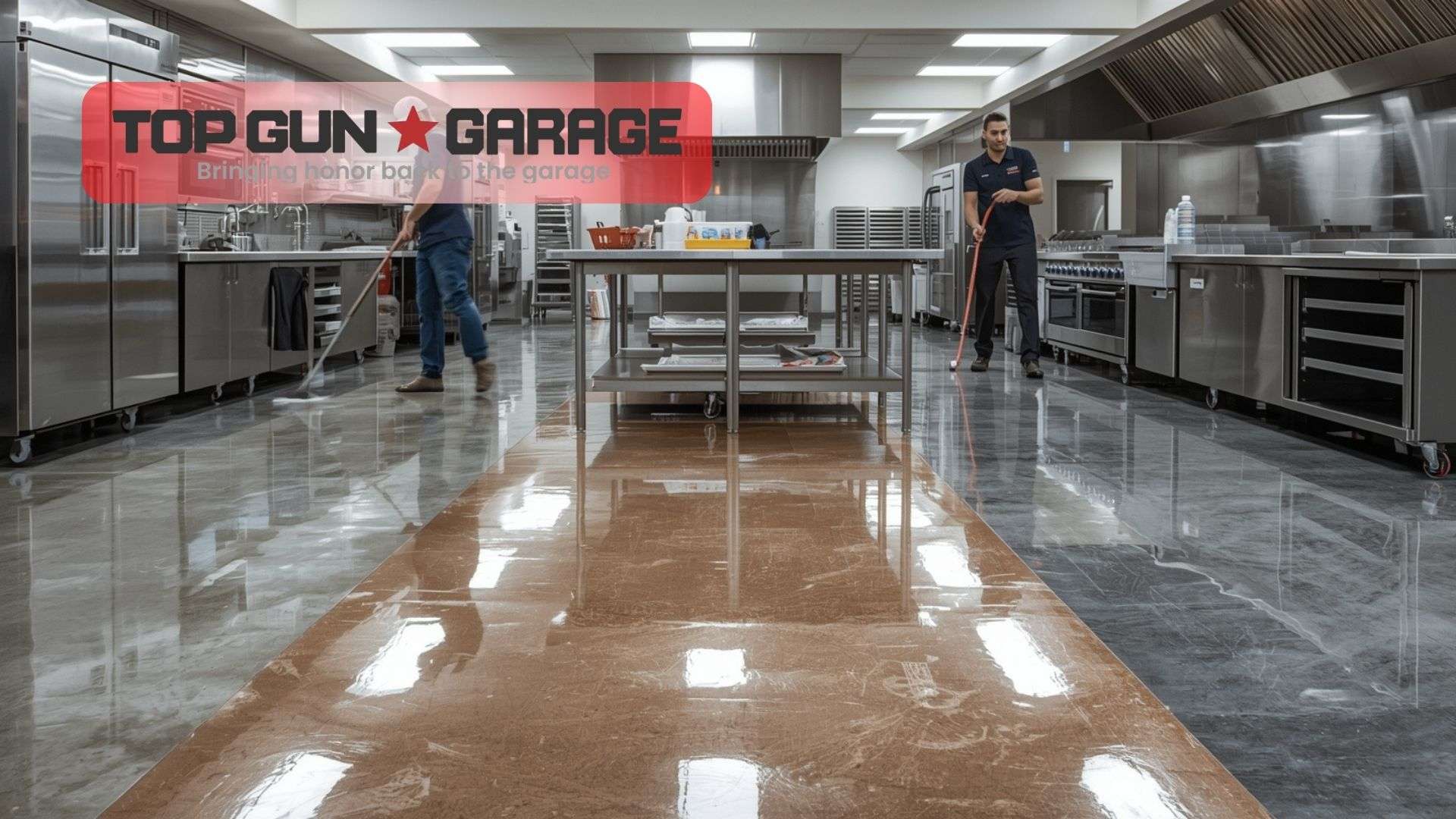
Indoor air quality improvements from reduced chemical cleaning are particularly significant in sensitive environments such as schools, healthcare facilities, and residential spaces. Smooth floors allow these facilities to maintain high cleanliness standards using green cleaning products or simple solutions that don’t compromise air quality. Exploring low-VOC garage flooring solutions reveals eco-friendly alternatives. This is especially important for individuals with asthma, allergies, or chemical sensitivities who may experience adverse reactions to traditional cleaning products.
The broader environmental impact includes reduced manufacturing demand for cleaning chemicals, which decreases the overall carbon footprint associated with chemical production, packaging, and transportation. Additionally, lower chemical usage means less chemical waste entering wastewater systems, reducing the burden on water treatment facilities and minimizing the potential for environmental contamination.
From a sustainability perspective, smooth floors support green building initiatives and environmental certification programs such as LEED (Leadership in Energy and Environmental Design). Many organizations are discovering that flooring choices significantly impact their ability to meet sustainability goals and maintain healthy indoor environments. Understanding environmentally responsible garage renovations provides comprehensive guidance. The reduced chemical requirements of smooth floors contribute to multiple sustainability metrics simultaneously.
Worker safety improvements represent another crucial benefit of reduced chemical usage. Maintenance staff experience less exposure to potentially harmful cleaning chemicals, reducing the risk of skin irritation, respiratory issues, and accidental chemical injuries. This improved safety profile often translates to lower insurance costs, reduced liability, and improved employee satisfaction among cleaning and maintenance personnel.
Economic Impact and Cost-Benefit Analysis
The financial implications of choosing smooth floors extend well beyond the initial installation investment, creating a compelling economic case for property owners and facility managers. Chemical cost reduction represents just one component of the total economic benefit, but it’s often the most immediately visible and measurable advantage. Facilities typically experience 40-70% reductions in cleaning chemical expenses within the first year after installing smooth flooring systems.
Labor cost savings often exceed chemical savings in many applications. Smooth floors require less time to clean effectively, allowing maintenance staff to cover more area in less time or redirect their efforts to other important tasks. The simplified cleaning procedures eliminate the need for complex chemical mixing, specialized equipment, and extended dwell times that textured floors often require. This efficiency improvement can reduce overall maintenance labor costs by 20-50% depending on the facility size and previous flooring conditions.
Equipment and supply cost reductions add another layer of economic benefit. Smooth floors typically require less aggressive cleaning equipment, reducing wear and tear on machines and extending their operational life. The reduced need for specialized cleaning tools, brushes, and chemical-specific equipment further contributes to overall cost savings. Many facilities find they can maintain superior cleanliness with basic equipment that costs significantly less to purchase and maintain.
Long-term durability benefits create additional economic value through extended floor life and reduced replacement frequency. Smooth floors that are easier to maintain typically last longer than textured alternatives because regular cleaning doesn’t require aggressive scrubbing or harsh chemicals that can damage surface finishes over time. Understanding how long epoxy flooring lasts provides realistic expectations. This longevity factor significantly improves the return on investment for flooring installations.
Risk mitigation and insurance considerations also contribute to the economic benefits. Facilities with smooth floors often experience fewer slip-and-fall incidents due to improved cleanliness and the absence of cleaning chemical residues that can create slippery conditions. Learning about how garage floors prevent slip and fall accidents reveals safety benefits. Additionally, reduced chemical storage and handling requirements may qualify facilities for lower insurance premiums and decreased liability exposure.
Implementation Strategies and Best Practices
Successfully transitioning to smooth floors and maximizing their chemical-reducing benefits requires careful planning and implementation. The process begins with proper surface evaluation and preparation, which are critical factors in achieving the smooth, non-porous finish necessary for optimal performance. Surface preparation often represents 80% of the work involved in creating effective smooth flooring systems, making it essential to address any existing issues before installation.
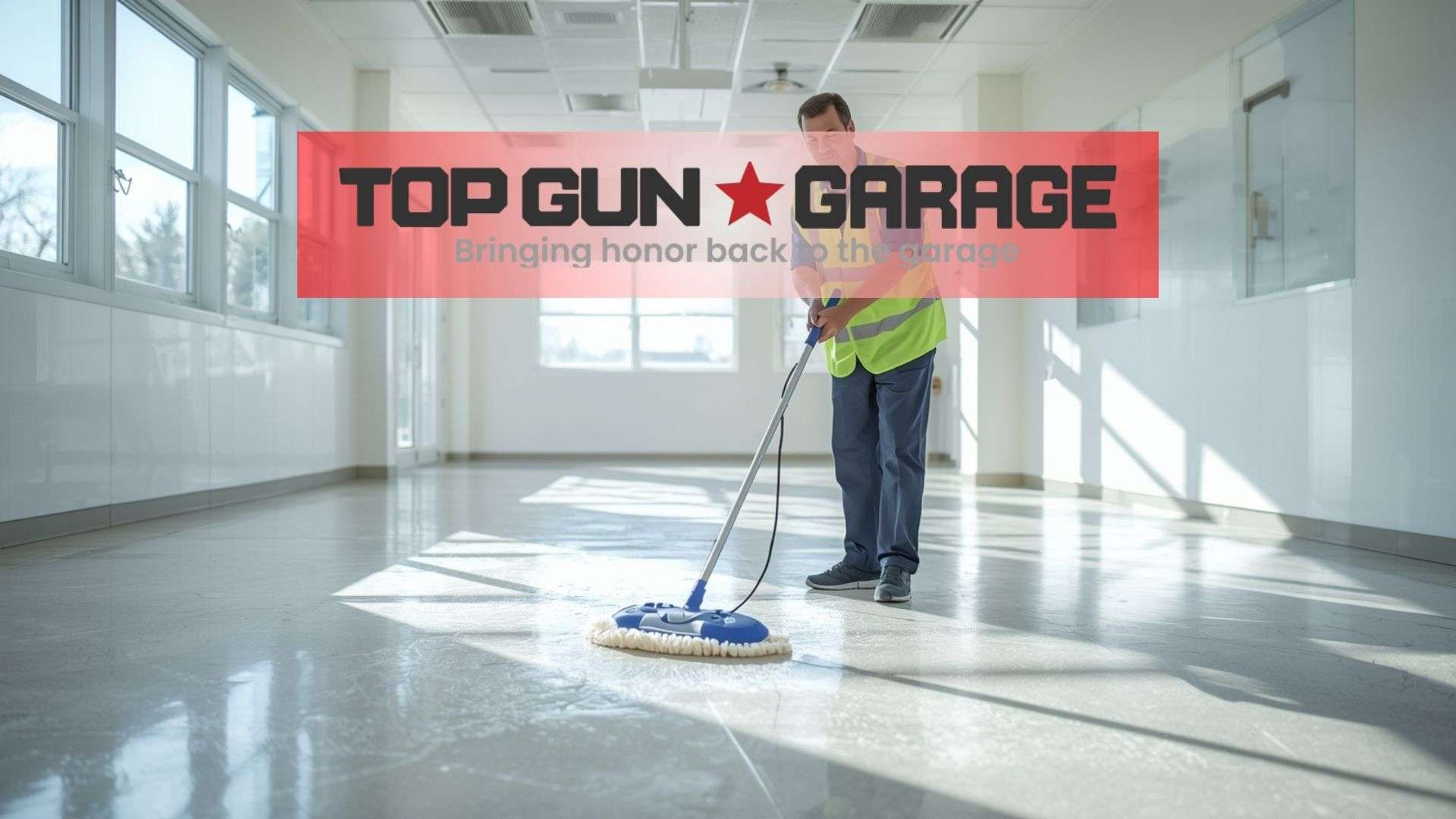
Moisture testing and concrete evaluation form the foundation of successful smooth floor installations. Existing floors must be assessed for structural integrity, moisture content, and contamination levels that could interfere with coating adhesion or performance. Understanding what floor moisture testing involves is crucial for success. Professional contractors typically conduct comprehensive substrate analysis to ensure optimal results, as improper preparation can compromise the smooth finish and reduce the chemical-reducing benefits.
Timing and environmental conditions during installation significantly impact the final surface quality. Temperature, humidity, and ventilation must be carefully controlled to ensure proper curing and achieve the smooth finish necessary for chemical reduction benefits. Learning about how humidity affects installation timing helps optimize project scheduling. Many property owners discover that working with experienced professionals helps avoid common pitfalls that can compromise surface smoothness and long-term performance.
Training maintenance staff on new cleaning procedures represents a crucial implementation component. While smooth floors simplify cleaning requirements, staff need to understand how to maximize efficiency and maintain optimal surface conditions. Understanding proper cleaning processes for epoxy ensures effective maintenance. This often involves transitioning from chemical-intensive cleaning protocols to simpler, more environmentally friendly approaches that take advantage of the smooth surface characteristics.
Establishing maintenance protocols that preserve the smooth surface characteristics ensures long-term chemical reduction benefits. This includes selecting appropriate cleaning tools, implementing preventive maintenance schedules, and addressing any surface damage promptly to prevent contamination penetration. Regular maintenance planning helps property owners realize the full economic and environmental benefits of their smooth flooring investment.
At Top Gun Garage, the team specializes in installing high-quality smooth flooring systems that deliver exceptional chemical reduction benefits for clients. The experienced team understands the critical importance of proper surface preparation and professional installation techniques that ensure optimal performance and longevity. The team works closely with property owners to select the most appropriate smooth flooring solution for their specific needs and provides comprehensive support throughout the installation process.
Frequently Asked Questions
How much can I expect to reduce cleaning chemical usage with smooth floors?
Most facilities experience 40-70% reductions in cleaning chemical usage after installing properly prepared smooth flooring systems. The exact reduction depends on factors such as the previous flooring condition, facility usage patterns, and the specific type of smooth flooring installed. High-traffic commercial areas often see the greatest chemical reduction benefits.
Are smooth floors suitable for all types of facilities?
Smooth floors work well in most commercial, industrial, and residential applications. However, some specialized environments may require textured surfaces for safety reasons, such as wet areas where slip resistance is critical. Professional evaluation can determine the most appropriate flooring solution for specific applications while maximizing chemical reduction benefits.
What types of cleaning products work best with smooth floors?
Neutral pH cleaners, simple degreasers, and even plain water are often sufficient for maintaining smooth floors. Many facilities successfully use environmentally friendly cleaning products that would be ineffective on textured surfaces. The key is selecting products that won’t damage the smooth surface while providing adequate cleaning power for the specific contamination types encountered.
How do smooth floors compare to traditional flooring in terms of maintenance costs?
Smooth floors typically reduce total maintenance costs by 30-60% compared to traditional textured flooring. This includes savings in chemicals, labor, equipment, and long-term replacement costs. The initial investment in smooth flooring usually pays for itself within 2-5 years through reduced maintenance expenses.
Can existing floors be converted to smooth surfaces?
Many existing floors can be converted to smooth surfaces through proper preparation and coating application. Concrete floors are particularly good candidates for conversion, while other substrates may require more extensive preparation. Professional evaluation helps determine the feasibility and cost-effectiveness of conversion versus replacement.
What maintenance is required to preserve the chemical-reducing benefits?
Regular cleaning with appropriate products, prompt spill cleanup, and periodic inspection help preserve smooth surface characteristics. Most smooth floors require minimal maintenance beyond routine cleaning, but addressing any damage quickly prevents contamination penetration that could compromise chemical reduction benefits.
Do smooth floors require special installation techniques?
Yes, achieving the smooth, non-porous finish necessary for chemical reduction requires specialized knowledge and equipment. Proper surface preparation, environmental control during installation, and professional application techniques are essential for optimal results. Many property owners find that professional installation provides significant advantages over DIY approaches in terms of surface quality and long-term performance.
How do smooth floors impact indoor air quality?
Smooth floors significantly improve indoor air quality by reducing the need for chemical cleaners that release VOCs and other harmful vapors. The easier cleaning requirements allow facilities to maintain high cleanliness standards using environmentally friendly products that don’t compromise air quality, making them particularly beneficial for sensitive environments.
Conclusion
The compelling case for smooth floors extends far beyond their aesthetic appeal, offering tangible benefits that impact both environmental sustainability and economic performance. Understanding how smooth floors reduce cleaning chemical needs provides property owners with valuable insights for making informed flooring decisions that deliver long-term value. The science behind surface smoothness and cleaning efficiency demonstrates clear advantages that translate into measurable cost savings and environmental benefits.
The comprehensive benefits of smooth flooring systems – from reduced chemical usage and improved indoor air quality to lower maintenance costs and enhanced durability – create a compelling return on investment that continues to grow over time. As environmental consciousness increases and operating costs continue to rise, the advantages of smooth floors become even more significant for forward-thinking property owners and facility managers.
Implementation success depends heavily on proper planning, professional installation, and ongoing maintenance practices that preserve the smooth surface characteristics essential for chemical reduction benefits. Working with experienced flooring professionals ensures optimal results and helps property owners realize the full potential of their smooth flooring investment while contributing to healthier, more sustainable indoor environments for years to come.