 Skip to content



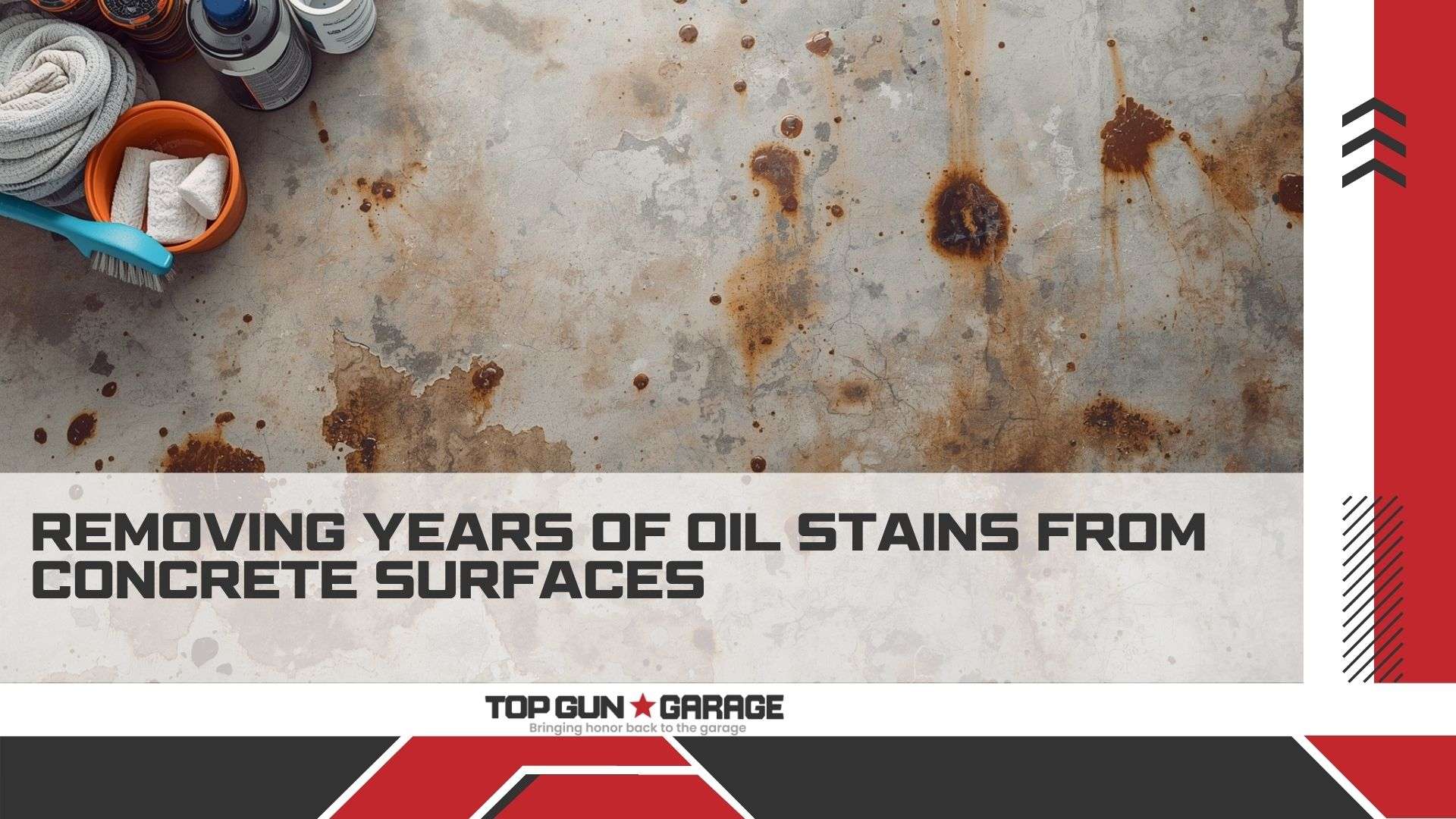
Concrete surfaces in garages, driveways, and industrial spaces inevitably become victims of oil spills and leaks over time. What starts as a small drip from a car engine or a minor spill during an oil change can quickly transform into stubborn, unsightly stains that seem impossible to remove. These persistent marks not only detract from the appearance of concrete surfaces but can also create safety hazards and potentially decrease property value.
The challenge of removing years of oil stains from concrete becomes increasingly complex as time passes. Fresh oil spills are relatively easy to address with quick action and basic cleaning supplies, but aged stains require a more strategic approach. Oil penetrates deep into the porous structure of concrete, creating a bond that strengthens over time. The longer these stains remain untreated, the more they become integrated into the concrete matrix, making removal significantly more difficult.
Understanding the science behind oil penetration is crucial for effective stain removal. Concrete is naturally porous, with tiny channels and gaps that allow liquids to seep below the surface. Understanding how concrete porosity affects bonding reveals why oils penetrate so deeply. When oil comes into contact with concrete, it doesn’t just sit on top – it actively migrates downward and outward, spreading through these microscopic pathways. This process continues until the oil reaches a depth where the concrete’s density prevents further penetration or until the oil is absorbed or evaporated.
The type of oil involved also plays a significant role in stain removal difficulty. Motor oil, hydraulic fluid, transmission fluid, and cooking oils all have different viscosities, chemical compositions, and penetration characteristics. Some oils contain additives and detergents that can actually make them more difficult to remove, while others may break down over time, making them slightly easier to address. Temperature fluctuations, moisture exposure, and traffic patterns over the stained area all contribute to how deeply embedded these stains become.
Professional flooring contractors understand that successful oil stain removal requires patience, the right techniques, and often multiple treatment cycles. The process isn’t just about applying a cleaning solution and scrubbing – it involves understanding the specific conditions that created the stain, selecting appropriate removal methods, and often preparing the surface for long-term protection against future staining.
Key Takeaways
Time is the enemy: The longer oil stains remain on concrete, the deeper they penetrate and the more difficult they become to remove completely. Immediate action on fresh spills prevents long-term staining problems.
Multiple treatment cycles are normal: Removing years-old oil stains typically requires several rounds of treatment, with each cycle lifting more of the embedded oil from deeper within the concrete structure.
Surface preparation is critical: Proper cleaning and preparation of the concrete surface before applying stain removal treatments significantly improves success rates and ensures better penetration of cleaning agents.
Chemical selection matters: Different types of oil stains respond better to specific cleaning chemicals, and using the wrong approach can actually set stains deeper or create additional problems.
Safety equipment is essential: Many effective oil stain removal products contain strong chemicals that require proper ventilation, protective clothing, and careful handling to prevent injury or property damage.
Professional assessment saves time and money: Experienced contractors can quickly identify the most effective approach for specific stain types and concrete conditions, often achieving better results in less time than trial-and-error DIY methods.
Prevention is more cost-effective than removal: Implementing protective measures and maintenance routines after stain removal prevents future problems and maintains the appearance and functionality of concrete surfaces.
Understanding Oil Stain Penetration in Concrete
The porous nature of concrete makes it particularly susceptible to oil penetration, creating a complex challenge that goes far beyond surface-level cleaning. When oil first contacts concrete, it begins an immediate migration process through the material’s interconnected network of capillary pores, air voids, and micro-cracks. This penetration occurs through both gravitational force and capillary action, with the oil spreading both vertically and horizontally within the concrete matrix.
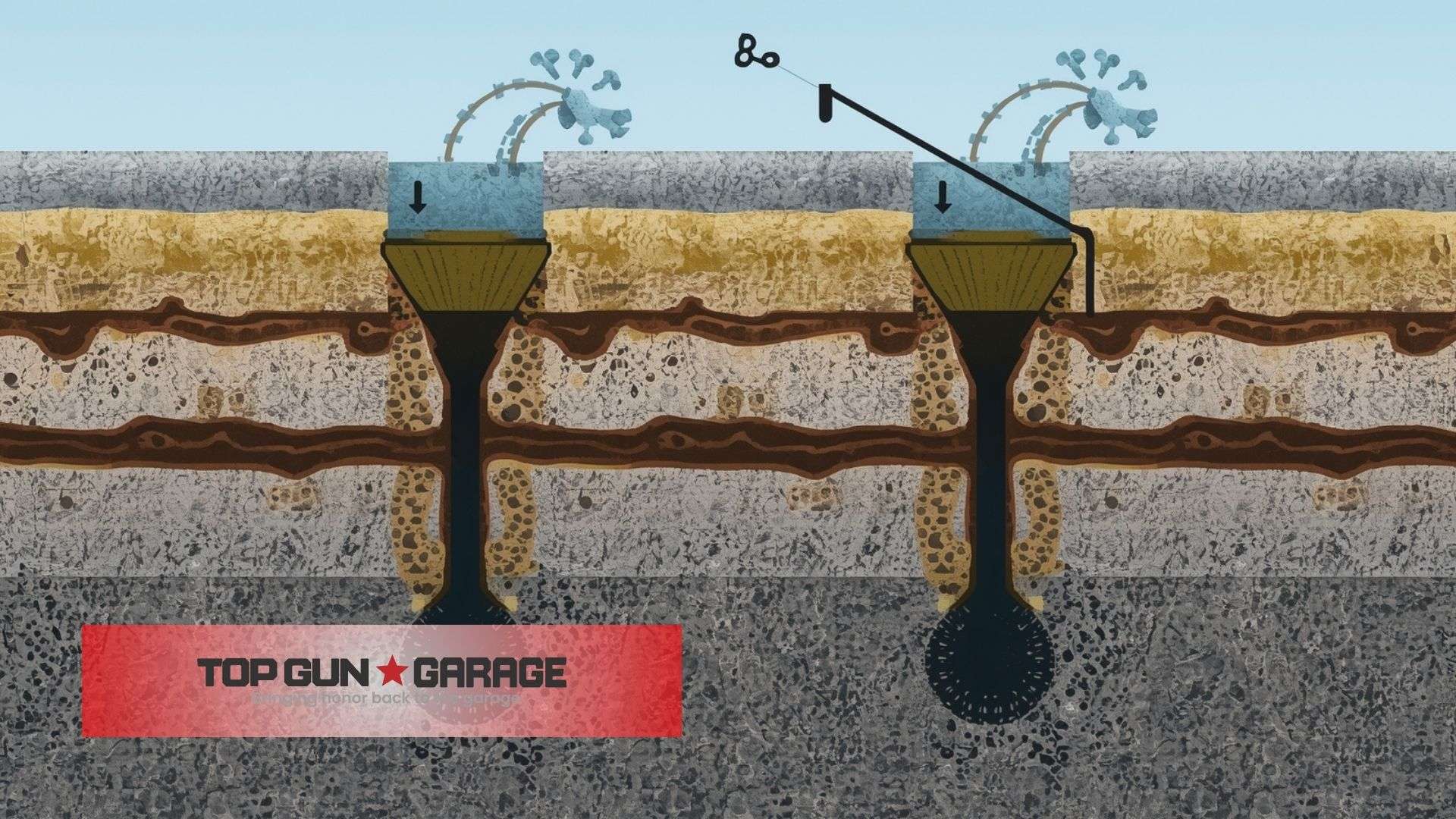
The rate and depth of oil penetration depend on several factors, including the concrete’s age, porosity, and surface finish. Newer concrete typically has tighter pore structures and may resist initial penetration better than older, weathered surfaces. However, even high-quality concrete will eventually allow oil penetration if exposure continues over time. Understanding what concrete conditions prevent successful installations reveals the importance of proper surface assessment. The surface texture also plays a role – smooth, troweled surfaces may initially resist penetration better than rough or broom-finished concrete, but they can also make oil removal more challenging once staining occurs.
Temperature significantly affects both the initial penetration process and subsequent removal efforts. Warm temperatures reduce oil viscosity, allowing it to flow more easily into concrete pores, while cold temperatures can cause oil to thicken and remain closer to the surface. Seasonal temperature variations can cause oil within the concrete to expand and contract, potentially driving it deeper or bringing it closer to the surface. Understanding these thermal effects helps determine the best timing and approach for stain removal efforts.
The chemical composition of different oils creates varying challenges for removal. Petroleum-based products like motor oil contain complex hydrocarbon chains that can form strong bonds with concrete minerals. Synthetic oils often include additives that improve their performance in engines but can make them more resistant to conventional cleaning methods. Vegetable oils and cooking fats may seem less problematic, but they can actually create some of the most stubborn stains due to their ability to polymerize and form semi-solid deposits within concrete pores.
Essential Tools and Materials for Deep Stain Removal
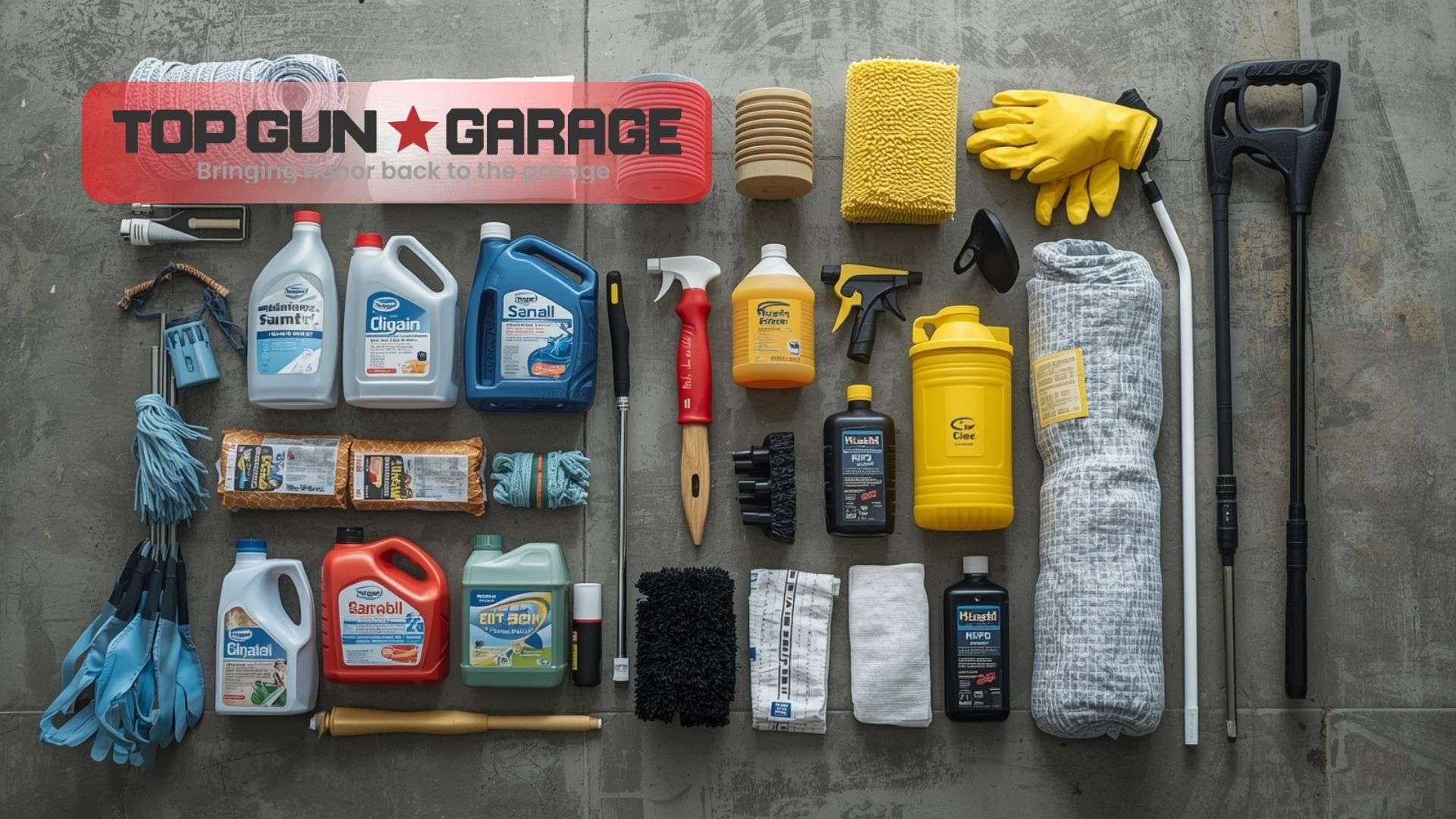
Successful removal of years-old oil stains requires a comprehensive arsenal of specialized tools and cleaning materials, each serving a specific purpose in the multi-step process. The selection of appropriate equipment can make the difference between partial success and complete stain elimination, while also affecting the time and effort required for the project.
Heavy-duty degreasers form the foundation of any serious oil stain removal effort. Commercial-grade alkaline degreasers work by breaking down oil molecules and lifting them from concrete pores, but they must be selected based on the specific type of oil and the age of the stain. Solvent-based cleaners can be more effective on petroleum products but require careful handling and adequate ventilation. Enzymatic cleaners offer an environmentally friendly alternative that works by breaking down oil molecules at the molecular level, though they typically require longer contact times to achieve results.
Mechanical agitation tools are essential for working cleaning solutions deep into concrete pores and physically dislodging embedded oil. Stiff-bristled brushes, wire brushes, and scrubbing pads each serve different purposes depending on the concrete surface and stain severity. Power washers can provide the pressure needed to flush loosened oil and cleaning solutions from concrete pores, but they must be used carefully to avoid driving contaminants deeper into the surface.
Absorbent materials play a crucial role in capturing oil as it’s lifted from the concrete. Traditional absorbents like cat litter or sawdust work for surface applications, but specialized absorbent compounds designed for oil spill cleanup offer superior performance. These materials often include surfactants that help break down oil while absorbing it, creating a dual-action effect that improves overall cleaning results.
Safety equipment cannot be overlooked when working with powerful cleaning chemicals and mechanical equipment. Chemical-resistant gloves, eye protection, and respiratory protection are essential for preventing exposure to harmful fumes and skin contact with aggressive cleaners. Proper ventilation becomes critical when working in enclosed spaces like garages, where chemical vapors can accumulate to dangerous levels.
Specialized equipment for severe stains might include concrete grinders for removing the top layer of heavily contaminated concrete, steam cleaners for heat-assisted cleaning, and even poultice materials for drawing deeply embedded oil to the surface. Professional contractors often have access to industrial-grade equipment that can achieve results impossible with consumer-grade tools.
Step-by-Step Deep Cleaning Process
The systematic removal of years-old oil stains requires a methodical approach that addresses both surface contamination and deep penetration. Beginning with proper surface preparation, the first step involves removing any loose debris, dirt, or surface contaminants that could interfere with cleaning solution penetration. Understanding how concrete is prepared for treatments reveals the importance of this step. This initial cleaning often reveals the true extent of oil staining and helps identify areas that will require the most intensive treatment.
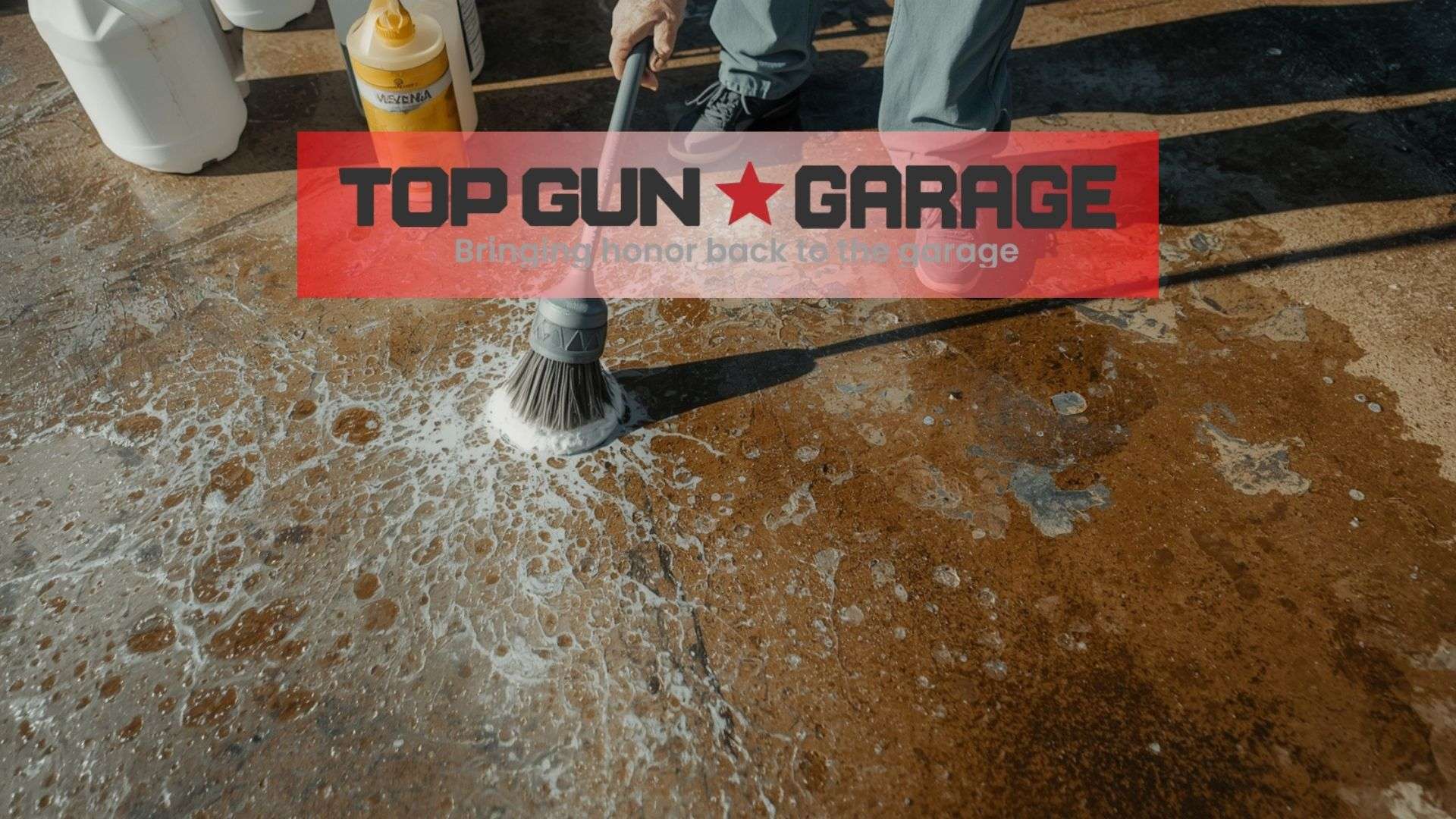
Pre-treatment of the stained area begins with applying a penetrating degreaser designed to break down oil molecules and begin the lifting process. The selection of degreaser depends on the type of oil involved and the severity of the staining. For petroleum-based stains, alkaline degreasers often provide the best initial results, while biological cleaners may be more effective on vegetable oils or mixed contamination. The degreaser should be applied generously and allowed to penetrate for the manufacturer’s recommended time, typically 15-30 minutes for initial applications.
Mechanical agitation follows the initial penetration period, using appropriate brushes or scrubbing tools to work the cleaning solution deeper into the concrete pores. This step requires patience and systematic coverage of the entire stained area, paying particular attention to heavily contaminated spots. The agitation process helps break the bonds between oil molecules and concrete surfaces while creating channels for the cleaning solution to reach deeper contamination.
Hot water rinsing removes the initial round of loosened oil and cleaning solution, but this step often reveals that significant staining remains. Multiple treatment cycles are typically necessary for years-old stains, with each subsequent cycle targeting oil that has migrated to the surface from deeper within the concrete. The number of cycles required depends on the stain age, oil type, and concrete porosity, but three to five cycles are common for severe staining.
Advanced techniques may be necessary for the most stubborn stains. Poultice treatments involve applying absorbent materials mixed with solvents to draw oil from deep within the concrete. These treatments are left in place for extended periods, sometimes overnight, allowing capillary action to pull contamination to the surface. Steam cleaning can also be effective for breaking down oil molecules and improving the penetration of cleaning solutions.
The final cleaning phase focuses on neutralizing any remaining cleaning chemicals and ensuring complete removal of loosened oil and debris. This typically involves multiple rinses with clean water and may include the application of neutralizing agents to restore the concrete’s natural pH balance. Understanding proper cleaning processes ensures long-term surface health. Proper drying time between treatment cycles is essential, as moisture can interfere with subsequent cleaning efforts and prevent accurate assessment of remaining staining.
Advanced Treatment Methods for Stubborn Stains
When conventional cleaning methods fail to completely remove deeply embedded oil stains, advanced treatment techniques become necessary to achieve satisfactory results. These methods often require specialized equipment, stronger chemicals, or more time-intensive processes, but they can successfully address contamination that has resisted standard cleaning approaches.
Chemical poulticing represents one of the most effective advanced techniques for drawing oil from deep within concrete pores. This process involves creating a paste-like mixture of absorbent materials and solvents that is applied to the stained area and covered with plastic sheeting. The poultice works through a combination of chemical dissolution and capillary action, slowly drawing oil to the surface over a period of hours or days. Different poultice formulations work better for different types of oil contamination, with some designed specifically for petroleum products and others optimized for vegetable oils or synthetic lubricants.
Heat-assisted cleaning can significantly improve the effectiveness of chemical treatments by reducing oil viscosity and increasing the activity of cleaning solutions. Steam cleaning equipment applies both heat and moisture to break down oil molecules and improve penetration of cleaning agents. The elevated temperature helps mobilize oil that has become semi-solid within concrete pores, making it more susceptible to chemical and mechanical removal methods. However, heat must be applied carefully to avoid damaging concrete surfaces or creating safety hazards.
Mechanical surface removal becomes necessary when oil penetration extends beyond the reach of chemical cleaning methods. Concrete grinding or shot blasting can remove the contaminated surface layer, exposing clean concrete underneath. Understanding different concrete surface preparations reveals various mechanical techniques. This approach is particularly effective for areas where oil has been repeatedly spilled over many years, creating contamination that extends well below the surface. While mechanical removal is highly effective, it permanently alters the concrete surface and may require subsequent treatments to restore appearance and functionality.
Biological treatment methods utilize specially selected bacteria or enzymes that break down oil molecules at the molecular level. These treatments are particularly effective for organic oils and can continue working over extended periods, gradually reducing contamination levels. Biological treatments are environmentally friendly and safe for use in sensitive areas, but they require specific conditions to remain effective and typically work more slowly than chemical alternatives.
Professional contractors may also employ combination approaches that integrate multiple advanced techniques for maximum effectiveness. For example, initial mechanical preparation might be followed by chemical treatment and finished with biological remediation for long-term contamination control. When considering whether to attempt these advanced methods yourself or hire professionals, it’s worth examining the DIY limitations versus professional advantages to understand the complexity and safety considerations involved.
Prevention and Long-Term Maintenance
Successful oil stain removal represents only the first step in maintaining clean, attractive concrete surfaces. Implementing effective prevention strategies and ongoing maintenance routines protects the investment in stain removal and prevents future contamination problems. The cost and effort required for prevention pale in comparison to repeated stain removal treatments, making proactive maintenance an essential component of concrete care.
Surface sealing provides the most effective long-term protection against oil penetration. Modern concrete sealers create a barrier that prevents liquids from penetrating into concrete pores while maintaining the surface’s appearance and functionality. Understanding why concrete sealers affect bonding is important for proper application. Penetrating sealers work by chemically reacting with concrete to create water and oil-repelling properties within the top layer of the material. Topical sealers form a protective film on the surface that can be more effective against spills but may require more frequent reapplication and maintenance.
The selection of appropriate sealers depends on the intended use of the concrete surface and the types of potential contamination. Garage floors and automotive work areas benefit from sealers specifically designed to resist petroleum products, while outdoor surfaces may require UV-resistant formulations that won’t degrade under sun exposure. Learning about epoxy floor coating options reveals premium protection solutions. Industrial applications might need specialized sealers that can withstand chemical exposure and heavy traffic while maintaining their protective properties.
Regular maintenance routines help identify and address potential problems before they become serious staining issues. Weekly visual inspections can identify fresh spills or developing stains that can be addressed with simple cleaning methods. Monthly deep cleaning removes accumulated dirt and grime that can interfere with sealer performance and provides an opportunity to assess the condition of protective coatings.
Immediate spill response procedures should be established and communicated to anyone who uses the protected areas. Quick absorption of fresh spills prevents penetration and makes cleanup much easier and more effective. Keeping appropriate absorbent materials and basic cleaning supplies readily available ensures that spills can be addressed immediately, before oil has time to penetrate into concrete pores.
Environmental considerations play an increasingly important role in prevention and maintenance strategies. Proper disposal of contaminated absorbent materials and cleaning solutions protects groundwater and complies with environmental regulations. Exploring eco-friendly flooring options reveals sustainable approaches. Using environmentally friendly cleaning products and sealers reduces the impact of maintenance activities while maintaining effectiveness against oil contamination.
Documentation of maintenance activities helps track the effectiveness of prevention strategies and plan for future needs. Recording sealer application dates, cleaning schedules, and any staining incidents provides valuable information for optimizing maintenance routines and identifying areas that may need additional protection or more frequent attention.
When to Call Professional Contractors
While many property owners can successfully address minor oil stains with basic cleaning methods, certain situations clearly indicate the need for professional intervention. Recognizing these circumstances early can save time, money, and frustration while ensuring that stain removal efforts achieve the best possible results. Professional contractors bring specialized equipment, advanced cleaning chemicals, and extensive experience that can make the difference between partial success and complete stain elimination.
Extensive contamination covering large areas or involving multiple types of oil typically exceeds the capabilities of DIY cleaning methods. Professional contractors have access to industrial-grade equipment that can efficiently treat large areas while maintaining consistent results across the entire surface. They also understand how to manage the logistics of large-scale cleaning projects, including proper disposal of contaminated materials and coordination of multiple treatment cycles.
Safety concerns represent another critical factor in the decision to hire professionals. Many effective oil stain removal chemicals pose significant health risks if not handled properly, requiring specialized safety equipment and training. Professional contractors understand proper ventilation requirements, chemical compatibility issues, and emergency procedures that protect both workers and property occupants. When working with particularly hazardous materials or in confined spaces, professional expertise becomes essential for preventing accidents and exposure incidents.
Time constraints often make professional services the most practical option for property owners who need quick results or cannot dedicate the substantial time required for multiple treatment cycles. Professional contractors can often complete comprehensive stain removal projects in a fraction of the time required for DIY efforts, minimizing disruption to normal activities and reducing the overall impact of the cleaning process.
Complex concrete surfaces with decorative finishes, integral coloring, or specialized coatings require expert knowledge to avoid damage during stain removal. Professionals understand how different concrete treatments respond to various cleaning methods and can select approaches that effectively remove stains without compromising the underlying surface. This expertise is particularly valuable for expensive decorative concrete installations where damage could require costly repairs or complete replacement.
Cost considerations may actually favor professional services when the full scope of a stain removal project is considered. While professional services involve higher upfront costs, they often achieve better results in less time with lower risk of damage or safety incidents. The cost of multiple attempts with consumer-grade products, potential surface damage from improper techniques, and the value of time invested in DIY efforts often exceeds the cost of professional treatment.
At Top Gun Garage, the experienced team understands the complexities of oil stain removal and can assess specific situations to recommend the most effective approach. The team has the specialized equipment and expertise needed to tackle even the most stubborn stains while protecting concrete surfaces and ensuring safe, environmentally responsible cleanup procedures.
Frequently Asked Questions
How long does it typically take to remove years-old oil stains from concrete?
The time required depends on the stain age, size, and depth of penetration, but most projects require multiple treatment cycles over several days or weeks. Each treatment cycle may take 4-8 hours, with drying time between applications. Severely contaminated areas might need 3-5 treatment cycles, while lighter staining may respond to 1-2 applications.
Can all oil stains be completely removed from concrete?
While most oil stains can be significantly reduced or eliminated, some extremely old or deep stains may leave slight discoloration even after intensive treatment. The success rate depends on factors like stain age, oil type, concrete porosity, and the treatment methods used. Professional assessment can provide realistic expectations for specific situations.
What’s the difference between treating fresh spills versus old stains?
Fresh spills can often be removed with simple absorbent materials and basic cleaning solutions because the oil hasn’t had time to penetrate deeply. Old stains require more aggressive chemical treatments, longer contact times, and often multiple treatment cycles because the oil has migrated deep into the concrete pores and formed stronger bonds with the material.
Are there any risks to the concrete surface during aggressive stain removal?
Aggressive cleaning methods can potentially damage concrete surfaces, particularly decorative finishes or colored concrete. Strong acids can etch the surface, while excessive mechanical scrubbing can wear away the top layer. Understanding what causes concrete damage helps avoid problems. Professional contractors understand how to balance effectiveness with surface protection to achieve optimal results without damage.
How much does professional oil stain removal typically cost?
Professional stain removal costs vary based on the affected area size, stain severity, and required treatment methods. Simple treatments might cost $2-5 per square foot, while complex projects requiring multiple cycles or specialized techniques can cost $5-15 per square foot. Getting multiple quotes helps ensure fair pricing for specific situations.
What preventive measures work best after stain removal?
Applying a high-quality concrete sealer provides the best long-term protection against future oil penetration. Regular maintenance, immediate spill cleanup, and periodic resealing help maintain protection over time. Exploring epoxy garage floor options reveals premium protective solutions. Using drip pans under vehicles and maintaining equipment properly also reduces the likelihood of future spills.
Can I use household products like dish soap or baking soda for serious stain removal?
While household products can help with fresh spills or light staining, they’re generally not effective for years-old, deeply penetrated oil stains. Commercial degreasers and specialized cleaning products are formulated specifically for breaking down oil molecules and penetrating concrete pores, making them much more effective for serious contamination.
How do I know if a stain removal attempt was successful?
Complete success is indicated by the absence of visible staining and no oil bleeding to the surface after the area has fully dried. Sometimes stains may appear gone when wet but reappear as the concrete dries, indicating that more treatment is needed. Allowing adequate drying time between treatments helps accurately assess progress and determine if additional cycles are necessary.
Conclusion
Successfully removing years of oil stains from concrete surfaces requires understanding the complex nature of oil penetration, selecting appropriate treatment methods, and often implementing multiple treatment cycles to achieve satisfactory results. The porous structure of concrete allows oil to migrate deep below the surface, where it forms strong bonds that resist conventional cleaning methods. This reality means that property owners must approach old stain removal with realistic expectations and patience for the multi-step process required.
The investment in proper stain removal pays dividends beyond mere appearance improvements. Clean concrete surfaces are safer, more professional-looking, and better protected against future contamination when properly sealed and maintained. The knowledge gained through understanding oil penetration and removal techniques also helps property owners implement more effective prevention strategies, reducing the likelihood of future staining problems.
Professional assessment and treatment often provide the most cost-effective approach for serious contamination, particularly when safety concerns, time constraints, or surface complexity make DIY efforts impractical. Experienced contractors bring specialized equipment, advanced cleaning chemicals, and the expertise needed to achieve optimal results while protecting concrete surfaces and ensuring safe, environmentally responsible cleanup procedures.
The key to long-term success lies in combining effective stain removal with proactive prevention and maintenance strategies. Quality concrete sealers, regular cleaning routines, and immediate spill response procedures work together to maintain clean, attractive surfaces while protecting the investment in stain removal efforts. By understanding both the challenges and solutions involved in oil stain removal, property owners can make informed decisions about maintaining their concrete surfaces and preserving their appearance and functionality for years to come.