Garage floor coatings have become increasingly popular among homeowners seeking to transform their utilitarian spaces into attractive, functional areas. These protective layers not only enhance the aesthetic appeal of garage floors but also provide durability, chemical resistance, and easier maintenance. However, one of the most frustrating issues that property owners encounter is when their garage coatings begin to peel at the edges, compromising both the appearance and protective qualities of their investment.
Understanding why some garage coatings peel at edges is crucial for anyone considering a floor coating project or dealing with an existing peeling problem. Edge peeling is more than just a cosmetic concern – it can lead to moisture infiltration, further coating failure, and costly repairs. This phenomenon occurs when the coating loses its adhesion to the concrete substrate, typically starting at the perimeter where the floor meets walls, door frames, or other vertical surfaces.
The edge areas of garage floors face unique challenges that make them particularly vulnerable to coating failure. These zones experience different stress patterns, moisture exposure, and application difficulties compared to the main floor surface. Temperature fluctuations, structural movement, and inadequate surface preparation often contribute to edge-related coating problems. Additionally, the transition areas between horizontal and vertical surfaces create natural stress points where coatings are more likely to fail.
Professional contractors like Top Gun Garage understand that preventing edge peeling requires careful attention to surface preparation, proper application techniques, and the selection of appropriate coating systems. The key lies in addressing the root causes before they manifest as visible problems. By implementing proper preparation methods, using quality materials, and following proven application procedures, most edge peeling issues can be prevented entirely.
This comprehensive guide explores the various factors that contribute to garage floor coating edge failure and provides practical solutions for prevention. Whether you’re planning a new coating project or troubleshooting an existing problem, understanding these principles will help ensure a long-lasting, professional-quality result that maintains its integrity for years to come.
Key Takeaways
Surface preparation is critical: Inadequate cleaning, grinding, or profiling of edge areas is the primary cause of coating adhesion failure at perimeters.
Moisture management matters: Controlling humidity levels and addressing water infiltration through walls or foundations prevents coating delamination.
Temperature control during application: Extreme temperatures or rapid temperature changes during coating application can cause edge lifting and poor adhesion.
Proper primer selection: Using appropriate primers designed for edge conditions significantly improves long-term coating performance.
Application technique variations: Edge areas require modified application methods, including proper cutting-in and adequate film thickness.
Substrate movement accommodation: Garage floors experience thermal expansion and contraction that must be considered in edge design.
Quality material selection: Professional-grade coatings with superior adhesion properties perform better in challenging edge conditions.
Timing considerations: Allowing proper cure times between coats and avoiding application during unfavorable weather conditions prevents edge failures.
Regular maintenance protocols: Implementing proper cleaning and inspection routines helps identify potential edge problems before they become major issues.
Professional installation benefits: Experienced contractors understand edge-specific challenges and employ proven techniques to prevent common failure modes.
Understanding Garage Floor Coating Edge Dynamics
The edges of garage floors represent the most challenging areas for coating adhesion due to their unique physical and environmental characteristics. Unlike the main floor surface, edge areas experience concentrated stress from thermal expansion, structural movement, and moisture infiltration. These zones also present application difficulties that can compromise coating integrity if not properly addressed.
Garage floor edges encounter different loading patterns compared to central areas. Vehicle traffic, equipment placement, and foot traffic create dynamic forces that can stress the coating-to-substrate bond. Additionally, the transition from horizontal to vertical surfaces creates natural stress concentration points where coatings are more susceptible to mechanical failure.
Environmental factors play a significant role in edge coating performance. Temperature variations between indoor and outdoor conditions cause the concrete substrate to expand and contract, creating movement that can break the coating bond. Moisture infiltration through foundation walls or inadequate vapor barriers can also compromise adhesion by creating hydrostatic pressure beneath the coating.
The geometry of edge areas presents unique application challenges. Achieving uniform coating thickness and proper wet-edge maintenance becomes more difficult when working around obstacles, corners, and vertical transitions. These application variables can result in weak spots that become initiation points for peeling and delamination.
Surface Preparation: The Foundation of Edge Adhesion
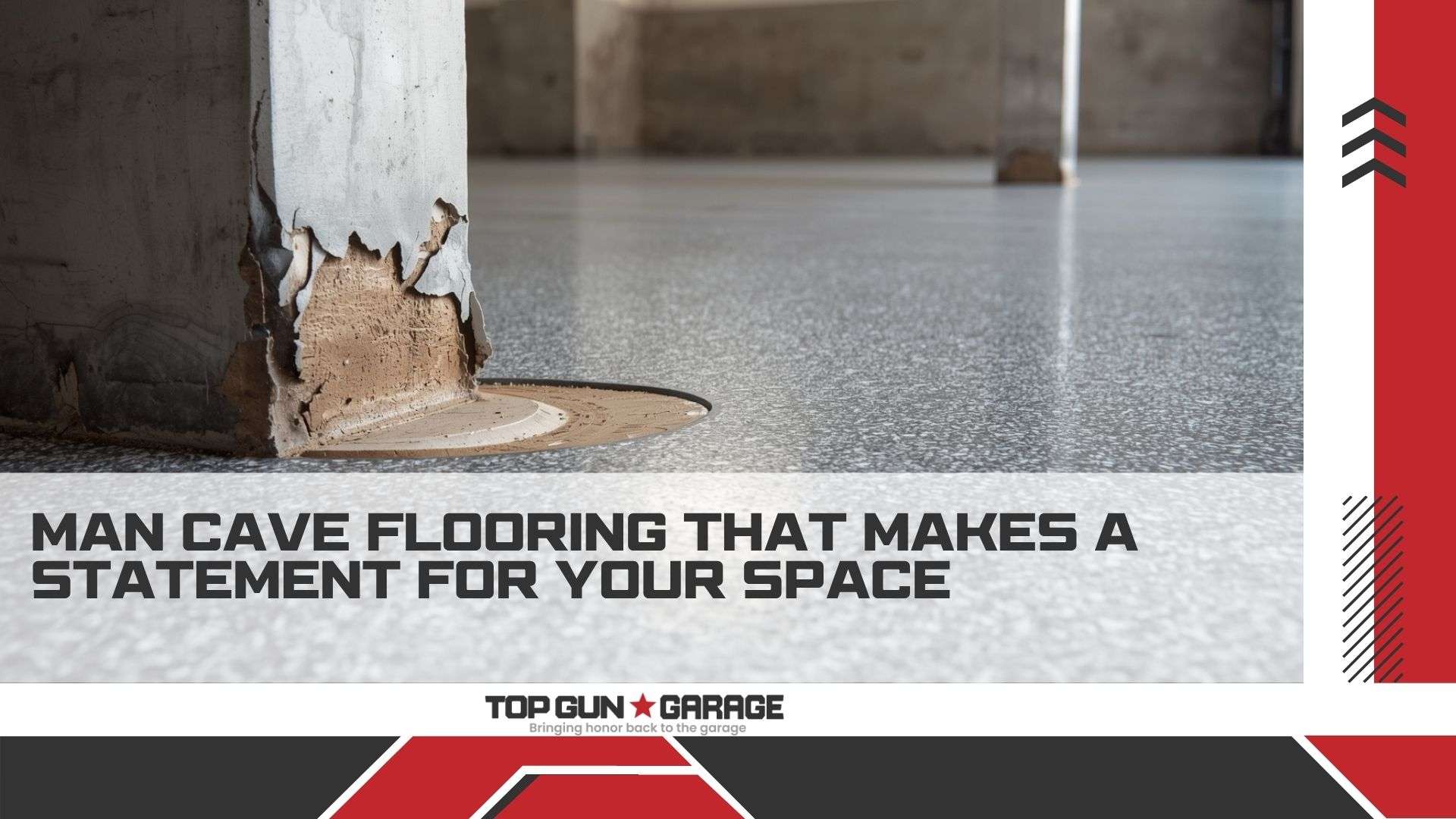
Proper surface preparation is the most critical factor in preventing garage coating edge peeling. The concrete substrate must be thoroughly cleaned, profiled, and prepared to ensure maximum coating adhesion. Edge areas require special attention due to their tendency to accumulate contaminants and their challenging geometry.
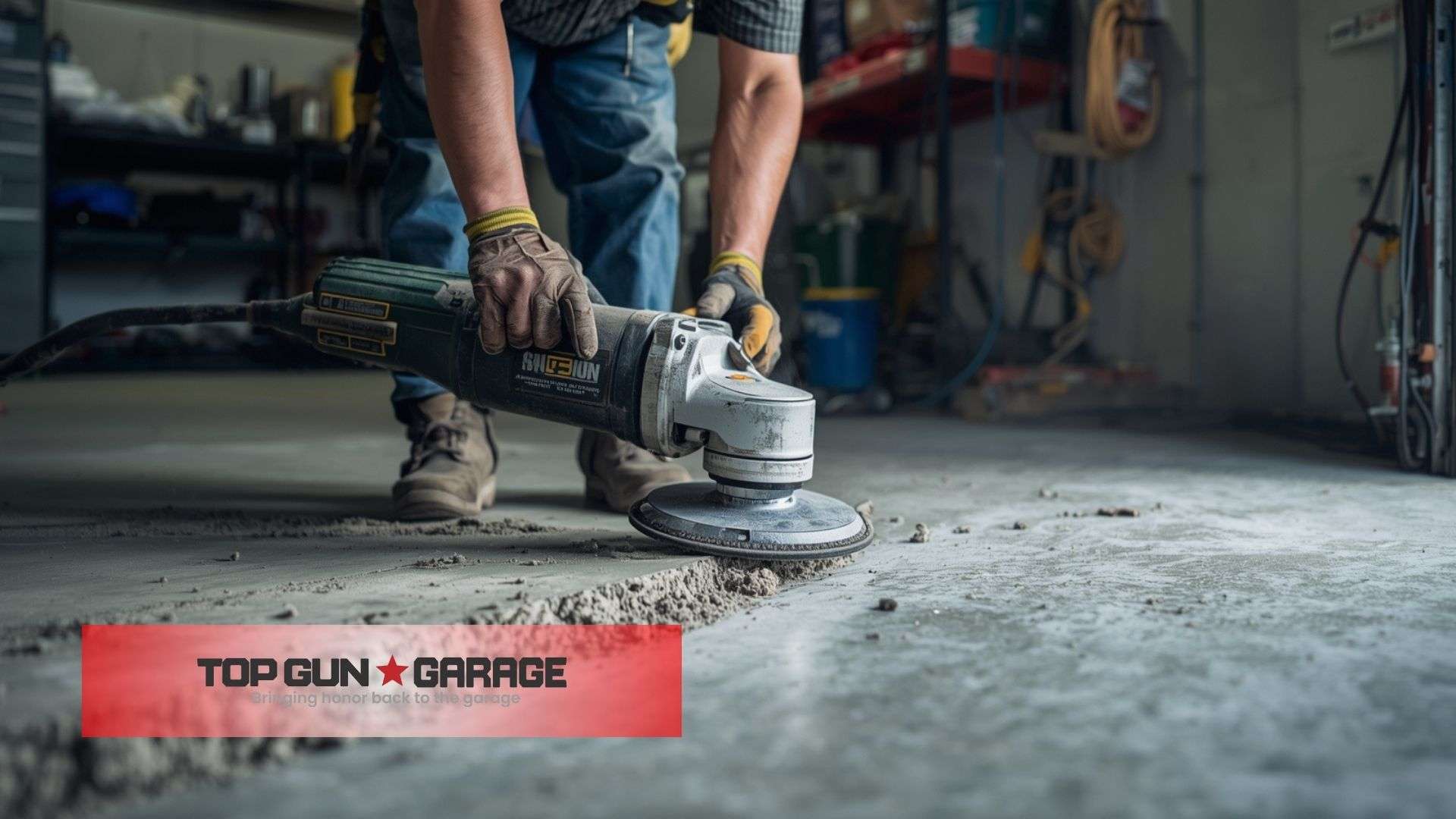
Mechanical preparation methods such as diamond grinding or shot blasting are essential for creating the proper surface profile. Edge areas often require hand grinding or specialized equipment to reach corners and transitions that larger machines cannot access. The goal is to achieve a uniform surface profile that provides adequate mechanical anchor points for the coating system.
Chemical contamination removal is particularly important at edges where oils, sealers, and other substances tend to accumulate. Degreasing agents, concrete etching solutions, and specialized cleaners may be necessary to remove all traces of contamination that could interfere with coating adhesion. Multiple cleaning cycles may be required to achieve the necessary cleanliness standards.
Moisture testing and control are crucial steps in edge preparation. Concrete moisture content should be measured using appropriate testing methods, and any sources of ongoing moisture infiltration must be addressed before coating application. This may involve sealing foundation cracks, improving drainage, or installing vapor barriers.
Surface defect repair is another essential preparation step. Cracks, spalls, and other concrete defects at edges must be properly repaired using compatible materials. These repairs should be allowed to cure completely and be prepared to the same standards as the surrounding concrete before coating application.
Material Selection and Compatibility Issues
The choice of coating materials significantly impacts edge performance and longevity. Not all garage floor coatings are created equal, and some formulations are better suited for challenging edge conditions than others. Understanding material properties and compatibility requirements is essential for preventing edge peeling problems.
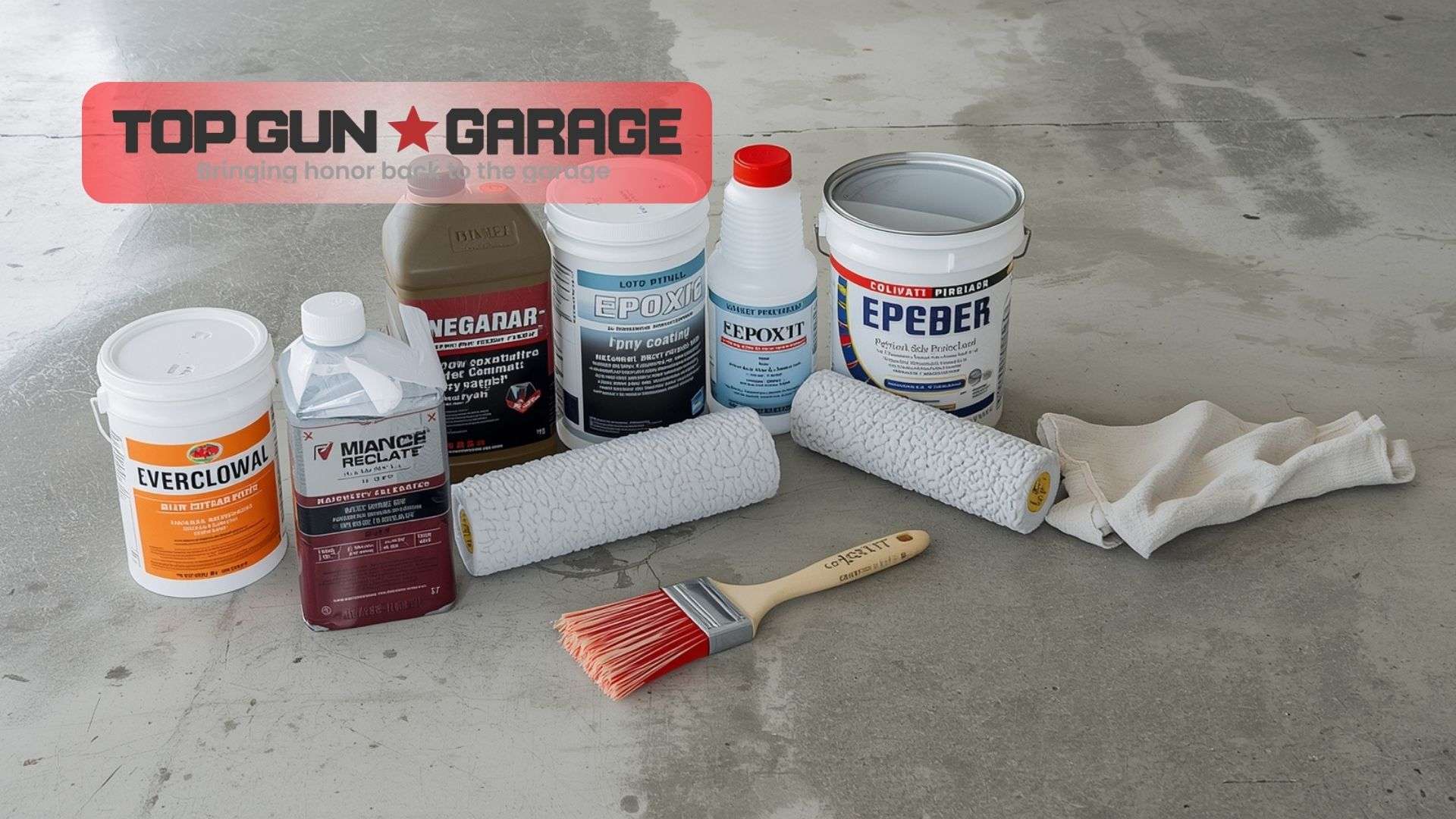
Epoxy coatings offer excellent adhesion and chemical resistance but can be sensitive to moisture and temperature variations during application. High-performance epoxy systems with enhanced flexibility and adhesion promoters are better suited for edge applications. These formulations typically include specialized resins and hardeners designed to accommodate substrate movement and environmental stress.
Polyurethane and polyurea coatings provide superior flexibility and impact resistance, making them excellent choices for areas subject to thermal cycling and mechanical stress. These materials can better accommodate the movement that occurs at floor edges without losing adhesion. However, they require careful surface preparation and may need specialized primers for optimal performance.
Primer selection is particularly critical for edge applications. Penetrating primers that soak into the concrete substrate provide superior adhesion compared to surface-forming primers. Some edge conditions may require specialized primers designed for difficult substrates or high-moisture environments. The primer must be compatible with both the substrate and the topcoat system.
Coating thickness considerations are important for edge performance. While thicker coatings generally provide better protection, excessive thickness can create internal stress that leads to adhesion failure. Edge areas may require modified application techniques to achieve optimal thickness without creating stress concentration points.
Application Techniques for Edge Success
Proper application techniques are essential for preventing garage coating edge peeling. Edge areas require modified procedures compared to main floor surfaces due to their unique geometry and stress conditions. Professional contractors develop specialized techniques to address these challenges and ensure long-term coating performance.
Temperature and humidity control during application is crucial for edge success. Coating materials should be applied within manufacturer-specified temperature ranges, and rapid temperature changes should be avoided during the cure period. Edge areas may be more sensitive to environmental conditions due to their proximity to exterior walls and openings.
Cutting-in procedures for edges require careful attention to maintain proper wet-edge conditions and achieve uniform coverage. Brush application is typically used for initial edge work, followed by roller application to blend the coating with the main floor surface. Multiple thin coats often provide better results than single thick applications.
Timing between coats is critical for achieving proper intercoat adhesion. Edge areas may cure at different rates than main floor surfaces due to environmental variations, requiring careful monitoring and adjusted timing. Manufacturers’ recommendations for recoat windows must be followed precisely to prevent adhesion problems.
Quality control measures during application include regular thickness measurements, adhesion testing, and visual inspection of edge areas. Any defects or irregularities should be addressed immediately while the coating is still workable. Documentation of application conditions and procedures helps identify potential problems and improve future projects.
Environmental Factors and Moisture Management
Environmental conditions play a crucial role in garage coating edge performance, with moisture being the most significant factor affecting long-term adhesion. Understanding and controlling these environmental influences is essential for preventing edge peeling and ensuring coating durability.
Moisture infiltration through foundation walls, floor slabs, or inadequate vapor barriers can create hydrostatic pressure that forces coatings to delaminate from the substrate. This problem is particularly acute at edges where moisture tends to accumulate and where the coating system may be thinner or less well-bonded. Comprehensive moisture testing and mitigation strategies are essential before coating application.
Relative humidity levels during application and cure significantly impact coating performance. High humidity can interfere with proper curing, while extremely low humidity can cause rapid solvent evaporation and poor flow characteristics. Edge areas may experience different humidity conditions than central floor areas due to air circulation patterns and proximity to exterior walls.
Temperature cycling causes concrete substrates to expand and contract, creating stress at the coating interface. Edge areas are particularly susceptible to this movement because they experience greater temperature variations and have less area to distribute stress. Coating systems must be selected and applied to accommodate this movement without losing adhesion.
Vapor transmission through concrete substrates can create ongoing moisture problems that lead to coating failure. Vapor barrier systems or moisture-mitigating primers may be necessary to prevent moisture-related edge peeling. These systems must be properly selected and installed to be effective in the specific environmental conditions present.
Drainage and water management around the garage structure affect moisture levels in edge areas. Poor drainage, leaking gutters, or inadequate grading can create moisture problems that compromise coating adhesion. These issues should be addressed as part of a comprehensive approach to preventing edge peeling problems.
Frequently Asked Questions
Why do garage coatings peel specifically at the edges rather than in the middle?
Edge areas experience unique stresses including thermal expansion, moisture infiltration, and structural movement that don’t affect central floor areas as severely. The transition from horizontal to vertical surfaces also creates natural stress concentration points where coatings are more likely to fail.
Can edge peeling be repaired, or does the entire floor need to be recoated?
Minor edge peeling can often be repaired by removing the loose coating, properly preparing the affected area, and applying new coating material. However, extensive peeling may indicate underlying problems that require complete floor refinishing for a lasting solution.
How long should I wait after concrete installation before applying garage floor coating?
New concrete should cure for at least 28 days before coating application to ensure adequate strength and moisture stabilization. However, floor moisture testing should always be performed regardless of cure time to verify readiness for coating.
What role does concrete age play in coating adhesion at edges?
Older concrete may have surface contamination, carbonation, or previous sealers that interfere with coating adhesion. Newer concrete may have high moisture content or surface laitance that requires removal. Both conditions require appropriate surface preparation for successful coating application.
Are there specific coating types that perform better at edges?
Flexible coating systems such as polyurethanes and polyureas generally perform better at edges because they can accommodate substrate movement. High-quality epoxy systems with flexibility modifiers also provide good edge performance when properly applied.
How important is primer application for preventing edge peeling?
Primer application is crucial for edge performance, as these areas often have different porosity and contamination levels than main floor surfaces. Understanding primer types and their specific applications provides the best adhesion foundation for topcoat systems.
What environmental conditions should be avoided during garage floor coating application?
Avoid application during extreme temperatures, high humidity, rapid weather changes, or when rain is expected during the cure period. Edge areas are particularly sensitive to environmental conditions due to their proximity to exterior walls and openings.
How can I tell if my garage floor edges are properly prepared for coating?
Properly prepared edges should be clean, dry, and have a uniform surface profile with no visible contamination. Water droplet testing can verify adequate surface energy, and pull-off testing can confirm coating adhesion after application.
Conclusion
Understanding why some garage coatings peel at edges is essential for anyone seeking to achieve a durable, long-lasting floor coating system. The unique challenges presented by edge areas – including environmental stress, moisture exposure, application difficulties, and substrate movement – require specialized attention and proven prevention strategies. By addressing these factors proactively, property owners can avoid the frustration and expense of coating failure.
The key to preventing edge peeling lies in comprehensive surface preparation, appropriate material selection, proper application techniques, and ongoing environmental management. Each of these elements plays a crucial role in ensuring coating adhesion and longevity. Professional contractors like Top Gun Garage understand these complexities and employ proven methods to deliver superior results that stand the test of time.
Investing in proper preparation and professional installation may require a higher initial investment, but it pays dividends in terms of coating performance and longevity. The cost of preventing edge peeling is significantly lower than the expense of dealing with coating failure and the associated repairs. By following the principles outlined in this guide, property owners can enjoy beautiful, durable garage floors that maintain their integrity for years to come.
For those experiencing garage floor coating issues or planning a new coating project, consulting with experienced professionals ensures that all factors contributing to edge peeling are properly addressed. The combination of technical knowledge, quality materials, and proven application techniques provides the best foundation for coating success and long-term satisfaction with your garage floor investment.
 Skip to content



 Garage floor edges encounter different loading patterns compared to central areas. Vehicle traffic, equipment placement, and foot traffic create dynamic forces that can stress the coating-to-substrate bond. Additionally, the transition from horizontal to vertical surfaces creates natural stress concentration points where coatings are more susceptible to mechanical failure.
Environmental factors play a significant role in edge coating performance. Temperature variations between indoor and outdoor conditions cause the concrete substrate to expand and contract, creating movement that can break the coating bond. Moisture infiltration through foundation walls or inadequate vapor barriers can also compromise adhesion by creating hydrostatic pressure beneath the coating.
The geometry of edge areas presents unique application challenges. Achieving uniform coating thickness and proper wet-edge maintenance becomes more difficult when working around obstacles, corners, and vertical transitions. These application variables can result in weak spots that become initiation points for peeling and delamination.
Garage floor edges encounter different loading patterns compared to central areas. Vehicle traffic, equipment placement, and foot traffic create dynamic forces that can stress the coating-to-substrate bond. Additionally, the transition from horizontal to vertical surfaces creates natural stress concentration points where coatings are more susceptible to mechanical failure.
Environmental factors play a significant role in edge coating performance. Temperature variations between indoor and outdoor conditions cause the concrete substrate to expand and contract, creating movement that can break the coating bond. Moisture infiltration through foundation walls or inadequate vapor barriers can also compromise adhesion by creating hydrostatic pressure beneath the coating.
The geometry of edge areas presents unique application challenges. Achieving uniform coating thickness and proper wet-edge maintenance becomes more difficult when working around obstacles, corners, and vertical transitions. These application variables can result in weak spots that become initiation points for peeling and delamination.
 Epoxy coatings offer excellent adhesion and chemical resistance but can be sensitive to moisture and temperature variations during application. High-performance epoxy systems with enhanced flexibility and adhesion promoters are better suited for edge applications. These formulations typically include specialized resins and hardeners designed to accommodate substrate movement and environmental stress.
Polyurethane and polyurea coatings provide superior flexibility and impact resistance, making them excellent choices for areas subject to thermal cycling and mechanical stress. These materials can better accommodate the movement that occurs at floor edges without losing adhesion. However, they require careful surface preparation and may need specialized primers for optimal performance.
Primer selection is particularly critical for edge applications. Penetrating primers that soak into the concrete substrate provide superior adhesion compared to surface-forming primers. Some edge conditions may require specialized primers designed for difficult substrates or high-moisture environments. The primer must be compatible with both the substrate and the topcoat system.
Coating thickness considerations are important for edge performance. While thicker coatings generally provide better protection, excessive thickness can create internal stress that leads to adhesion failure. Edge areas may require modified application techniques to achieve optimal thickness without creating stress concentration points.
Epoxy coatings offer excellent adhesion and chemical resistance but can be sensitive to moisture and temperature variations during application. High-performance epoxy systems with enhanced flexibility and adhesion promoters are better suited for edge applications. These formulations typically include specialized resins and hardeners designed to accommodate substrate movement and environmental stress.
Polyurethane and polyurea coatings provide superior flexibility and impact resistance, making them excellent choices for areas subject to thermal cycling and mechanical stress. These materials can better accommodate the movement that occurs at floor edges without losing adhesion. However, they require careful surface preparation and may need specialized primers for optimal performance.
Primer selection is particularly critical for edge applications. Penetrating primers that soak into the concrete substrate provide superior adhesion compared to surface-forming primers. Some edge conditions may require specialized primers designed for difficult substrates or high-moisture environments. The primer must be compatible with both the substrate and the topcoat system.
Coating thickness considerations are important for edge performance. While thicker coatings generally provide better protection, excessive thickness can create internal stress that leads to adhesion failure. Edge areas may require modified application techniques to achieve optimal thickness without creating stress concentration points.
 Moisture infiltration through foundation walls, floor slabs, or inadequate vapor barriers can create hydrostatic pressure that forces coatings to delaminate from the substrate. This problem is particularly acute at edges where moisture tends to accumulate and where the coating system may be thinner or less well-bonded. Comprehensive moisture testing and mitigation strategies are essential before coating application.
Relative humidity levels during application and cure significantly impact coating performance. High humidity can interfere with proper curing, while extremely low humidity can cause rapid solvent evaporation and poor flow characteristics. Edge areas may experience different humidity conditions than central floor areas due to air circulation patterns and proximity to exterior walls.
Temperature cycling causes concrete substrates to expand and contract, creating stress at the coating interface. Edge areas are particularly susceptible to this movement because they experience greater temperature variations and have less area to distribute stress. Coating systems must be selected and applied to accommodate this movement without losing adhesion.
Vapor transmission through concrete substrates can create ongoing moisture problems that lead to coating failure. Vapor barrier systems or moisture-mitigating primers may be necessary to prevent moisture-related edge peeling. These systems must be properly selected and installed to be effective in the specific environmental conditions present.
Drainage and water management around the garage structure affect moisture levels in edge areas. Poor drainage, leaking gutters, or inadequate grading can create moisture problems that compromise coating adhesion. These issues should be addressed as part of a comprehensive approach to preventing edge peeling problems.
Moisture infiltration through foundation walls, floor slabs, or inadequate vapor barriers can create hydrostatic pressure that forces coatings to delaminate from the substrate. This problem is particularly acute at edges where moisture tends to accumulate and where the coating system may be thinner or less well-bonded. Comprehensive moisture testing and mitigation strategies are essential before coating application.
Relative humidity levels during application and cure significantly impact coating performance. High humidity can interfere with proper curing, while extremely low humidity can cause rapid solvent evaporation and poor flow characteristics. Edge areas may experience different humidity conditions than central floor areas due to air circulation patterns and proximity to exterior walls.
Temperature cycling causes concrete substrates to expand and contract, creating stress at the coating interface. Edge areas are particularly susceptible to this movement because they experience greater temperature variations and have less area to distribute stress. Coating systems must be selected and applied to accommodate this movement without losing adhesion.
Vapor transmission through concrete substrates can create ongoing moisture problems that lead to coating failure. Vapor barrier systems or moisture-mitigating primers may be necessary to prevent moisture-related edge peeling. These systems must be properly selected and installed to be effective in the specific environmental conditions present.
Drainage and water management around the garage structure affect moisture levels in edge areas. Poor drainage, leaking gutters, or inadequate grading can create moisture problems that compromise coating adhesion. These issues should be addressed as part of a comprehensive approach to preventing edge peeling problems.