Construction projects can transform your home, but they often come with an unexpected casualty: your garage floor. Whether you’re renovating your kitchen, adding a new room, or undertaking a major home improvement project, your garage frequently becomes the staging area for materials, tools, and equipment. Without proper protection, what starts as a convenient workspace can quickly turn into a costly flooring disaster.
The garage floor endures more abuse during construction than most homeowners realize. Heavy equipment rolling across the surface, chemical spills from various materials, paint drips, concrete dust, and the constant traffic of workers and materials can cause permanent damage to both concrete and finished flooring surfaces. The cost of repairing or replacing a damaged garage floor can easily reach thousands of dollars, making prevention far more economical than restoration.
Understanding garage floor care during construction projects isn’t just about laying down a tarp and hoping for the best. It requires a strategic approach that considers the type of flooring you have, the nature of your construction project, and the specific risks involved. Different construction activities pose unique threats to your garage floor, from the acidic nature of certain building materials to the weight of heavy machinery that might exceed your floor’s load capacity.
Professional contractors and experienced homeowners know that protecting garage floors during construction is an investment that pays dividends. Not only does it preserve the aesthetic appeal of your garage, but it also maintains the structural integrity of the flooring system and prevents costly repairs that could delay your project completion. The right protection strategy can mean the difference between a successful renovation and an expensive mistake that haunts you long after the construction dust settles.
This comprehensive guide will walk you through everything you need to know about safeguarding your garage floor during construction activities. From understanding the vulnerabilities of different flooring types to implementing professional-grade protection strategies, you’ll learn how to keep your garage floor in pristine condition while your construction project unfolds around it.
Key Takeaways
Early planning prevents expensive repairs: Implementing garage floor protection before construction begins costs significantly less than repairing damage after the fact. Most floor damage during construction is preventable with proper preparation and the right protective materials.
Different flooring types require specific protection strategies: Concrete floors, epoxy-coated surfaces, and tile installations each have unique vulnerabilities that demand tailored protection approaches. Understanding your floor type is crucial for selecting appropriate protective measures.
Layered protection offers maximum security: The most effective protection systems combine multiple materials and techniques, creating redundant barriers against different types of damage including impact, chemical exposure, and abrasion.
Regular maintenance during construction is essential: Protection isn’t a set-and-forget solution. Regular inspection, cleaning, and adjustment of protective materials ensures continued effectiveness throughout the construction timeline.
Professional consultation can save money: Consulting with flooring experts before major construction projects helps identify potential risks and implement appropriate protection strategies, often preventing costly mistakes that DIY approaches might miss.
Quality materials make a significant difference: Investing in professional-grade protective materials rather than basic household items provides superior protection and often proves more cost-effective over the duration of extended construction projects.
Documentation protects your investment: Photographing your garage floor before construction and maintaining records of protection measures can be valuable for insurance claims and contractor accountability.
Understanding Garage Floor Vulnerabilities During Construction
Construction activities create a perfect storm of conditions that can damage garage floors in ways that normal use never would. Understanding these vulnerabilities is the first step in developing an effective protection strategy that addresses the specific risks your project will encounter.
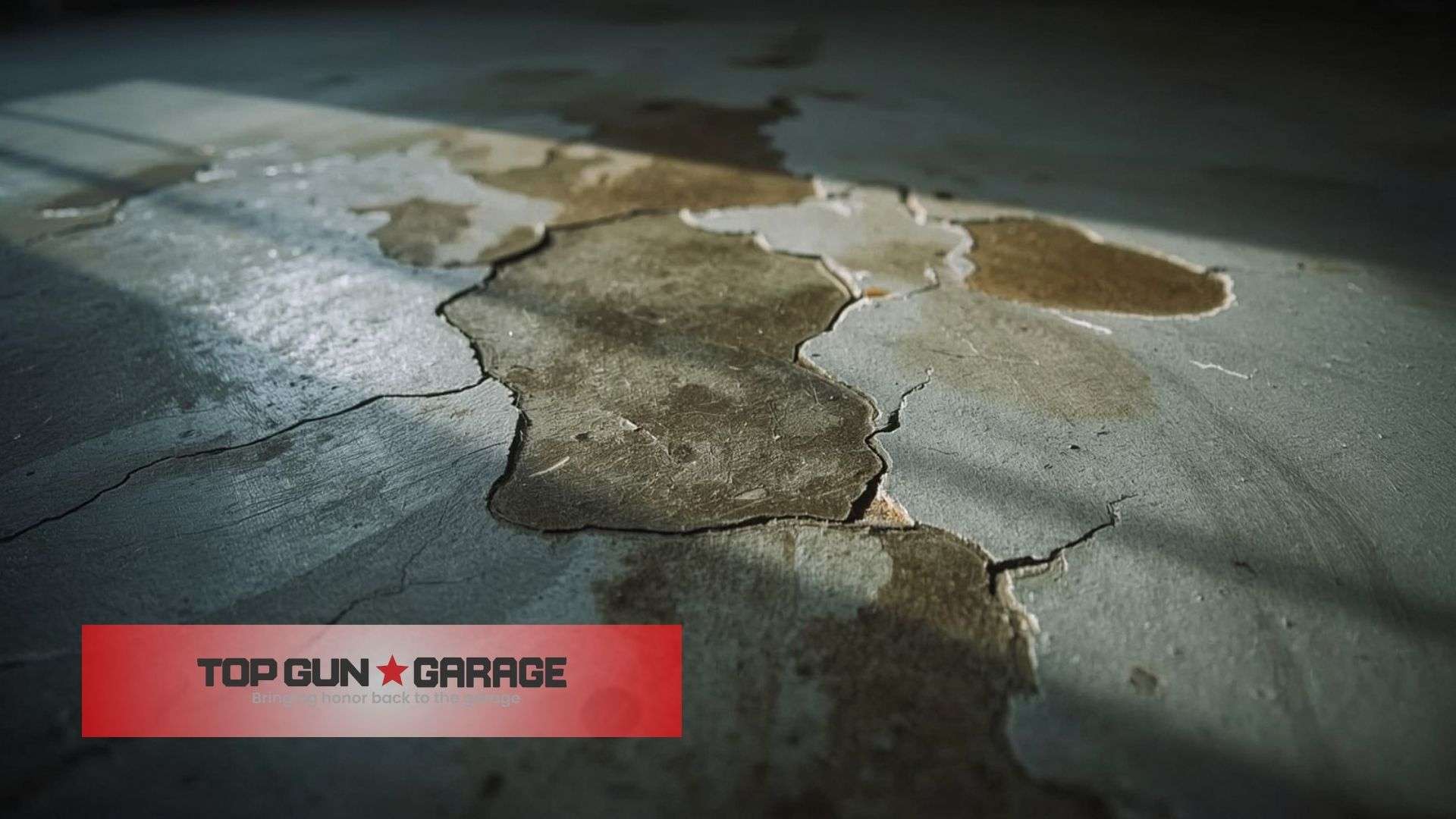
Physical impact represents one of the most immediate threats to garage floors during construction. Heavy tools dropped from height, equipment dragged across surfaces, and the repeated impact of construction activities can chip concrete, crack tiles, or damage protective coatings. Even seemingly minor impacts can create weak points that develop into larger problems over time, especially when combined with other stress factors.
Chemical exposure poses another significant risk that many homeowners underestimate. Construction materials like concrete mix, paint thinners, adhesives, and cleaning solvents can permanently stain or chemically etch garage floors. These substances often have acidic or alkaline properties that react with flooring materials, creating discoloration or surface degradation that’s impossible to reverse without professional restoration.
Abrasion from constant foot traffic and equipment movement gradually wears down floor surfaces, particularly problematic for finished floors with protective coatings. The combination of construction dust acting as an abrasive and increased traffic patterns can accelerate wear that would normally take years to develop. This gradual damage often goes unnoticed until the construction project ends and the protective materials are removed.
Moisture-related damage becomes particularly concerning during construction projects that involve wet processes like concrete work, painting, or plumbing installation. Excess moisture can penetrate concrete floors, leading to efflorescence, mold growth, or structural weakening. For finished floors, moisture can cause delamination of coatings or damage to underlying substrates.
Essential Protection Materials and Techniques
Selecting the right protection materials forms the foundation of any successful garage floor care strategy during construction. The key lies in understanding that different materials serve different purposes, and the most effective protection systems typically combine multiple layers of defense against various types of damage.
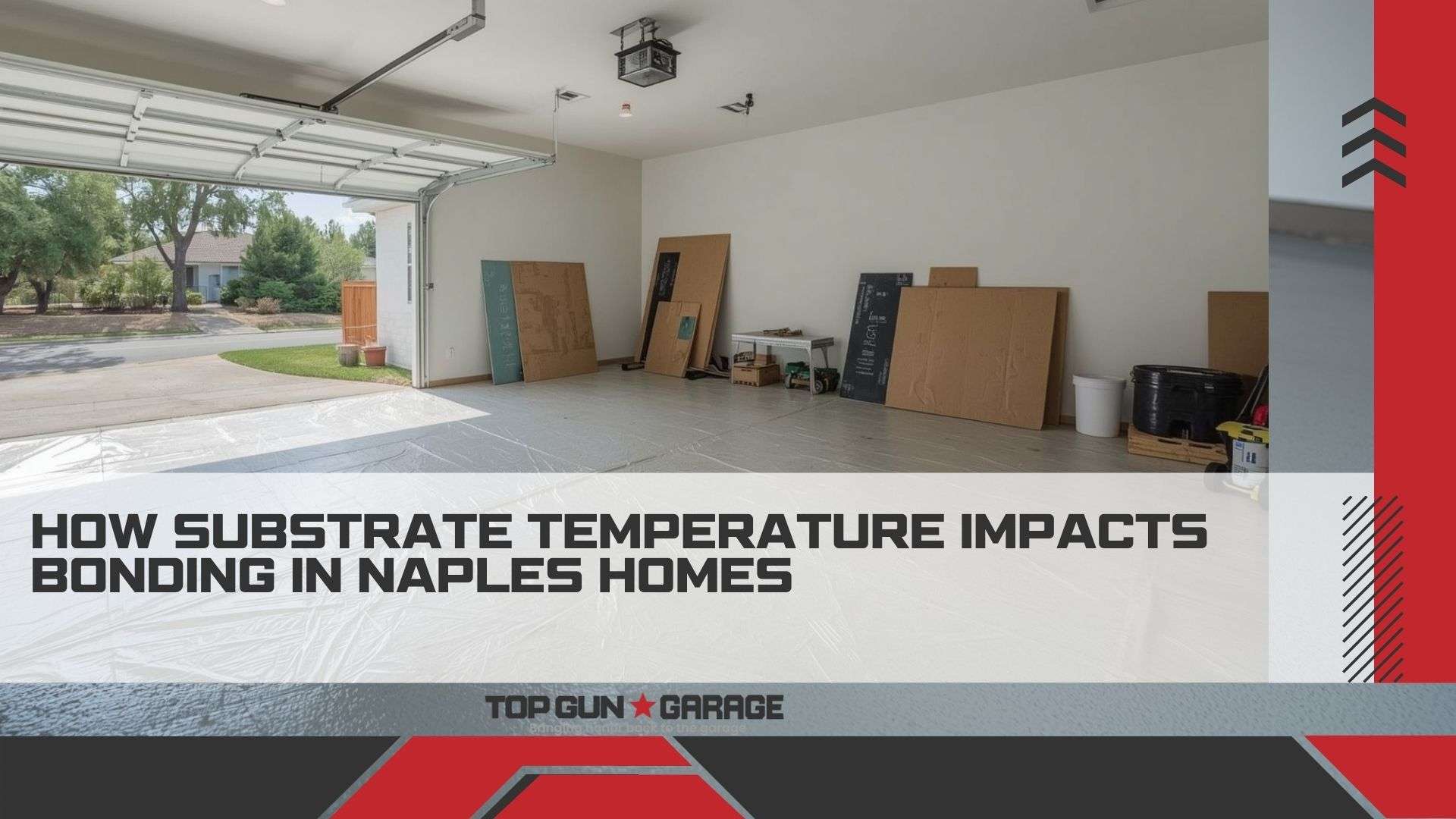
Heavy-duty plastic sheeting serves as the primary moisture barrier and provides basic protection against spills and chemical exposure. However, not all plastic sheeting is created equal. Construction-grade polyethylene sheeting with a minimum thickness of 6 mils offers superior puncture resistance and durability compared to standard household plastic. For extended construction projects, consider reinforced plastic sheeting that incorporates fabric backing for additional strength.
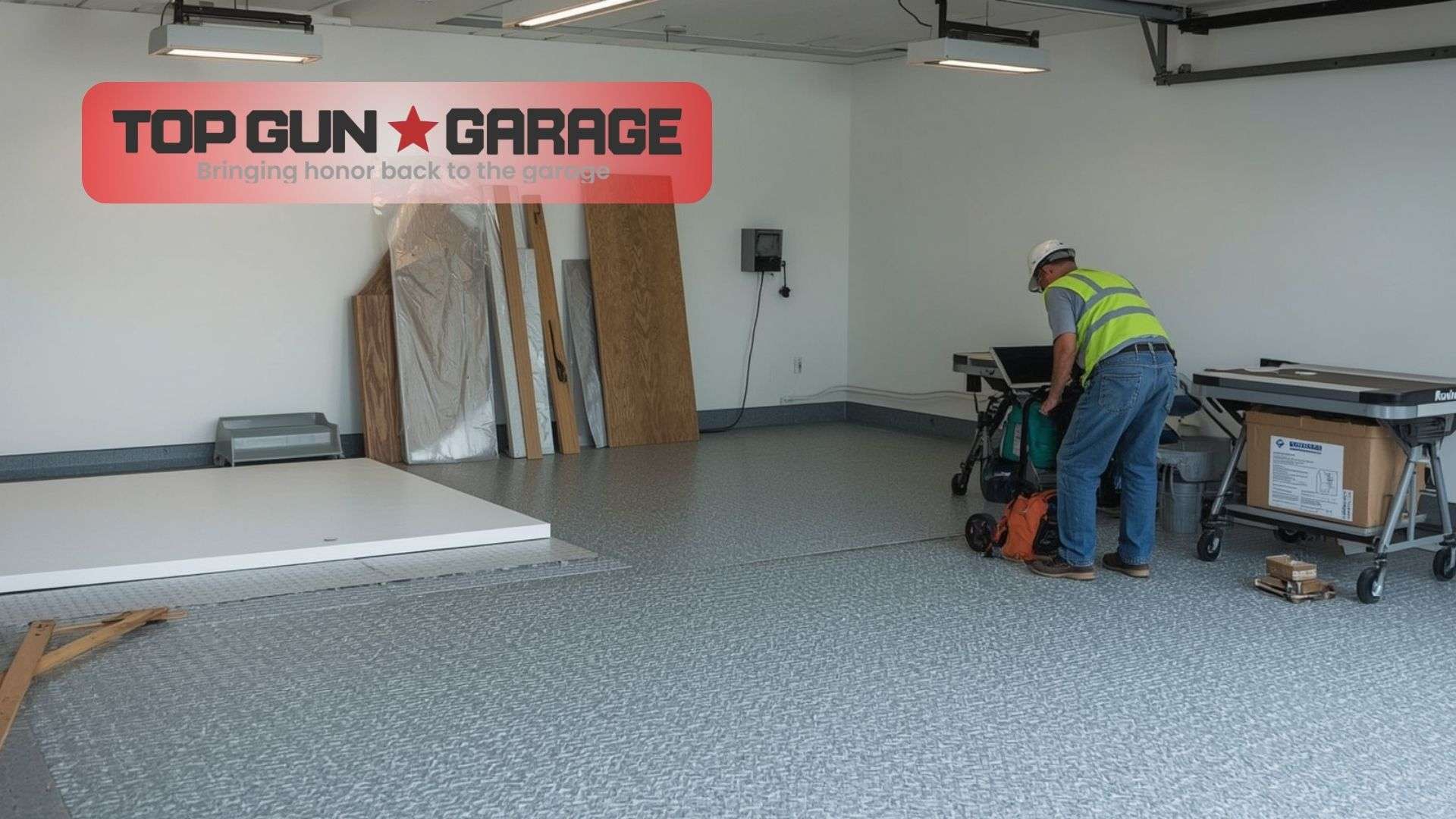
Protective board materials create a crucial buffer against impact damage and heavy loads. Options range from corrugated cardboard for light-duty protection to specialized construction board products designed for heavy equipment. Oriented strand board (OSB) or plywood provides excellent protection for areas that will support heavy machinery, while corrugated plastic boards offer reusable protection for moderate-duty applications.
Specialized floor protection films represent the premium option for valuable finished floors. These self-adhesive films bond temporarily to floor surfaces, providing protection against scratches, stains, and minor impacts while allowing for easy removal without residue. Though more expensive than basic materials, these films offer superior protection for high-end garage floors with decorative coatings or finishes.
Proper installation techniques are just as important as material selection. Begin by thoroughly cleaning the garage floor to remove any debris that could puncture protective materials or create uneven surfaces. Apply materials in overlapping layers, with each seam properly sealed to prevent moisture infiltration or material displacement.
Securing protection materials requires careful attention to prevent shifting or bunching that could create trip hazards or leave areas exposed. Use appropriate fastening methods for your specific floor type, whether that’s weighted edges for temporary installations or specialized adhesives for longer-term protection. Regular inspection and adjustment of protection materials ensures continued effectiveness throughout the construction timeline.
Preventing Chemical Damage and Staining
Chemical damage represents one of the most insidious threats to garage floors during construction because it often occurs gradually and may not become apparent until after the damage is permanent. Understanding the chemical properties of common construction materials and implementing appropriate preventive measures can save thousands of dollars in floor restoration costs.
Concrete floors are particularly vulnerable to acid etching from materials like muriatic acid, certain cleaning products, and even some paint strippers. These acidic substances react with the calcium compounds in concrete, creating permanent pitting and discoloration that cannot be reversed through normal cleaning methods. The reaction occurs quickly, often within minutes of contact, making immediate response crucial when spills occur.
Paint and solvent spills create both immediate staining risks and long-term chemical damage potential. Oil-based paints and their associated solvents can penetrate porous concrete surfaces, creating stains that extend deep below the surface. Even water-based products can cause staining on unsealed concrete, and the cleanup process often involves harsh chemicals that can cause additional damage if not properly managed.
Adhesive materials present unique challenges because they’re designed to bond permanently with surfaces. Construction adhesives, tile mastics, and similar products can create virtually impossible-to-remove stains and residues on garage floors. Prevention is particularly critical with these materials because removal often requires aggressive mechanical or chemical methods that can damage the floor surface.
Creating designated work zones helps contain potential chemical spills and makes cleanup more manageable. Establish specific areas for activities involving hazardous materials, and ensure these zones have enhanced protection including chemical-resistant barriers and immediate spill response materials. This approach limits the potential impact area and makes it easier to implement targeted protection measures.
Immediate spill response protocols can mean the difference between minor cleanup and permanent damage. Maintain spill cleanup materials readily available, including absorbent materials, neutralizing agents for acidic spills, and appropriate personal protective equipment. Train all workers on proper spill response procedures, emphasizing the importance of immediate action rather than delayed cleanup.
Chemical-resistant barrier systems provide the most reliable protection against chemical damage. These systems typically combine chemical-resistant plastic sheeting with absorbent backing materials that can contain and neutralize spills before they reach the floor surface. While more expensive than basic protection, these systems are essential for projects involving significant chemical exposure risks.
Managing Heavy Equipment and Load Distribution
Heavy equipment operation during construction projects can cause structural damage to garage floors that extends far beyond surface scratches or cosmetic issues. Understanding load distribution principles and implementing appropriate protective measures ensures that your garage floor can safely support construction activities without sustaining permanent damage.
Weight distribution becomes critical when garage floors must support equipment that exceeds normal design loads. Most residential garage floors are designed for standard vehicle loads distributed across four contact points. Construction equipment often concentrates much higher loads into smaller contact areas, creating stress concentrations that can crack concrete or damage floor finishes. Understanding the load capacity of your specific floor is essential before allowing heavy equipment access.
Point loading represents the greatest risk to garage floor integrity during construction. Equipment with small wheels, narrow tracks, or concentrated support points can create pressure levels that exceed the floor’s capacity, leading to cracking, spalling, or structural failure. These problems often develop gradually and may not become apparent until after the equipment is removed and the damage assessment begins.
Load distribution systems help spread equipment weight across larger floor areas, reducing point loading and minimizing damage risk. Temporary flooring systems using thick plywood, steel plates, or specialized load distribution mats can effectively distribute heavy loads across sufficient floor area to prevent damage. The key is ensuring that the distribution system itself is properly designed and installed to transfer loads effectively.
Equipment pathway planning prevents damage from repeated traffic patterns and helps identify areas requiring enhanced protection. Establishing designated routes for heavy equipment movement allows you to concentrate protection efforts on high-traffic areas while preserving the rest of the garage floor. These pathways should be clearly marked and consistently used throughout the construction project.
Vibration control becomes important when construction activities involve jackhammering, heavy machinery operation, or other vibration-generating processes. Excessive vibration can cause micro-cracking in concrete floors or delamination of protective coatings. Vibration-dampening materials and proper equipment mounting can help minimize these effects and preserve floor integrity.
Regular monitoring of protected areas helps identify potential problems before they become serious damage. Daily inspection of load distribution systems, pathway conditions, and equipment contact points allows for immediate adjustment of protection measures. This proactive approach prevents minor issues from developing into major floor damage that could require expensive repairs.
Maintenance and Monitoring During Construction
Effective garage floor protection extends far beyond initial installation of protective materials. Ongoing maintenance and monitoring throughout the construction project ensures that protection systems continue to function effectively and identifies potential problems before they result in floor damage.
Daily inspection routines should become standard practice for any construction project involving garage floor protection. These inspections focus on identifying displaced protection materials, accumulated debris, moisture infiltration, or signs of damage to the protection system itself. Early identification of these issues allows for immediate corrective action before floor damage occurs.
Protection material integrity requires regular assessment because construction activities can gradually degrade even high-quality protective materials. Plastic sheeting may develop tears or punctures, protective boards can become saturated with moisture or chemicals, and adhesive films may begin to lift or fail. Regular replacement of compromised materials maintains the effectiveness of the protection system throughout the project timeline.
Debris management plays a crucial role in maintaining floor protection effectiveness. Construction debris, particularly sharp objects like nails, screws, or metal shavings, can puncture protective materials and create pathways for damage to reach the floor surface. Regular cleanup and debris removal prevents these materials from accumulating and compromising the protection system.
Moisture control becomes particularly important during extended construction projects or in humid conditions. Trapped moisture beneath protective materials can lead to mold growth, concrete degradation, or coating delamination. Regular monitoring for moisture accumulation and proper ventilation helps prevent these moisture-related problems from developing.
Documentation of protection system condition provides valuable information for project management and potential insurance claims. Regular photography of protected areas, maintenance logs, and incident reports create a comprehensive record of protection efforts and any issues that arise during construction. This documentation can be invaluable if disputes arise regarding floor damage or protection adequacy.
Adaptive protection strategies allow for modification of protection systems as construction activities change. Different phases of construction may present different risks to garage floors, requiring adjustment of protection materials or techniques. Flexibility in protection approaches ensures optimal floor protection throughout all phases of the construction project.
Worker education and enforcement ensures that protection measures remain effective throughout the project. All workers should understand the importance of floor protection, proper procedures for working in protected areas, and immediate response protocols for accidents or spills. Regular reinforcement of these procedures helps maintain protection system integrity even with changing work crews or project phases.
Professional Solutions from Top Gun Garage
When construction projects demand the highest level of garage floor protection, professional solutions offer the expertise and specialized materials that ensure complete floor preservation. Top Gun Garage brings years of experience in garage floor protection and restoration, providing comprehensive solutions that address even the most challenging construction scenarios.
Professional assessment services help identify specific risks and develop customized protection strategies tailored to your unique project requirements. Top Gun Garage’s experienced team evaluates factors including floor type, construction activities, project duration, and environmental conditions to design protection systems that address all potential threats to your garage floor investment.
Specialized protection materials available through professional contractors often provide superior performance compared to standard consumer products. These materials are designed specifically for construction environments and offer enhanced durability, chemical resistance, and ease of installation. Professional-grade protection systems can often pay for themselves by preventing damage that would cost thousands to repair.
Installation expertise ensures that protection systems are properly implemented for maximum effectiveness. Improper installation of even high-quality materials can leave floors vulnerable to damage, while professional installation techniques maximize protection while minimizing installation time and disruption to construction activities. Top Gun Garage’s installation teams understand the nuances of different protection systems and ensure optimal performance.
Ongoing support throughout construction projects provides peace of mind and ensures continued protection effectiveness. Professional contractors can provide regular inspection services, maintenance support, and rapid response to protection system issues. This ongoing relationship helps prevent problems and ensures that protection systems continue to function effectively throughout extended construction timelines.
Post-construction restoration services address any damage that may occur despite protection efforts. Even the best protection systems cannot prevent all potential damage, and professional restoration services can address issues ranging from minor surface damage to comprehensive floor refinishing. Top Gun Garage’s restoration capabilities ensure that your garage floor can be returned to pristine condition regardless of construction impacts.
Frequently Asked Questions
How long before construction should I install floor protection? Install garage floor protection immediately before construction activities begin, ideally within 24-48 hours of project start. This timing ensures maximum protection while preventing premature wear or damage to the protection materials themselves.
Can I reuse protection materials for multiple projects? Some protection materials like plastic boards and certain films can be reused if they remain in good condition. However, adhesive films and damaged materials should be replaced. Inspect all materials carefully before reuse to ensure continued effectiveness.
What’s the difference between construction-grade and standard plastic sheeting? Construction-grade plastic sheeting is typically thicker (6+ mils), more puncture-resistant, and often includes UV stabilizers for extended outdoor exposure. Standard household plastic is thinner and more prone to tearing under construction conditions.
How do I protect floors from paint overspray? Use a combination of plastic sheeting and masking techniques to create barriers against overspray. Ensure complete coverage with overlapping seams, and consider using specialized masking films that provide superior adhesion and clean removal.
Is it worth protecting an old concrete floor that’s already damaged? Yes, protecting even damaged floors prevents additional deterioration and makes future restoration more cost-effective. Existing damage doesn’t justify allowing further damage that could make restoration more difficult or expensive.
What should I do if protection materials become damaged during construction? Replace damaged protection materials immediately to prevent floor damage. Keep spare materials on hand for quick repairs, and inspect protection systems daily to identify and address damage promptly.
How do I know if my garage floor can support heavy construction equipment? Consult with a structural engineer or experienced contractor to evaluate your floor’s load capacity. Most residential garage floors are designed for vehicle loads, but heavy construction equipment may exceed these design limits.
Can floor protection materials create slip hazards? Improperly installed protection materials can create slip hazards. Ensure materials are properly secured, eliminate wrinkles or bunching, and use appropriate fastening methods. Consider textured protection materials for areas with foot traffic.
Conclusion
Protecting your garage floor during construction projects is an investment that pays significant dividends in preserved property value and avoided repair costs. The strategies and techniques outlined in this guide provide a comprehensive framework for maintaining your garage floor’s integrity regardless of the construction activities taking place around it.
Success in garage floor care during construction projects depends on understanding the specific risks your project presents and implementing appropriate protective measures before damage occurs. From chemical spills and heavy equipment loads to simple abrasion from increased traffic, each threat requires specific countermeasures that work together to create a comprehensive protection system.
The key to effective floor protection lies in recognizing that prevention costs far less than restoration. While professional-grade protection materials and installation may seem expensive initially, they represent a fraction of the cost required to repair or replace damaged garage floors. The peace of mind that comes with knowing your floor is properly protected allows you to focus on your construction project without worrying about costly floor damage.
Whether you choose to implement protection measures yourself or work with professionals like Top Gun Garage, the important thing is to take action before construction begins. Once damage occurs, your options become limited to expensive restoration procedures that could have been avoided with proper planning and protection. Your garage floor represents a significant investment in your property, and protecting that investment during construction projects ensures it continues to serve you well for years to come.
 Skip to content



 Physical impact represents one of the most immediate threats to garage floors during construction. Heavy tools dropped from height, equipment dragged across surfaces, and the repeated impact of construction activities can chip concrete, crack tiles, or damage protective coatings. Even seemingly minor impacts can create weak points that develop into larger problems over time, especially when combined with other stress factors.
Chemical exposure poses another significant risk that many homeowners underestimate. Construction materials like concrete mix, paint thinners, adhesives, and cleaning solvents can permanently stain or chemically etch garage floors. These substances often have acidic or alkaline properties that react with flooring materials, creating discoloration or surface degradation that’s impossible to reverse without professional restoration.
Abrasion from constant foot traffic and equipment movement gradually wears down floor surfaces, particularly problematic for finished floors with protective coatings. The combination of construction dust acting as an abrasive and increased traffic patterns can accelerate wear that would normally take years to develop. This gradual damage often goes unnoticed until the construction project ends and the protective materials are removed.
Moisture-related damage becomes particularly concerning during construction projects that involve wet processes like concrete work, painting, or plumbing installation. Excess moisture can penetrate concrete floors, leading to efflorescence, mold growth, or structural weakening. For finished floors, moisture can cause delamination of coatings or damage to underlying substrates.
Physical impact represents one of the most immediate threats to garage floors during construction. Heavy tools dropped from height, equipment dragged across surfaces, and the repeated impact of construction activities can chip concrete, crack tiles, or damage protective coatings. Even seemingly minor impacts can create weak points that develop into larger problems over time, especially when combined with other stress factors.
Chemical exposure poses another significant risk that many homeowners underestimate. Construction materials like concrete mix, paint thinners, adhesives, and cleaning solvents can permanently stain or chemically etch garage floors. These substances often have acidic or alkaline properties that react with flooring materials, creating discoloration or surface degradation that’s impossible to reverse without professional restoration.
Abrasion from constant foot traffic and equipment movement gradually wears down floor surfaces, particularly problematic for finished floors with protective coatings. The combination of construction dust acting as an abrasive and increased traffic patterns can accelerate wear that would normally take years to develop. This gradual damage often goes unnoticed until the construction project ends and the protective materials are removed.
Moisture-related damage becomes particularly concerning during construction projects that involve wet processes like concrete work, painting, or plumbing installation. Excess moisture can penetrate concrete floors, leading to efflorescence, mold growth, or structural weakening. For finished floors, moisture can cause delamination of coatings or damage to underlying substrates.
 Concrete floors are particularly vulnerable to acid etching from materials like muriatic acid, certain cleaning products, and even some paint strippers. These acidic substances react with the calcium compounds in concrete, creating permanent pitting and discoloration that cannot be reversed through normal cleaning methods. The reaction occurs quickly, often within minutes of contact, making immediate response crucial when spills occur.
Paint and solvent spills create both immediate staining risks and long-term chemical damage potential. Oil-based paints and their associated solvents can penetrate porous concrete surfaces, creating stains that extend deep below the surface. Even water-based products can cause staining on unsealed concrete, and the cleanup process often involves harsh chemicals that can cause additional damage if not properly managed.
Adhesive materials present unique challenges because they’re designed to bond permanently with surfaces. Construction adhesives, tile mastics, and similar products can create virtually impossible-to-remove stains and residues on garage floors. Prevention is particularly critical with these materials because removal often requires aggressive mechanical or chemical methods that can damage the floor surface.
Creating designated work zones helps contain potential chemical spills and makes cleanup more manageable. Establish specific areas for activities involving hazardous materials, and ensure these zones have enhanced protection including chemical-resistant barriers and immediate spill response materials. This approach limits the potential impact area and makes it easier to implement targeted protection measures.
Immediate spill response protocols can mean the difference between minor cleanup and permanent damage. Maintain spill cleanup materials readily available, including absorbent materials, neutralizing agents for acidic spills, and appropriate personal protective equipment. Train all workers on proper spill response procedures, emphasizing the importance of immediate action rather than delayed cleanup.
Chemical-resistant barrier systems provide the most reliable protection against chemical damage. These systems typically combine chemical-resistant plastic sheeting with absorbent backing materials that can contain and neutralize spills before they reach the floor surface. While more expensive than basic protection, these systems are essential for projects involving significant chemical exposure risks.
Concrete floors are particularly vulnerable to acid etching from materials like muriatic acid, certain cleaning products, and even some paint strippers. These acidic substances react with the calcium compounds in concrete, creating permanent pitting and discoloration that cannot be reversed through normal cleaning methods. The reaction occurs quickly, often within minutes of contact, making immediate response crucial when spills occur.
Paint and solvent spills create both immediate staining risks and long-term chemical damage potential. Oil-based paints and their associated solvents can penetrate porous concrete surfaces, creating stains that extend deep below the surface. Even water-based products can cause staining on unsealed concrete, and the cleanup process often involves harsh chemicals that can cause additional damage if not properly managed.
Adhesive materials present unique challenges because they’re designed to bond permanently with surfaces. Construction adhesives, tile mastics, and similar products can create virtually impossible-to-remove stains and residues on garage floors. Prevention is particularly critical with these materials because removal often requires aggressive mechanical or chemical methods that can damage the floor surface.
Creating designated work zones helps contain potential chemical spills and makes cleanup more manageable. Establish specific areas for activities involving hazardous materials, and ensure these zones have enhanced protection including chemical-resistant barriers and immediate spill response materials. This approach limits the potential impact area and makes it easier to implement targeted protection measures.
Immediate spill response protocols can mean the difference between minor cleanup and permanent damage. Maintain spill cleanup materials readily available, including absorbent materials, neutralizing agents for acidic spills, and appropriate personal protective equipment. Train all workers on proper spill response procedures, emphasizing the importance of immediate action rather than delayed cleanup.
Chemical-resistant barrier systems provide the most reliable protection against chemical damage. These systems typically combine chemical-resistant plastic sheeting with absorbent backing materials that can contain and neutralize spills before they reach the floor surface. While more expensive than basic protection, these systems are essential for projects involving significant chemical exposure risks.
 Daily inspection routines should become standard practice for any construction project involving garage floor protection. These inspections focus on identifying displaced protection materials, accumulated debris, moisture infiltration, or signs of damage to the protection system itself. Early identification of these issues allows for immediate corrective action before floor damage occurs.
Protection material integrity requires regular assessment because construction activities can gradually degrade even high-quality protective materials. Plastic sheeting may develop tears or punctures, protective boards can become saturated with moisture or chemicals, and adhesive films may begin to lift or fail. Regular replacement of compromised materials maintains the effectiveness of the protection system throughout the project timeline.
Debris management plays a crucial role in maintaining floor protection effectiveness. Construction debris, particularly sharp objects like nails, screws, or metal shavings, can puncture protective materials and create pathways for damage to reach the floor surface. Regular cleanup and debris removal prevents these materials from accumulating and compromising the protection system.
Moisture control becomes particularly important during extended construction projects or in humid conditions. Trapped moisture beneath protective materials can lead to mold growth, concrete degradation, or coating delamination. Regular monitoring for moisture accumulation and proper ventilation helps prevent these moisture-related problems from developing.
Documentation of protection system condition provides valuable information for project management and potential insurance claims. Regular photography of protected areas, maintenance logs, and incident reports create a comprehensive record of protection efforts and any issues that arise during construction. This documentation can be invaluable if disputes arise regarding floor damage or protection adequacy.
Adaptive protection strategies allow for modification of protection systems as construction activities change. Different phases of construction may present different risks to garage floors, requiring adjustment of protection materials or techniques. Flexibility in protection approaches ensures optimal floor protection throughout all phases of the construction project.
Worker education and enforcement ensures that protection measures remain effective throughout the project. All workers should understand the importance of floor protection, proper procedures for working in protected areas, and immediate response protocols for accidents or spills. Regular reinforcement of these procedures helps maintain protection system integrity even with changing work crews or project phases.
Daily inspection routines should become standard practice for any construction project involving garage floor protection. These inspections focus on identifying displaced protection materials, accumulated debris, moisture infiltration, or signs of damage to the protection system itself. Early identification of these issues allows for immediate corrective action before floor damage occurs.
Protection material integrity requires regular assessment because construction activities can gradually degrade even high-quality protective materials. Plastic sheeting may develop tears or punctures, protective boards can become saturated with moisture or chemicals, and adhesive films may begin to lift or fail. Regular replacement of compromised materials maintains the effectiveness of the protection system throughout the project timeline.
Debris management plays a crucial role in maintaining floor protection effectiveness. Construction debris, particularly sharp objects like nails, screws, or metal shavings, can puncture protective materials and create pathways for damage to reach the floor surface. Regular cleanup and debris removal prevents these materials from accumulating and compromising the protection system.
Moisture control becomes particularly important during extended construction projects or in humid conditions. Trapped moisture beneath protective materials can lead to mold growth, concrete degradation, or coating delamination. Regular monitoring for moisture accumulation and proper ventilation helps prevent these moisture-related problems from developing.
Documentation of protection system condition provides valuable information for project management and potential insurance claims. Regular photography of protected areas, maintenance logs, and incident reports create a comprehensive record of protection efforts and any issues that arise during construction. This documentation can be invaluable if disputes arise regarding floor damage or protection adequacy.
Adaptive protection strategies allow for modification of protection systems as construction activities change. Different phases of construction may present different risks to garage floors, requiring adjustment of protection materials or techniques. Flexibility in protection approaches ensures optimal floor protection throughout all phases of the construction project.
Worker education and enforcement ensures that protection measures remain effective throughout the project. All workers should understand the importance of floor protection, proper procedures for working in protected areas, and immediate response protocols for accidents or spills. Regular reinforcement of these procedures helps maintain protection system integrity even with changing work crews or project phases.