At Top Gun Garage in Naples, FL, we explain why some garage floors age better than others. Get insights into what affects their longevity. Call (239)488-7000.
Did you know 55% of homeowners use their garage as the main entryway to their house? This shift makes your garage floor more than just a slab of concrete—it’s a high-traffic zone facing daily wear. Yet not all surfaces handle this stress equally. At Top Gun Garage in Naples, FL, we’ve seen floors that last decades and others that crack or stain within years. What makes the difference?
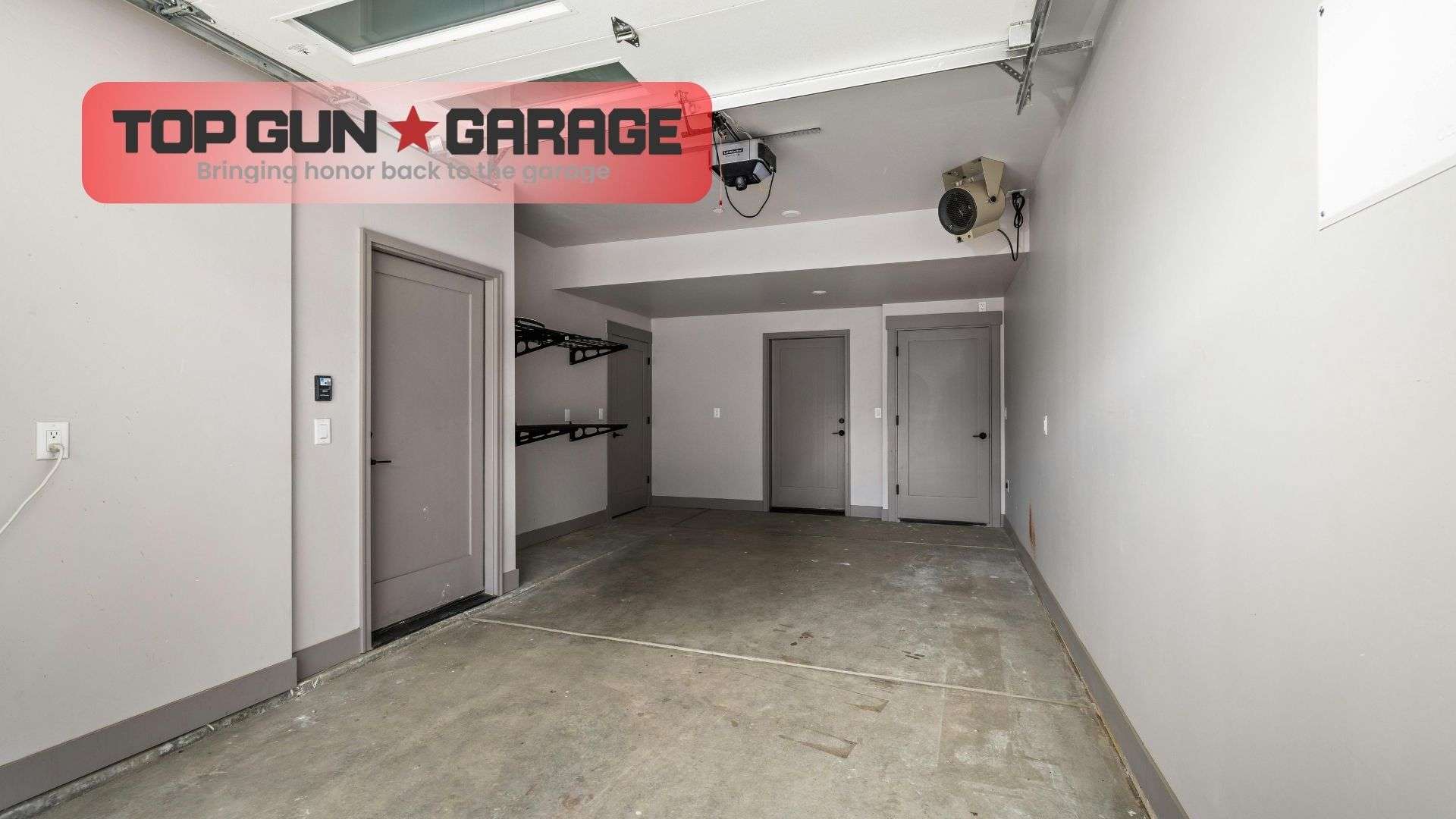
Bare concrete, the default choice for most builders, struggles with oil spills, heavy tools, and temperature changes. Without protection, it absorbs stains and chips easily. Over time, cracks can spread, and the surface becomes uneven. This isn’t just about looks—it impacts safety and functionality.
The secret to a durable space lies in materials and treatments. Options like epoxy coatings create a shield against chemicals and abrasion. Proper installation and maintenance also play critical roles. Let’s explore what separates a floor that ages gracefully from one that demands constant repairs.
Key Takeaways
Over half of U.S. homeowners rely on garages as primary entry points.
Untreated concrete is prone to stains, cracks, and temperature damage.
Protective coatings like epoxy significantly extend floor lifespan.
Material quality and installation methods affect long-term durability.
Regular maintenance prevents minor issues from becoming major repairs.
Understanding Garage Floor Aging Factors
Daily use and environmental forces shape how your concrete surfaces hold up. While many assume cracks appear randomly, specific triggers accelerate deterioration. Let’s break down what really impacts longevity.
Daily Stressors Add Up Fast
Vehicles rolling across untreated surfaces grind debris into the concrete. Dropped tools chip edges, while foot traffic wears down weak spots. These small damages accumulate, creating rough patches that trap moisture and chemicals. Unprotected areas develop:
Surface pitting from grit abrasion
Hairline cracks near heavy equipment zones
Discoloration from oil absorption
Climate Plays a Hidden Role
Southwest Florida’s heat and humidity create unique challenges. Concrete expands under scorching sun, then contracts during cooler nights. This back-and-forth motion stresses the material. Other regional factors include:
Saltwater air accelerating corrosion
Tropical rains pooling in low spots
Sandy soil shifting under foundations
Moisture seeps into microscopic pores, freezing during rare cold snaps. This expansion forces cracks wider, letting more water enter. Chemical reactions from road salt or cleaning products eat away at the surface over seasons.
Comparing Floor Coatings and Bare Concrete
Your garage’s foundation faces constant challenges from vehicle traffic, chemical spills, and seasonal changes. Choosing between raw concrete and protective treatments determines how well your space withstands daily demands. Let’s examine performance differences through real-world testing in Southwest Florida homes.
Durability and Stain Resistance
Unprotected concrete floors act like sponges. Oil drips seep deep into pores, creating permanent stains within hours. Automotive fluids leave dark patches that resist scrubbing. Epoxy coatings form a seamless shield, blocking liquids from penetrating. Spills bead up for easy wiping without residue.
Coated surfaces withstand dropped tools and shifting furniture without chipping. They resist salt corrosion from beach gear and de-icing products. This protective layer prevents cracks from spreading, unlike untreated slabs that degrade faster under stress.
Aesthetic Appeal and Maintenance
Dull gray concrete absorbs light, making garages feel dim. Professional floor coatings offer glossy finishes that brighten spaces by 30-40%. Color options range from sleek neutrals to metallic flakes that hide dust.
Maintaining raw concrete requires weekly scrubbing to remove stains. Coated alternatives need only occasional mopping. You’ll spend less time cleaning and more time using your garage as intended. The initial investment in quality coatings saves money on stain removers and crack repairs over time.
Why Some Garage Floors Age Better Than Others
Concrete surfaces in active spaces face relentless abuse. Vehicles drip oil, tools scrape surfaces, and temperature swings test structural limits. Protected surfaces handle these challenges differently than untreated ones. The difference lies in three critical factors: material science, application precision, and proactive care.
Professional-grade epoxy creates an impenetrable shield. Unlike bare concrete, this coating bonds at molecular level to:
Repel automotive fluids and cleaning chemicals
Distribute weight evenly across the surface
Resist UV-induced yellowing in sunny climates
Installation quality matters as much as product selection. Proper surface preparation removes contaminants that weaken adhesion. Expert applicators ensure uniform thickness, eliminating weak spots where cracks start. In Naples homes, we’ve seen polyaspartic coatings outperform standard options due to faster curing and humidity resistance.
Maintenance habits seal the deal. Sweeping debris prevents abrasive damage, while pH-neutral cleaners preserve chemical resistance. Floors with intact coatings deflect 92% of daily wear compared to untreated surfaces. Your initial investment in quality garage flooring pays dividends through decades of reliable service.
Evaluating Epoxy and Polyaspartic Coatings
Choosing the right protective layer for your concrete surface involves understanding key performance differences. Two leading options dominate modern installations: epoxy and polyaspartic systems. Each offers unique advantages depending on your priorities and local conditions.
Chemical Resistance and Curing Time
Epoxy coatings form through a chemical reaction between resin and hardener. This creates a dense shield against oil, gasoline, and cleaning agents. Automotive fluids bead up instead of soaking in, making cleanup effortless.
Polyaspartic systems match this chemical resistance while adding UV protection. They prevent yellowing in sunlit spaces – crucial for Florida garages with windows. The real difference emerges in curing speed. Epoxy needs 24-72 hours between coats, while polyaspartic dries in 2-4 hours. Entire projects finish in one day versus three.
Application Process and Finish Options
Professional epoxy installations require precise mixing and temperature control. Layers include primer, base coat, and protective topcoat. Polyaspartic adapts better to humidity and temperatures from -40°F to 140°F.
Both systems offer decorative flakes or metallic pigments. Epoxy provides thicker build-ups for hiding imperfections. Polyaspartic’s faster cure allows quicker color changes if desired. Proper surface preparation ensures either coating bonds securely for 10+ years of service.
Local Insights on Garage Flooring in Naples FL
Naples homeowners face unique challenges when upgrading concrete surfaces. Our coastal climate demands specialized solutions that balance durability with aesthetic appeal. Let’s explore what works best in Southwest Florida’s subtropical environment.
Compliance With Local Guidelines
Collier County building codes require slip-resistant surfaces in residential garages. Many communities also enforce HOA rules about exterior-visible modifications. Our team ensures coatings meet:
Safety standards for wet-weather traction
Height restrictions for decorative borders
Color palettes matching neighborhood aesthetics
High humidity affects coating application. We use moisture-tolerant polyaspartic systems that cure properly despite afternoon thunderstorms. These materials prevent bubbling and peeling common in standard epoxy installations.
Top Gun Garage Perspective and Contact Information
With 12 years serving Naples, we’ve perfected garage transformations. Our process includes:
140+ color options from coastal blues to terracotta tones
Anti-slip additives mixed into clear topcoats
Decorative flakes that hide sand and debris
Call (239) 488-7000 to schedule a free consultation. We’ll help you choose finishes that withstand salt air, pool chemicals, and seasonal temperature swings while complementing your home’s style.
Conclusion
Your garage’s durability hinges on protective decisions made during installation. High-quality floor coatings transform vulnerable concrete into resilient surfaces that repel automotive fluids and foot traffic wear. Unlike bare slabs, these treatments create a seamless barrier against stains and cracks.
Professional application ensures proper surface preparation—the cornerstone of lasting results. Expert teams remove contaminants and apply coatings with precision, maximizing adhesion and durability. This process prevents premature peeling or bubbling common in DIY projects.
Environmental factors and daily use test every surface, but premium options mitigate damage. Polyaspartic and epoxy systems distribute weight evenly while resisting UV damage and chemical spills. Their glossy finishes simplify maintenance, needing only occasional mopping instead of weekly scrubbing.
Investing in robust floor coatings pays dividends through decades of reliable service. While initial costs exceed raw concrete, you save time and money on repairs while boosting home value. Longevity isn’t accidental—it’s engineered through science-backed solutions tailored to your garage’s demands.
 Skip to content




 Professional application ensures proper surface preparation—the cornerstone of lasting results. Expert teams remove contaminants and apply coatings with precision, maximizing adhesion and durability. This process prevents premature peeling or bubbling common in DIY projects.
Environmental factors and daily use test every surface, but premium options mitigate damage. Polyaspartic and epoxy systems distribute weight evenly while resisting UV damage and chemical spills. Their glossy finishes simplify maintenance, needing only occasional mopping instead of weekly scrubbing.
Investing in robust floor coatings pays dividends through decades of reliable service. While initial costs exceed raw concrete, you save time and money on repairs while boosting home value. Longevity isn’t accidental—it’s engineered through science-backed solutions tailored to your garage’s demands.
Professional application ensures proper surface preparation—the cornerstone of lasting results. Expert teams remove contaminants and apply coatings with precision, maximizing adhesion and durability. This process prevents premature peeling or bubbling common in DIY projects.
Environmental factors and daily use test every surface, but premium options mitigate damage. Polyaspartic and epoxy systems distribute weight evenly while resisting UV damage and chemical spills. Their glossy finishes simplify maintenance, needing only occasional mopping instead of weekly scrubbing.
Investing in robust floor coatings pays dividends through decades of reliable service. While initial costs exceed raw concrete, you save time and money on repairs while boosting home value. Longevity isn’t accidental—it’s engineered through science-backed solutions tailored to your garage’s demands.