Understand what determines epoxy floor gloss retention Florida and keep your epoxy floor looking new with our expert guide. Top Gun Garage, Naples FL.
Coastal property owners face a hidden battle against environmental forces. Salt-laden air and relentless UV rays create conditions that degrade even the toughest materials. This reality impacts surfaces designed for both beauty and endurance.
Our team at Top Gun Garage has observed how Southwest Florida’s climate accelerates wear patterns. Humidity levels averaging 75% combine with 90°F+ temperatures for months on end. These elements test the limits of protective coatings in ways colder climates never experience.
Surface treatments require more than basic application methods here. Proper bonding techniques become critical when dealing with concrete expansion from temperature swings. The difference between lasting brilliance and premature dullness often comes down to installation precision.
Coastal environments demand specialized solutions that account for unique weather patterns. Through hundreds of projects across Collier County, we’ve refined methods that preserve aesthetic appeal despite harsh conditions. The right combination of materials and expertise creates surfaces that withstand Florida’s challenges while maintaining their polished look.
Introduction and Overview
Naples property owners increasingly seek surfaces that combine strength with visual appeal. Modern spaces demand solutions balancing industrial-grade durability with sleek, professional finishes. The right coating choice impacts both functionality and long-term maintenance costs.
Understanding Epoxy Flooring Benefits
Epoxy-based systems transform ordinary concrete into resilient, easy-to-maintain surfaces. These coatings create seamless barriers against oil spills, chemical exposure, and heavy foot traffic. Their non-porous nature prevents liquid absorption, simplifying cleanup while preserving structural integrity. Many commercial and residential spaces benefit from surfaces that maintain their polished look through years of use.
Our Perspective at Top Gun Garage
With over a decade serving Southwest Florida, we’ve perfected techniques for coastal environments. Our Naples-based team handles projects ranging from residential garages to large retail spaces. We prioritize proper bonding methods and UV-resistant formulas tailored to local humidity patterns. Every installation receives meticulous attention to ensure lasting performance without compromising aesthetic quality.
Choosing experienced professionals matters when protecting your investment. Our approach combines advanced materials with climate-specific application strategies. This ensures your space remains both functional and visually striking despite daily wear and environmental challenges.
Understanding Epoxy Flooring and Gloss Retention
Modern surfaces achieve their shine through precise chemical engineering. The secret lies in specialized materials that transform ordinary bases into resilient shields. Let’s explore the technical foundations that create lasting visual appeal.
How Protective Layers Form
Two-part systems combine liquid components that trigger molecular changes. When mixed correctly, these elements undergo an exothermic reaction. This generates heat that drives the transformation from liquid to solid state.
The magic happens as chains of molecules interlock during hardening. This cross-linking creates a dense network resistant to scratches and stains. Proper mixing ratios ensure complete molecular bonding for maximum strength.
Maintaining Reflective Surfaces
Mirror-like finishes result from smooth molecular alignment during hardening. Temperature fluctuations during curing can disrupt this organization. Our team controls environmental factors to preserve optimal conditions.
Advanced formulas now incorporate sunlight blockers within the material matrix. These additives scatter harmful rays while maintaining transparency. Regular maintenance preserves this protective barrier against environmental stressors.
Key Factors in Epoxy Performance
The Sunshine State’s weather patterns test the limits of protective coatings. Coastal installations face environmental pressures unseen in other regions. Surface treatments must adapt to thrive in these demanding settings.
Local Environmental Influences
Humidity levels above 80% create curing complications during application. Moisture-rich air slows chemical bonding, requiring precise timing for optimal results. Summer temperatures exceeding 90°F accelerate hardening, risking uneven finishes if not monitored.
Salt-laden breezes from the Gulf combine with intense UV exposure year-round. These elements degrade standard coatings faster than inland installations. Our team uses marine-grade formulas that resist corrosion and fading from constant environmental assault.
Thermal expansion from daily temperature swings stresses material bonds
Proximity to wetlands requires pH-balanced cleaning solutions
We schedule installations during specific weather windows to counteract these challenges. Advanced moisture meters and infrared thermometers ensure ideal surface conditions before application. This attention to detail prevents premature wear and maintains surface integrity through seasonal changes.
Surface Preparation and Its Role in Adhesion
Long-lasting surface finishes begin long before the first coat gets applied. Three-quarters of early coating failures trace back to inadequate cleaning or skipped preparation steps. Proper techniques create the foundation for durable bonds that withstand daily wear.
Proper Cleaning and Grinding Techniques
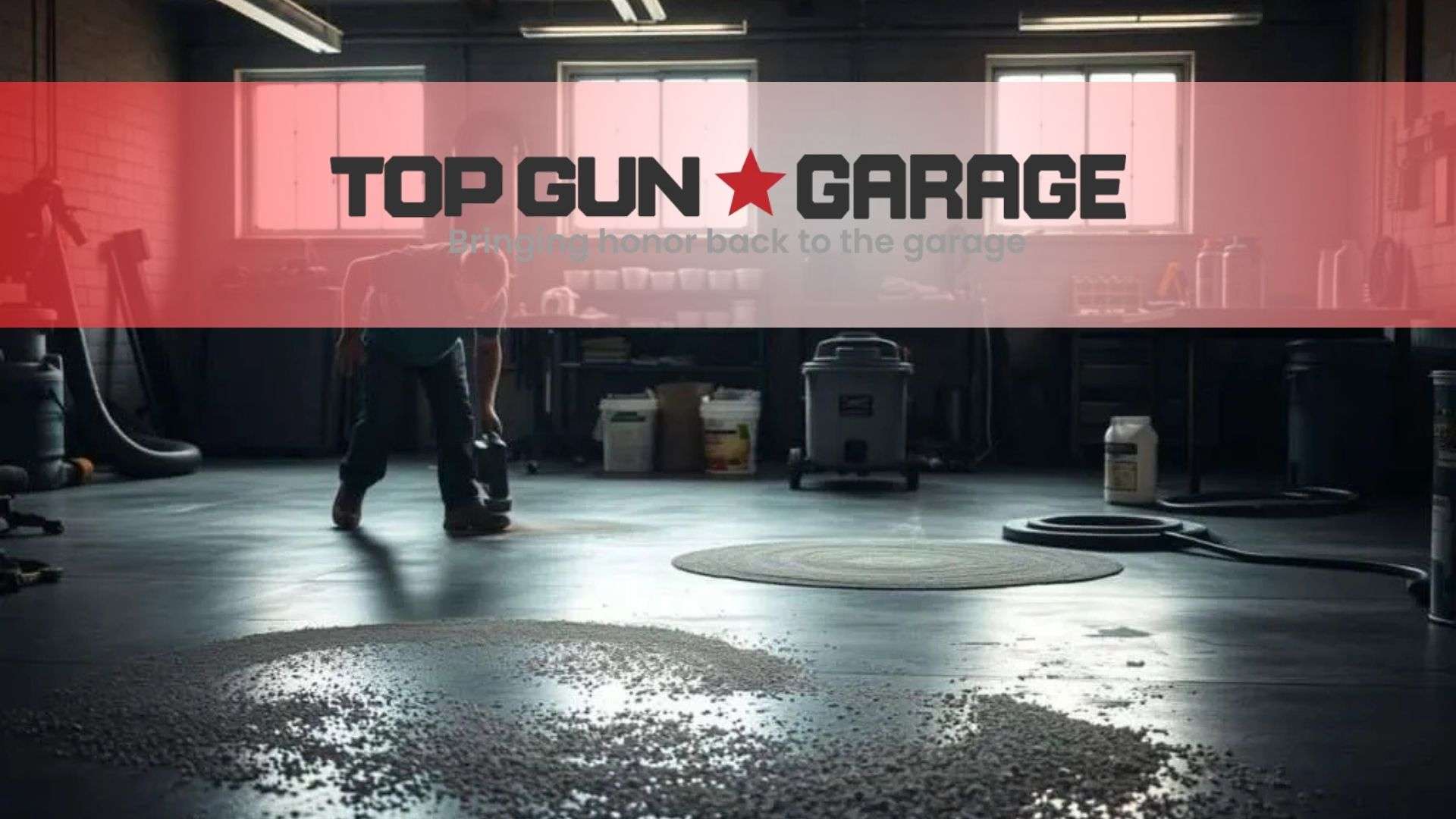
Industrial diamond grinders remove old sealants and create micro-textures for better grip. Specialized vacuum systems eliminate dust particles that weaken bonds. These steps ensure contaminants like grease or existing coatings won’t compromise your surface.
Our team evaluates each area for cracks or uneven spots needing attention. This meticulous approach prevents air pockets and uneven curing. Every square inch receives equal scrutiny to meet exacting standards.
Moisture Testing and Local Government Guidelines
We perform dual moisture checks using calcium chloride kits and humidity sensors. Naples building codes require specific vapor emission levels for commercial spaces. Our methods align with Collier County’s strict regulations for coastal properties.
Seasonal groundwater changes demand adaptive preparation strategies. High water tables in summer months require additional drying steps. These protocols ensure your application adheres properly despite environmental challenges.
Adherence to local guidelines protects your investment long-term. Our process exceeds manufacturer specifications while respecting regional climate realities. The result? Surfaces that maintain their integrity through Florida’s unique conditions.
Installation Techniques for Durability
Achieving lasting results in coastal environments requires more than standard methods. Our Naples-based team employs precision strategies developed through years of tropical climate experience. These methods address unique challenges while maintaining surface integrity.
Material Science Meets Climate Reality
Proper mixing ratios form the foundation of durable surfaces. We measure components with digital scales for exact proportions. Temperature-controlled mixing prevents premature curing during application.
Timing becomes critical when working with fast-setting materials. Our specialists track ambient conditions using real-time sensors. This data determines optimal spread rates and layer thickness for each project.
Weather-Adaptive Application Protocols
High humidity demands specific countermeasures during installations. Dehumidification systems maintain 45-55% moisture levels in work areas. Climate-controlled spaces prevent condensation from forming on freshly applied layers.
We avoid rainy seasons and schedule installations during stable weather windows. Modified formulas extend working time in summer heat without compromising strength. These adjustments ensure proper bonding despite challenging outdoor conditions.
Real-time environmental monitoring during curing phases
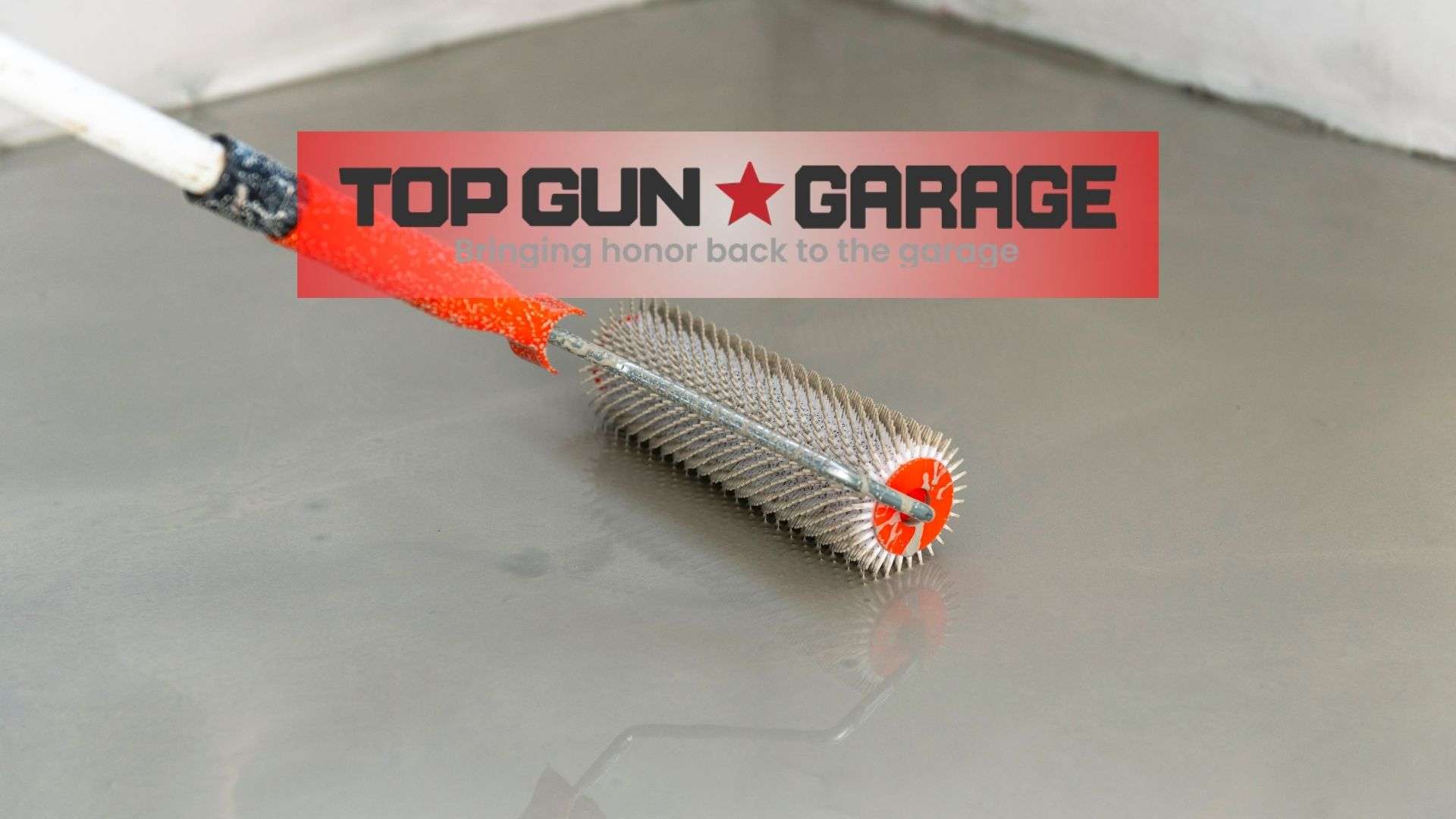
Specialized tools for uniform material distribution
Post-application climate management for 72 hours
Quality checks at multiple hardening stages
Impact of Weather and Climate Conditions
Southwest Florida’s subtropical climate creates unique challenges for maintaining protective surface coatings. Daily temperature swings and salt-rich air demand specialized solutions. Our Naples installations face three primary environmental stressors:
Surface temperatures exceeding 140°F in summer months
Humidity levels averaging 75% year-round
Annual UV index readings above 11 (extreme category)
Managing Thermal Stress and Moisture
Intense sunlight causes concrete substrates to expand and contract daily. High-quality coatings must flex with these movements without cracking. We use materials with thermal expansion coefficients matching local concrete blends.
Morning dew and afternoon thunderstorms create moisture management challenges. Advanced formulations prevent water vapor penetration while allowing proper curing. This balance prevents bubbling or adhesion failure common in humid environments.
Municipal Compliance Considerations
Naples building codes specify approved materials for outdoor installations. These regulations address:
Maximum volatile organic compound (VOC) levels
Slip resistance ratings for wet conditions
Reflectivity standards for heat mitigation
Our team coordinates with local inspectors to ensure compliance during installation. Proper documentation meets Collier County’s requirements while maintaining aesthetic goals. These protocols help surfaces withstand seasonal weather patterns while preserving their appearance.
Maintenance Practices for Long Lasting Gloss
Preserving glossy surfaces requires consistent care tailored to Southwest Florida’s conditions. Proper techniques prevent premature wear while maintaining reflective qualities. Let’s explore strategies proven through years of coastal service experience.
Routine Cleaning and Inspection Tips
Daily sweeping removes abrasive particles that scratch surfaces over time. Use soft-bristled brooms or microfiber mops to protect the finish. For deeper cleans:
Apply pH-neutral solutions weekly
Rinse thoroughly with warm water
Dry surfaces completely to prevent residue
Inspect monthly for early signs of wear near high-traffic areas. Address minor scratches immediately using manufacturer-approved methods.
Managing Chemical Spills Without Damage
Act quickly when accidents occur. Blot liquids instead of wiping to avoid spreading. Follow these steps:
Contain spills with absorbent materials
Neutralize acids/bases with appropriate cleaners
Rinse affected area immediately
Citrus-based products effectively break down oil-based substances without harming surfaces. Avoid abrasive pads or harsh chemicals that degrade protective layers.
Consistent care preserves both appearance and structural integrity. Establish biweekly cleaning routines and address issues promptly. These practices extend surface lifespan while maintaining mirror-like reflections.
Role of Epoxy Resin Quality and Coating Options
The foundation of any durable surface treatment lies in material selection. Premium resins and advanced formulations directly influence how well protective layers withstand daily challenges. Let’s examine critical factors that separate exceptional coatings from standard products.
Selecting High-Quality Epoxy Materials
Industrial-grade resins maintain structural integrity under thermal stress. Look for products with third-party certifications for UV stability and moisture resistance. These materials form stronger chemical bonds with concrete substrates during curing.
Enhancing Durability Through Layered Systems
Multi-coat applications create redundant protection against wear. Topcoats with embedded ceramic microspheres deflect abrasion, while base layers provide adhesion strength. Proper thickness ratios between layers prevent premature breakdown in high-traffic zones.
Advanced formulations now integrate nano-scale additives that repel contaminants. These innovations reduce maintenance frequency while preserving reflective qualities. Partnering with certified professionals ensures optimal material selection for your specific environment.
 Skip to content



 Southwest Florida’s subtropical climate creates unique challenges for maintaining protective surface coatings. Daily temperature swings and salt-rich air demand specialized solutions. Our Naples installations face three primary environmental stressors: