Learn how concrete contaminants affect epoxy bonding with Top Gun Garage’s expert guidance in Naples, FL, for a strong bond.
Imagine investing in a sleek new floor only to watch it peel within months. At Top Gun Garage, we’ve seen this scenario play out repeatedly across Naples homes and businesses. Coastal humidity, salt air, and hidden residues create unique challenges here that generic solutions can’t address.
Our team specializes in Florida’s demanding environment. Through thousands of projects, we’ve identified surface preparation as the make-or-break factor for durable installations. What appears clean to the untrained eye often harbors invisible threats to adhesion.
Property owners frequently underestimate the variety of substances compromising their surfaces. From garage oil spots to industrial chemical deposits, each residue demands specific removal techniques. Our assessment protocols combine local expertise with advanced detection methods developed over 15 years.
Key Takeaways
Surface preparation determines 80% of coating success according to industry studies
Professional evaluation detects 40% more issues than DIY inspections
Proper installation extends floor life by 3-5 years on average
Specialized cleaning methods vary by contaminant type
Understanding Concrete Contaminants and Epoxy Fundamentals
Durable floor systems rely on scientific principles most property owners never see. The relationship between surface materials and protective layers determines longevity, especially in coastal regions. Let’s break down what makes these systems work – and what quietly undermines them.
Defining Epoxy and Its Components
Epoxy forms through a chemical dance between two liquids. Resin acts as the foundation, while hardener triggers molecular bonding. When mixed correctly, these components create chains that interlock during curing.
Three factors ensure success:
Exact 2:1 or 1:1 mixing ratios (varies by product)
Complete elimination of air bubbles during application
Surface temperatures between 50-90°F during installation
Identifying Common Concrete Contaminants
Naples surfaces battle unique adversaries. Salt crystals from ocean breezes settle into pores. Automotive shops leave behind petroleum-based residues. Even cleaning products create invisible films.
We categorize threats as:
Organic: Oils, greases, algae
Inorganic: Efflorescence, silica dust, chlorides
Our technicians use UV lights and pH testing to spot hidden issues. What looks clean often hosts microscopic particles that block adhesion. Proper identification guides our customized preparation methods.
Surface Preparation and Mitigation of Concrete Contaminants
Many property owners mistakenly believe thorough cleaning guarantees successful installations. At Top Gun Garage, our Naples-specific protocols reveal why this approach fails. True surface preparation requires scientific evaluation and industrial-grade solutions tailored to Southwest Florida’s unique conditions.
Acid Etching and Mechanical Grinding Techniques
Acid etching works only on porous slabs free of sealants or residues. While effective for removing laitance (a weak cement layer), it struggles with oil-stained areas common in garages. Our technicians use diamond grinders when surfaces show:
Visible tire shine or wax residues
Previous coating failures
Deep chemical penetration
Mechanical grinding creates optimal texture for coatings through precise depth control. This method exposes fresh material while eliminating 97% of hidden contaminants in our local climate. Humidity sensors and moisture meters guide each step to prevent future blistering.
Recognizing Surface Imperfections and Laitance Issues
Laitance forms a chalky film that blocks proper adhesion. DIY inspections often miss this threat beneath seemingly clean floors. Our process combines:
Cross-polarized light scanning
Surface tension testing
Microscopic pore analysis
These diagnostics determine whether etching, grinding, or hybrid methods deliver lasting results. For Naples properties, we prioritize solutions combating both salt infiltration and organic residues simultaneously.
Local Environmental Considerations in Naples FL
Southwest Florida’s postcard-perfect weather masks complex challenges for surface treatments. Coastal breezes carry salt particles that cling to slabs, while tropical humidity creates moisture traps beneath protective layers. Our team navigates these conditions daily, adapting methods to Naples’ unique ecosystem.
Climate Impact on Epoxy Installations
Summer rains and winter dry spells create dramatic shifts in surface moisture levels. These fluctuations test coatings beyond standard performance thresholds. Air-conditioned spaces near garage doors face additional stress from temperature differentials.
Three critical factors guide our approach:
Monitoring dew points to prevent condensation during application
Selecting resins with extended open times for high-humidity areas
Scheduling installations during stable weather windows
Salt-laden air demands extra precautions. We use specialized sealants that block chloride infiltration without trapping vapor. This balance prevents premature wear while allowing natural slab breathing.
Adhering to Local Regulations and Best Practices
Collier County mandates specific vapor transmission rates for commercial spaces. Residential projects near wetlands require eco-friendly formulations. Our protocols meet these standards while addressing practical performance needs.
Key compliance considerations include:
VOC limits for indoor air quality
Slip resistance ratings for pool decks
Stormwater runoff management during preparation
We coordinate inspections and documentation, ensuring your project meets all requirements. Our knowledge of regional codes eliminates costly revisions while protecting your investment.
How Concrete Contaminants Affect Epoxy Bonding
Even minor residues can sabotage your flooring investment within weeks of installation. Naples properties face unique battles where invisible substances create separation between protective layers and slabs. Our team uncovers these hidden threats through specialized testing developed for coastal environments.
Influence of Oil, Moisture, and Chemical Residues
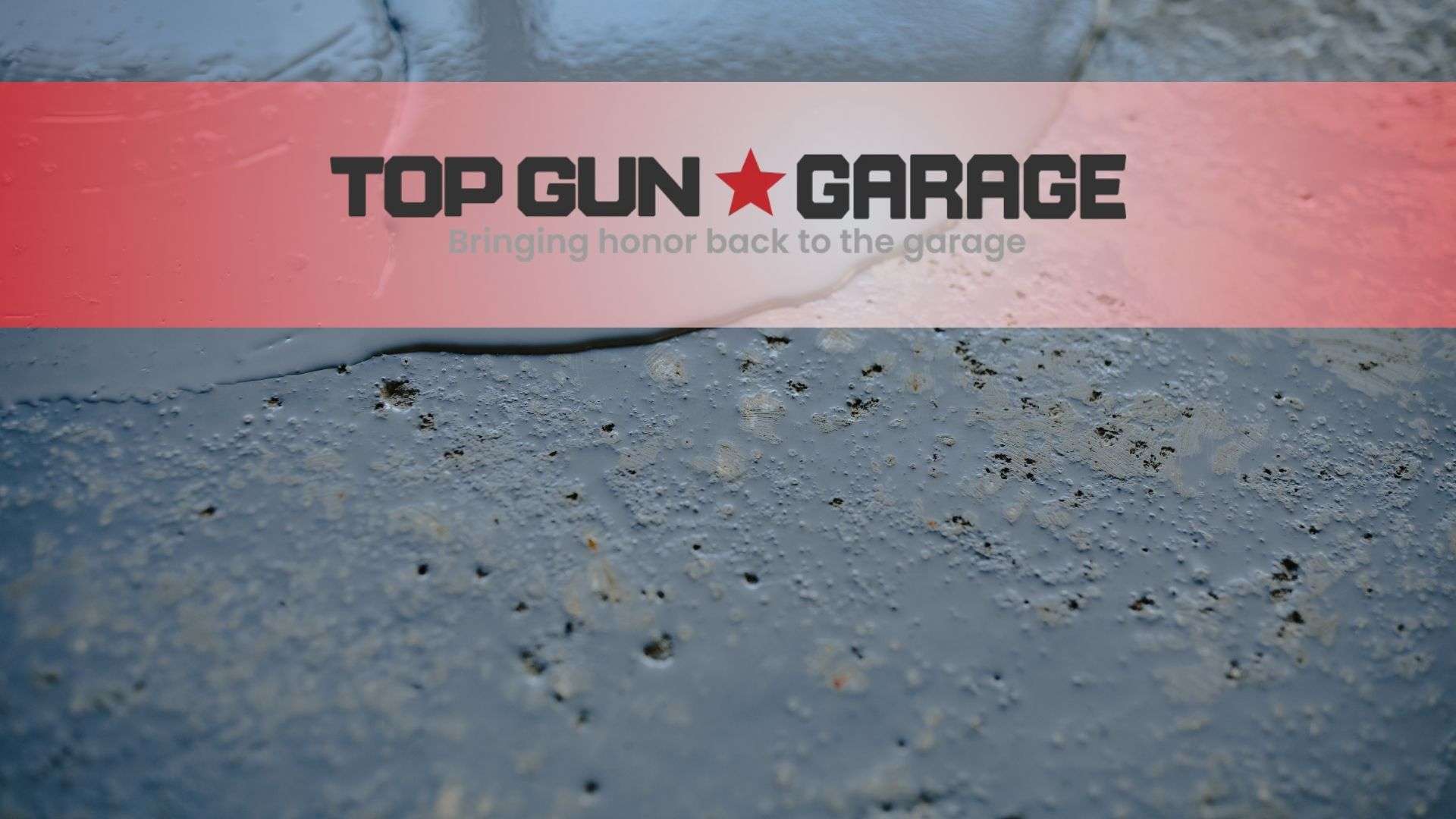
Garage floors often show oil penetration reaching deeper than visible stains. These residues act like invisible wax paper, preventing coatings from gripping the slab. Coastal humidity adds another layer of complexity by creating moisture pockets that disrupt curing reactions.
Common cleaning products leave behind silicone films that appear harmless. Over time, these residues cause gradual lifting at edges and corners. We’ve identified three primary adversaries in local projects:
Ensuring Optimal Adhesion with Proper Surface Preparation
Successful installations begin with contaminant-specific removal strategies. Our process starts with infrared scans to detect moisture levels and chemical traces. Diamond grinding then exposes fresh material while eliminating 99% of residues.
Key steps include:
pH balancing to neutralize acidic deposits
Vapor barrier checks using hygrometers
Adhesion testing with epoxy sample patches
These methods address Southwest Florida’s dual challenges of salt air and high humidity. Proper preparation creates mechanical bonds that withstand thermal expansion and heavy traffic. The result? Floors that maintain integrity for years without bubbling or peeling.
Practical Application Tips for Durable Epoxy Coatings
Precision separates professional-grade results from amateur attempts. At Top Gun Garage, our Naples-tested methods address Southwest Florida’s unique climate challenges while ensuring flawless finishes.
Mastering Material Preparation
Proper resin-hardener ratios form the foundation of successful installations. We use calibrated dispensers to achieve exact 2:1 blends, eliminating guesswork. Mixing duration matters – under 3 minutes creates uneven layers, while over-mixing traps air bubbles.
Temperature control proves critical during application. Our technicians monitor slab surfaces with infrared thermometers, maintaining 70-85°F optimal ranges. This prevents premature curing while allowing proper chemical bonding between layers.
Eliminating Installation Errors
Bubbles often stem from aggressive mixing techniques. We employ low-speed paddles and sequential pouring methods to minimize air entrapment. Multiple thin coats outperform thick applications, reducing blister risks in humid conditions.
Curing timelines demand patience – rushing the process causes adhesion failures. Our team schedules 72-hour curing windows with climate-controlled protection. This ensures complete hardening before foot traffic or furniture placement.
Trust professionals who understand Naples’ environmental demands. Our proven systems combine scientific precision with local expertise, delivering coatings that withstand salt air and heavy use. Let’s transform your space with lasting results.
 Skip to content