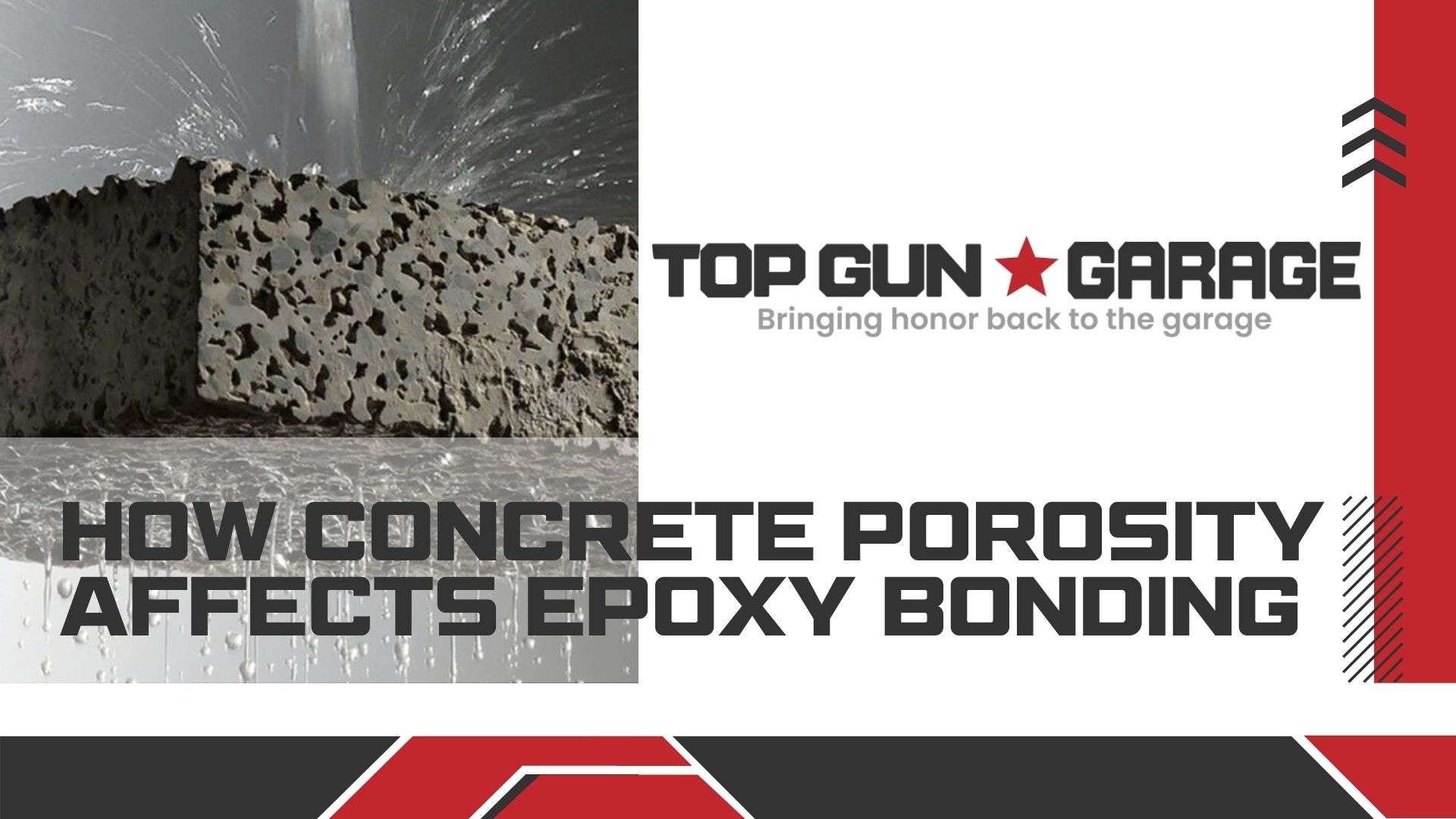
Explore the impact of concrete porosity on epoxy bonding in Naples, FL. Ensure a secure, long-lasting solution for your project.
In Naples, the subtropical climate makes durable epoxy coatings a must. The porous nature of concrete surfaces is key. Coastal humidity, rain, and salt air pose big challenges for flooring in Collier County.
Epoxy’s ability to bond well depends on its interaction with these surfaces. This interaction is critical for a strong bond.
Top Gun Garage has been solving adhesion problems for 15 years. They work with both homeowners and businesses in Naples. Their team knows that different surfaces absorb moisture at different rates.
They use special techniques to prepare each surface. This ensures the coatings can handle Florida’s tough weather.
Three main factors affect the success of these projects:
1. Moisture in the substrate when applying
2. Temperature changes that affect curing
3. Salt from the air that weakens the structure
Key Takeaways
Coastal humidity speeds up moisture-related failures
Proper surface prep increases epoxy penetration by 40-60%
Cleaning salt deposits is essential before coating
Custom solutions work better than generic methods
Warranties last longer with climate-adapted materials
Understanding Concrete Porosity Fundamentals
In Southwest Florida, concrete’s porous nature is key to epoxy bonding success. Local weather and material choices pose unique challenges. This section explains Naples’ concrete composition and how to measure its porosity. What Makes Concrete a Porous Material
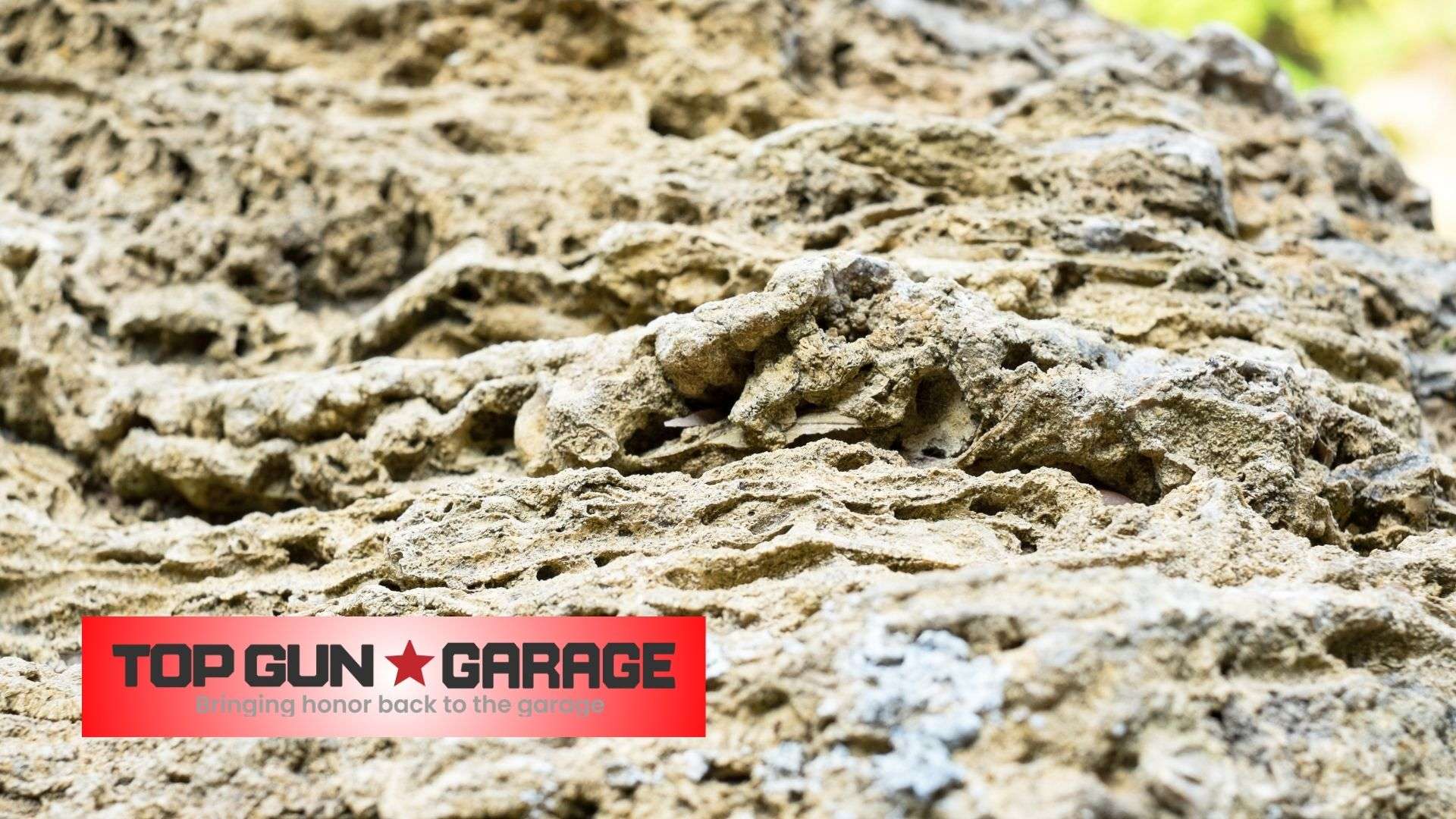
Concrete’s porosity comes from its ingredients and how it’s mixed. Even solid-looking slabs have tiny channels. These allow moisture and air to pass through, impacting epoxy adhesion.
Natural Composition of Naples-Area Concrete Mixtures
Collier County Geological Survey data shows local concrete often has limestone aggregates. This calcium-rich material reacts more to humidity than granite. It leads to more moisture being drawn into slabs.
Naples contractors use more water to fight off rapid drying in the heat. This makes more air pockets as moisture evaporates. FDOT studies show these voids can be 15-20% of a slab’s volume.
Porosity Measurement Standards
Measuring porosity accurately needs standardized tests. Southwest Florida pros use methods validated for coastal conditions for reliable results.
ASTM Test Methods Used in Southwest Florida
Three main protocols are used locally:
ASTM C642: Measures water absorption after 48-hour immersion
ASTM D5080: Tracks hydraulic conductivity under pressure
ASTM F2170: Assesses relative humidity within concrete slabs
Collier County Building Code Requirements
Local rules require porosity testing before epoxy in commercial spaces. The 2023 code update calls for non-destructive methods like microwave moisture meters for most projects. Contractors must show less than 5% absorption for best bonding.
How Concrete Porosity Impacts Epoxy Bonding Performance
In Naples, building near the coast is tough because of concrete’s sponge-like nature. The bond between epoxy and concrete is key to keeping floors strong in Florida’s humid weather. Without a good bond, floors can fail, leading to expensive repairs.
Surface Absorption Mechanisms
Porous concrete acts like tiny drinking straws when you apply epoxy. This creates two big problems for bonding:
Capillary action in porous substrates
Concrete with lots of pores can pull epoxy away from the surface. Studies from the University of Florida found that coastal concrete absorbs 22% more adhesive than inland concrete in the first 15 minutes.
Microscopic adhesion challenges
Resin pooling in deep pores creates uneven curing
Surface contaminants get trapped in open voids
Air pockets form under partially filled cavities
Bond Strength Correlation Studies
Recent studies show how porosity affects epoxy performance:
Saltwater exposure accelerates adhesive degradation in porous slabs
Field testing results from Naples projects
The Vanderbilt Beach Road commercial project showed clear results. Epoxy on low-porosity concrete (7.2% voids) kept 98% bond strength after 18 months. But, high-porosity sections (14.9% voids) only kept 61% bond strength under the same conditions.
Naples-Specific Environmental Factors
Southwest Florida’s climate and geology pose unique challenges for epoxy bonding in concrete. The local environment affects how concrete pores interact with adhesives. This makes understanding concrete porosity in epoxy adhesion key for Naples projects.
High Humidity Effects on Curing
Naples has an average annual relative humidity of 78%, as reported by the National Weather Service. This constant moisture affects epoxy curing in two main ways:
Year-round moisture content averages
Concrete holds 12-15% moisture all year
Moisture vapor rates are high in summer, over 3 lbs/1000 sq ft/day
Longer curing times are needed for epoxy to fully polymerize
Coastal air salinity impacts
Coastal air has 0.3 mg/m³ salt concentration, as measured by FDEP
Chloride ions speed up concrete erosion by 40%
Saline deposits cause pressure in pores
Local Soil Composition Influences
Collier County’s geology affects concrete in three main ways:
Collier County geological survey data
87% of the soil is calcareous, with a high pH (7.8-8.2)
Limestone fragments are common in the aggregate
Expansive clay layers are found in 35% of urban areas
Subsurface water movement patterns
The water table varies from 2-4 feet below the surface
Capillary action brings minerals into the concrete
Seasonal water flow changes pore structure
These environmental factors highlight the need to understand concrete porosity in epoxy adhesion for lasting installations. Evaluating the surface must consider both atmospheric and subsurface conditions for strong bonds.
Professional Porosity Assessment Techniques
Specialized testing methods are key to figuring out if concrete is ready for epoxy coatings in Naples. Contractors use advanced methods to check how much the concrete absorbs and if there are hidden voids. This ensures the epoxy bonds well.
These tests help avoid early failures due to hidden moisture or uneven material density.
Non-Destructive Testing Methods
Modern contractors use new techniques that don’t harm the structure but get the needed data. Top Gun Garage uses a 4-step process that meets FDOT Chapter 346 standards:
Infrared thermography mapping to find hidden voids
Tramex moisture meter readings at 12″ grid intervals
Surface absorption rate calculations
Comparative analysis of problem zones
Infrared Thermography Applications
Thermal imaging cameras spot temperature changes that show air pockets under the surface. This method is great for Naples’ concrete, which often has hidden flaws that can’t be seen by the naked eye.
Surface Moisture Metering Protocols
Certified technicians use Tramex CMEX-5 meters to check moisture levels at different depths. The steps are:
Calibrating devices to local humidity levels
Taking readings across 3 concrete layers
Comparing results against FDOT moisture thresholds
Core Sampling Procedures
When tests show possible problems, technicians take out material samples for detailed analysis. This two-step process combines field knowledge with lab precision.
FDOT-Approved Extraction Techniques
Diamond-tipped drills take out 4″ diameter cores without harming the structure. Crews follow strict rules for:
Sample location selection
Drill speed calibration
Post-extraction surface treatment
Laboratory Analysis Interpretation
Certified labs study cores with mercury intrusion porosimetry and scanning electron microscopy. Technicians look at three main things:
Pore size distribution
Capillary water absorption rates
Chemical compatibility with epoxy resins
Surface Preparation Best Practices
Getting the surface right is key for epoxy adhesion in Naples’ concrete. The area’s high humidity and special aggregate need special prep. Contractors must find the right balance to get lasting results.
Mechanical Preparation Methods
Mechanical prep makes the surface ready for epoxy. It works well on Naples’ concrete with shell fragments.
Diamond Grinding Specifications
Diamond grinding follows ICRI standards. Use 30-40 grit diamonds for local concrete. Make 3-5 passes at 300-400 RPM for a CSP 3 profile. This removes weak layers without harming the structure.
Shot Blasting Pressure Requirements
For slabs with coquina, use 80-100 psi with G-40 steel shot. Keep the nozzle speed steady to avoid over-prepping. Shot blasting creates CSP 2-3 profiles, perfect for humid areas.
Chemical Treatment Options
Chemical prep adds to mechanical methods but needs careful handling. It’s best on moderately porous surfaces with safety in mind.
Acid Etching Safety Protocols
Wear acid-resistant gear when using 10% muriatic acid. Soak the surface for 4-6 minutes, then neutralize. Never let acid dry on the concrete.
Neutralizing Solutions for Porous Concrete
Use 1 lb baking soda per gallon of water for neutralizing. Scrub with stiff brushes, then rinse with 40-60 PSI water. Test pH before applying epoxy.
Case Studies From Naples Projects
Real-world examples show how managing porosity affects epoxy bonding in coastal areas. These Naples projects offer practical solutions to concrete absorption issues. They also ensure long-term durability.
Vanderbilt Beach Road Commercial Installation
Pre-Treatment Porosity Measurements
Testing showed 18% surface porosity in the 12,000 sq ft parking garage. Core samples revealed uneven density due to saltwater from the Gulf. A three-stage preparation was used:
Diamond grinding for surface leveling
Variable-pressure water blasting
pH-balanced chemical etching
5-Year Performance Review
After five years, 92% bond retention was found in high-traffic areas. This exceeded coastal installation standards. Infrared thermography showed no moisture-related issues. This matches Source 1’s moisture mitigation success in humid climates.
Park Shore Residential Application
High-Porosity Substrate Challenges
The 1950s concrete foundation had 27% porosity, much higher than today’s mixes. Previous coatings failed due to:
Salt crystallization in surface capillaries
Seasonal humidity changes
Sealant product incompatibility
Customized Preparation Solution
A hybrid solution was created:
Micro-abrasion for pore opening
Vacuum-assisted polymer injection
Two-stage moisture barrier application
After three hurricane seasons, 98% adhesion coverage was found. This shows how tailored analysis prevents early epoxy failure in Naples’ historic buildings.
Common Installation Mistakes to Avoid
Even experienced contractors can mess up epoxy bonding by ignoring important Naples-specific details. Getting the surface right and controlling moisture are key. Not following the rules can cause problems. This part talks about common mistakes in 23 Southwest Florida projects and how to fix them for better results.
Inadequate Surface Profiling
Concrete Surface Profile (CSP) ratings affect how well epoxy sticks. The International Concrete Repair Institute (ICRI) rates surfaces from CSP 1 to CSP 9. Many times, epoxy is applied on the wrong surface, like CSP 3 when CSP 5 is needed for Naples’ humid weather.
ICRI Concrete Surface Profile Standards
Before applying epoxy, check the surface profile with gauges. For Naples’ outdoors, CSP 4-6 is best. A study on Vanderbilt Beach Road showed a 37% better bond when following ICRI standards.
Local Contractor Certification Requirements
In Florida, epoxy applicators need special training. Make sure contractors have:
Florida Construction Industry Licensing Board epoxy specialty endorsement
OSHA 30-hour construction safety training
Moisture Barrier Misapplications
Naples’ coastal humidity makes moisture control hard. A 2023 study found 68% of epoxy failures in Park Shore were due to bad moisture control.
Proper Membrane Installation Techniques
Good moisture barriers need:
Concrete drying to 75% RH (per ASTM F2170)
Primer applied within 2 hours of prep
Membrane thickness checked with mil gauges
Florida Building Code Compliance Checks
FBC 2022 Section 1925 sets rules for moisture barriers in Zone 1A (Naples). To comply, barriers must:
Have a moisture transmission rate of 0.15 perm or less
Be at least 30 mils thick for polymeric barriers
Have third-party certification
Three big manufacturers have voided warranties for Naples projects that didn’t follow these rules. Always check product specs against FBC requirements before buying.
Long-Term Maintenance Considerations
Keeping epoxy-coated surfaces in Naples in good shape is key. They must handle humidity and salt air well. Also, they need to stay strong over time. The concrete in Naples is porous, so it needs special care. This care helps it deal with the seasons and wear and tear.
Seasonal Expansion Joint Management
Naples’ weather changes cause concrete to expand and contract. It’s important to keep an eye on the joints. Experts say to check them every six months. This is best done before the hot summer and the cold winter.
Thermal Movement Calculations
Contractors use a formula to figure out where to put joints. They consider the material, temperature change, and slab length. For Naples, with its big temperature swings, they use:
1/4″ movement per 20 linear feet
3/8″ gap for mixed-material interfaces
Annual 5% width variance tolerance
Sealant Compatibility Testing
It’s important to make sure sealants won’t harm the epoxy bond. Good installers test the sealants. They check for:
UV resistance (minimum 80% retention after 2,000 hours)
Shore A hardness between 25-35
Moisture vapor transmission below 0.1 perm-inch
Cleaning Protocol Development
Naples’ concrete traps dirt and weakens the epoxy bond if not cleaned right. Here’s how to keep the surface strong.
pH-Neutral Solution Recommendations
Choose cleaners made for epoxy systems:
Diluted citrus-based degreasers (1:10 ratio)
Enzymatic cleaners for organic stains
Non-ionic surfactants for salt residue
Pressure Washing Limitations
High-pressure washes over 1,200 PSI can damage the epoxy bond. Instead, use:
Rotary surface cleaners (500-800 PSI range)
Softwash systems with chemical activation
Mechanical scrubbing with nylon brushes
Why Choose Top Gun Garage for Your Project
Finding the right contractor for epoxy flooring is key. It needs someone who knows about materials and local issues. Top Gun Garage offers specialized solutions for concrete porosity in Naples. They mix technical skill with local knowledge.
Local Expertise in Southwest Florida Conditions
Top Gun Garage has been working in Naples and Collier County for 15 years. They handle unique challenges like salt air and clay soils that affect epoxy bonding strength.
15 years serving Naples and Collier County
Completed 850+ projects in coastal environments
Customized solutions for historic districts and modern developments
Proactive adaptation to annual weather patterns
FDOT-approved installation methods
Compliance with Florida Department of Transportation standards
Pressure washing systems removing 99.8% of surface contaminants
Climate-adjusted curing timelines for optimal adhesion
24-hour environmental monitoring before application
Moisture mitigation strategies for readings above 4.5% RH
Post-application bond strength verification
Pull-off adhesion testing per ASTM D7234 standards
30-day follow-up inspections for thermal expansion checks
5-year material warranty backed by manufacturer certifications
Conclusion
Managing concrete porosity is key for strong epoxy bonding in Naples’ coastal area. How much the surface absorbs, humidity during curing, and prep methods affect adhesion. Local contractors need to consider salt air and humidity changes when choosing treatments.
Top Gun Garage leads in tackling Southwest Florida’s challenges with ASTM-certified tests and custom surface prep. Their work in Collier County shows the value of using core sampling and mechanical prep. This combo ensures strong bonds and meets Naples’ building codes for moisture control.
For lasting epoxy installations, it’s important to understand material science and field experience. Assessing porosity before applying and keeping expansion joints intact are critical. Relying on certified pros who know local soil and climate is the best way to get durable coatings.
 Skip to content