 Skip to content



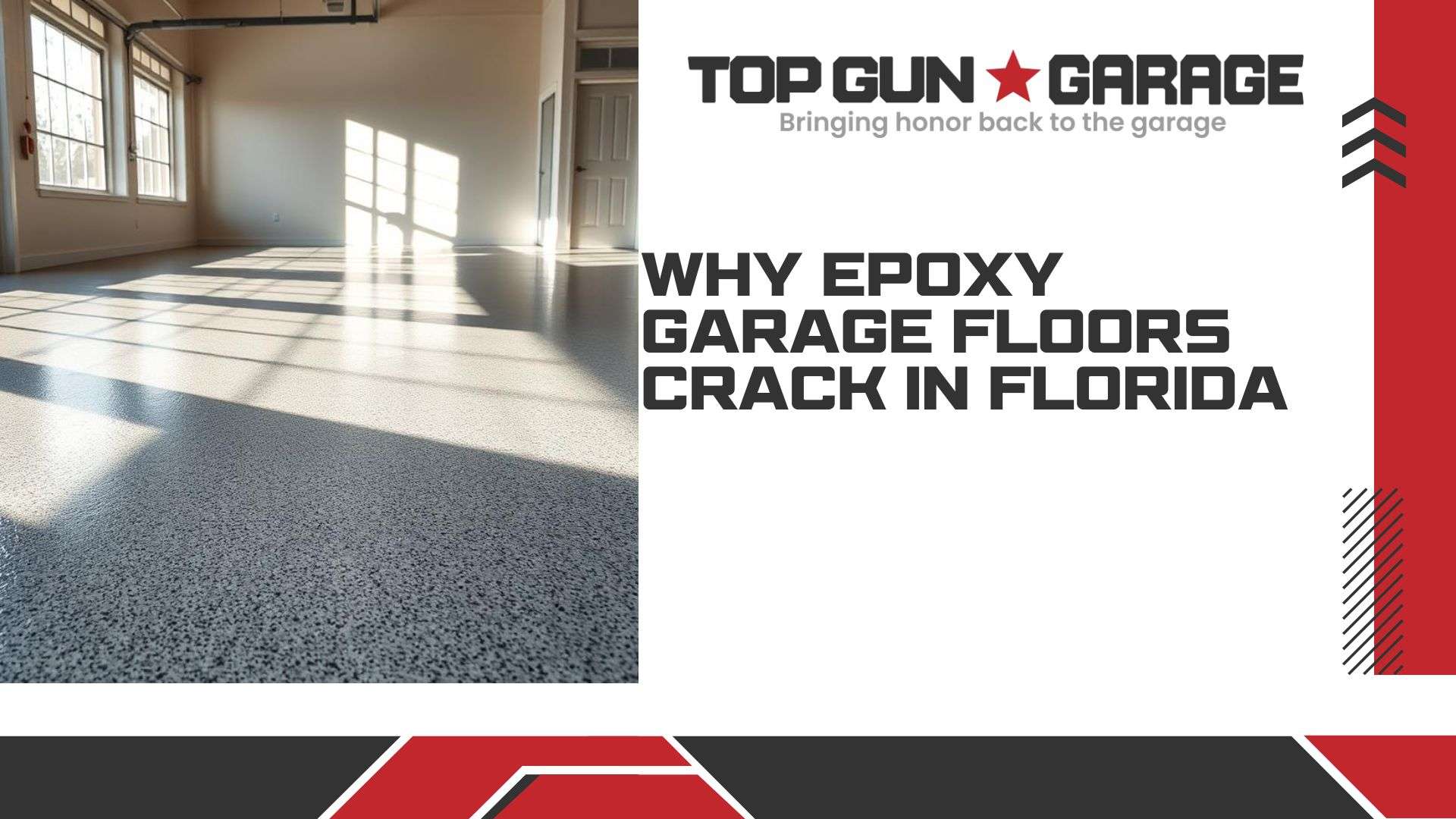 Homeowners in Southwest Florida often choose resin-based coatings for their garage surfaces due to durability and style. However, environmental factors like humidity and heat can create challenges. Top Gun Garage, a trusted provider in Naples, FL, shares insights into common issues affecting these finishes. Call (239) 488-7000 to discuss your project with local experts.
Improper mixing ratios or rushed curing times frequently lead to imperfections in resin-based surfaces. Temperature shifts and moisture levels beneath concrete slabs also play significant roles. Without proper preparation, even high-quality materials may fail prematurely.
Top Gun Garage addresses these challenges through precision techniques tailored to Florida’s climate. Their team emphasizes surface evaluation, moisture barriers, and climate-adjusted curing methods. This approach minimizes risks like bubbling or uneven finishes.
Homeowners in Southwest Florida often choose resin-based coatings for their garage surfaces due to durability and style. However, environmental factors like humidity and heat can create challenges. Top Gun Garage, a trusted provider in Naples, FL, shares insights into common issues affecting these finishes. Call (239) 488-7000 to discuss your project with local experts.
Improper mixing ratios or rushed curing times frequently lead to imperfections in resin-based surfaces. Temperature shifts and moisture levels beneath concrete slabs also play significant roles. Without proper preparation, even high-quality materials may fail prematurely.
Top Gun Garage addresses these challenges through precision techniques tailored to Florida’s climate. Their team emphasizes surface evaluation, moisture barriers, and climate-adjusted curing methods. This approach minimizes risks like bubbling or uneven finishes.
Key Takeaways
- Environmental factors like humidity impact resin-based coatings
- Proper installation prevents bubbles and uneven surfaces
- Moisture barriers protect against sub-surface damage
- Temperature fluctuations require adjusted curing strategies
- Professional evaluation ensures long-lasting results
Overview of Epoxy Flooring Challenges in Naples, FL
Residents in coastal communities face unique obstacles when selecting durable surface solutions. Naples’ combination of high humidity, salt air, and temperature swings creates demanding conditions for resin-based systems. Without proper expertise, these factors can lead to premature wear, adhesion failures, or cosmetic flaws.
Top Gun Garage: Experience and Local Expertise
With over 25 years serving Southwest Florida, Top Gun Garage (239-488-7000) masters climate-specific strategies. Their team evaluates substrate moisture levels before applying coatings—a critical step many overlook. They adjust mixing ratios and curing schedules based on real-time weather data, ensuring optimal results.Common Garage Flooring Problems and Customer Observations
Homeowners frequently report these issues:| Challenge | Primary Cause | Top Gun Solution |
|---|---|---|
| Bubbling texture | Trapped humidity during application | Moisture barrier systems |
| Uneven curing | Rushed timelines in high heat | Climate-controlled drying |
| Edge lifting | Poor concrete preparation | Mechanical grinding techniques |
Why Epoxy Garage Floors Crack in Florida
Surface failures in residential spaces often trace back to overlooked technical details during installation. Even minor deviations from manufacturer specifications can compromise durability, particularly in demanding climates.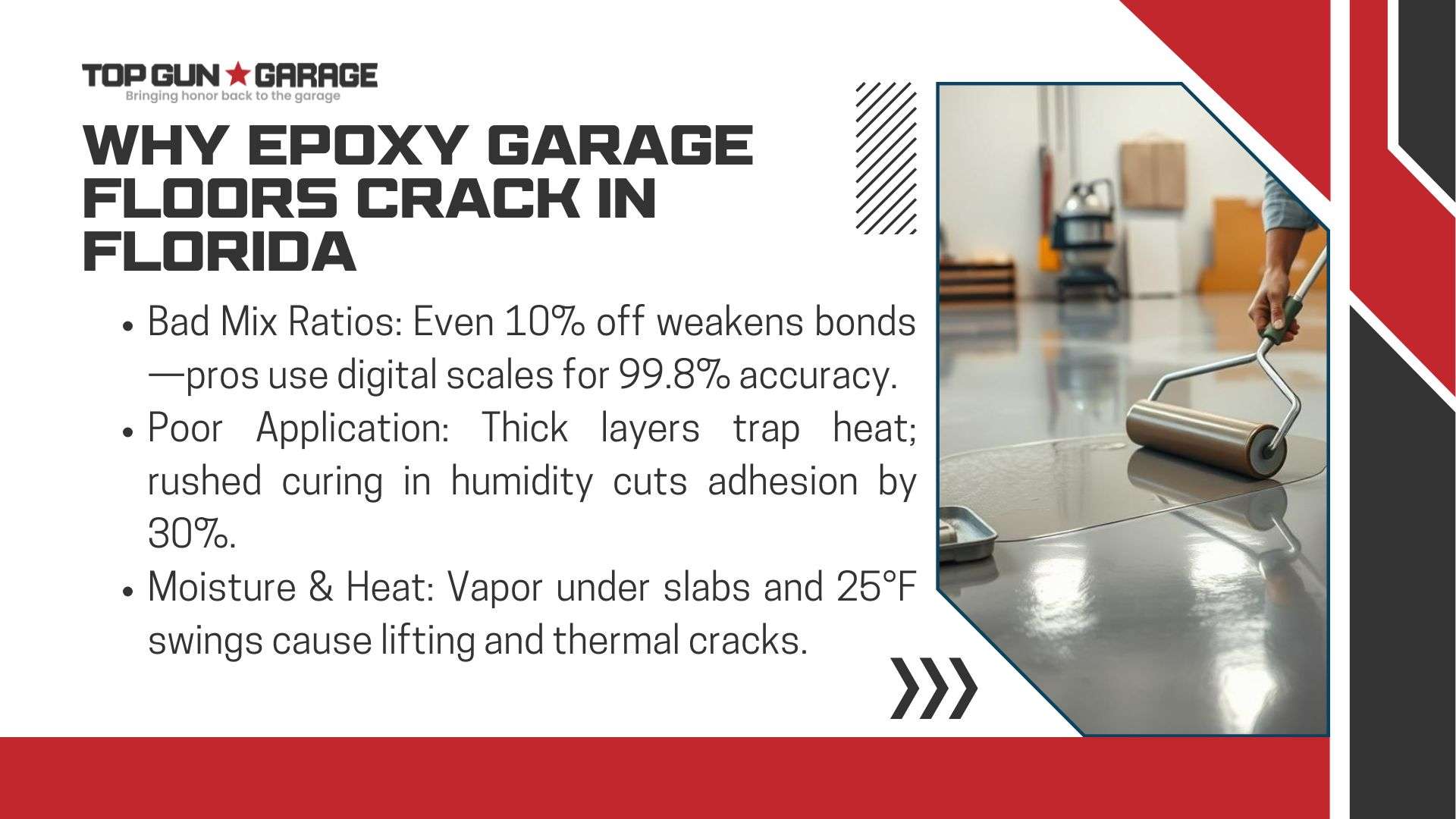
Mixing Ratios, Application Techniques, and Curing Time
Resin-based coatings require exact mixing measurements. A 10% error in component ratios weakens molecular bonds, creating stress points. Professionals use digital scales to achieve 99.8% accuracy—critical for preventing hairline fractures. Application thickness matters. Spread layers exceeding ¼ inch trap heat during curing, causing thermal expansion cracks. Experts use notched squeegees to maintain uniform depth. Rushed drying schedules in humid environments shrink curing phases by 30%, reducing adhesion strength.Impact of Moisture and Temperature Extremes
Concrete slabs release 3-5% moisture vapor daily in subtropical zones. Untreated substrates allow this vapor to lift coatings from beneath. Advanced floor moisture testing for epoxy detect hidden dampness before installation begins. Daily temperature swings of 25°F cause materials to expand and contract. Thermal shock tests show coatings withstand 15°F fluctuations best. Installers time projects around weather patterns, avoiding midday heat spikes that accelerate curing unevenly.Environmental and Installation Challenges
The combination of environmental stressors and technical precision determines how well protective layers hold up over time. Coastal regions demand solutions that account for both visible and hidden threats to material integrity.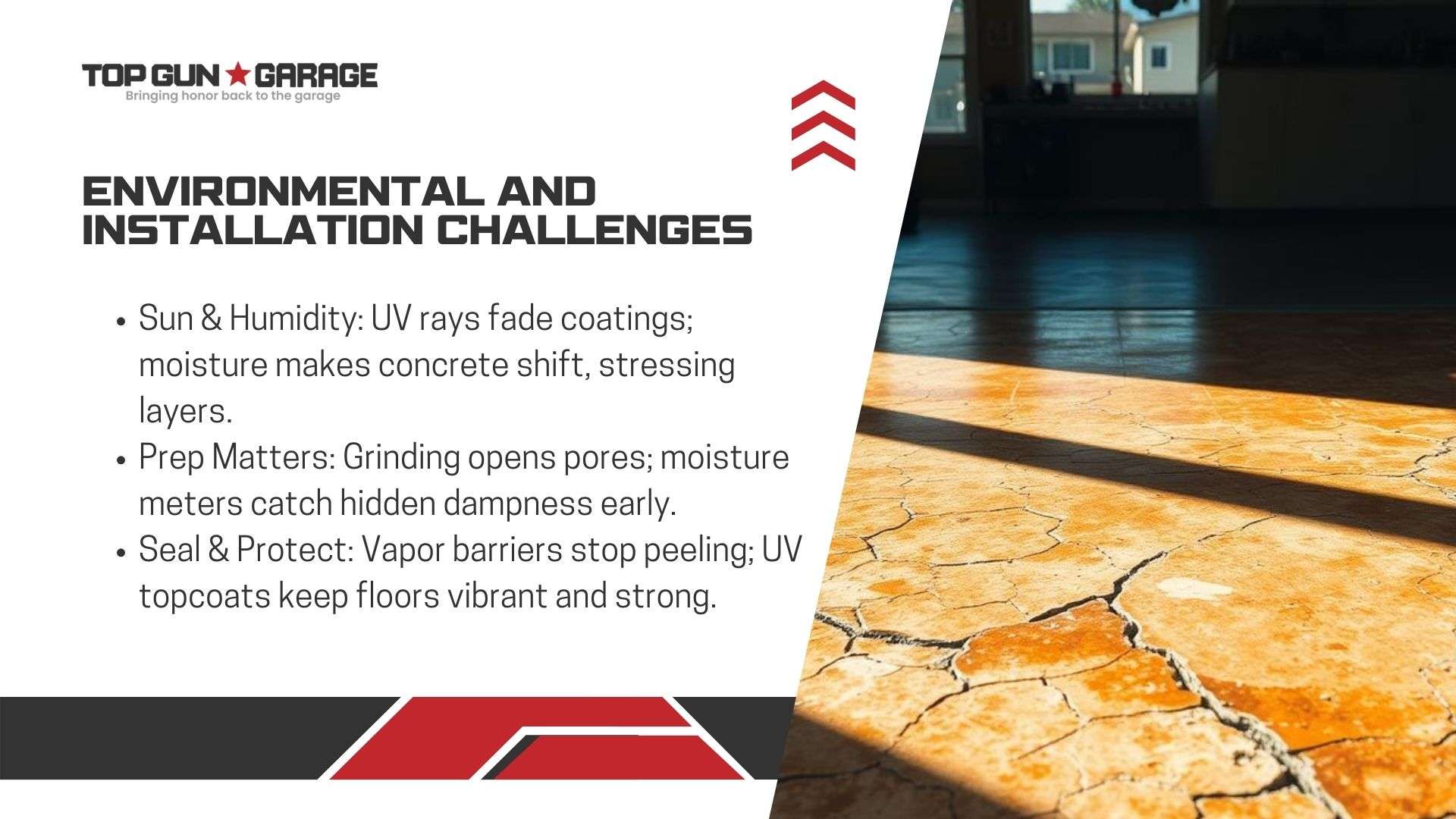
Climate Pressures on Protective Coatings
Intense sunlight breaks down chemical bonds in resin-based materials, causing fading or yellowing. Humidity amplifies concrete’s natural movement, creating tension between layers. Daily temperature swings of 20-30°F force materials to expand and contract repeatedly, testing adhesion strength.Precision Surface Preparation Steps
Professionals begin with mechanical grinding to open pores in concrete slabs. This step removes contaminants and creates texture for better grip. Moisture testing follows, using specialized meters to detect hidden dampness. Teams then apply sealants to block vapor transmission—a critical defense against bubbles or peeling. UV-resistant topcoats add another layer of protection, reflecting harmful rays while maintaining color vibrancy. These steps adapt to local weather patterns, ensuring materials cure properly despite outdoor conditions.Prevention Strategies and Expert Solutions
Proactive measures significantly reduce risks of surface imperfections and extend coating lifespan. Proper preparation accounts for 60% of a successful project, according to industry studies. Teams prioritize thorough cleaning and priming to create ideal bonding conditions.Effective Preparation, Repair, and Coating Techniques
Experts recommend these critical steps:- Mechanical grinding removes old layers and opens concrete pores
- Moisture testing identifies hidden vapor transmission risks
- UV-resistant formulas combat sun damage in sunny climates
Conclusion
Achieving durable surfaces in demanding climates requires specialized knowledge and precise execution. Common issues stem from improper material ratios, hidden moisture, and rapid temperature changes. These factors strain coatings, leading to premature wear if not addressed during installation. Professional techniques make the difference. Accurate mixing of epoxy resin, moisture barrier installation, and climate-adjusted curing times prevent most defects. Surface preparation remains critical—experts recommend grinding concrete and testing substrates before applying protective layers. Top Gun Garage in Naples, FL, offers tailored solutions for lasting results. Their team adapts methods to handle extreme heat and humidity, using industrial-grade materials designed for coastal environments. Homeowners benefit from free consultations to explore colors and project timelines that suit local conditions. For flawless floors that withstand environmental stress, trust seasoned professionals. Contact Top Gun Garage at (239) 488-7000 to discuss your next project. Their proven strategies turn challenging installations into resilient, attractive surfaces built to last.FAQ
How does Florida’s climate affect garage floor coatings?
High humidity and temperature fluctuations cause materials to expand and contract. Without proper preparation or flexible coatings, surfaces develop stress cracks over time. Moisture intrusion beneath the finish can also weaken adhesion.
What role does surface preparation play in preventing cracks?
Thorough cleaning, grinding, and moisture testing ensure coatings bond securely. Skipping steps like crack repairs or vapor barriers leaves vulnerabilities. Proper prep creates a stable base to handle thermal shifts common in hot climates.
Can temperature extremes impact curing times for floor finishes?
Yes. Heat accelerates curing, leading to uneven application or brittleness. Cold slows drying, increasing contamination risks. Professionals monitor conditions and adjust techniques to maintain optimal drying rates for durable results.
Are certain coatings better suited for coastal regions like Naples?
Epoxy vs Polyaspartic or hybrid systems resist UV damage and humidity better than standard resins. Top Gun Garage uses industrial-grade products with additives to combat salt air, moisture, and heat stress unique to Southwest Florida.
How long should a properly installed floor coating last?
With expert installation and maintenance, high-quality finishes withstand 10–15 years of heavy use. Avoiding harsh chemicals, standing water, and abrasives preserves the glossy appearance and structural integrity.
Can existing cracks be repaired before applying new coatings?
Yes. Specialized fillers and sealants stabilize damaged concrete. Technicians assess substrate conditions, address underlying issues like settling, and ensure concrete repairs align with the coating system’s requirements for seamless durability.